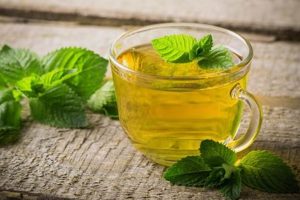
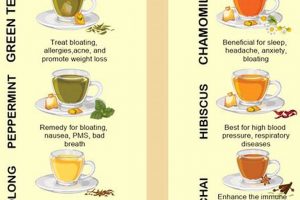
A beverage crafted from the infusion or decoction of herbs, spices, flowers, or other plant material, it distinguishes itself from traditional teas derived from the Camellia sinensis plant. Examples include chamomile, peppermint, and rooibos infusions, each offering a unique flavor profile and chemical composition.
Consumption dates back centuries, often intertwined with medicinal practices and cultural rituals. Its appeal lies in the potential for therapeutic benefits, such as relaxation, digestive support, and antioxidant properties, although scientific evidence varies depending on the specific ingredients. The absence of caffeine in many varieties makes it a popular alternative to coffee and black or green tea, particularly in the evening.
The subsequent article explores various aspects related to these plant-based infusions, encompassing their selection, preparation methods, potential health implications, and integration into a balanced lifestyle. Specific attention will be given to safety considerations and interactions with medications.
Herbal Infusion Guidance
This section provides guidance on the responsible and informed utilization of herbal infusions for potential well-being benefits.
Tip 1: Source Reputable Products: Procurement should occur from established vendors who adhere to quality control standards and provide detailed ingredient information. This minimizes the risk of contamination or adulteration.
Tip 2: Research Ingredients: Prior to consumption, thoroughly research the specific herbs included in the blend. Understanding their traditional uses, potential side effects, and interactions with existing medications is crucial.
Tip 3: Start with Small Quantities: Individuals new to a particular herbal blend should initiate consumption with small servings to assess tolerance and identify potential allergic reactions or sensitivities.
Tip 4: Adhere to Preparation Guidelines: Follow recommended steeping times and water temperatures. Over-extraction or improper preparation can alter the flavor profile and potentially release undesirable compounds.
Tip 5: Consider Existing Health Conditions: Individuals with pre-existing health conditions, such as kidney or liver disease, or those who are pregnant or breastfeeding, should consult with a healthcare professional before regular consumption.
Tip 6: Monitor for Adverse Reactions: Vigilantly monitor for any adverse reactions, such as skin rashes, digestive upset, or headaches. Discontinue use and seek medical advice if such symptoms occur.
Tip 7: Be Mindful of Potential Interactions: Certain herbs can interact with prescription medications. Inform a healthcare provider about the regular consumption of any herbal infusions to avoid potential complications.
Adherence to these guidelines promotes a safer and more informed approach to incorporating herbal infusions into a wellness routine.
The following section will address the broader context of integrating these practices within a comprehensive approach to health and well-being.
1. Varied Plant Sources

The term herbal.tea encompasses a vast array of beverages due to the extensive range of plant species utilized in their production. Unlike traditional teas derived from Camellia sinensis, these infusions leverage the chemical diversity inherent in the plant kingdom. The choice of plant material directly influences the beverage’s flavor profile, potential therapeutic properties, and overall chemical composition. For example, chamomile flowers ( Matricaria chamomilla) impart a floral aroma and are often associated with relaxation, while peppermint leaves ( Mentha piperita) offer a refreshing taste and are traditionally used to alleviate digestive discomfort.
The geographical origin and cultivation practices of these plants also contribute to the variability observed in the final product. Soil composition, climate, and harvesting techniques can affect the concentration of active compounds within the plant material. This variability underscores the importance of sourcing from reputable suppliers who implement rigorous quality control measures to ensure consistency and safety. Understanding the specific plant source allows consumers to make informed decisions about the potential effects and suitability of a particular infusion for their individual needs.
In summary, the link between varied plant sources and herbal.tea is fundamental. The diverse botanicals define the category and offer a spectrum of flavors and potential benefits. However, this diversity also necessitates a careful approach to sourcing and understanding the specific properties of each ingredient. The botanical source of each infusion directly determines its unique characteristics, reinforcing the significance of plant selection in creating a safe and beneficial beverage.
2. Caffeine-Free Options

The prominence of caffeine-free options within the domain of herbal infusions constitutes a significant differentiating factor from traditional teas. This characteristic renders these beverages suitable for individuals seeking to avoid the stimulant effects of caffeine for various health or lifestyle reasons.
- Decaffeination Process Avoidance
Many traditional teas undergo a decaffeination process, which may involve chemical solvents and potentially alter the flavor profile. Herbal infusions, by their very nature, are inherently caffeine-free, eliminating the need for such processing. This appeals to consumers seeking natural, unadulterated beverages.
- Evening Consumption Suitability
Caffeine consumption can disrupt sleep patterns. The absence of caffeine in these herbal blends makes them an ideal choice for evening relaxation and promoting restful sleep. Chamomile, valerian, and lavender infusions are specifically known for their calming properties and are often consumed before bedtime.
- Addressing Caffeine Sensitivity
Some individuals experience adverse reactions to even small amounts of caffeine, including anxiety, jitters, and digestive issues. Herbal infusions provide a safe and enjoyable alternative for these individuals, allowing them to partake in the social and cultural aspects of tea consumption without the negative side effects.
- Supporting Hydration Without Stimulation
Maintaining adequate hydration is crucial for overall health. These drinks offer a flavorful and hydrating option without the stimulant effects of caffeine, promoting consistent fluid intake throughout the day. This is particularly beneficial for individuals who are sensitive to caffeine’s diuretic effects.
In conclusion, the inherent absence of caffeine in many of these blends significantly contributes to their appeal as a health-conscious beverage choice. The benefits extend beyond simply avoiding stimulation, encompassing factors such as natural processing, suitability for evening consumption, and support for hydration without adverse side effects. This caffeine-free characteristic distinguishes them from traditional teas and positions them as a viable option for a diverse range of consumers.
3. Traditional Medicine Links

The preparation and consumption of herbal infusions are deeply intertwined with the practices of traditional medicine systems across the globe. These systems, often predating modern scientific understanding, have long employed plant-based remedies to address a wide range of health conditions.
- Ayurvedic Applications
In Ayurveda, the ancient Indian system of medicine, herbal infusions are utilized extensively to balance the doshas (energetic principles) and promote holistic well-being. Specific herbs, such as tulsi (holy basil) and ginger, are brewed into infusions to address imbalances and support digestion, immunity, and mental clarity.
- Traditional Chinese Medicine (TCM) Formulas
TCM incorporates herbal infusions as a delivery method for medicinal formulas. Specific combinations of herbs, carefully selected and prepared, are prescribed to address specific patterns of disharmony within the body. The warm liquid is believed to enhance the absorption and efficacy of the herbal constituents.
- Indigenous Healing Practices
Numerous indigenous cultures around the world maintain a rich tradition of using local plants for healing. These practices often involve the preparation of herbal infusions to treat ailments ranging from skin irritations to respiratory infections. Knowledge of these plants and their medicinal properties is passed down through generations.
- European Herbalism
European herbalism, with roots stretching back to ancient Greece and Rome, emphasizes the use of herbal infusions and decoctions for their therapeutic benefits. Plants such as chamomile, lavender, and peppermint have a long history of use in traditional European medicine to promote relaxation, soothe digestive issues, and support overall well-being.
These connections to traditional medicine highlight the long-standing recognition of the therapeutic potential of herbal infusions. While modern science continues to investigate the efficacy of these remedies, their historical context provides valuable insights into the cultural significance and potential health benefits associated with the consumption of herbal.tea. Further research and responsible utilization can bridge the gap between traditional wisdom and contemporary healthcare practices.
4. Diverse Flavor Profiles

The hallmark of herbal infusions lies in their broad spectrum of flavor profiles, attributable to the varied botanicals used in their composition. This diversity contrasts sharply with the relatively uniform taste characteristics of traditional teas derived from Camellia sinensis. The flavors range from floral and sweet, exemplified by chamomile and lavender infusions, to earthy and robust, found in rooibos and yerba mate preparations, or spicy and pungent, as demonstrated by ginger and turmeric blends. This extensive range allows consumers to select infusions tailored to their individual taste preferences and sensory experiences.
The practical significance of this diversity manifests in several ways. It broadens the appeal of herbal infusions, attracting consumers who may not enjoy the inherent bitterness or astringency often associated with traditional teas. The availability of numerous flavor options also fosters experimentation and encourages consumers to explore new taste sensations. Moreover, the flavor profiles can be strategically combined to create complex and nuanced beverages, addressing specific taste preferences or desired functional benefits. For example, a blend of peppermint and ginger may offer both a refreshing flavor and digestive support, while a combination of chamomile and lemon balm may promote relaxation and a sense of calm.
In conclusion, the diverse flavor profiles of herbal infusions represent a key attribute that differentiates them from traditional teas and contributes significantly to their popularity. This variety stems directly from the utilization of a wide array of plant materials, each contributing unique flavor compounds. The practical benefit lies in the ability to cater to diverse consumer preferences, create complex and enjoyable beverages, and potentially enhance the desired functional properties of the infusion. However, this diversity also necessitates careful consideration of ingredient sourcing and preparation techniques to ensure a consistent and palatable final product.
5. Potential Health Benefits
The consumption of herbal infusions has long been associated with a variety of potential health benefits. These claims stem from the inherent bioactive compounds present in the plant materials used to prepare these beverages. However, it is crucial to approach these claims with a discerning perspective, recognizing that scientific evidence supporting these benefits varies considerably, and that individual responses may differ.
- Antioxidant Activity
Many herbs contain polyphenols and other antioxidant compounds that can neutralize free radicals in the body. Free radicals are unstable molecules that contribute to cellular damage and are implicated in the development of chronic diseases. Infusions made from rooibos, hibiscus, and green tea, for example, exhibit notable antioxidant activity. The extent to which these antioxidants are bioavailable and exert a protective effect in the body is an area of ongoing research.
- Digestive Support
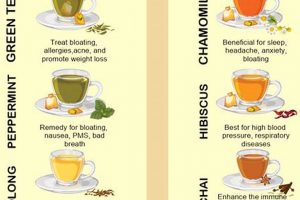
Certain herbs possess carminative properties, meaning they can help to relieve gas and bloating. Peppermint, ginger, and chamomile are commonly used in infusions to aid digestion. These herbs may relax the smooth muscles of the gastrointestinal tract, facilitating the passage of gas and reducing discomfort. However, it’s important to note that individual tolerance to these herbs can vary.
- Relaxation and Sleep Promotion
Infusions made from chamomile, lavender, and valerian root are often consumed to promote relaxation and improve sleep quality. These herbs contain compounds that may interact with neurotransmitter systems in the brain, promoting a calming effect. While some studies suggest a positive impact on sleep, further research is needed to confirm these findings and establish optimal dosages.
- Anti-Inflammatory Properties
Some herbs, such as turmeric and ginger, contain compounds with anti-inflammatory properties. These compounds may help to reduce inflammation throughout the body, potentially mitigating the symptoms of inflammatory conditions. However, the bioavailability of these compounds can be limited, and the concentration of active ingredients in infusions may vary. Consequently, the anti-inflammatory effects of these infusions may be modest.
While the potential health benefits associated with herbal infusions are promising, it is essential to remember that these beverages are not a substitute for conventional medical treatment. Individuals with underlying health conditions should consult with a healthcare professional before using herbal infusions as part of their healthcare regimen. Furthermore, sourcing high-quality ingredients and adhering to recommended preparation guidelines is crucial to ensure both safety and efficacy. The complex interplay between plant compounds and human physiology necessitates ongoing research to fully elucidate the true extent of these potential health benefits.
6. Preparation Method Matters

The method of preparation significantly influences the final composition, flavor, and potential therapeutic properties of herbal infusions. Subtle variations in water temperature, steeping time, and the type of vessel used can have a discernible impact on the extraction of bioactive compounds from the plant material. Therefore, careful attention to preparation techniques is paramount for maximizing the desired characteristics of the beverage.
- Water Temperature and Compound Extraction
Water temperature dictates the solubility of different compounds within the herbs. Excessively high temperatures can degrade delicate volatile oils, leading to a loss of aroma and flavor. Conversely, insufficient heat may result in incomplete extraction of beneficial compounds, reducing the potential therapeutic effects. For instance, chamomile infusions benefit from slightly lower temperatures (around 180F) to preserve their delicate floral notes, whereas root-based infusions like ginger may require boiling water for optimal extraction of pungent compounds.
- Steeping Time and Bioactive Compound Release
Steeping time determines the extent to which bioactive compounds are released from the plant material into the water. Short steeping times may yield a weak and flavorless infusion, while prolonged steeping can result in bitterness and the extraction of undesirable compounds, such as tannins. Optimal steeping times vary depending on the herb; delicate flowers typically require shorter infusions (3-5 minutes), whereas tougher leaves and roots may benefit from longer steeping times (5-10 minutes).
- Vessel Material and Flavor Modification
The material of the steeping vessel can subtly influence the flavor of the herbal infusion. Reactive metals, such as aluminum, can interact with the compounds in the herbs, altering the taste and potentially affecting the beverage’s safety. Inert materials, such as glass, ceramic, or stainless steel, are generally preferred as they minimize any unwanted flavor alterations. Furthermore, the size and shape of the vessel can influence the rate of cooling and the overall steeping process.
- Water Quality and Overall Infusion Profile
The quality of the water used to prepare the infusion significantly affects the final flavor and the extraction of beneficial components. Tap water containing chlorine or other impurities can negatively impact the taste and aroma. Filtered water, spring water, or distilled water are preferred to ensure a clean and neutral base for the infusion. The pH of the water can also influence the extraction process, with slightly acidic water generally favoring the release of certain compounds.
These facets underscore the importance of precision in preparing herbal infusions. While individual preferences may vary, understanding the fundamental principles of water temperature, steeping time, vessel material, and water quality allows for greater control over the final product. Adherence to these guidelines enhances the likelihood of creating a flavorful and potentially therapeutic beverage. The preparation process is not merely a mechanical task, but an integral step in unlocking the full potential of these botanical infusions.
7. Quality Control Crucial

The rigorous enforcement of quality control measures is paramount in the production and distribution of plant-based infusions. The safety and efficacy of these products hinge directly on adherence to stringent standards throughout the entire supply chain, from sourcing raw materials to packaging and labeling the final product.
- Botanical Identification and Authentication
Accurate identification of the plant species used in herbal infusions is fundamental to safety and efficacy. Misidentification or adulteration with related species can lead to adverse health effects or a lack of desired therapeutic properties. Quality control protocols must include botanical authentication using microscopic analysis, chemical fingerprinting, or DNA barcoding to ensure the correct plant material is utilized. For example, the substitution of Senna alexandrina with other Senna species lacking the same laxative properties would compromise the product’s intended function and potentially mislead consumers.
- Pesticide and Heavy Metal Residue Monitoring
Herbal plants can accumulate pesticides and heavy metals from the soil, air, and water. Excessive levels of these contaminants pose a significant health risk to consumers. Quality control procedures must include routine testing for pesticide residues and heavy metals, such as lead, cadmium, and mercury, to ensure compliance with established safety limits. Products exceeding these limits should be rejected to safeguard consumer health. The permissible levels of these contaminants are often regulated by governmental agencies and vary depending on the specific substance and jurisdiction.
- Microbial Contamination Prevention and Testing
Raw herbal materials are susceptible to microbial contamination, including bacteria, molds, and yeasts. These microorganisms can produce toxins or cause infections in consumers, particularly those with compromised immune systems. Quality control measures should include implementing Good Agricultural and Collection Practices (GACP) to minimize microbial contamination during harvesting and processing. Furthermore, finished products must undergo testing for microbial loads, including total aerobic count, yeast and mold count, and the presence of specific pathogens like Salmonella and E. coli, to ensure microbiological safety.
- Standardized Extraction and Processing Techniques
The method of extraction and processing significantly impacts the concentration and bioavailability of bioactive compounds in herbal infusions. Standardized extraction techniques, utilizing controlled parameters such as temperature, solvent type, and extraction time, are essential for ensuring consistent product quality. Variations in these parameters can lead to inconsistent levels of active ingredients, affecting the product’s efficacy. For example, controlling the extraction temperature during chamomile infusion preparation can help to preserve volatile oils that contribute to its calming properties, thus maintaining its expected effect.
In summary, the implementation of rigorous quality control procedures is not merely a procedural requirement, but a critical component in ensuring the safety, efficacy, and overall integrity of plant-based infusions. From verifying botanical identity to preventing contamination and standardizing extraction techniques, each step in the process demands meticulous attention to detail. Without such robust quality control measures, the potential health benefits associated with these plant-based products may be compromised, and consumers may be exposed to unnecessary risks.
Frequently Asked Questions About Herbal Infusions
The following addresses common inquiries and misconceptions regarding these plant-derived beverages, providing factual information to promote informed decision-making.
Question 1: Are all herbal infusions caffeine-free?
While many are naturally caffeine-free, it is not a universal characteristic. Certain infusions, such as those containing yerba mate or guayusa, do contain caffeine. Product labels must be carefully reviewed to ascertain the caffeine content prior to consumption.
Question 2: Can these infusions replace prescription medications?
No. They are not intended to replace or substitute for prescription medications. Individuals with existing medical conditions should consult with a qualified healthcare professional before incorporating them into their wellness routine. Furthermore, potential interactions with medications must be considered.
Question 3: Is “natural” always synonymous with “safe” in the context of these infusions?
No. “Natural” does not automatically equate to “safe.” Some plants contain potent compounds that can be harmful if consumed improperly or in excessive quantities. Researching the ingredients and sourcing from reputable suppliers are crucial steps in ensuring safety.
Question 4: How should these infusions be stored to maintain their quality?
They should be stored in airtight containers, away from direct sunlight, heat, and moisture. Proper storage helps to preserve their flavor and potency. Dried herbs are best stored in a cool, dark pantry.
Question 5: Can pregnant or breastfeeding individuals safely consume these infusions?
Certain herbs are contraindicated during pregnancy and breastfeeding. Consultation with a healthcare provider is essential before consuming these beverages during these periods to avoid potential risks to the mother and child.
Question 6: Are organic herbal infusions necessarily superior to non-organic options?
Organic certification indicates that the herbs were grown without the use of synthetic pesticides and fertilizers. While this can be a desirable attribute, it does not guarantee superior quality or efficacy. The absence of pesticide residues is a distinct benefit associated with organic certification. However, factors such as botanical identification and processing techniques are just as crucial for the overall quality of the herbal infusions.
In summary, informed consumption requires careful consideration of various factors, including ingredient sourcing, potential interactions, and individual health status. These plant-derived beverages should be approached with knowledge and caution.
The subsequent section will explore the integration of plant-based infusions into a balanced lifestyle.
Conclusion
The preceding exploration has detailed critical facets pertaining to plant-based infusions, commonly denoted as “herbal.tea”. From diverse botanical origins and caffeine considerations to their links with traditional medicine and the importance of quality control, these elements collectively define this beverage category. The necessity for informed sourcing, proper preparation, and awareness of potential health interactions remains paramount for safe and responsible consumption.
The enduring appeal of “herbal.tea” stems from its potential to offer both sensory enjoyment and perceived health benefits. However, substantiating these benefits necessitates ongoing scientific investigation. Consumers are urged to approach these beverages with a balanced perspective, prioritizing credible information and professional guidance. Further research and responsible practices will determine the long-term role of “herbal.tea” in promoting well-being.