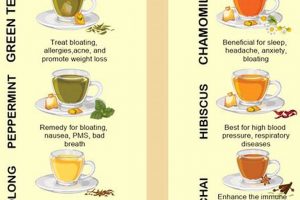
A system that provides the convenience of single-serve beverage preparation now extends beyond coffee to include infusions made from herbs and other botanicals. These systems utilize pre-packaged capsules containing dried ingredients designed to be brewed using a specific machine. The resultant beverage offers a quick and easy method for consuming herbal infusions.
The appeal lies in its ease of use and consistent quality. Instead of measuring loose-leaf herbs and steeping them, users simply insert a capsule into the machine and press a button. This eliminates guesswork and ensures a uniform flavor profile with each preparation. The pre-portioned format also reduces waste and streamlines cleanup, contributing to its widespread adoption in homes and offices.
This article will delve into the variety of herbal blends available, explore the brewing process and its impact on flavor extraction, and examine the advantages and disadvantages of utilizing this method compared to traditional herbal tea preparation. Furthermore, it will discuss the sustainability aspects of the capsules and the overall environmental impact.
Tips for Optimizing the Herbal Infusion Experience
Maximizing enjoyment and efficacy requires understanding key elements of the brewing process and available options. The following tips provide guidance for effective utilization of this system.
Tip 1: Capsule Selection. Carefully review the ingredients list to ensure alignment with intended health benefits and flavor preferences. Some capsules contain additives or flavorings that may detract from the pure herbal experience.
Tip 2: Water Quality. Use filtered water to minimize mineral interference with the herbs’ natural flavors and aromas. The quality of the water directly impacts the final beverage.
Tip 3: Machine Maintenance. Regularly descale the brewing machine according to the manufacturer’s instructions. Mineral buildup can affect brewing temperature and water flow, influencing extraction quality.
Tip 4: Brewing Temperature. If the machine allows temperature adjustment, research the optimal brewing temperature for the specific herbs in the capsule. Different herbs release their beneficial compounds at varying temperatures.
Tip 5: Pre-heating. Pre-heating the cup with hot water can help maintain the beverage’s temperature for a longer period, enhancing the overall sensory experience.
Tip 6: Capsule Storage. Store the capsules in a cool, dark, and dry place to preserve the potency and flavor of the herbal ingredients. Exposure to heat, light, and moisture can degrade their quality.
Tip 7: Infusion Time. While the machine automates brewing, allowing the infusion to sit for a short period after brewing can sometimes enhance flavor extraction, depending on the herbal blend.
By applying these tips, users can optimize the brewing process and maximize the benefits derived from these convenient herbal infusions. Careful attention to detail ensures a consistently satisfying and effective beverage.
This concludes the practical guidelines for enhancing the herbal infusion experience. The subsequent sections will explore the environmental considerations associated with capsule-based beverage systems.
1. Herbal Blend Variety
The availability and composition of herbal blends significantly influence the appeal and market presence of capsule-based herbal tea systems. The breadth of available options directly impacts consumer choice and the overall utility of these systems.
- Traditional Single-Herb Infusions
This category includes common herbs such as chamomile, peppermint, and ginger, presented individually within capsules. The focus is on delivering the pure, unadulterated flavor and purported health benefits of each herb. The availability of these single-herb options allows consumers to target specific needs, such as relaxation (chamomile) or digestive support (peppermint).
- Complex Herbal Combinations
These blends combine multiple herbs to create synergistic effects or more complex flavor profiles. Examples include blends for sleep support (combining valerian, lavender, and chamomile) or immune support (combining echinacea, elderberry, and ginger). The careful formulation of these combinations is crucial for achieving the desired therapeutic or sensory outcome.
- Regional and Cultural Blends
Capsule-based systems may offer blends that reflect specific regional or cultural traditions. Examples include blends inspired by traditional Chinese medicine or Ayurvedic principles, incorporating herbs and spices specific to those systems. These blends cater to consumers seeking culturally authentic or specialized herbal experiences.
- Herbal-Tea Hybrids
Some systems incorporate traditional tea leaves (e.g., green tea, black tea) into herbal blends. These hybrids offer a combination of the stimulating effects of tea with the flavor and health benefits of herbs. The ratio of tea to herbs is a critical factor in determining the overall effect and flavor of these blends.
The successful integration of diverse herbal blend varieties into capsule-based systems requires careful consideration of sourcing, processing, and formulation. The ability to offer a wide range of options, from single-herb infusions to complex blends, is a key factor in attracting and retaining consumers within the market for these convenient herbal beverages.
2. Capsule Material Composition
The composition of capsules used in single-serve herbal infusion systems directly affects the quality, safety, and environmental impact of the final product. The material chosen influences flavor preservation, potential leaching of substances into the beverage, and the capsule’s end-of-life fate. For instance, capsules made of low-grade plastics may impart unwanted flavors to the herbal infusion, compromising the intended taste profile. Moreover, certain plastics, when exposed to heat during the brewing process, can leach harmful chemicals into the drink. This underscores the importance of selecting food-grade, heat-resistant materials.
Several materials are currently employed in capsule manufacturing, each presenting distinct advantages and disadvantages. Aluminum capsules offer excellent barrier properties, protecting the herbal ingredients from oxidation and moisture. However, aluminum production is energy-intensive, and recycling infrastructure is necessary to mitigate its environmental impact. Bioplastics, derived from renewable resources, are presented as a more sustainable alternative. Yet, their biodegradability depends on specific composting conditions that are not universally available. Furthermore, the flavor barrier properties of some bioplastics may be inferior to those of aluminum, potentially affecting the aroma and taste of the herbal infusion. Multi-layered capsules, combining different materials for enhanced performance, introduce complexities in recycling and separation processes.
Ultimately, the selection of capsule material involves a trade-off between performance, cost, and environmental considerations. Ongoing research focuses on developing innovative materials that combine high barrier properties, sustainable sourcing, and ease of recyclability or compostability. This pursuit is essential for minimizing the environmental footprint of these convenient herbal beverage systems while ensuring the delivery of high-quality, safe, and flavorful infusions.
3. Brewing System Compatibility
Brewing system compatibility is a foundational aspect influencing the viability and user experience of any capsule-based beverage system. For herbal infusions intended for use within systems originally designed for coffee, ensuring proper interaction between capsule design and machine functionality is paramount. Failure to achieve this compatibility results in suboptimal extraction, machine malfunction, or complete incompatibility.
- Capsule Geometry and Dimensions
The physical size and shape of the herbal infusion capsule must precisely match the specifications of the brewing machine’s capsule chamber. Deviations in these dimensions can prevent proper insertion, puncture, or ejection. The machine may not function, or the capsule may be damaged, leading to incomplete or improper brewing. Specific to systems using coffee, this means understanding how the machine pierces and processes capsules for proper herbal infusion extraction.
- Puncture and Extraction Mechanism
Brewing systems rely on specific mechanisms to puncture the capsule and introduce water under pressure for extraction. The capsule material and design must be compatible with these mechanisms, allowing for clean and consistent puncture without tearing or clogging. If the capsule’s design is unfit, the herbal material may not be extracted properly, and the brew may be weak and ineffective.
- Water Flow and Pressure Dynamics
The water flow rate and pressure within the brewing system are calibrated for specific beverage types. Herbal infusions often require different flow rates and pressures compared to coffee to achieve optimal extraction of flavor compounds and beneficial constituents. Systems designed for coffee may over- or under-extract herbal ingredients, resulting in a substandard beverage.
- Temperature Control and Profiles
Different herbs release their active compounds at varying temperatures. A brewing system’s temperature profile must be adaptable to the specific herbal blend within the capsule. If the system is solely calibrated for coffee, the temperature may be too high or too low for optimal herbal extraction, affecting the flavor and efficacy of the infusion.
Achieving effective and consistent herbal tea brewing within existing single-serve systems requires careful consideration of these compatibility factors. Manufacturers must either adapt capsule designs to suit existing machine parameters or modify machine functionalities to accommodate the unique requirements of herbal infusions. The success hinges on a synergistic relationship between the capsule and the brewing system, ensuring a satisfying and functional beverage experience. As a side note, there are several universal capsules for Nespresso that make brewing tea easier.
4. Flavor Profile Specificity
Flavor profile specificity is paramount in the context of capsule-based herbal infusions. Achieving a distinct and predictable flavor experience is a key driver of consumer satisfaction. The precision with which these profiles are defined, achieved, and maintained dictates the success of integrating herbal offerings into single-serve beverage systems.
- Sourcing and Ingredient Quality
The geographic origin, cultivation methods, and post-harvest processing of herbal ingredients exert a profound influence on their inherent flavor characteristics. Variations in soil composition, climate, and harvesting techniques contribute to subtle yet discernible differences in aroma, taste, and overall flavor complexity. Manufacturers must establish rigorous sourcing standards and quality control protocols to ensure consistency in the raw materials used for capsule production. For example, chamomile sourced from Egypt may exhibit different flavor nuances compared to chamomile cultivated in Germany, impacting the final brew’s profile.
- Capsule Formulation and Design
The capsule’s internal structure, material composition, and fill volume directly influence the extraction process and subsequent flavor release. Capsule design must optimize water flow, pressure distribution, and contact time to ensure uniform extraction of the desired flavor compounds. The materials used in capsule construction must be inert and flavor-neutral to prevent any unwanted interference with the herbal ingredients. Variations in capsule design can lead to inconsistent extraction, resulting in unpredictable and undesirable flavor profiles.
- Brewing Parameter Optimization
Water temperature, pressure, and brewing duration are critical parameters that govern the extraction of flavor components from the herbal blend. Optimizing these parameters for each specific herbal blend is essential for achieving the intended flavor profile. Brewing parameters calibrated for coffee extraction may be unsuitable for herbal infusions, leading to over- or under-extraction and compromised flavor. For instance, delicate herbs like lavender require lower brewing temperatures compared to robust herbs like ginger to prevent bitterness or harshness.
- Sensory Evaluation and Quality Control
Rigorous sensory evaluation is indispensable for ensuring the consistency and accuracy of flavor profiles. Trained sensory panels conduct blind tastings to assess the aroma, taste, mouthfeel, and overall acceptability of the brewed infusion. Sensory data are used to refine capsule formulations, optimize brewing parameters, and identify any deviations from the intended flavor target. This ongoing quality control process helps maintain the integrity and reliability of the flavor profile across different production batches.
Flavor profile specificity in capsule-based herbal infusions hinges on a confluence of factors, from sourcing and formulation to brewing optimization and sensory evaluation. The ability to consistently deliver a predictable and desirable flavor experience is essential for establishing consumer trust and solidifying the position of herbal offerings within the broader single-serve beverage market. The integration of these elements dictates whether a product can successfully deliver the intended herbal experience consistently.
5. Health Benefit Claims

The association between purported health benefits and capsule-based herbal infusions necessitates careful scrutiny. Marketing strategies often highlight potential therapeutic effects of specific herbs, yet scientific substantiation and regulatory oversight remain critical considerations.
- Regulatory Frameworks
The regulation of health benefit claims for herbal products varies significantly across jurisdictions. Some countries require rigorous scientific evidence to support such claims, while others adopt a more lenient approach. The absence of uniform regulatory standards creates opportunities for unsubstantiated claims and potentially misleading marketing practices. Manufacturers must navigate complex and often inconsistent regulatory landscapes to ensure compliance and avoid legal repercussions. Claims of Nespresso herbal tea must be backed by appropriate documentation to ensure that they are valid.
- Scientific Evidence Evaluation
Evaluating the scientific evidence underpinning health benefit claims requires a critical assessment of study design, sample size, and methodological rigor. Many studies on herbal remedies are limited by small sample sizes, lack of control groups, or reliance on anecdotal evidence. Systematic reviews and meta-analyses of randomized controlled trials provide a more robust basis for assessing the efficacy of herbal interventions. It is important to ensure that studies are not biased and consider other factors when evaluating the health benefits of herbal tea.
- Bioavailability and Extraction Efficiency
The bioavailability of active compounds in herbal infusions depends on the efficiency of the extraction process. Factors such as water temperature, brewing time, and capsule design can influence the amount of beneficial compounds released from the herbal material. Systems designed for coffee brewing may not be optimized for extracting the full spectrum of bioactive molecules from herbs. Consequently, the actual health benefits derived from capsule-based herbal infusions may be lower than those associated with traditionally prepared herbal teas. The herbal tea system must be able to create tea that has the full extraction to receive the benefits.
- Potential Interactions and Contraindications
Herbal remedies can interact with prescription medications and may be contraindicated for individuals with certain medical conditions. Consumers should be aware of potential risks and consult with healthcare professionals before using herbal infusions, particularly if they are taking other medications or have pre-existing health concerns. Marketing materials should include clear warnings about potential interactions and contraindications to ensure consumer safety and responsible product use. Certain ingredients may not be compatible with certain health benefits.
The intersection of health benefit claims and capsule-based herbal infusions necessitates a cautious and evidence-based approach. Consumers should critically evaluate marketing claims, seek reliable information from healthcare professionals, and be mindful of potential risks associated with herbal remedies. Manufacturers, in turn, bear the responsibility of ensuring that health claims are scientifically substantiated, compliant with regulatory requirements, and communicated in a transparent and responsible manner.
Frequently Asked Questions
This section addresses common inquiries regarding capsule-based herbal infusions, providing objective information to inform consumer understanding.
Question 1: Are the purported health benefits of herbal infusions preserved within capsule systems?
The extent to which health benefits are preserved depends on multiple factors, including the quality of the herbal ingredients, the capsule material, and the efficiency of the brewing process. Some systems may not optimize extraction of beneficial compounds, potentially reducing the therapeutic effect.
Question 2: How does the flavor profile of capsule infusions compare to traditionally brewed herbal teas?
Flavor profiles may differ due to variations in brewing parameters and the use of pre-portioned ingredients. Traditional brewing methods allow for greater control over steeping time and water temperature, potentially resulting in a more nuanced flavor extraction.
Question 3: What are the environmental implications of using capsule-based herbal infusion systems?
The primary environmental concern revolves around the disposal of capsules. While some manufacturers offer recycling programs or biodegradable capsules, the overall environmental impact depends on consumer participation and the availability of appropriate waste management infrastructure.
Question 4: Are capsule-based herbal infusions compatible with all single-serve brewing machines?
Compatibility varies depending on the capsule design and the machine’s specifications. It is crucial to verify compatibility before use to prevent damage to the machine or suboptimal brewing results. Third-party capsules are generally compatible with the Nespresso machines.
Question 5: Do capsule-based herbal infusions contain any additives or preservatives?
The presence of additives or preservatives depends on the specific product and manufacturer. Reviewing the ingredient list is essential to determine whether any non-herbal substances are included.
Question 6: Can capsule-based herbal infusions be used as a substitute for prescription medications?
Capsule-based herbal infusions are not intended to replace prescription medications. Individuals with health conditions should consult with healthcare professionals before using herbal products, particularly if they are taking other medications.
The use of capsule-based herbal infusions presents both advantages and disadvantages. Consumers should carefully consider these factors to make informed decisions aligned with their individual needs and preferences.
The subsequent section will delve into the market trends surrounding single-serve herbal beverages and their future prospects.
Conclusion
This examination of Nespresso herbal tea has elucidated its multifaceted nature, encompassing aspects from blend variety and capsule composition to brewing system compatibility, flavor profile precision, and the validation of health benefit claims. The analysis reveals a landscape where convenience intersects with considerations of quality, sustainability, and regulatory compliance. The system presents a streamlined method for herbal beverage preparation, while also raising questions about optimal extraction and environmental impact.
The ongoing evolution of single-serve beverage technology necessitates a continued focus on responsible sourcing, innovative materials, and transparent communication. As consumer awareness grows, the future of Nespresso herbal tea hinges on a commitment to both efficacy and ecological stewardship. Manufacturers, consumers, and regulatory bodies each play a vital role in shaping a sustainable and trustworthy market for these products.