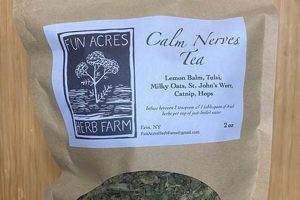
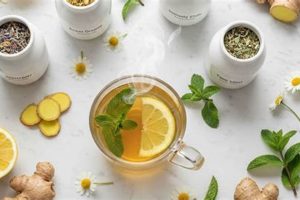
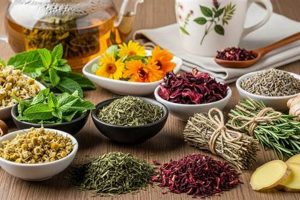
Certain infusions, prepared from dried leaves, flowers, roots, or seeds of various plants, are considered potentially beneficial for individuals managing blood sugar levels. These beverages, unlike traditional teas, do not originate from the Camellia sinensis plant and are therefore caffeine-free in most cases. Examples include infusions derived from cinnamon, ginger, chamomile, and hibiscus.
The potential benefits stem from the bioactive compounds found within these plants. These compounds may contribute to improved insulin sensitivity, reduced inflammation, and antioxidant effects. Historically, many cultures have used botanicals for their perceived medicinal properties, including managing symptoms associated with metabolic disorders. While these beverages are not a replacement for conventional medical treatments, they can be considered as a complementary approach.
The subsequent sections will delve into specific herbal infusions, examining their potential mechanisms of action, supported by scientific evidence, and considerations for safe consumption within a diabetic management plan. Further discussion will explore potential interactions with medications and recommended guidelines for preparation and intake.
Important Considerations for Specific Botanical Infusions
The following points outline essential information for individuals with diabetes considering the incorporation of plant-based infusions into their wellness routine. These are not prescriptive recommendations, but rather points to facilitate informed discussions with healthcare professionals.
Tip 1: Prioritize Consultation: Before introducing any new botanical infusion, consult a physician or qualified healthcare provider. This is crucial to evaluate potential interactions with existing medications and to assess individual suitability based on health status.
Tip 2: Monitor Blood Glucose Levels: Individuals should consistently monitor blood glucose levels when starting a new infusion. This practice allows for the assessment of its impact on glycemic control and informs necessary adjustments to diabetes management strategies.
Tip 3: Be Mindful of Potential Interactions: Certain plants can interact with medications, including those prescribed for diabetes. For example, some botanicals may enhance the effects of blood-thinning medications, requiring careful monitoring and potential dosage adjustments.
Tip 4: Opt for Reputable Sources: Source dried plants from reputable suppliers that adhere to quality control standards. This helps ensure the product’s purity, potency, and safety, minimizing the risk of contamination with harmful substances.
Tip 5: Start with Moderation: When introducing a new botanical infusion, begin with a small serving and gradually increase the amount as tolerated. This approach allows for the identification of any adverse effects or allergic reactions.
Tip 6: Prepare Accurately: Adhere to recommended brewing instructions for each plant. Proper preparation ensures optimal extraction of bioactive compounds and minimizes the risk of consuming excessive amounts or harmful substances.
Tip 7: Consider Individual Sensitivities: Individuals may exhibit varying sensitivities to different plants. Discontinue use immediately if any adverse reactions, such as skin rashes, digestive upset, or breathing difficulties, occur.
Key takeaways include the paramount importance of professional consultation, careful blood glucose monitoring, awareness of potential interactions, sourcing from reputable vendors, and starting with moderate consumption. These considerations promote a responsible and informed approach.
The subsequent section will provide a summary of the information presented and offer concluding remarks on the responsible integration of botanical infusions into a holistic diabetes management strategy.
1. Blood sugar impact

The glycemic response following the consumption of various herbal infusions is a critical factor for individuals with diabetes. The ingestion of certain herbal preparations can influence blood glucose levels either positively, negatively, or neutrally. Positive impacts may include improved insulin sensitivity or a reduction in postprandial glucose spikes. Conversely, some herbs might contain natural sugars that elevate blood glucose. Therefore, careful consideration must be given to the specific composition of each infusion.
For instance, infusions derived from cinnamon have demonstrated potential in some studies to improve insulin sensitivity, thus aiding in blood sugar regulation. Conversely, an infusion containing a high concentration of naturally occurring sugars, though derived from a plant source, could lead to an undesirable increase in blood glucose. Consistent blood glucose monitoring, before and after consumption, is therefore essential to evaluate the actual impact of any specific herbal infusion. This careful assessment allows for adjustments to dietary and medication regimens, optimizing glycemic control.
In summary, the blood sugar impact of herbal infusions used by individuals with diabetes is a highly variable and individualized phenomenon. While certain herbs may offer potential benefits in improving glycemic control, others might pose risks. Through careful selection, mindful monitoring, and consultation with healthcare professionals, individuals can assess the suitability of specific herbal infusions within a comprehensive diabetes management plan. The ultimate goal is to optimize blood sugar levels without compromising safety or effectiveness.
2. Potential interactions

The integration of herbal infusions into the dietary regimen of individuals with diabetes necessitates careful consideration of potential interactions with prescribed medications. These interactions can either potentiate or diminish the effects of conventional treatments, thereby compromising glycemic control and overall health. A thorough understanding of these potential effects is paramount for patient safety.
- Pharmacodynamic Interactions
Pharmacodynamic interactions occur when herbal constituents have additive or antagonistic effects on the same physiological pathways as medications. For example, an infusion with hypoglycemic properties, when combined with insulin or oral antidiabetic drugs, could lead to an increased risk of hypoglycemia. Conversely, herbs that increase blood glucose could counteract the effects of these medications, leading to hyperglycemia and poor disease management.
- Pharmacokinetic Interactions
Pharmacokinetic interactions involve the alteration of drug absorption, distribution, metabolism, or excretion (ADME) by herbal components. Certain herbs can inhibit or induce cytochrome P450 enzymes, which are crucial for metabolizing many medications. Inhibition can increase drug concentrations, leading to toxicity, while induction can decrease drug concentrations, reducing therapeutic efficacy. This is especially relevant for individuals taking medications with narrow therapeutic windows.
- Impact on Coagulation
Some herbs possess anticoagulant or antiplatelet properties. When used concurrently with anticoagulant or antiplatelet medications, such as warfarin or aspirin, the risk of bleeding complications is heightened. Individuals with diabetes are already at an increased risk of cardiovascular events and may be taking these medications, making the concurrent use of such herbal infusions particularly hazardous.
- Influence on Electrolyte Balance
Certain herbal infusions may influence electrolyte balance, particularly potassium and sodium levels. Diuretics, often found in herbal preparations, can lead to potassium depletion, which may be problematic for individuals taking medications that also affect electrolyte levels, such as ACE inhibitors or ARBs used for blood pressure control. Monitoring electrolyte levels is crucial to prevent adverse cardiovascular or renal effects.
The complex nature of these interactions necessitates a collaborative approach between patients and healthcare providers. Comprehensive medication reconciliation, including over-the-counter medications and herbal supplements, is essential. Patients should be educated about potential interactions and instructed to report any adverse effects promptly. Ultimately, the safe and effective use of herbal infusions by individuals with diabetes relies on a thorough understanding of potential interactions and a commitment to informed decision-making.
3. Quality and Source

The quality and source of plant-based infusions are paramount considerations for individuals managing diabetes. Variability in cultivation practices, harvesting techniques, and processing methods can significantly impact the safety and efficacy of these products. Therefore, meticulous attention to the origin and quality control measures employed is essential.
- Purity and Contamination
The potential for contamination with heavy metals, pesticides, or microbial pathogens represents a significant concern. Plants grown in contaminated soils can accumulate heavy metals, posing a health risk to consumers. Similarly, improper pesticide application during cultivation or inadequate post-harvest handling can lead to residue contamination. Selecting products that have undergone rigorous testing for contaminants is crucial to mitigate these risks.
- Authenticity and Species Identification
Accurate species identification is vital to ensure the intended therapeutic benefits. Adulteration with related, but less potent or even harmful, plant species is a recognized issue in the herbal product industry. Reputable suppliers employ botanical experts and utilize analytical techniques, such as DNA barcoding or microscopy, to verify the authenticity of their products. This ensures that consumers receive the intended plant with its corresponding bioactive constituents.
- Standardization and Bioactive Compound Content
The concentration of bioactive compounds can vary substantially depending on factors such as geographic location, climate, and harvesting time. Standardization refers to the process of ensuring a consistent level of one or more key active constituents in the final product. Standardized extracts provide a more predictable therapeutic effect compared to non-standardized preparations. Consumers should seek products that specify the concentration of relevant bioactive compounds on the label.
- Ethical and Sustainable Sourcing
Ethical sourcing practices ensure that the cultivation and harvesting of plants are conducted in an environmentally responsible and socially just manner. Sustainable sourcing practices protect biodiversity and prevent the overexploitation of wild plant populations. Supporting companies that prioritize ethical and sustainable sourcing contributes to the long-term availability of these valuable resources and promotes responsible consumption.
In conclusion, the quality and source of botanical infusions directly influence their safety, efficacy, and sustainability. Individuals with diabetes should prioritize products from reputable suppliers that adhere to stringent quality control standards, ensuring purity, authenticity, standardized bioactive compound content, and ethical sourcing practices. This approach promotes responsible and informed consumption, maximizing potential benefits while minimizing risks.
4. Preparation methods

The method of preparation significantly impacts the chemical composition and, consequently, the potential therapeutic effects of herbal infusions intended for individuals managing diabetes. Infusion time, water temperature, and the ratio of herb to water influence the extraction of bioactive compounds. Under-extraction may result in insufficient concentrations of beneficial constituents, rendering the infusion ineffective. Conversely, over-extraction can release undesirable compounds, potentially leading to adverse effects or altering the palatability of the beverage. For example, prolonged boiling of certain herbs can liberate tannins, imparting a bitter taste and potentially interfering with nutrient absorption. Standardized preparation protocols are thus crucial for ensuring consistent and predictable outcomes.
Decoction, another common preparation method involving simmering herbs in water for an extended period, is often used for tougher plant materials like roots or bark. While decoction can effectively extract compounds from these denser materials, it also increases the risk of over-extraction and degradation of heat-sensitive compounds. The appropriate preparation method must therefore align with the specific plant material and the desired bioactive constituents. Furthermore, the use of filtered water is recommended to minimize the introduction of impurities that could interact with the herbal compounds or negatively impact the individual’s health. The choice of container material can also affect the final product; reactive metals should be avoided to prevent unwanted chemical reactions.
In summary, the preparation method is an integral determinant of the quality and therapeutic potential of herbal infusions intended for diabetic management. Proper infusion or decoction techniques, including precise control over time, temperature, and herb-to-water ratios, are essential for optimizing the extraction of beneficial compounds and minimizing the risk of adverse effects. Adherence to established guidelines and the use of high-quality ingredients contribute to a safer and more effective approach to incorporating herbal infusions into a comprehensive diabetes management plan.
5. Safe dosage

Establishing a safe dosage of herbal infusions for individuals with diabetes is a complex undertaking that necessitates careful consideration. The lack of standardized guidelines and the variability in herbal product composition underscore the need for caution and a personalized approach. Determining an appropriate and safe dosage is critical to maximize potential benefits while minimizing the risk of adverse effects or interactions with existing medications.
- Individual Variability and Sensitivity
Individual responses to herbal infusions vary widely due to factors such as age, body weight, metabolic rate, and pre-existing health conditions. Individuals with diabetes may exhibit heightened sensitivity to certain herbal constituents. Therefore, a conservative approach, starting with a low dose and gradually increasing as tolerated, is generally recommended. Monitoring for any adverse effects is crucial throughout the process.
- Concentration of Bioactive Compounds
The concentration of bioactive compounds in herbal infusions can fluctuate significantly depending on the plant species, growing conditions, harvesting methods, and preparation techniques. A seemingly small quantity of a highly concentrated extract may exert a disproportionately large effect. Always follow manufacturers recommendations and be aware of the concentration of active constituents in the chosen herbal product.
- Potential for Cumulative Effects
Some herbal constituents may accumulate in the body over time, leading to delayed or unexpected adverse effects. Chronic use, even at seemingly low doses, can potentially result in toxicity or interactions with medications. Periodic breaks from herbal supplementation may be warranted to prevent cumulative effects and allow the body to clear any accumulated compounds. Consultation with a healthcare professional is crucial to determine appropriate duration of use.
- Interaction with Diabetic Medications
Herbal infusions can interact with medications commonly prescribed for diabetes, such as insulin and oral hypoglycemic agents. These interactions can either potentiate or diminish the effects of the medications, leading to fluctuations in blood glucose levels. Healthcare providers should be informed about all herbal supplements being used to assess the potential for interactions and adjust medication dosages accordingly. Regular blood glucose monitoring is essential to detect and manage any adverse effects.
In conclusion, determining a safe dosage of herbal infusions for individuals with diabetes necessitates a holistic and individualized approach. Recognizing the influence of factors such as individual variability, concentration of bioactive compounds, potential for cumulative effects, and interactions with diabetic medications is crucial for minimizing risks and optimizing therapeutic outcomes. A collaborative approach between patients and healthcare providers, coupled with careful monitoring, is paramount to ensure the responsible and safe integration of herbal infusions into a comprehensive diabetes management plan.
6. Individual sensitivities
The physiological response to plant-based infusions varies substantially among individuals, rendering personalized assessment critical, particularly for individuals managing diabetes. Pre-existing conditions, genetic predispositions, and concurrent medication use contribute to diverse reactions to herbal constituents. Therefore, generalized recommendations regarding herbal consumption may prove inadequate or even detrimental.
- Allergic Reactions
Allergic reactions, ranging from mild skin irritation to severe anaphylaxis, represent a significant concern. Individuals with known allergies to plants within the same family as those used in herbal infusions exhibit an elevated risk. For example, individuals allergic to ragweed may experience cross-reactivity to chamomile. Careful review of ingredient lists and initial consumption of small quantities are prudent measures to identify potential allergens. Emergency medical intervention may be necessary in cases of severe allergic response.
- Gastrointestinal Distress
Certain herbal constituents can irritate the gastrointestinal tract, leading to symptoms such as nausea, vomiting, abdominal cramping, or diarrhea. Individuals with pre-existing gastrointestinal disorders, such as irritable bowel syndrome (IBS) or inflammatory bowel disease (IBD), may be particularly susceptible. The severity of gastrointestinal distress can vary depending on the specific herb, dosage, and individual sensitivity. Gradual introduction and monitoring of gastrointestinal symptoms are advisable.
- Drug Interactions
Individual variations in drug metabolism, influenced by genetic factors and liver function, affect the likelihood and severity of drug interactions. Certain herbal constituents can inhibit or induce cytochrome P450 enzymes, which play a crucial role in metabolizing various medications, including those commonly prescribed for diabetes. Such interactions can alter drug concentrations, leading to either reduced efficacy or increased toxicity. Comprehensive medication reconciliation and consultation with a healthcare provider are essential to identify and mitigate potential drug interactions.
- Impact on Blood Glucose Control
While some herbal infusions are purported to possess hypoglycemic properties, their effects on blood glucose levels can vary substantially among individuals. Factors such as insulin sensitivity, carbohydrate intake, and physical activity influence the glycemic response to herbal constituents. Some individuals may experience a beneficial reduction in blood glucose, while others may exhibit minimal or even adverse effects. Regular self-monitoring of blood glucose is crucial to assess the individual impact of specific herbal infusions and adjust diabetes management strategies accordingly.
The multifaceted nature of individual sensitivities underscores the importance of a cautious and personalized approach to herbal infusion use for individuals with diabetes. Prior consultation with a healthcare professional, thorough assessment of potential risks, and vigilant monitoring of physiological responses are essential components of a safe and effective strategy.
Frequently Asked Questions Regarding Herbal Infusions and Diabetes
The following questions address common concerns and misconceptions surrounding the use of herbal infusions by individuals with diabetes. The answers provided are intended for informational purposes only and should not be interpreted as medical advice. Consultation with a qualified healthcare professional is essential before incorporating any herbal infusions into a diabetes management plan.
Question 1: Are all herbal infusions safe for individuals with diabetes?
No, not all herbal infusions are safe. Certain herbs can interact negatively with diabetes medications, potentially leading to hypoglycemia or hyperglycemia. Furthermore, some infusions may contain natural sugars that could elevate blood glucose levels. Careful consideration and consultation with a healthcare provider are crucial.
Question 2: Can herbal infusions replace conventional diabetes medication?
Herbal infusions should not be considered a replacement for prescribed diabetes medications. They may serve as a complementary approach, but should never be used to substitute or alter a prescribed treatment regimen without the explicit guidance of a physician. Abruptly discontinuing medication can have serious health consequences.
Question 3: How can an individual with diabetes determine the correct dosage of an herbal infusion?
Determining the correct dosage is complex and requires individualized assessment. Factors such as body weight, metabolic rate, and concurrent medication use influence the appropriate dosage. It is generally advisable to start with a low dose and gradually increase as tolerated, while closely monitoring blood glucose levels and for any adverse effects. Consultation with a qualified herbalist or healthcare professional is recommended.
Question 4: What are the potential risks associated with using herbal infusions while taking diabetes medication?
The primary risks involve potential interactions with diabetes medications, leading to either increased or decreased drug efficacy. Some herbs can potentiate the effects of insulin or oral hypoglycemic agents, increasing the risk of hypoglycemia. Others may interfere with drug absorption or metabolism, reducing their effectiveness and potentially leading to hyperglycemia. Monitoring blood glucose levels and informing healthcare providers are essential to mitigate these risks.
Question 5: How can one ensure the quality and purity of herbal infusions?
To ensure quality and purity, it is essential to source herbal infusions from reputable suppliers that adhere to stringent quality control standards. Look for products that have been tested for contaminants such as heavy metals, pesticides, and microbial pathogens. Verify that the product label accurately identifies the plant species and, if possible, look for standardized extracts with known concentrations of active constituents.
Question 6: Are there specific herbal infusions that are generally considered safer or more beneficial for individuals with diabetes?
While some research suggests potential benefits from herbs like cinnamon, chamomile, and ginger, the evidence is not conclusive, and individual responses may vary. No herbal infusion is universally safe or beneficial for all individuals with diabetes. Each person’s situation is unique, and a personalized approach, guided by a healthcare professional, is crucial to determine the suitability of specific herbal infusions.
In summary, the use of herbal infusions by individuals with diabetes requires careful consideration, consultation with healthcare professionals, and vigilant monitoring. Herbal infusions are not a substitute for conventional medical treatments, and their potential benefits and risks must be thoroughly evaluated on an individual basis.
The subsequent section will provide concluding remarks, emphasizing the importance of responsible and informed decision-making when considering herbal infusions as part of a comprehensive diabetes management strategy.
Conclusion
The preceding exploration of “herbal tea for diabetics” reveals a complex landscape demanding diligent scrutiny. While anecdotal evidence and preliminary studies suggest potential benefits for glycemic control, these findings must be interpreted cautiously. Significant risks, including interactions with medications and individual sensitivities, necessitate thorough evaluation by qualified healthcare professionals. The quality and sourcing of herbal products also present critical considerations that cannot be overlooked.
Ultimately, the responsible integration of botanical infusions into a diabetes management plan hinges on informed decision-making. Individuals must prioritize consultation with their healthcare providers, engage in diligent self-monitoring, and exercise caution when selecting and preparing herbal products. The path forward requires rigorous scientific investigation to definitively establish the efficacy and safety of specific herbal infusions for this vulnerable population. Until such evidence is available, a measured and conservative approach is warranted.