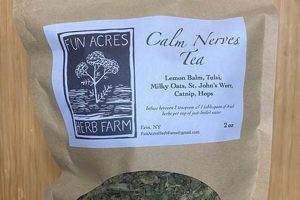
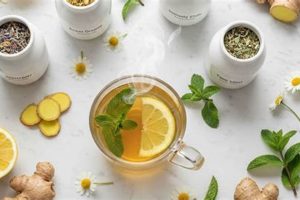
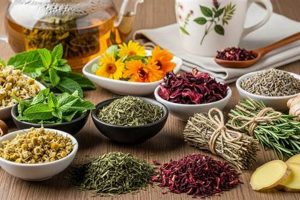
An establishment centered around the provision of infusions made from herbs, spices, and other plant materials, offers a curated beverage experience. These spaces often feature a tranquil setting and a diverse menu that highlights the therapeutic properties of various botanical ingredients. For instance, one might find chamomile tea intended for relaxation, ginger tea for digestive support, or blends tailored for specific wellness goals.
Such establishments contribute to a growing interest in natural remedies and holistic wellness practices. Historically, the preparation and consumption of plant-based infusions have been integral to many cultures, providing not only hydration but also a source of vitamins, minerals, and antioxidants. These venues provide a modern iteration of this tradition, offering accessible and informative environments for individuals seeking alternatives to conventional beverages and exploring the potential health advantages of herbal ingredients.
The subsequent sections will delve into the specific types of offerings commonly found, the potential health implications associated with their consumption, and considerations for establishing and maintaining such a business.
The following guidelines are designed to assist individuals in making informed choices and maximizing the potential benefits when frequenting establishments specializing in botanical beverages.
Tip 1: Inquire About Ingredient Sourcing. Understand the origin and quality of the herbs used. Opt for establishments that prioritize organic or sustainably sourced ingredients to minimize exposure to pesticides and ensure environmental responsibility.
Tip 2: Consult with Knowledgeable Staff. Engage with staff members who possess a comprehensive understanding of the properties and potential interactions of different herbs. This enables a more tailored and informed beverage selection.
Tip 3: Consider Individual Health Conditions. Be mindful of any pre-existing medical conditions, allergies, or medications being taken. Certain herbs can interact with pharmaceuticals or exacerbate specific health issues. Consultation with a healthcare professional is advised when necessary.
Tip 4: Evaluate the Preparation Methods. Observe how the infusions are prepared. Proper steeping times and water temperatures are crucial for extracting the optimal therapeutic compounds from the herbs while avoiding the release of unwanted bitter substances.
Tip 5: Moderate Consumption. While generally safe, excessive consumption of certain herbal infusions can lead to adverse effects. Adhere to recommended serving sizes and avoid overconsumption, particularly with potent or stimulant-containing herbs.
Tip 6: Explore Diverse Flavor Profiles. Venture beyond familiar options and explore the wide range of flavor profiles available. This can enhance the overall experience and introduce individuals to the diverse benefits of various botanical combinations.
Tip 7: Assess the Hygiene Standards. Ensure that the establishment adheres to stringent hygiene protocols. This includes clean equipment, proper food handling practices, and a sanitary environment to minimize the risk of contamination.
The responsible enjoyment of herbal infusions involves mindful selection, informed consumption, and an awareness of individual health needs. By adhering to these guidelines, patrons can optimize the potential benefits and mitigate potential risks associated with these botanical beverages.
The subsequent sections will explore practical considerations for establishing and managing an establishment dedicated to these specialized beverages.
1. Botanical Sourcing

The relationship between botanical sourcing and the efficacy and reputation of a facility is inextricable. The origin and quality of the herbs directly influence the flavor profiles, therapeutic properties, and overall consumer experience. Sourcing practices dictate whether the establishment can consistently offer high-quality infusions that meet the expectations of health-conscious patrons. For example, an establishment sourcing chamomile from a reputable organic farm will likely provide a more potent and flavorful infusion, yielding superior relaxation benefits compared to one using lower-grade, conventionally grown chamomile. The selection of sourcing methods reflects the facility’s commitment to quality, sustainability, and ethical practices, directly impacting its brand image and customer loyalty.
Furthermore, the sourcing process can have significant economic implications. Establishing direct relationships with local growers or suppliers can reduce costs and ensure a more stable supply chain, particularly for specialized or rare herbs. Conversely, reliance on unreliable or unethical suppliers can lead to fluctuations in product quality, inventory shortages, and potential reputational damage. Consider a facility that initially prioritized cost savings by sourcing herbs from an unverified source, only to discover the herbs were contaminated with pesticides. This necessitated a costly recall, damaged consumer trust, and ultimately undermined the facility’s long-term viability. Transparency in sourcing, including traceability and clear labeling of ingredients, is paramount for building consumer confidence.
In conclusion, botanical sourcing is a cornerstone of a successful establishment. Prioritizing sustainable, ethical, and quality-focused sourcing practices is not merely a matter of operational efficiency; it is fundamental to upholding the integrity of the product, ensuring consumer satisfaction, and establishing a positive and enduring reputation within the wellness community. Ignoring the critical link between botanical sourcing and the overall success can lead to detrimental consequences for both the facility and its clientele.
2. Infusion Expertise
Infusion expertise is the bedrock upon which the credibility and quality of any establishment specializing in botanical beverages are built. Without a deep understanding of herbal properties, extraction methods, and flavor pairings, such a business risks providing substandard products and potentially endangering its clientele.
- Botanical Knowledge
A comprehensive understanding of plant constituents is paramount. This includes identifying herbs, knowing their medicinal properties, and understanding potential contraindications. For example, a knowledgeable staff member would be able to advise a pregnant customer against consuming certain herbs known to induce labor. Lack of this expertise can lead to harmful recommendations and erode consumer trust.
- Extraction Techniques
The method used to extract the beneficial compounds from herbs significantly impacts the final product. Factors such as water temperature, steeping time, and the type of brewing equipment employed all play crucial roles. Improper extraction can result in weak infusions with diminished therapeutic value or overly bitter brews that deter customers. A skilled practitioner understands the nuances of each herb and tailors the extraction process accordingly.
- Flavor Profiling and Blending
Creating palatable and balanced infusions requires an understanding of flavor interactions. Combining herbs with complementary flavor profiles can enhance the overall experience, while clashing flavors can render a beverage unappetizing. An expert blender can craft complex and nuanced infusions that appeal to a wide range of palates, attracting a diverse clientele. For instance, the careful pairing of lavender and chamomile can create a calming and floral blend, while an inexperienced attempt might result in a soapy and unbalanced concoction.
- Quality Control
Maintaining consistent quality requires rigorous quality control measures. This includes visually inspecting herbs for contaminants, verifying the authenticity of sourced ingredients, and regularly tasting infusions to ensure they meet established standards. Implementing a robust quality control system safeguards against inconsistent products and reinforces the establishment’s commitment to excellence.
The interplay of botanical knowledge, extraction techniques, flavor profiling, and quality control measures is what defines true infusion expertise. The absence of even one of these facets can compromise the integrity and appeal of the offerings, ultimately impacting the success and sustainability of the specialized establishment.
3. Atmosphere Design
Atmosphere design plays a pivotal role in shaping the consumer experience within establishments that specialize in herbal beverages. The intentional curation of the physical environment directly influences customer perception, relaxation, and overall satisfaction, thereby affecting repeat business and brand loyalty.
- Sensory Stimulation
Sensory stimulation encompasses the strategic use of lighting, sound, scent, and tactile elements to create a cohesive and immersive environment. For example, soft, diffused lighting and natural soundscapes can promote relaxation, while carefully selected aromatherapy scents can complement the therapeutic properties of the beverages offered. The absence of intentional sensory design can result in a jarring or uninviting space, detracting from the overall experience.
- Spatial Arrangement
Spatial arrangement refers to the layout and organization of the physical space. Consider the strategic placement of seating areas to encourage social interaction or provide secluded spaces for contemplation. Efficient flow and intuitive navigation can enhance customer comfort and ease of movement. Inefficient or cluttered layouts can lead to frustration and a diminished sense of tranquility.
- Aesthetic Consistency
Aesthetic consistency involves maintaining a unified visual theme that aligns with the brand identity and target demographic. This includes the selection of colors, materials, furniture, and decorative elements. A cohesive aesthetic reinforces the brand message and creates a sense of professionalism and attention to detail. A lack of aesthetic coherence can project a sense of disorganization or inauthenticity.
- Integration with Nature
Integration with nature emphasizes the incorporation of natural elements, such as plants, natural light, and organic materials, into the design. Biophilic design principles suggest that connecting with nature can reduce stress, improve mood, and enhance overall well-being. Bringing elements of nature indoors can create a calming and restorative atmosphere. A sterile or artificial environment can feel disconnected from the natural healing properties associated with herbal remedies.
The integration of these facets within the atmosphere design directly influences the overall perception and value proposition of establishments centered on herbal teas. A thoughtfully designed environment enhances the experience, promotes relaxation, and cultivates a sense of well-being, reinforcing the therapeutic benefits associated with the consumption of herbal infusions.
4. Menu Curation
Menu curation within an establishment specializing in botanical infusions directly influences customer satisfaction, revenue generation, and brand differentiation. The selections offered act as a primary touchpoint, conveying the establishment’s expertise, values, and commitment to quality. Thoughtful curation considers not only the flavor profiles and perceived benefits of various herbs but also potential allergens, contraindications, and sourcing practices. For example, a menu listing chamomile for relaxation but failing to clearly state its potential interaction with blood-thinning medications exposes the establishment to liability and damages consumer trust.
Effective menu curation necessitates a balance between tradition and innovation. Familiar offerings like peppermint and ginger may attract a wider audience, while unique blends featuring lesser-known herbs can cater to adventurous palates and establish a distinct brand identity. Consider the case of a business that successfully introduced a blend of tulsi, rose, and cardamom, marketed for its adaptogenic properties and appealing flavor. This innovation broadened their customer base and fostered a perception of expertise. Conversely, a menu lacking in variety or failing to reflect seasonal availability risks becoming stale and losing customer interest. Furthermore, detailed descriptions, highlighting the origin, flavor notes, and potential benefits of each infusion, empower consumers to make informed choices and enhance their overall experience.
In conclusion, menu curation is an indispensable aspect of a successful establishment. Prioritizing informed selection, clear communication, and ongoing innovation is crucial for attracting and retaining customers, ensuring responsible consumption practices, and differentiating the business within a competitive market. The intentional design of the menu is not simply a list of offerings, but a strategic tool for communicating values, cultivating trust, and fostering a positive and enriching experience for the consumer.
5. Health & Safety

Maintaining stringent health and safety protocols within an establishment specializing in botanical beverages is paramount, directly impacting consumer well-being and business sustainability. The preparation and handling of herbal infusions present unique risks if not managed with meticulous attention to detail. Contamination from improperly stored herbs, cross-contamination during preparation, and inaccurate information regarding allergenic ingredients pose significant hazards. The consequences can range from mild allergic reactions to severe health complications, potentially leading to legal liabilities and irreparable damage to the business’s reputation. An example is a facility neglecting proper sanitation practices and subsequently experiencing a norovirus outbreak among patrons, resulting in mandatory closure and substantial financial losses. The implementation of rigorous standards, encompassing ingredient sourcing, preparation techniques, and staff training, is therefore essential.
Effective health and safety management also involves clear communication and accurate labeling. Customers must be informed about the ingredients in each infusion, including potential allergens or contraindications. Detailed ingredient lists, prominently displayed on menus or readily available upon request, empower individuals to make informed choices based on their health conditions and dietary restrictions. Consider a scenario where a facility inaccurately labels an infusion, omitting the presence of a potent herb that interacts negatively with a customer’s medication. Such negligence could have severe health consequences, underscoring the critical importance of accurate and transparent communication. Furthermore, adherence to local health codes and regular inspections are vital for ensuring ongoing compliance and maintaining a safe environment.
In conclusion, the integration of comprehensive health and safety measures is not merely a regulatory obligation but a fundamental component of a responsible establishment. From meticulous ingredient sourcing and preparation to transparent communication and adherence to regulations, these practices safeguard consumer health, protect the business’s reputation, and foster a culture of trust and well-being. Failure to prioritize health and safety jeopardizes the very foundation upon which these specialized businesses are built.
6. Community Engagement
The success of an establishment specializing in herbal beverages is intrinsically linked to its integration within the local community. Proactive community engagement fosters a sense of belonging, builds brand loyalty, and generates positive word-of-mouth referrals. The operation of a herbal tea house in isolation, devoid of community interaction, risks limited reach and reduced potential for long-term sustainability. Consider a business that partners with local farmers to source ingredients, simultaneously supporting regional agriculture and showcasing its commitment to fresh, locally grown herbs. This action not only enhances the quality of offerings but also garners community goodwill and positive media attention. Failure to actively engage with the surrounding area often results in reduced customer traffic and a perceived disconnect from the community’s values and needs.
Effective community engagement can manifest through various strategies. Hosting workshops on herbal remedies and wellness practices provides educational opportunities and positions the business as a trusted resource. Collaborating with local artists to display their work within the establishment creates a unique atmosphere and supports the creative economy. Participating in community events, such as farmers’ markets and festivals, increases visibility and allows for direct interaction with potential customers. A practical application involves establishing a loyalty program that rewards repeat customers and encourages them to spread the word about the business. Conversely, neglecting these opportunities can lead to missed connections and a diminished sense of community ownership. For instance, a business that actively sponsors local charities or sports teams fosters a positive image and strengthens its ties to the community.
In summary, community engagement is not merely a marketing tactic but a fundamental component of a thriving establishment. Building strong relationships with local residents, businesses, and organizations is essential for long-term success. By actively participating in community events, supporting local initiatives, and providing valuable resources, a “herbal tea house” can cultivate a loyal customer base, enhance its reputation, and contribute to the overall well-being of the community it serves. Overcoming the challenge of limited resources or time to dedicate to community engagement requires strategic planning and prioritization of initiatives that align with the business’s mission and values.
Frequently Asked Questions Regarding Establishments Specializing in Herbal Infusions
The following questions address common inquiries and misconceptions surrounding establishments centered around the provision of herbal beverages, offering clarification and guidance for prospective patrons and industry participants.
Question 1: What distinguishes a “herbal tea house” from a conventional tea room?
The primary distinction lies in the focus. A “herbal tea house” emphasizes infusions made from a wide variety of herbs, spices, and botanicals, often highlighting their potential therapeutic properties. Conventional tea rooms typically center on Camellia sinensis teas (black, green, white, oolong) with herbal offerings as secondary options.
Question 2: Are the beverages offered at such establishments safe for everyone?
Not necessarily. Certain herbs can interact with medications or exacerbate pre-existing health conditions. Individuals with allergies, pregnant or breastfeeding women, and those taking prescription drugs should consult with a healthcare professional before consuming herbal infusions.
Question 3: Are claims regarding the health benefits of herbal infusions scientifically substantiated?
The scientific evidence supporting the health benefits of various herbs is variable. Some herbs have demonstrated efficacy in clinical trials, while others lack rigorous scientific validation. Claims made by the establishment should be viewed with cautious skepticism and verified with reliable sources.
Question 4: What measures are taken to ensure the quality and safety of the herbal ingredients?
Reputable establishments prioritize sourcing from reputable suppliers who adhere to quality control standards. Inquiry regarding sourcing practices and certifications (e.g., organic, fair trade) is encouraged.
Question 5: Can a “herbal tea house” provide medical advice or diagnoses?
No. Establishments specializing in herbal infusions are not qualified to provide medical advice or diagnoses. Information provided should not be construed as a substitute for professional medical consultation.
Question 6: Are there specific regulations governing the operation of these establishments?
Regulations vary depending on the jurisdiction. Establishments are typically subject to food safety regulations and may be required to obtain specific permits or licenses. Compliance with labeling requirements and adherence to advertising standards are also critical.
The information presented herein serves as a general guide and should not be considered exhaustive. Responsible patronage involves informed decision-making and consultation with qualified healthcare professionals when appropriate.
The subsequent section will explore emerging trends and future directions within the specialized industry of botanical beverage establishments.
Conclusion
This exploration has illuminated the multi-faceted nature of the “herbal tea house” concept. From botanical sourcing and infusion expertise to atmosphere design, menu curation, health & safety protocols, and community engagement, each element contributes to the overall viability and success of such an establishment. The provision of safe, high-quality herbal beverages necessitates a commitment to informed practices and transparent communication with consumers.
As interest in natural remedies and holistic wellness continues to grow, the future of the “herbal tea house” sector depends on embracing responsible practices and fostering informed consumer choices. The industry must prioritize ethical sourcing, scientific validation of health claims, and adherence to stringent safety standards to maintain credibility and ensure sustainable growth. Continued innovation in botanical blends and integration with community needs will be critical for long-term success.