The utilization of plant-derived substances to alleviate the symptoms associated with conjunctivitis, commonly known as pink eye, represents a long-standing tradition in various cultures. These approaches often involve the application of specific botanical extracts or preparations believed to possess anti-inflammatory, antimicrobial, or soothing properties to address the discomfort and infection associated with this condition.
Historically, plant-based treatments have served as primary care options for numerous ailments, including eye infections, particularly in regions with limited access to conventional medical resources. The appeal lies in their perceived naturalness and, in some instances, anecdotal evidence of efficacy passed down through generations. Proponents suggest that certain botanical compounds may offer benefits by reducing inflammation, combating pathogens, and promoting tissue healing in the affected eye.
The subsequent sections will delve into specific botanicals frequently cited for their potential application in managing conjunctivitis, examining the scientific basis for their purported benefits, and addressing crucial considerations regarding safety and appropriate usage. This includes a review of current research and a discussion of potential risks.
Guidance on Botanical Approaches for Conjunctivitis Relief
The following recommendations are provided to offer informed insights into the use of plant-derived treatments for managing the symptoms associated with conjunctivitis. Prior consultation with a healthcare professional is strongly advised before implementing any alternative therapy.
Tip 1: Prioritize Hygiene: Diligent hand washing before and after touching the affected eye is paramount in preventing the spread of infection. Cleanse the eye area gently with a sterile saline solution.
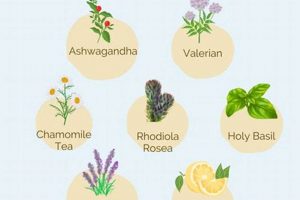
Tip 2: Chamomile Compresses: Employ cooled chamomile tea compresses to potentially alleviate inflammation and soothe irritated eyes. Ensure the tea is strained thoroughly to remove any particulate matter.
Tip 3: Calendula Applications: Calendula, recognized for its anti-inflammatory properties, may be used in diluted form to gently cleanse the eye area. Exercise caution to avoid direct contact with the eyeball.
Tip 4: Euphrasia (Eyebright) Preparations: Consider using commercially available, sterile Euphrasia eyewash solutions to help reduce redness and discomfort. Adhere strictly to the manufacturer’s instructions.
Tip 5: Turmeric’s Anti-Inflammatory Potential: While direct application to the eye is not recommended, oral consumption of turmeric, known for its curcumin content, may indirectly support the body’s inflammatory response. Consult a physician for appropriate dosage.
Tip 6: Proper Dilution is Crucial: When using any herbal extract, ensuring proper dilution is essential to prevent further irritation or adverse reactions. Always test a small amount on a less sensitive area first.
Tip 7: Monitor for Allergic Reactions: Be vigilant for any signs of allergic reaction, such as increased redness, itching, or swelling. Discontinue use immediately if such symptoms arise.
The implementation of these suggestions should be coupled with careful observation of symptoms. Should symptoms persist or worsen, immediate medical attention is required.
The information provided herein is not intended to replace conventional medical treatment. The subsequent section will address potential risks and the importance of seeking professional evaluation for conjunctivitis.
1. Preparation Methods

The efficacy and safety of plant-derived treatments for conjunctivitis are inextricably linked to the specific methods employed in their preparation. Improper preparation can render potentially beneficial substances ineffective or, worse, introduce contaminants that exacerbate the condition. Therefore, a rigorous understanding of suitable preparation techniques is essential for any individual considering such remedies.
- Infusion Techniques
Infusion involves steeping plant material in hot water to extract soluble compounds. For ocular applications, stringent hygiene is crucial. Only sterile water should be used, and the resulting infusion must be carefully filtered to remove any particulate matter that could irritate the eye. Examples include chamomile or calendula infusions, where the therapeutic compounds are gently extracted for their anti-inflammatory properties. Insufficient filtration can lead to further eye irritation, negating any potential benefits.
- Decoction Processes
Decoction is the process of boiling plant material in water to extract medicinal components. This method is generally reserved for tougher plant parts like roots or bark. While less common for eye preparations due to the harsher extraction process, if used, meticulous filtration and dilution are paramount to prevent irritation. For instance, some traditional remedies might involve a decoction of specific roots, but its direct application to the eye requires extreme caution and is generally discouraged.
- Extraction Medium Selection
The choice of solvent or medium used for extraction significantly impacts the final composition and potency of the preparation. Water is common for infusions and decoctions, but alcohol or glycerine may be used in tinctures. For eye preparations, only sterile water or specifically formulated ophthalmic solutions are appropriate. The use of alcohol-based tinctures near the eye is strictly contraindicated due to the potential for severe irritation and damage.
- Sterilization Procedures
Maintaining sterility throughout the preparation process is non-negotiable. Eye infections are highly susceptible to exacerbation by microbial contamination. All equipment, including containers and utensils, must be thoroughly sterilized before use. Homemade preparations lacking proper sterilization procedures pose a significant risk of introducing harmful bacteria or fungi, potentially leading to more severe complications than the initial conjunctivitis.
In conclusion, the methods used to prepare plant-based treatments for conjunctivitis directly influence their safety and effectiveness. Emphasizing sterile conditions, appropriate extraction techniques, and the selection of safe mediums are critical for minimizing risks and maximizing potential therapeutic benefits. The complexity and potential hazards underscore the importance of consulting with qualified healthcare professionals before attempting to use such remedies.
2. Administration Routes

The method of administration dictates the extent to which a plant-derived substance can exert its therapeutic effect on conjunctivitis. The conjunctival sac’s delicate nature necessitates careful consideration of delivery mechanisms to maximize efficacy and minimize potential harm. Topical applications, such as eye washes or compresses, are the most direct route, allowing the plant’s constituents to interact with the affected tissue. Oral administration, while less direct, may address underlying systemic factors contributing to the inflammatory response. The choice of route is not arbitrary; it reflects the substance’s properties, the infection’s severity, and potential for adverse effects. For example, a diluted chamomile infusion, meticulously filtered, can be applied as a gentle eyewash, leveraging its anti-inflammatory compounds to soothe irritation. Conversely, direct application of undiluted essential oils is contraindicated due to the risk of severe corneal damage.
Practical application of this understanding extends to product selection. Sterile, commercially prepared eyewashes containing plant extracts, such as Euphrasia (eyebright), offer a standardized and controlled dosage, mitigating the risks associated with homemade preparations. Proper administration technique is equally important. Eye washes must be applied with sterile equipment to avoid introducing further contaminants. Compresses should be made with freshly prepared infusions, cooled to a comfortable temperature, and applied gently to the closed eyelid. The duration and frequency of administration also influence therapeutic outcomes, requiring adherence to established guidelines or healthcare professional recommendations. Ignoring these parameters can compromise the treatment’s effectiveness or, in extreme cases, exacerbate the condition.
In summary, the administration route represents a critical determinant in the safety and efficacy of plant-based approaches to conjunctivitis management. Thoughtful selection of the delivery method, coupled with adherence to stringent hygiene practices, underscores responsible application. The challenges lie in the variability of plant constituents and the potential for inaccurate self-diagnosis. Therefore, any consideration of plant-derived therapies for conjunctivitis warrants consultation with a qualified healthcare provider to ensure appropriate route selection, dosage, and monitoring for adverse effects.
3. Potential interactions

The concurrent use of botanical treatments for conjunctivitis alongside conventional medications or other plant-derived therapies presents a potential for interactions that can significantly impact patient outcomes. These interactions may arise from synergistic, additive, or antagonistic effects, altering the absorption, metabolism, or excretion of concurrently administered substances. A lack of comprehensive understanding of these interactions could lead to reduced efficacy of either treatment modality or increased risk of adverse effects. For instance, certain herbal extracts, when combined with prescription anti-inflammatory eye drops, may potentiate the anti-inflammatory response, leading to corneal thinning or other complications. Conversely, other herbal preparations could interfere with the absorption of prescription antibiotics used to treat bacterial conjunctivitis, thus rendering the antibiotic less effective. The complexity of plant-based compounds, coupled with individual patient variability in metabolism and sensitivity, necessitates careful consideration of potential interactions.
Detailed record-keeping of all substances used, including both prescription and over-the-counter medications, as well as any botanical remedies, is essential for identifying potential interactions. Pharmacokinetic interactions, affecting drug absorption, distribution, metabolism, and excretion, are of particular concern. For example, some herbal remedies might inhibit cytochrome P450 enzymes in the liver, which are responsible for metabolizing a wide range of drugs. This inhibition could lead to elevated levels of prescription medications in the bloodstream, increasing the risk of toxicity. Pharmacodynamic interactions, where two substances have similar or opposing effects on the body, also require careful monitoring. Concurrent use of multiple anti-inflammatory agents, whether herbal or pharmaceutical, can increase the risk of gastrointestinal bleeding or other adverse events. Furthermore, the variability in the quality and composition of commercially available herbal products adds another layer of complexity, making it difficult to predict the likelihood and severity of potential interactions.
In conclusion, the potential for interactions between botanical therapies for conjunctivitis and conventional medications or other herbal remedies is a critical consideration for patient safety. The unpredictable nature of these interactions, coupled with individual patient variability, underscores the importance of comprehensive medication reconciliation and close monitoring by a qualified healthcare professional. The lack of rigorous scientific data on the interactions of many herbal remedies necessitates a cautious approach and emphasizes the need for open communication between patients and their healthcare providers regarding all substances being used. The safest approach involves prioritizing evidence-based treatments and discussing any complementary or alternative therapies with a physician or pharmacist.
4. Efficacy validation

Rigorous assessment of efficacy constitutes a critical component in evaluating the potential application of plant-derived substances for managing conjunctivitis, commonly known as pink eye. Without scientifically sound validation, claims of therapeutic benefit remain unsubstantiated, and patients risk utilizing treatments that are ineffective or potentially harmful.
- Randomized Controlled Trials (RCTs)
RCTs represent the gold standard for evaluating the efficacy of any medical intervention, including herbal remedies. These trials involve randomly assigning participants with conjunctivitis to either a treatment group receiving the herbal remedy or a control group receiving a placebo or standard treatment. Blinding, where neither the participants nor the researchers know who is receiving which treatment, minimizes bias. The outcomes, such as symptom resolution time or reduction in inflammation, are then compared between the groups. A statistically significant difference in favor of the herbal remedy group provides evidence of efficacy. However, the absence of such trials or poorly designed studies limits the reliability of any positive claims.
- Standardized Herbal Preparations
Efficacy validation necessitates the use of standardized herbal preparations. The chemical composition of plant materials can vary significantly depending on factors such as growing conditions, harvesting methods, and processing techniques. Standardizing the preparation ensures that each batch contains a consistent amount of the active compounds believed to be responsible for the therapeutic effect. Without standardization, it becomes difficult to replicate study results or to determine the appropriate dosage. For example, if a study uses a chamomile extract standardized to a specific concentration of apigenin, a flavonoid with anti-inflammatory properties, then subsequent studies and clinical use should also employ a preparation with a similar apigenin content.
- Objective Outcome Measures
The assessment of efficacy should rely on objective outcome measures whenever possible. Subjective measures, such as patient-reported symptom scores, can be influenced by placebo effects or reporting biases. Objective measures, such as conjunctival redness assessed using standardized grading scales, tear film breakup time, or microbial cultures, provide a more reliable assessment of treatment effectiveness. The combination of both subjective and objective measures can provide a more comprehensive understanding of the treatment’s impact.
- Meta-Analyses and Systematic Reviews
Meta-analyses and systematic reviews synthesize the results of multiple studies to provide a more robust estimate of treatment efficacy. These analyses pool data from individual studies, increasing the statistical power to detect a treatment effect. Systematic reviews also assess the quality of the included studies, identifying potential sources of bias. A meta-analysis of multiple RCTs demonstrating a statistically significant benefit of a specific herbal remedy for conjunctivitis would provide stronger evidence of efficacy than any single study alone.
In summary, efficacy validation forms the bedrock of responsible utilization of plant-derived treatments for conjunctivitis. The application of rigorous scientific methodologies, including randomized controlled trials, standardized herbal preparations, objective outcome measures, and meta-analyses, is essential for determining whether these remedies offer true therapeutic benefit. The absence of such validation should prompt caution and emphasize the need for prioritizing evidence-based conventional treatments.
5. Safety considerations

The application of botanical treatments for conjunctivitis, commonly termed pink eye, necessitates a rigorous evaluation of safety considerations. The delicate nature of ocular tissues renders them particularly vulnerable to adverse reactions from improperly prepared or administered herbal remedies. A fundamental aspect of safe herbal use lies in accurately identifying the specific plant species employed, as misidentification can lead to the utilization of toxic substances. For instance, mistaking comfrey (Symphytum officinale), containing pyrrolizidine alkaloids harmful to the liver, for another seemingly similar plant could have severe systemic consequences, even if applied topically near the eye. Therefore, proper authentication by a qualified botanist or herbalist is paramount. The absence of such verification introduces unacceptable risk.
Furthermore, concentration and dosage pose critical safety challenges. Herbal extracts, even when derived from generally recognized as safe (GRAS) plants, can cause irritation or allergic reactions if used in excessive concentrations. Direct application of undiluted essential oils, for example, is strictly contraindicated due to their potential for corneal damage. Proper dilution techniques, using sterile water or saline solution, are essential to minimize the risk of adverse effects. Pre-prepared, commercially available herbal eyewashes often provide a more reliable approach to ensure consistent and safe concentrations. Moreover, contamination represents a significant concern. Homemade preparations, if not prepared under sterile conditions, can introduce bacteria, fungi, or other microorganisms, exacerbating the existing infection or leading to more severe complications. Strict adherence to sterile preparation techniques, including the use of sterilized equipment and purified water, is crucial for minimizing the risk of contamination. A failure to maintain these standards can transform a simple case of conjunctivitis into a sight-threatening infection.
In conclusion, integrating safety considerations into the use of herbal remedies for conjunctivitis is not merely advisable but indispensable. Precise identification, appropriate dilution, and stringent sterility protocols represent foundational pillars of responsible herbal application. The potential for misidentification, improper concentration, and contamination underscores the inherent risks associated with self-treatment. A proactive approach that prioritizes patient safety necessitates consultation with a qualified healthcare professional prior to initiating any herbal regimen for pink eye. This consultation should encompass a thorough assessment of potential allergies, interactions with existing medications, and the overall appropriateness of herbal therapy in the context of individual patient circumstances. Blind faith in “natural” remedies without a concomitant commitment to safety represents a dereliction of responsible self-care.
Frequently Asked Questions Regarding Botanical Approaches for Conjunctivitis
The following section addresses common inquiries concerning the application of plant-derived substances for the management of conjunctivitis. The responses provided aim to offer clarity and informed perspective on this topic.
Question 1: Is reliance solely on botanical treatments for conjunctivitis advisable?
Sole reliance on plant-based therapies for conjunctivitis, particularly in cases of suspected bacterial infection or severe symptoms, is generally not advisable. Conjunctivitis can stem from various causes, including bacterial, viral, or allergic origins. A comprehensive medical diagnosis is essential to determine the underlying cause and guide appropriate treatment. Conventional medical treatments, such as antibiotic eye drops for bacterial infections, may be necessary to prevent complications and ensure timely resolution. While certain botanical remedies may provide symptomatic relief, they should not be considered a substitute for evidence-based medical care.
Question 2: What are the potential risks associated with using unverified herbal preparations for eye infections?
The use of unverified herbal preparations for eye infections carries significant risks. These risks include exposure to contaminants, such as bacteria or fungi, which can exacerbate the infection or lead to more severe complications. Additionally, the concentration of active compounds in unverified preparations may vary widely, making it difficult to achieve a consistent and safe dosage. Some plants may also contain toxic substances that can cause irritation, allergic reactions, or even permanent damage to the eye. Prior consultation with a qualified healthcare professional or experienced herbalist is imperative to mitigate these risks.
Question 3: Can herbal remedies effectively treat bacterial conjunctivitis?
While certain botanical substances possess antimicrobial properties, their efficacy against bacterial conjunctivitis remains largely unproven. Bacterial conjunctivitis typically requires treatment with antibiotic eye drops prescribed by a medical doctor. Attempting to treat bacterial conjunctivitis solely with herbal remedies may delay appropriate medical care and potentially lead to complications, such as corneal ulceration or spread of the infection.
Question 4: Are there specific herbal ingredients that should be avoided when treating conjunctivitis?
Several herbal ingredients should be avoided when treating conjunctivitis due to their potential for causing irritation, allergic reactions, or other adverse effects. These include undiluted essential oils, which can be highly irritating to the delicate tissues of the eye, and preparations containing known allergens. Additionally, plants with toxic properties, such as those containing pyrrolizidine alkaloids, should be strictly avoided. Prior to using any herbal remedy for conjunctivitis, a thorough review of potential contraindications and adverse effects is essential.
Question 5: How can the risk of allergic reactions to herbal eye preparations be minimized?
The risk of allergic reactions to herbal eye preparations can be minimized through several strategies. Prior to using any new preparation, a skin patch test should be performed to assess for potential sensitivity. This involves applying a small amount of the diluted preparation to a discreet area of skin, such as the inner forearm, and monitoring for any signs of redness, itching, or swelling. Additionally, starting with a very low concentration of the herbal preparation and gradually increasing the concentration as tolerated can help to reduce the risk of allergic reactions. Immediate discontinuation of use is advised if any signs of allergic reaction occur.
Question 6: What role does hygiene play when utilizing herbal remedies for conjunctivitis?
Hygiene plays a critical role in the safe and effective use of herbal remedies for conjunctivitis. The hands should be thoroughly washed with soap and water before and after touching the eye or applying any herbal preparation. All equipment used in the preparation or application of herbal remedies, such as compresses or eye droppers, should be sterilized to prevent contamination. The use of single-use, disposable materials is also recommended whenever possible. Failure to maintain strict hygiene practices can increase the risk of secondary infections and compromise the effectiveness of the treatment.
The judicious use of botanical interventions necessitates informed decision-making, balancing potential benefits with inherent risks. A proactive approach to healthcare, involving collaborative dialogue with medical professionals, remains paramount.
The subsequent section will address ethical considerations and the responsibility of information dissemination regarding plant-derived treatments for medical conditions.
Considerations Regarding Plant-Based Interventions for Conjunctivitis
The exploration of herbal remedy for pink eye reveals a complex landscape necessitating careful navigation. Botanical approaches, while historically significant and often perceived as gentle alternatives, demand rigorous scrutiny regarding preparation, administration, potential interactions, and, critically, validated efficacy. The absence of robust scientific evidence supporting widespread claims of effectiveness, coupled with the inherent risks of contamination and misidentification, underscores the limitations of relying solely on such interventions for managing conjunctivitis.
A discerning perspective, prioritizing patient safety and evidence-based practices, remains paramount. Future research should focus on rigorously evaluating the potential benefits and risks of specific plant-derived substances for conjunctivitis, adhering to established scientific methodologies. Until such data become available, a collaborative approach involving open communication between patients and healthcare providers represents the most responsible path forward, ensuring informed decisions and minimizing the potential for adverse outcomes in the management of this common ocular condition.