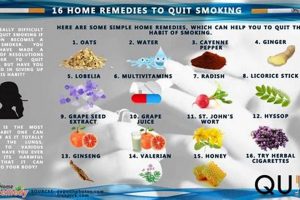
Botanical solutions derived from plants have been explored as aids in smoking cessation. These preparations often utilize the purported medicinal properties of various herbs to mitigate withdrawal symptoms, reduce cravings, and provide a sense of calm. For instance, some individuals explore lobelia, believing its active compound mimics the effects of nicotine, while others use St. John’s Wort in attempts to alleviate mood-related withdrawal effects.
The appeal of plant-based options stems from a perception of gentler impact compared to pharmaceutical interventions, alongside historical precedent for using botanicals in traditional medicine. Advocates suggest that certain herbs can address the multi-faceted challenges of nicotine dependence by influencing neurotransmitter activity or providing a comforting ritual. However, the efficacy of such approaches requires careful scrutiny, as anecdotal evidence should be distinguished from findings derived from rigorous scientific investigation.
The following sections will delve into specific herbal preparations commonly considered for smoking cessation, examining the available evidence concerning their mechanisms of action, potential benefits, and crucial safety considerations. Furthermore, the integration of these botanical approaches within a comprehensive smoking cessation strategy will be discussed.
Guidance on Utilizing Botanical Approaches in Smoking Cessation
The integration of plant-derived substances into a smoking cessation plan demands a responsible and informed approach. The following guidelines are presented to assist individuals in navigating the potential benefits and limitations of these modalities.
Tip 1: Conduct Thorough Research: Prior to commencing any regimen, examine the scientific literature regarding the specific herb. Scrutinize clinical trial results, potential side effects, and drug interactions.
Tip 2: Consult with a Qualified Healthcare Provider: Engagement with a physician or other qualified healthcare professional is crucial. This consultation should encompass a comprehensive review of medical history, current medications, and potential contraindications.
Tip 3: Source Products from Reputable Suppliers: Ensuring the quality and purity of herbal preparations is paramount. Select suppliers that adhere to stringent manufacturing standards and provide transparent product information.
Tip 4: Adhere to Recommended Dosages: Strict adherence to recommended dosages is essential to minimize the risk of adverse effects. Deviations from established guidelines should only occur under the direct supervision of a healthcare provider.
Tip 5: Monitor for Adverse Reactions: Vigilant monitoring for any adverse reactions is imperative. Discontinue use immediately and seek medical attention if unexpected symptoms develop.
Tip 6: Integrate with a Comprehensive Cessation Strategy: Plant-based approaches are optimally employed as part of a comprehensive smoking cessation strategy that includes behavioral counseling, nicotine replacement therapy, or other evidence-based interventions.
Tip 7: Understand Limitations: Recognize that the evidence supporting the efficacy of various botanical preparations in smoking cessation remains limited. Realistic expectations are critical for maintaining motivation and preventing discouragement.
Adherence to these guidelines can enhance the safety and effectiveness of integrating botanical modalities into a smoking cessation program. A carefully considered and medically supervised approach is essential for achieving successful and sustainable outcomes.
The subsequent section will provide an overview of potential risks and side effects associated with using plant-derived smoking cessation aids, emphasizing the importance of responsible utilization.
1. Craving Reduction

Craving reduction is a central aim in smoking cessation strategies. The intense desire for nicotine is a primary driver of relapse, undermining attempts to abstain. Botanical interventions are sometimes explored as a means to mitigate these cravings by affecting neurochemical pathways or providing a substitute sensory experience.
Certain herbs, such as lobelia, have been theorized to interact with nicotine receptors, potentially reducing the perceived reward associated with smoking. Other botanicals, like valerian root, are investigated for their anxiolytic effects, which may indirectly lessen cravings triggered by stress or negative emotions. However, the evidence supporting these mechanisms is often preliminary, derived from animal studies or small-scale clinical trials. Consequently, the effectiveness of botanical agents for craving reduction remains an area of ongoing research.
The practicality of utilizing herbal remedies for craving reduction lies in their accessibility and perceived naturalness. However, individuals should exercise caution, recognizing that scientific evidence is often limited, and potential interactions with medications exist. A comprehensive approach, combining botanical agents with established methods like behavioral counseling and nicotine replacement therapy, may provide a more robust strategy for managing cravings and achieving sustained abstinence.
2. Withdrawal Mitigation

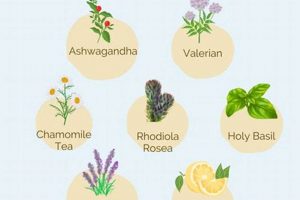
Withdrawal mitigation is a critical component of smoking cessation, addressing the constellation of physiological and psychological symptoms that arise upon nicotine deprivation. These symptoms, which can include irritability, anxiety, difficulty concentrating, and increased appetite, frequently deter individuals from successfully quitting smoking. Botanical solutions have been investigated as potential aids in alleviating the severity of these withdrawal effects, thereby increasing the likelihood of sustained abstinence. The efficacy of plant-derived interventions hinges on their ability to interact with the body’s systems to counteract the adverse effects of nicotine withdrawal. For example, herbs with sedative properties, such as chamomile or valerian, may be utilized to reduce anxiety and promote relaxation, counteracting the restlessness and agitation associated with withdrawal. Similarly, certain botanicals are explored for their potential to stabilize mood or improve cognitive function, offsetting the depressive symptoms and concentration difficulties that often accompany nicotine cessation.
The selection of specific botanical agents for withdrawal mitigation should be guided by a comprehensive understanding of the individual’s symptom profile and medical history. Furthermore, it is important to recognize that the degree of withdrawal severity can vary significantly among individuals. Real-life scenarios frequently illustrate the use of botanical adjuncts in conjunction with other smoking cessation strategies. For instance, an individual experiencing pronounced anxiety during withdrawal might integrate calming herbs into a broader program that includes behavioral therapy and support group participation. The practical significance of understanding the connection between withdrawal mitigation and botanical approaches lies in the potential to tailor interventions to the specific needs of the individual, thereby maximizing the chances of successful cessation.
In summary, the effective application of plant-based solutions for smoking cessation requires a clear focus on alleviating withdrawal symptoms. The responsible integration of botanical agents, chosen to address specific withdrawal effects, can contribute to a more comfortable and successful cessation experience. However, the limited evidence for many of these solutions means individuals must proceed with caution and seek expert advice to minimize risks and optimize their chances of successfully stopping smoking.
3. Safety Profiles

The evaluation of safety profiles is paramount when considering botanical interventions for smoking cessation. Despite their association with natural sources, herbal remedies are not inherently devoid of potential risks. A thorough understanding of their potential adverse effects, interactions, and contraindications is crucial for informed decision-making and responsible utilization.
- Potential Adverse Reactions
Adverse reactions to herbal remedies can range from mild gastrointestinal distress to severe allergic reactions. Some botanicals contain compounds that can irritate the digestive system, leading to nausea, vomiting, or diarrhea. Allergic reactions, although less common, may manifest as skin rashes, hives, or, in rare cases, anaphylaxis. Individuals with pre-existing allergies are at a heightened risk of experiencing such reactions. For example, individuals allergic to plants in the Asteraceae family (e.g., ragweed, chrysanthemums) may also exhibit sensitivity to chamomile.
- Drug Interactions
Herbal remedies can interact with pharmaceutical medications, potentially altering their efficacy or increasing the risk of adverse effects. Certain botanicals, such as St. John’s Wort, are known to induce hepatic enzymes, which can accelerate the metabolism of various drugs, reducing their therapeutic levels. Conversely, other herbs may inhibit drug metabolism, leading to increased drug concentrations and a higher risk of toxicity. For example, concurrent use of St. John’s Wort with selective serotonin reuptake inhibitors (SSRIs) may increase the risk of serotonin syndrome, a potentially life-threatening condition.
- Quality Control and Purity
The quality and purity of herbal products can vary considerably, depending on the source and manufacturing practices. Contamination with heavy metals, pesticides, or other adulterants is a potential concern. Inconsistent standardization of active constituents can also lead to unpredictable dosing and variable therapeutic effects. Consumers should seek out products from reputable manufacturers that adhere to stringent quality control standards and provide third-party testing results to ensure purity and potency.
- Contraindications
Certain herbal remedies are contraindicated in specific populations or medical conditions. Pregnant or breastfeeding women, individuals with liver or kidney disease, and those with bleeding disorders should exercise particular caution. Some botanicals may possess anticoagulant properties, increasing the risk of bleeding in individuals taking anticoagulant medications or those undergoing surgery. It is essential to consult with a qualified healthcare provider to identify potential contraindications based on individual medical history and circumstances. For instance, Ginseng may interact negatively with individuals who have hypertension.
The safety profiles of botanical smoking cessation aids underscore the importance of responsible and informed utilization. While some individuals may perceive herbal remedies as inherently safe due to their natural origin, it is essential to recognize the potential for adverse effects, drug interactions, and quality control issues. A comprehensive assessment of individual medical history, concurrent medications, and product sourcing is crucial for minimizing risks and maximizing the potential benefits of herbal smoking cessation interventions. The aforementioned factors must be weighed before usage.
4. Dosage Considerations

Dosage considerations are paramount when examining the use of plant-derived substances as aids in smoking cessation. Unlike conventional pharmaceuticals, herbal preparations often lack standardized dosages and consistent concentrations of active constituents. This variability necessitates a cautious and informed approach to ensure both safety and efficacy.
- Variability in Potency
Herbal products can exhibit significant variations in potency due to factors such as plant genetics, growing conditions, harvesting methods, and processing techniques. The concentration of active compounds may differ substantially between batches, making it challenging to achieve consistent therapeutic effects. This variability necessitates careful product selection and adherence to recommended dosage ranges.
- Individual Sensitivity
Individual responses to herbal remedies can vary depending on factors such as age, weight, metabolism, and pre-existing health conditions. Some individuals may be more sensitive to the effects of certain herbs, requiring lower dosages to avoid adverse reactions. Conversely, others may require higher dosages to achieve the desired therapeutic effects. Healthcare provider guidance is essential to tailor dosages to individual needs.
- Standardization Challenges
Standardization of herbal products aims to ensure consistent levels of specific active compounds, improving the reliability and predictability of therapeutic effects. However, standardization processes are not always uniformly applied, and the specific compounds targeted for standardization may not fully represent the herb’s overall therapeutic activity. Consumers should look for products that are standardized to specific active constituents whenever possible.
- Potential for Toxicity
Excessive dosages of certain herbal remedies can lead to toxicity. Some botanicals contain compounds that can be harmful to the liver, kidneys, or other organs. It is essential to adhere to recommended dosage guidelines and to be aware of potential signs of toxicity, such as nausea, vomiting, dizziness, or changes in liver function. Prompt medical attention should be sought if toxicity is suspected.
The aforementioned dosage considerations underscore the need for caution when using plant-derived substances in attempting to quit smoking. Variability in potency, individual sensitivity, standardization challenges, and the potential for toxicity all emphasize the importance of seeking guidance from a qualified healthcare professional. Safe and effective use necessitates informed decision-making and a thorough understanding of the specific herbal preparation being considered.
5. Evidence Limitations
The realm of botanical interventions for smoking cessation is significantly impacted by limitations in available scientific evidence. This constraint necessitates careful interpretation of claims regarding efficacy and safety, impacting the translation of traditional knowledge into validated treatment modalities. The evaluation of herbal preparations requires acknowledgement of these evidentiary gaps.
- Inadequate Rigor of Clinical Trials
Many studies investigating the effectiveness of plant-derived smoking cessation aids suffer from methodological shortcomings. Small sample sizes, lack of appropriate control groups, and inadequate blinding procedures compromise the reliability and generalizability of findings. The absence of rigorous, large-scale, randomized controlled trials presents a challenge in definitively establishing efficacy. An example is the scarcity of high-quality research on lobelia, often cited for its potential to mimic nicotine’s effects, leaving its actual benefits uncertain.
- Heterogeneity of Herbal Products
Variability in the composition and standardization of herbal preparations poses a significant challenge to research efforts. Different batches of the same herb may contain varying concentrations of active compounds, making it difficult to compare results across studies. The lack of consistent quality control measures further contributes to the heterogeneity of herbal products, hindering the ability to draw firm conclusions about their effectiveness. Consider St. John’s Wort, where varying concentrations of hypericin and hyperforin can lead to inconsistent outcomes in studies on mood regulation during nicotine withdrawal.
- Publication Bias
Publication bias, the tendency to selectively publish studies with positive results, can distort the evidence base for botanical smoking cessation aids. Studies demonstrating null or negative findings may be less likely to be published, leading to an overestimation of efficacy in the available literature. This bias can create a misleading impression of the potential benefits of herbal preparations, influencing both clinical practice and consumer choices. For example, a failure to publish negative results concerning an herbal remedy’s impact on reducing cigarette cravings may lead to an inflated perception of its effectiveness.
- Mechanisms of Action Uncertainties
For many herbal remedies promoted for smoking cessation, the precise mechanisms of action remain poorly understood. While some herbs may exhibit pharmacological activity that could potentially influence nicotine dependence, the specific pathways involved are often unclear. This lack of mechanistic understanding limits the ability to predict efficacy and potential interactions with other medications or health conditions. In the case of valerian root, its anxiolytic effects may be beneficial during withdrawal, but the exact neurochemical mechanisms responsible for these effects are still being elucidated.
These limitations collectively highlight the need for caution and critical appraisal when considering the role of botanical interventions in smoking cessation. While some herbal remedies may offer potential benefits, the absence of robust scientific evidence necessitates careful evaluation of risks and benefits. The integration of these approaches into a comprehensive cessation strategy should be guided by informed decision-making and consultation with qualified healthcare professionals, acknowledging the uncertainties inherent in the current evidence base.
Frequently Asked Questions Regarding Plant-Based Smoking Cessation Aids
This section addresses common inquiries concerning the application of herbal remedies in the context of smoking cessation, providing evidence-based insights and cautionary guidance.
Question 1: Are botanical interventions a guaranteed solution for smoking cessation?
Botanical interventions are not a guaranteed solution for smoking cessation. While some plant-derived substances may offer supportive benefits, their efficacy is not definitively established. A comprehensive approach, integrating behavioral counseling and, where appropriate, pharmaceutical interventions, is generally recommended.
Question 2: What are the potential risks associated with using herbal remedies to quit smoking?
Potential risks include adverse reactions, drug interactions, and variability in product quality. Certain herbs may trigger allergic responses or interact with prescription medications. Furthermore, the concentration of active compounds in herbal products can vary, leading to inconsistent effects. Consulting a healthcare provider is essential.
Question 3: How does one determine the appropriate dosage of an herbal remedy for smoking cessation?
Determining the appropriate dosage is complex and necessitates professional guidance. Herbal products lack standardized dosages, and individual sensitivity varies. Exceeding recommended dosages can lead to toxicity. A healthcare provider can assess individual factors and provide informed recommendations.
Question 4: Can botanical remedies completely eliminate nicotine withdrawal symptoms?
Botanical remedies may alleviate some nicotine withdrawal symptoms but are unlikely to eliminate them entirely. The severity of withdrawal symptoms varies among individuals, and herbal interventions may offer partial relief. A multi-faceted approach, addressing both physiological and psychological aspects of withdrawal, is often necessary.
Question 5: Are all plant-derived smoking cessation products subject to rigorous quality control standards?
Not all plant-derived smoking cessation products are subject to rigorous quality control standards. The herbal supplement industry is not as tightly regulated as the pharmaceutical industry. Consumers should select products from reputable manufacturers that adhere to Good Manufacturing Practices (GMP) and provide third-party testing results.
Question 6: Where can accurate and reliable information about plant-based smoking cessation aids be found?
Accurate and reliable information can be obtained from qualified healthcare providers, scientific literature databases (e.g., PubMed, Cochrane Library), and reputable organizations that specialize in evidence-based health information. Avoid relying solely on anecdotal evidence or marketing materials.
In summary, caution, informed decision-making, and professional guidance are crucial when considering the use of herbal remedies for smoking cessation. The evidence base remains limited, and potential risks must be carefully weighed against potential benefits.
The subsequent section will provide an overview of resources available to support individuals in their efforts to quit smoking, encompassing both conventional and alternative approaches.
Conclusion
The examination of botanical solutions intended to aid in smoking cessation reveals a landscape marked by both potential and limitations. While some plant-derived substances have shown promise in alleviating withdrawal symptoms or reducing cravings, the body of evidence supporting their efficacy remains limited. Concerns regarding inconsistent product quality, potential adverse effects, and drug interactions further underscore the need for careful consideration.
Individuals contemplating the use of natural herbal remedies to quit smoking should proceed with caution, prioritizing consultation with a qualified healthcare professional. A comprehensive approach, integrating evidence-based interventions and personalized support, offers the most robust path towards achieving sustained abstinence. The exploration of botanical options should be viewed as a complementary strategy, not a replacement for established cessation methods.