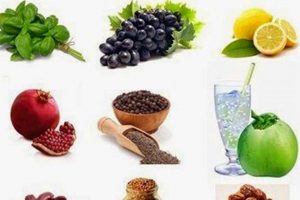
The employment of plant-derived substances to alleviate a common ailment characterized by the forceful expulsion of air from the lungs is a practice rooted in traditional medicine. These preparations, often involving infusions, decoctions, or extracts, aim to soothe irritated airways and facilitate the removal of mucus. A formulation containing ingredients like honey, lemon, and ginger, commonly used to ease throat discomfort and promote expectoration, exemplifies this approach.
The significance of utilizing natural sources to address this respiratory symptom lies in the potential for milder side effects compared to some synthetic medications. Historically, various cultures have relied on botanical knowledge to manage respiratory issues. Certain compounds present in plants may possess anti-inflammatory, antitussive, or expectorant properties, contributing to their perceived therapeutic value. This approach can offer a gentler alternative for individuals seeking relief from the discomfort and disruption caused by persistent respiratory irritation.
The subsequent discussion will delve into specific plant-based agents commonly employed, exploring their purported mechanisms of action and examining available scientific evidence supporting their efficacy. Furthermore, considerations regarding safety, potential interactions, and appropriate usage will be addressed to provide a balanced perspective on this widely practiced therapeutic modality.
Guidance on Employing Botanical Formulations for Respiratory Discomfort
The following recommendations aim to provide informed guidance on the use of plant-based substances to mitigate the effects of a common respiratory symptom. Adherence to these principles may optimize outcomes while minimizing potential adverse effects.
Tip 1: Prioritize Accurate Identification. Ensure precise identification of plant species before utilizing them. Employing misidentified herbs can lead to ineffective treatment or, in some cases, adverse reactions. Consult with a qualified herbalist or botanist for verification.
Tip 2: Understand Preparation Methods. Different preparation methods (infusion, decoction, tincture) extract varying amounts of active constituents. Adhere to established protocols for each method to ensure appropriate potency and safety.
Tip 3: Begin with Low Doses. Initiate treatment with a conservative dosage to assess individual tolerance and response. Gradually increase the dose as needed, monitoring for any signs of adverse effects.
Tip 4: Consider Potential Interactions. Plant-based substances can interact with conventional medications. Consult with a healthcare provider or pharmacist to identify potential interactions before initiating treatment.
Tip 5: Monitor for Adverse Effects. Be vigilant for any signs of adverse effects, such as allergic reactions or gastrointestinal distress. Discontinue use and seek medical attention if any concerning symptoms arise.
Tip 6: Prioritize Rest and Hydration. Adequate rest and fluid intake are essential components of recovery from respiratory ailments. Supplement the use of botanical formulations with these supportive measures.
Tip 7: Consult a Healthcare Professional. Individuals with pre-existing medical conditions, pregnant women, and breastfeeding mothers should consult with a healthcare professional before using plant-based remedies.
These recommendations emphasize the importance of informed decision-making and cautious implementation when employing botanical formulations to address respiratory discomfort. Combining traditional knowledge with a focus on safety and potential interactions can contribute to a more effective and responsible approach.
The subsequent sections will explore specific botanical agents, their purported mechanisms of action, and relevant scientific evidence to further inform the application of these remedies.
1. Botanical Identification

The accurate identification of plant species is paramount in the effective and safe application of botanical substances for respiratory discomfort. Employing an incorrectly identified plant can render the intended therapeutic intervention ineffective, or, more critically, result in adverse physiological reactions. This is because the chemical constituents and therefore the pharmacological properties of different plant species can vary significantly, even within the same genus. A seemingly minor error in identification can transform a benign remedy into a toxic substance.
The cause-and-effect relationship between correct botanical identification and successful use of plant-based solutions is direct and undeniable. For example, mistaking foxglove (Digitalis purpurea), a cardiac stimulant containing potent cardiac glycosides, for comfrey (Symphytum officinale), historically used for its mucilage content to soothe respiratory passages, could lead to severe cardiac complications. The practical significance lies in the potential for patient harm if precise taxonomic knowledge is not applied. Reputable herbal practitioners and manufacturers prioritize sourcing from verified suppliers and implementing rigorous quality control measures, including macroscopic and microscopic plant identification techniques.
In summary, botanical identification forms a cornerstone of responsible and effective application. The challenges lie in the inherent variability within plant species and the potential for adulteration or substitution in the supply chain. By prioritizing expertise in plant taxonomy and implementing stringent quality control protocols, the likelihood of adverse events is reduced and the therapeutic potential of plant-based solutions for respiratory discomfort is maximized. This understanding underscores the broader theme of informed and responsible utilization of natural resources for healthcare purposes.
2. Preparation Methodology

The method by which a plant is prepared significantly influences the extraction and availability of its active constituents, directly impacting the efficacy of the resulting solution for respiratory ailments. The choice of preparation profoundly determines the therapeutic outcome.
- Infusion
Infusion, often referred to as a tea, involves steeping plant material, typically leaves or flowers, in hot water. This method is suitable for extracting water-soluble compounds, such as volatile oils and certain flavonoids. An infusion of chamomile (Matricaria chamomilla), for instance, may be used to soothe irritated throat tissues due to its anti-inflammatory properties. However, constituents not readily soluble in water will remain unextracted, limiting the potency for some plants.
- Decoction
Decoction is employed for tougher plant parts like roots, barks, and seeds. This involves simmering the plant material in water for an extended period to break down cell walls and release the desired compounds. A decoction of licorice root (Glycyrrhiza glabra) can be used to promote expectoration due to its mucolytic and anti-inflammatory effects. The prolonged heating can degrade some delicate compounds, so it is less suitable for heat-sensitive constituents.
- Tincture
Tinctures are alcoholic extracts, where plant material is steeped in alcohol (often ethanol) to extract a broader range of compounds, including those not readily soluble in water. An example is a tincture of echinacea (Echinacea purpurea), which may support the immune system’s response to respiratory infections. Alcohol can extract resins and alkaloids, but it may not be suitable for all individuals due to alcohol sensitivity or contraindications with other medications.
- Syrup
Syrups combine a botanical extract with a sweetening agent, such as honey or sugar, to improve palatability and often possess demulcent properties that soothe the throat. A syrup of wild cherry bark (Prunus serotina) can act as an antitussive to suppress coughing. However, the high sugar content may be a concern for individuals with diabetes or those seeking to limit their sugar intake.
The selection of an appropriate preparation methodology is crucial for optimizing the therapeutic potential. The effectiveness of plant-derived interventions depends not only on the plant species but also on the method used to extract its beneficial compounds. The informed practitioner considers the solubility of target constituents, the heat sensitivity of the plant material, and the individual’s specific health considerations when determining the optimal preparation technique. This ensures that the prepared solution delivers the desired effect in the safest and most effective manner.
3. Dosage Considerations

Dosage considerations are a critical component in the safe and effective utilization of plant-based interventions for respiratory discomfort. The inherent variability in the concentration of active constituents within plant material, coupled with individual differences in physiology and sensitivity, necessitates careful attention to appropriate dosing. A dosage that is too low may prove ineffectual, failing to provide the desired relief from coughing. Conversely, an excessive dosage can lead to adverse effects, ranging from mild gastrointestinal upset to more severe reactions depending on the specific plant and individual susceptibility. For example, while a small dose of eucalyptus oil via steam inhalation can help to loosen congestion, excessive inhalation can cause respiratory irritation and even central nervous system depression.
Precise dosage is crucial for botanical expectorants and antitussives. An underdose of an expectorant such as guaifenesin derived from Guaiacum may not effectively thin mucus, thus failing to promote productive cough. Conversely, overdosing an antitussive containing codeine, although synthetic, has direct links to plant based origins, can lead to respiratory depression, particularly in sensitive individuals. The practical application of this understanding lies in the necessity for healthcare providers and individuals to initiate treatment with low dosages, gradually increasing the amount while closely monitoring for both therapeutic effects and any signs of adverse reactions. Standardized herbal extracts, where available, can offer more consistent dosing compared to raw plant material. However, even with standardized extracts, individual variability necessitates careful monitoring. Furthermore, children, the elderly, and individuals with pre-existing medical conditions often require significantly lower dosages due to altered metabolic and excretory functions.
In summary, dosage considerations represent a foundational aspect of responsible and effective. The cause-and-effect relationship between appropriate dosing and therapeutic outcome is direct. While herbal treatments offer potential benefits, neglecting dosage control can negate these advantages and introduce unnecessary risks. The challenge lies in bridging the gap between traditional knowledge, which often lacks precise quantitative data, and modern scientific principles of pharmacology and toxicology. Promoting evidence-based dosage guidelines, encouraging standardized herbal extracts when available, and prioritizing individual patient assessment are essential steps in maximizing the benefits and minimizing the risks of addressing respiratory discomfort with plant-based remedies.
4. Potential Interactions

The concurrent use of plant-derived treatments with conventional pharmaceutical agents presents a complex landscape of potential interactions, necessitating careful consideration when addressing respiratory symptoms. These interactions can modify the absorption, distribution, metabolism, or excretion of either the botanical substance or the conventional medication, leading to altered therapeutic effects or increased risk of adverse events. Assessing these potential interactions is crucial to ensure patient safety and treatment efficacy.
- Cytochrome P450 Enzyme Modulation
Many botanical compounds influence the activity of cytochrome P450 (CYP) enzymes, a group of liver enzymes responsible for metabolizing numerous medications. For example, St. John’s Wort (Hypericum perforatum) is a known inducer of CYP3A4, potentially reducing the plasma concentrations and effectiveness of drugs like certain cough suppressants (e.g., codeine) that are metabolized by this enzyme. Conversely, other herbs may inhibit CYP enzymes, leading to elevated drug levels and increased risk of toxicity. Consequently, understanding the CYP enzyme profile of both the herbal remedy and any concurrently administered medications is essential.
- Pharmacodynamic Interactions
Pharmacodynamic interactions occur when two substances have additive or antagonistic effects on the same physiological system. For instance, combining a plant-derived cough suppressant, such as dextromethorphan (a synthetic but closely related molecule to naturally occurring compounds), with a conventional antihistamine could potentiate the sedative effects, leading to excessive drowsiness and impaired coordination. Similarly, combining an herbal expectorant with a diuretic medication could increase the risk of dehydration. Vigilance in identifying overlapping or opposing pharmacological effects is critical.
- Absorption and Bioavailability Alterations
Certain botanical substances can alter the absorption and bioavailability of co-administered drugs. For example, herbal remedies high in tannins can bind to certain medications in the gastrointestinal tract, reducing their absorption and effectiveness. Similarly, some herbs may affect gastric pH or intestinal motility, influencing drug absorption rates. Careful consideration of the potential for these interactions is necessary to ensure consistent drug delivery.
- Anticoagulant and Antiplatelet Effects
Several plant-derived substances possess anticoagulant or antiplatelet properties. Combining these herbs with conventional anticoagulant or antiplatelet medications, such as warfarin or aspirin, can increase the risk of bleeding complications. Examples include garlic (Allium sativum), ginger (Zingiber officinale), and ginkgo (Ginkgo biloba). Monitoring for signs of excessive bleeding and adjusting medication dosages accordingly is paramount when these combinations are used.
The potential for interactions between plant-derived treatments and conventional medications underscores the importance of comprehensive medication history taking and communication between healthcare providers and patients. A thorough understanding of the pharmacological properties of both the herbal remedy and any concurrent medications is necessary to mitigate risks and optimize therapeutic outcomes. The careful evaluation of these factors will help to ensure the safe and effective use of botanical substances in addressing respiratory symptoms.
5. Safety Monitoring

The vigilant monitoring of patient response during the administration of plant-derived treatments for respiratory ailments is paramount. While often perceived as gentler alternatives to synthetic medications, botanical substances are not inherently devoid of potential adverse effects. The proactive observation and assessment of patient status facilitate timely intervention and mitigation of potential risks.
- Allergic Reactions
Botanical substances, like any potential allergen, can elicit hypersensitivity responses in susceptible individuals. These reactions can manifest as mild skin rashes, urticaria, or, in severe cases, anaphylaxis, a life-threatening systemic reaction. Meticulous monitoring for signs of allergic response, such as pruritus, edema, or respiratory distress, is critical. Prompt administration of antihistamines or epinephrine may be necessary in severe cases. Furthermore, a detailed allergy history should be obtained prior to initiating treatment.
- Gastrointestinal Disturbances
Many plant-based remedies contain compounds that can irritate the gastrointestinal tract, leading to nausea, vomiting, diarrhea, or abdominal cramping. The severity of these disturbances can vary depending on the specific plant, dosage, and individual sensitivity. Gradual dose titration and administration with food may mitigate these effects. Persistent or severe gastrointestinal symptoms warrant discontinuation of the herbal remedy and consultation with a healthcare professional.
- Adverse Drug Interactions
Plant-derived substances can interact with concurrently administered pharmaceutical agents, altering their metabolism, absorption, or excretion. These interactions can lead to either reduced efficacy of the conventional medication or increased risk of adverse effects. Close monitoring for signs of drug interactions, such as changes in blood pressure, heart rate, or cognitive function, is essential. A comprehensive medication review, including over-the-counter drugs and herbal supplements, should be conducted prior to initiating plant-based treatment.
- Exacerbation of Underlying Conditions
Certain botanical remedies, while intended to alleviate respiratory symptoms, may inadvertently exacerbate pre-existing medical conditions. For instance, individuals with asthma may experience bronchospasm in response to certain inhaled herbal preparations. Similarly, those with heart failure may be sensitive to herbs containing stimulant compounds. A thorough assessment of the patient’s medical history and current health status is crucial to identify potential risks and contraindications.
The multifaceted nature of safety monitoring underscores the importance of a holistic approach to patient care when employing plant-derived treatments for respiratory discomfort. The diligent assessment of patient response, coupled with a thorough understanding of potential risks and interactions, facilitates the safe and effective utilization of botanical substances in clinical practice. This vigilance ensures that the intended therapeutic benefits are realized while minimizing the potential for harm, aligning with the fundamental principle of primum non nocere first, do no harm.
6. Underlying Condition

The selection and application of plant-derived treatments for respiratory discomfort cannot occur in isolation from the underlying condition driving the cough. The symptom of coughing is a physiological response to irritation, inflammation, or obstruction within the respiratory tract, and its effective management necessitates addressing the root cause. The efficacy of an herbal intervention is contingent upon accurate diagnosis and tailored application according to the specific etiology. Employing a broad-spectrum antitussive, for instance, may provide temporary relief but fail to address a persistent infection, allergic reaction, or structural abnormality contributing to the cough. The absence of diagnostic clarity renders the therapeutic approach empirical and potentially ineffective, or even detrimental, by masking critical indicators of disease progression.
The interplay between the underlying condition and the chosen herbal remedy is exemplified in cases of coughs associated with chronic obstructive pulmonary disease (COPD). While expectorant herbs like Eucalyptus globulus may aid in mucus clearance, their use in isolation without addressing the underlying inflammation and airflow obstruction characteristic of COPD offers limited and transient benefit. Similarly, in cases of cough secondary to gastroesophageal reflux disease (GERD), soothing demulcent herbs may provide symptomatic relief from throat irritation, but fail to address the root cause of acid reflux, potentially leading to chronic cough and esophageal damage. The practical significance lies in the need for a comprehensive medical evaluation to identify the precipitating factors before implementing herbal interventions. It is crucial to recognize that an herbal intervention is not a substitute for conventional medical diagnosis and management, especially when a serious underlying condition is suspected.
In summary, the successful application of plant-based approaches requires integration with a clear understanding of the patient’s underlying condition. While herbal remedies can provide symptomatic relief and supportive care, they should not be viewed as standalone solutions in the absence of accurate diagnosis and appropriate medical management. The challenges lie in balancing the potential benefits of herbal therapies with the need for timely and effective intervention for underlying medical conditions. A collaborative approach between healthcare providers and patients, prioritizing accurate diagnosis and tailored treatment strategies, is essential to optimize outcomes and ensure patient safety. The appropriate selection and application of herbal remedies is contingent upon acknowledging and addressing the foundation of the underlying condition.
Frequently Asked Questions Regarding Plant-Based Approaches to Respiratory Discomfort
The subsequent section addresses frequently asked questions concerning the application of plant-derived substances to alleviate respiratory discomfort. The information provided is intended to offer clarification on common concerns and misconceptions.
Question 1: Are plant-derived treatments for respiratory discomfort universally safe?
Plant-derived treatments are not universally safe. The potential for adverse reactions exists, and individuals with pre-existing medical conditions, pregnant women, and breastfeeding mothers should exercise caution. Consultation with a healthcare professional is recommended prior to use.
Question 2: How does one ascertain the appropriate dosage of a plant-based treatment?
Determining appropriate dosages requires careful consideration. Factors such as age, weight, health status, and the concentration of active constituents within the plant material influence dosage. Starting with low doses and gradually increasing is advisable, while monitoring for adverse effects.
Question 3: Can plant-derived treatments interact with conventional medications?
Plant-derived substances possess the potential to interact with conventional medications. These interactions can alter the efficacy or toxicity of either substance. Consultation with a healthcare provider or pharmacist is crucial to identify potential interactions.
Question 4: Is it possible to self-diagnose and self-treat respiratory ailments using plant-derived remedies?
Self-diagnosis and self-treatment are discouraged. Respiratory ailments can stem from various underlying causes, and accurate diagnosis is essential for effective management. Seeking professional medical evaluation is recommended prior to initiating any treatment regimen.
Question 5: Are standardized herbal extracts superior to raw plant material for respiratory issues?
Standardized herbal extracts offer greater consistency in terms of active constituent concentration compared to raw plant material. This can facilitate more precise dosing and predictable therapeutic effects. However, the suitability of standardized extracts versus raw plant material depends on the specific plant and individual needs.
Question 6: Where can one obtain reliable information regarding the safe and effective use of plant-based treatments for respiratory issues?
Reliable information can be obtained from qualified healthcare professionals, licensed herbalists, reputable botanical resources, and evidence-based scientific literature. Caution should be exercised when evaluating information from unverified sources.
This compilation of frequently asked questions aims to provide clarity and promote informed decision-making regarding the utilization of plant-based approaches for respiratory discomfort. The content underscores the importance of prioritizing safety, seeking professional guidance, and critically evaluating available information.
The subsequent discussion will delve into specific plant-based agents commonly employed for respiratory ailments, exploring their purported mechanisms of action and relevant scientific evidence.
Herbal Remedy Cough
This exploration has examined the complexities inherent in utilizing plant-derived substances to address respiratory discomfort. The importance of accurate botanical identification, appropriate preparation methodologies, careful dosage considerations, awareness of potential interactions with conventional medications, diligent safety monitoring, and the necessity of addressing the underlying condition have been underscored. The varied approaches to plant-based treatment strategies have been reviewed, emphasizing the critical need for a balanced and informed approach.
Given the potential for both benefit and harm, the responsible application of plant-derived solutions warrants continued scrutiny and rigorous scientific investigation. Future endeavors should focus on elucidating the precise mechanisms of action, establishing standardized protocols, and conducting well-designed clinical trials to definitively assess efficacy and safety. Until such evidence is robust, prudent application, in consultation with qualified healthcare professionals, remains paramount to ensure patient well-being and to realize the true potential of botanical resources in respiratory care.