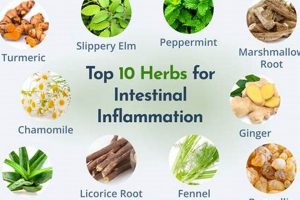
Gastroesophageal reflux, a condition characterized by the backward flow of stomach contents into the esophagus, can cause discomfort and, if chronic, potential health complications. Certain botanical preparations are sometimes employed as complementary or alternative approaches to manage the symptoms associated with this condition. These preparations often aim to soothe the irritated esophageal lining, reduce acid production, or improve digestive function. Examples include the use of chamomile, ginger, or licorice root in teas or supplements.
The appeal of utilizing botanicals for managing reflux stems from their perceived natural origins and the potential for fewer side effects compared to conventional pharmaceutical interventions. Historically, many cultures have incorporated herbal traditions into their healthcare practices, with specific plants being used to address digestive ailments. The potential benefits of these approaches include symptom relief, improved overall well-being, and a sense of personal control over one’s health. However, it is crucial to recognize that scientific evidence supporting the efficacy of all botanical remedies for reflux may vary.
The subsequent sections will delve into specific botanical options commonly considered for reflux management, examining their proposed mechanisms of action, potential benefits, safety considerations, and the current state of scientific research. It will also address important factors to consider before incorporating any botanical remedy into a reflux management plan, including potential interactions with other medications and the necessity of consulting with a qualified healthcare professional.
Guidance on Botanical Approaches to Reflux Management
The following points provide practical advice for those considering the use of botanicals to alleviate reflux symptoms. These suggestions are for informational purposes and should not substitute professional medical advice.
Tip 1: Identify Trigger Foods: Keep a detailed food diary to pinpoint foods that exacerbate reflux symptoms. Eliminating or reducing the consumption of these triggers, in conjunction with botanical interventions, can enhance symptom management.
Tip 2: Prioritize Lifestyle Modifications: Implementing lifestyle changes such as elevating the head of the bed, avoiding eating close to bedtime, and maintaining a healthy weight is crucial. These modifications can improve the effectiveness of botanical remedies.
Tip 3: Start with Single Herbs: Introduce botanicals one at a time. This approach allows for better identification of both beneficial effects and any potential adverse reactions.
Tip 4: Research Reputable Brands: Choose botanical products from reputable manufacturers that adhere to quality control standards. Look for third-party certifications to ensure product purity and accurate ingredient labeling.
Tip 5: Adhere to Recommended Dosages: Follow the recommended dosage instructions carefully. Exceeding recommended dosages does not necessarily enhance efficacy and can increase the risk of adverse effects.
Tip 6: Monitor Progress and Adjust: Keep a journal to track symptom improvement and any side effects. Regular monitoring allows for adjustments in the botanical regimen as needed.
Tip 7: Consider Combining with Conventional Treatments (with medical approval): Botanical remedies can potentially be used in conjunction with conventional treatments, but only under the supervision and guidance of a healthcare professional. It is important to ensure there are no contraindications.
These guidelines highlight the importance of informed decision-making, cautious implementation, and continuous monitoring when exploring botanical approaches to reflux management. The potential benefits of botanical remedies should be carefully weighed against the potential risks, with healthcare professional guidance.
The subsequent sections will further examine specific botanicals commonly used for reflux, providing insights into their mechanisms of action and safety profiles.
1. Soothing
The concept of “soothing” is central to the utilization of botanical preparations in managing reflux symptoms. Many of the discomforts associated with reflux, such as burning sensations and inflammation, directly stem from irritation of the esophageal lining. Thus, botanical interventions often aim to provide a soothing effect, reducing these sensations and promoting a more comfortable state.
- Mucosal Demulcents
Certain botanicals contain mucilage, a viscous substance that forms a protective coating over inflamed or irritated tissues. This coating acts as a demulcent, shielding the esophageal lining from further acid exposure and promoting healing. Examples include slippery elm and marshmallow root. The demulcent action can provide temporary relief from burning sensations and discomfort.
- Anti-inflammatory Properties
Inflammation plays a significant role in the pain and discomfort associated with reflux. Some botanicals possess anti-inflammatory compounds that can help reduce inflammation in the esophagus. Chamomile, for instance, contains compounds that may help to decrease inflammation, contributing to a soothing effect.
- Muscle Relaxant Qualities
Esophageal spasms can contribute to reflux symptoms. Certain botanical preparations may possess muscle relaxant properties, potentially easing esophageal spasms and reducing discomfort. While research is ongoing, some herbs are traditionally used for their purported ability to relax smooth muscles.
- Nervine Action
The nervous system plays a role in the perception of pain and discomfort. Some botanicals, known as nervines, can have a calming effect on the nervous system, potentially reducing the perception of reflux symptoms. Lemon balm and lavender are examples of nervines that may indirectly contribute to a soothing experience.
In conclusion, the “soothing” aspect of botanical preparations used for reflux is multifaceted, encompassing demulcent action, anti-inflammatory properties, potential muscle relaxation, and nervine effects. The precise mechanisms and efficacy of these approaches may vary, and consulting with a healthcare professional is essential before incorporating them into a reflux management plan.
2. Anti-inflammatory

Inflammation is a significant factor in the pathophysiology of gastroesophageal reflux disease (GERD). The repeated exposure of the esophageal lining to gastric acid and other stomach contents leads to irritation and subsequent inflammation. This inflammatory response contributes to the characteristic symptoms of GERD, such as heartburn, chest pain, and difficulty swallowing. The inclusion of anti-inflammatory agents within botanical remedies aims to mitigate this inflammatory process, reducing symptom severity and promoting tissue healing. For instance, compounds within chamomile and ginger have demonstrated anti-inflammatory properties in vitro and in vivo, potentially reducing esophageal inflammation when consumed.
The practical significance of incorporating anti-inflammatory properties into botanical approaches for reflux lies in the potential for long-term symptom management. Unlike antacids that primarily neutralize stomach acid, anti-inflammatory herbs address the underlying inflammation, potentially providing more sustainable relief. However, it is crucial to acknowledge that the potency and bioavailability of anti-inflammatory compounds in herbal remedies can vary. Standardization of herbal extracts and consideration of individual factors, such as the severity of inflammation and the presence of other medical conditions, are essential for optimizing therapeutic outcomes. Research on the efficacy of specific anti-inflammatory herbs for GERD is ongoing, and clinical evidence may not always align with traditional uses.
In summary, the anti-inflammatory aspect of botanical remedies for reflux addresses a critical component of the disease process: esophageal inflammation. While promising, the effective utilization of these remedies requires a comprehensive understanding of the specific anti-inflammatory compounds involved, standardization of herbal preparations, and careful consideration of individual patient factors. Further research is needed to fully elucidate the clinical benefits and potential risks associated with anti-inflammatory herbal interventions for GERD. The selection and implementation of any such remedy should occur under the guidance of a qualified healthcare professional.
3. Acid reduction

The reduction of gastric acid secretion or activity represents a key therapeutic target in the management of gastroesophageal reflux. Several botanical preparations are traditionally employed to achieve this effect, although the mechanisms and efficacy vary considerably.
- Inhibition of Gastric Acid Pumps
Some botanical compounds are hypothesized to inhibit the hydrogen-potassium ATPase (H+/K+ ATPase), commonly referred to as the proton pump, in parietal cells of the stomach. This enzyme is responsible for the final step in gastric acid secretion. While direct evidence of significant proton pump inhibition by specific herbal remedies is limited, certain compounds found in plants, such as flavonoids, have demonstrated this effect in vitro. The clinical relevance of this mechanism in vivo requires further investigation.
- Histamine (H2) Receptor Antagonism
Histamine stimulates gastric acid secretion by binding to H2 receptors on parietal cells. Certain botanical extracts may possess H2 receptor antagonistic activity, thereby reducing acid production. This mechanism mirrors the action of H2 receptor antagonist medications, but the potency of herbal remedies is generally lower. Traditional use of specific herbs may be related to this effect, but rigorous scientific validation is often lacking.
- Gastric Mucosal Protection and Buffering
While not directly reducing acid production, some botanicals enhance the protective mechanisms of the gastric mucosa, reducing the damaging effects of acid. This can involve stimulating mucus secretion, enhancing bicarbonate production, or providing a physical barrier against acid. Examples include licorice root, which is believed to promote mucus production. This indirect approach to acid management is relevant in mitigating reflux symptoms.
- Modulation of Gastrin Release
Gastrin, a hormone that stimulates gastric acid secretion, is released from G cells in the stomach. Some herbal remedies may influence gastrin release, thereby indirectly affecting acid production. While direct evidence is scarce, certain compounds within botanicals may interact with the complex hormonal regulation of gastric acid secretion. Further research is necessary to elucidate the potential of this mechanism.
The use of botanical remedies for acid reduction in reflux management should be approached with caution. The evidence supporting the efficacy of most herbs for this purpose is limited, and the potency of these remedies is generally lower than that of conventional medications. Furthermore, potential interactions with other medications and underlying health conditions must be carefully considered. Consultation with a qualified healthcare professional is essential before incorporating any herbal remedy into a reflux management plan.
4. Digestive Support

The concept of digestive support is intrinsically linked to the rationale behind employing botanical preparations in the management of gastroesophageal reflux. Impaired digestion, characterized by delayed gastric emptying, reduced intestinal motility, or inadequate enzyme production, can exacerbate reflux symptoms. Slower processing of food in the stomach increases the likelihood of gastric distention and subsequent reflux episodes. Furthermore, inefficient digestion can contribute to the fermentation of undigested food, leading to increased intra-abdominal pressure and further promoting reflux. Thus, botanical remedies aimed at enhancing digestive function are posited to address the underlying mechanisms contributing to reflux.
Botanical interventions targeting digestive support often focus on stimulating digestive enzyme secretion, improving intestinal motility, and reducing inflammation within the gastrointestinal tract. For instance, ginger (Zingiber officinale) is traditionally used to promote gastric emptying and reduce nausea, thereby decreasing the potential for reflux events. Similarly, artichoke extract is believed to stimulate bile production, aiding in the digestion of fats and preventing delayed gastric emptying. Peppermint oil, while primarily known for its antispasmodic properties, may also improve overall digestive function by relaxing the smooth muscles of the digestive tract. It is important to note that the efficacy of these botanical approaches can vary depending on the specific underlying digestive dysfunction and the individual’s physiological characteristics. Furthermore, potential interactions with other medications must be carefully considered.
In summary, the integration of digestive support into a reflux management strategy using botanical remedies represents a holistic approach aimed at addressing the root causes of the condition. By improving gastric emptying, enhancing digestive enzyme activity, and reducing gastrointestinal inflammation, these remedies may alleviate reflux symptoms and promote overall digestive health. However, the evidence supporting the efficacy of many of these interventions is limited, and further research is needed to fully elucidate their mechanisms of action and clinical benefits. A comprehensive assessment of individual digestive function and potential medication interactions is essential before implementing any botanical approach for digestive support in the context of reflux management. Consultation with a qualified healthcare provider is strongly recommended.
5. Esophageal protection

Esophageal protection is a crucial component in managing gastroesophageal reflux disease (GERD), particularly when considering botanical remedies. The repeated exposure of the esophageal lining to gastric acid results in inflammation, erosion, and potential long-term complications such as Barrett’s esophagus. Therefore, therapeutic strategies that enhance esophageal defense mechanisms are vital. Certain botanical preparations are believed to offer protection by forming a physical barrier, promoting mucus secretion, or possessing antioxidant properties that counteract acid-induced damage. For instance, compounds found in licorice root may stimulate mucin production, creating a protective layer that shields the esophageal mucosa from acid exposure. Similarly, aloe vera juice has been proposed to possess anti-inflammatory and wound-healing properties, potentially aiding in the repair of damaged esophageal tissue. The effectiveness of these remedies relies on their ability to withstand the harsh acidic environment of the stomach and maintain their protective properties throughout the digestive process.
The practical significance of esophageal protection in the context of botanical remedies lies in the potential for long-term symptom relief and the prevention of disease progression. While acid-suppressing medications effectively reduce acid production, they do not directly address the underlying esophageal damage. Botanical interventions that bolster the esophageal defense mechanisms may offer a complementary approach, promoting healing and reducing the risk of complications. However, it is imperative to acknowledge that the scientific evidence supporting the efficacy of many botanical remedies for esophageal protection is limited. Clinical trials are often small and lack rigorous controls, making it difficult to draw definitive conclusions. Furthermore, the quality and standardization of herbal products can vary significantly, affecting their therapeutic potential. Patients considering botanical remedies for esophageal protection should consult with a qualified healthcare professional to ensure safe and appropriate use.
In conclusion, esophageal protection represents a critical aspect of GERD management, and certain botanical preparations are believed to offer this benefit through various mechanisms. While these remedies hold promise, it is essential to approach their use with caution, considering the limited scientific evidence and the potential for variability in product quality. A comprehensive approach that combines lifestyle modifications, conventional medications (if necessary), and carefully selected botanical interventions, under the guidance of a healthcare professional, may offer the best strategy for managing GERD and protecting the esophagus from acid-induced damage.
6. Safety profile
The safety profile of botanical preparations intended for managing gastroesophageal reflux is of paramount importance. The efficacy of any remedy is secondary to its safety; an intervention that causes harm is unacceptable. The complex chemical composition of plants presents both therapeutic possibilities and potential risks. Consequently, a thorough understanding of the potential adverse effects, contraindications, and interactions associated with these botanical preparations is essential before their use.
Consider licorice root (Glycyrrhiza glabra), often suggested for its demulcent and anti-inflammatory properties. While licorice may soothe the esophagus, prolonged use or high doses can lead to pseudoaldosteronism, characterized by hypertension, hypokalemia, and sodium retention. Similarly, peppermint oil, employed for its antispasmodic effects, can exacerbate reflux symptoms in some individuals by relaxing the lower esophageal sphincter. These examples underscore the necessity of considering the potential adverse effects and individual responses to botanical interventions.
Ultimately, the evaluation of the safety profile of botanical remedies for reflux necessitates a comprehensive approach. This includes considering factors such as dosage, duration of use, individual patient characteristics (e.g., age, comorbidities, concurrent medications), and the quality and standardization of the herbal product. Consultation with a qualified healthcare professional is crucial to weigh the potential benefits against the risks and to ensure the safe and appropriate use of these botanical preparations.
Frequently Asked Questions
This section addresses common inquiries regarding the use of botanical preparations to manage gastroesophageal reflux. The information provided is intended for educational purposes and should not substitute professional medical advice.
Question 1: Are botanical “reflux herbal remedies” a safe alternative to conventional medications for managing gastroesophageal reflux?
The safety of botanical remedies compared to conventional medications varies depending on the specific botanical, the individual’s health status, and the dosage. While some botanicals may offer symptom relief with fewer side effects than certain medications, others may pose significant risks or interact with existing medications. A qualified healthcare professional can provide guidance on the risks and benefits of specific options.
Question 2: Can botanicals completely cure gastroesophageal reflux?
Currently, there is no scientific evidence to suggest that botanical “reflux herbal remedies” can definitively cure gastroesophageal reflux. Botanical interventions are typically employed to manage symptoms and support overall digestive health. In many cases, lifestyle modifications and, if necessary, conventional medications remain essential components of a comprehensive treatment plan.
Question 3: How long does it take to experience the benefits of “reflux herbal remedies”?
The time it takes to experience the benefits of botanical “reflux herbal remedies” varies significantly depending on the individual, the severity of the condition, the specific botanical used, and the dosage. Some individuals may experience symptom relief within a few days, while others may require several weeks or months to notice a significant improvement. Consistent adherence to the recommended dosage and lifestyle modifications is often necessary for optimal results.
Question 4: Are there any known drug interactions associated with “reflux herbal remedies”?
Yes, certain botanical “reflux herbal remedies” can interact with various medications, potentially altering their efficacy or increasing the risk of adverse effects. For example, St. John’s Wort can interact with numerous medications, including proton pump inhibitors and certain antidepressants. It is crucial to inform a healthcare provider of all medications and supplements being taken to identify and avoid potential interactions.
Question 5: What factors should be considered when choosing a botanical product for reflux?
Several factors should be considered when selecting a botanical product for reflux, including the quality and standardization of the product, the reputation of the manufacturer, the potential for allergic reactions, the individual’s health status, and any existing medical conditions. It is advisable to choose products from reputable brands that adhere to good manufacturing practices and undergo third-party testing for purity and potency.
Question 6: Are botanical “reflux herbal remedies” safe for pregnant or breastfeeding women?
The safety of botanical “reflux herbal remedies” during pregnancy and breastfeeding has not been extensively studied. Many herbs are contraindicated during these periods due to potential risks to the mother or the infant. Pregnant or breastfeeding women should consult with a qualified healthcare professional before using any botanical remedy to manage reflux.
In summary, the use of botanical interventions for reflux requires careful consideration of various factors, including safety, efficacy, potential drug interactions, and individual health status. Consultation with a healthcare provider is essential to ensure the safe and appropriate use of these remedies.
The following section will explore additional considerations for integrating botanical approaches into a comprehensive reflux management strategy.
Reflux Herbal Remedies
The preceding exploration has detailed various botanical options considered for managing gastroesophageal reflux, examining potential benefits, mechanisms of action, and safety considerations. While certain preparations demonstrate promise in alleviating symptoms and supporting digestive function, a comprehensive understanding of their limitations is essential. The efficacy of botanical approaches often varies significantly depending on individual physiology, the severity of the condition, and the quality of the herbal product. Scientific evidence supporting the widespread use of these remedies remains limited, necessitating a cautious and informed approach.
The utilization of botanical remedies for reflux should not be viewed as a singular solution, but rather as a potential component within a broader management strategy. Lifestyle modifications, dietary adjustments, and conventional pharmaceutical interventions may be necessary to achieve optimal symptom control and prevent disease progression. The decision to incorporate botanical preparations should be made in consultation with a qualified healthcare professional, ensuring a thorough assessment of individual needs, potential risks, and potential interactions with other medications. Responsible and informed use, guided by expert advice, remains paramount in harnessing any potential benefits while safeguarding patient well-being.