The practice involves utilizing plants and their extracts to address various health concerns within the domestic setting. Common examples include using chamomile tea for relaxation, applying aloe vera gel to soothe minor burns, or consuming ginger to alleviate nausea. These methods represent a traditional approach to healthcare, often passed down through generations.
This self-reliant method of healthcare offers potential benefits such as accessibility, cost-effectiveness, and a sense of empowerment in managing one’s well-being. Historically, it represents a primary form of medicine for many cultures, with intricate systems of knowledge surrounding plant properties and their applications. Its enduring presence underscores its perceived value in maintaining health.
Subsequent sections will delve into the sourcing and preparation of plant-based solutions, examine safety considerations and potential interactions with conventional treatments, and explore specific applications for common ailments. It will also address the importance of informed decision-making when integrating these approaches into a comprehensive healthcare strategy.
Guidance on Plant-Based Solutions for Domestic Use
The following recommendations aim to provide practical guidance on safely and effectively incorporating plant-based solutions into the home environment. These suggestions emphasize responsible sourcing, preparation, and application.
Tip 1: Identify Reliable Sources. Acquire plant materials from reputable suppliers. Ensure plants are accurately identified and free from contaminants such as pesticides or heavy metals. Certification from recognized organizations can provide assurance of quality.
Tip 2: Understand Proper Preparation Techniques. Different plant parts require specific preparation methods. Research appropriate techniques for teas, tinctures, salves, or compresses. Infusions typically involve steeping dried herbs in hot water, while decoctions require simmering harder materials like roots or bark.
Tip 3: Start with Low Concentrations. When initiating the use of a novel plant-based solution, begin with a diluted concentration. This allows assessment of individual sensitivity and minimizes the potential for adverse reactions. Gradually increase concentration as tolerated.
Tip 4: Observe for Allergic Reactions. Many individuals may exhibit allergic sensitivities to certain plants. Conduct a skin patch test by applying a small amount of the prepared solution to a discrete area of skin. Monitor for redness, itching, or swelling over 24 hours.
Tip 5: Be Mindful of Potential Interactions. Plant compounds can interact with prescription medications. Consult with a qualified healthcare professional before combining plant-based solutions with existing pharmaceutical treatments. Consider potential effects on blood thinning, blood sugar control, or liver function.
Tip 6: Adhere to Recommended Dosages. Dosage recommendations vary depending on the specific plant, preparation method, and individual factors. Research established dosage guidelines from credible sources and avoid exceeding recommended amounts.
Tip 7: Document Results. Maintain a record of plant-based solutions employed, dosages used, and observed effects. This documentation facilitates tracking progress and identifying potential issues. It also informs future decision-making.
The application of these strategies, when implemented with prudence and informed knowledge, can facilitate the safe and responsible incorporation of plant-derived solutions into everyday routines.
These considerations serve as a foundation for deeper exploration of specific plant applications and their roles within a comprehensive health maintenance strategy.
1. Plant Identification

Accurate plant identification forms the bedrock of safe and effective application of plant-based approaches within the domestic setting. Misidentification can lead to the use of incorrect, ineffective, or even toxic plants, negating potential benefits and posing significant health risks. Rigorous plant identification procedures are therefore paramount.
- Morphological Examination
Morphological examination involves the visual assessment of plant characteristics, including leaf shape, flower structure, stem type, and root system. For example, distinguishing between comfrey (Symphytum officinale), known for its wound-healing properties, and foxglove (Digitalis purpurea), a highly toxic plant with similar leaf structures, requires careful observation of flowering patterns and subtle leaf differences. Incorrect identification in this case could lead to serious cardiac complications.
- Botanical Keys and Guides
Botanical keys and field guides provide structured methodologies for plant identification based on dichotomous keys or detailed descriptions. These resources often utilize technical terminology to delineate subtle distinctions between species. For instance, differentiating between various species of mint (Mentha) necessitates the use of a botanical key to determine characteristics such as leaf venation, stem hairiness, and flower arrangement. Proper use of such resources minimizes the risk of substituting one mint species for another with potentially different therapeutic properties or undesirable effects.
- Expert Consultation
When uncertainty persists, consulting with a qualified botanist or herbalist is advisable. These experts possess specialized knowledge and can employ advanced techniques, such as microscopic analysis or chemical testing, to definitively identify plant specimens. In situations where the origin or identity of a plant is questionable, professional consultation is critical to ensure safety and efficacy.
- Documentation and Labeling
Meticulous documentation and labeling of plant materials are essential components of responsible practice. Each plant sample should be clearly labeled with its scientific name, common name, date of collection, and location of origin. Photographic documentation can further aid in verification. This practice minimizes confusion and the potential for errors during storage, preparation, and use.
The aforementioned aspects highlight the inherent complexities and potential dangers associated with plant identification in the context of utilizing herbal solutions at home. Consistent application of rigorous identification methods, combined with ongoing education and expert consultation when necessary, is crucial for ensuring safety and maximizing the potential benefits of plant-based approaches.
2. Preparation Methods

The efficacy and safety of plant-based approaches within the domestic environment hinge significantly on appropriate preparation methods. These methods determine the extraction of active compounds and influence their bioavailability, ultimately affecting therapeutic outcomes. Improper preparation can render remedies ineffective or even introduce harmful substances.
- Infusions
Infusions, commonly employed for delicate plant parts such as leaves and flowers, involve steeping the material in hot water. The water temperature and steeping time are critical variables. Excessive heat can degrade heat-sensitive compounds, while insufficient steeping results in incomplete extraction. For instance, chamomile tea, prepared as an infusion, benefits from a lower water temperature (around 80C) and a steeping time of 5-10 minutes to preserve its volatile oils. Deviations from these parameters can alter its calming properties.
- Decoctions
Decoctions are suitable for extracting constituents from tougher plant parts like roots, bark, and seeds. This method involves simmering the plant material in water for an extended period, often 20-30 minutes. The simmering process breaks down cell walls, releasing therapeutic compounds. Preparing a decoction of ginger root, for example, necessitates simmering to extract gingerol, which possesses anti-inflammatory and anti-nausea properties. Inadequate simmering compromises the extraction of these beneficial compounds.
- Tinctures
Tinctures involve macerating plant material in alcohol, or a hydroalcoholic solution, to extract active constituents. The alcohol acts as a solvent, dissolving compounds that are not water-soluble. The alcohol concentration and maceration time are crucial. A higher alcohol concentration is generally required for resinous plants, while a lower concentration may suffice for plants with readily soluble compounds. For example, preparing a tincture of echinacea requires a specific alcohol concentration (typically 40-60%) and a maceration period of several weeks to effectively extract its immunostimulatory compounds.
- Salves and Ointments
Salves and ointments involve infusing plant materials into a carrier oil or fat, which is then combined with beeswax or other thickening agents. This method is suitable for topical applications. The choice of carrier oil affects the absorption and delivery of plant constituents. Olive oil, for example, is a commonly used carrier oil due to its emollient properties and ability to penetrate the skin. Preparing a calendula salve involves infusing calendula flowers into olive oil and then combining the infused oil with beeswax to create a semi-solid preparation for treating skin irritations.
These preparation methods serve as foundational techniques for harnessing plant-based solutions within the context of domestic healthcare. Skillful application, informed by a thorough understanding of plant properties and extraction principles, enhances the safety and efficacy of these practices, enabling individuals to leverage the potential benefits while mitigating potential risks. Consistent adherence to established guidelines and ongoing education are essential for responsible utilization.
3. Dosage guidelines

The application of plant-based solutions within the home environment necessitates strict adherence to established dosage guidelines. Dosage, defined as the quantity of a plant preparation administered at a given time, dictates the intensity of physiological effects. Insufficient dosage may yield negligible therapeutic benefits, while excessive dosage can induce adverse reactions, ranging from mild discomfort to severe toxicity. Therefore, dosage guidelines function as a critical control mechanism in utilizing plant-derived remedies.
Several factors influence appropriate dosage, including the plant species, preparation method, individual physiology, and the specific condition being addressed. For instance, the dosage of valerian root (Valeriana officinalis), used for sleep disturbances, varies significantly depending on whether it is consumed as a tea, tincture, or encapsulated extract. Furthermore, an individual’s weight, age, and existing medical conditions influence the optimal dosage. Failure to consider these variables can lead to unpredictable and potentially harmful outcomes. A common example involves the use of St. John’s Wort (Hypericum perforatum) for depression. If taken at an excessively high dosage or in conjunction with certain prescription medications, it can trigger serotonin syndrome, a potentially life-threatening condition.
The practical significance of understanding and adhering to dosage guidelines cannot be overstated. It promotes the responsible and safe utilization of plant-based approaches, minimizes the risk of adverse events, and maximizes the potential therapeutic benefits. Challenges remain in standardizing dosage due to variations in plant chemistry and the lack of rigorous clinical trials for many plant preparations. However, by consulting with qualified healthcare professionals, utilizing reliable resources, and initiating treatments with low doses, individuals can navigate the complexities of dosage and incorporate plant-based solutions safely and effectively into their home healthcare strategies.
4. Safety precautions

The integration of plant-based solutions into the domestic sphere necessitates a rigorous focus on safety precautions. These measures mitigate potential risks associated with plant toxicity, allergic reactions, and interactions with conventional medications, ensuring responsible utilization.
- Allergy Assessment
Prior to employing any plant-based remedy, it is imperative to conduct a thorough allergy assessment. Many individuals may exhibit sensitivities to specific plants, leading to adverse reactions ranging from mild skin irritation to severe anaphylaxis. A skin patch test, involving the application of a small amount of the prepared solution to a discrete area of skin, can identify potential allergic responses. Monitoring for redness, itching, or swelling over a 24-hour period is essential. For example, individuals with ragweed allergies may also react to chamomile, highlighting the need for proactive allergy screening. Failure to conduct such assessments can result in unexpected and potentially dangerous allergic reactions.
- Medication Interactions
Plant compounds can interact with prescription and over-the-counter medications, potentially altering their efficacy or increasing the risk of adverse effects. Individuals taking medications for cardiovascular conditions, diabetes, or mental health disorders are particularly vulnerable. For instance, St. John’s Wort, a common herbal remedy for depression, can interact with selective serotonin reuptake inhibitors (SSRIs), increasing the risk of serotonin syndrome. Similarly, certain herbal supplements can interfere with blood-thinning medications like warfarin. Consulting with a qualified healthcare professional before combining plant-based solutions with conventional medications is crucial to identify and manage potential interactions.
- Accurate Identification
Correct identification of plant species is paramount to avoid the unintentional use of toxic or ineffective plants. Misidentification can lead to serious health consequences, as many plants share similar morphological characteristics. For example, poison hemlock (Conium maculatum), a highly toxic plant, can be mistaken for parsley or wild carrot. Ingesting poison hemlock can cause respiratory paralysis and death. Utilizing reliable identification resources, such as botanical keys and expert consultation, is essential to ensure the accurate identification of plant materials before their use. Collecting plants from the wild requires specialized knowledge and should only be undertaken by experienced individuals.
- Dosage Control
Adherence to recommended dosages is crucial to prevent adverse effects. Excessive consumption of certain plant-based remedies can lead to toxicity. For example, excessive consumption of licorice root (Glycyrrhiza glabra) can cause hypertension and electrolyte imbalances. Dosage recommendations vary depending on the specific plant, preparation method, and individual factors. Starting with low doses and gradually increasing as tolerated is a prudent approach. Consulting with a qualified healthcare professional or herbalist can provide personalized dosage guidance. Overconsumption, stemming from a desire for quicker results or a lack of understanding, presents a tangible threat to health.
The incorporation of these safety precautions represents a fundamental aspect of responsible practice when employing plant-based solutions at home. Prioritizing safety through diligent allergy assessment, awareness of medication interactions, accurate plant identification, and meticulous dosage control minimizes potential risks and promotes the safe and effective utilization of plant-derived remedies for well-being.
5. Potential interactions

The intersection of pharmaceutical agents and plant-based remedies presents a significant area of concern for individuals employing domestic healthcare strategies. The synergistic or antagonistic effects arising from combining these substances can compromise therapeutic efficacy or induce adverse events.
- Cytochrome P450 Modulation
Plant constituents can interact with the cytochrome P450 (CYP) enzyme system, a critical metabolic pathway responsible for the breakdown of numerous drugs. Certain plants, such as St. John’s Wort, induce CYP enzymes, leading to accelerated drug metabolism and reduced drug concentrations. Conversely, other plants inhibit CYP enzymes, resulting in slowed drug metabolism and increased drug concentrations, potentially causing toxicity. Patients taking warfarin, for example, face an elevated risk of bleeding complications if they simultaneously consume plants that either enhance or inhibit its metabolism via the CYP system. Careful consideration of CYP interactions is thus paramount when integrating plant-based remedies with conventional medications.
- Pharmacodynamic Interactions
Pharmacodynamic interactions occur when plant-based remedies and pharmaceutical agents affect the same physiological pathways, either additively or antagonistically. For instance, both kava (Piper methysticum) and benzodiazepines possess sedative properties. Concurrent use of these substances can potentiate central nervous system depression, leading to excessive sedation, respiratory depression, and impaired cognitive function. Conversely, certain plants may counteract the effects of specific medications. This is especially pertinent to individuals with pre-existing conditions. Consultation with a healthcare provider is necessary to assess potential pharmacodynamic effects.
- Absorption Interference
Plant constituents can interfere with the absorption of drugs in the gastrointestinal tract, reducing their bioavailability. Certain plants contain tannins, which can bind to drugs, forming insoluble complexes that are poorly absorbed. The co-administration of iron supplements and tannin-rich plants, such as black tea, can impair iron absorption. Similarly, fiber-rich plants can slow gastric emptying and reduce the absorption of certain medications. Timing the administration of plant-based remedies and conventional drugs is crucial to minimize absorption interference. Spacing their intake by several hours may mitigate this effect.
- Excretion Alterations
Some plant-based remedies may influence the renal excretion of drugs, affecting their elimination from the body. Certain plants possess diuretic properties, increasing urine production and potentially accelerating drug excretion. This can reduce the duration of drug action and diminish therapeutic efficacy. Conversely, other plants may impair renal function, leading to reduced drug excretion and increased drug concentrations, potentially causing toxicity. Monitoring renal function and adjusting drug dosages may be necessary in individuals concurrently using plant-based remedies and pharmaceutical agents.
The implications of these potential interactions underscore the necessity for comprehensive patient education and professional guidance. The seemingly benign nature of plant-based remedies can mask their potential to interact adversely with conventional medications. Open communication between patients and healthcare providers is essential to ensure the safe and effective integration of plant-based approaches into a holistic healthcare strategy, particularly within the home environment where self-management practices prevail.
6. Quality control

In the context of plant-based interventions within the domestic environment, rigorous quality control measures are paramount. These safeguards ensure product consistency, purity, and potency, mitigating potential risks associated with adulteration, contamination, or misidentification. Without adequate quality control, the efficacy and safety of plant-based remedies are significantly compromised.
- Botanical Authentication
Botanical authentication constitutes the cornerstone of quality control, verifying the identity of the plant species used in a product. This process involves macroscopic and microscopic examination, as well as chemical analysis, to confirm that the correct species has been utilized. For instance, the adulteration of echinacea products with other less effective or potentially harmful species is a documented problem. Proper botanical authentication prevents such adulteration, ensuring that consumers receive the intended plant material with its characteristic therapeutic properties. Without rigorous authentication, the purported benefits of the plant remedy are unsubstantiated.
- Contaminant Testing
Plant-based products are susceptible to contamination from heavy metals, pesticides, microbial pathogens, and other environmental pollutants. Contaminant testing involves analyzing samples for the presence of these harmful substances, ensuring that they fall within acceptable limits. Heavy metal contamination, such as lead or mercury, can pose significant health risks, particularly with long-term use. Similarly, pesticide residues can have detrimental effects on the nervous system and endocrine function. Regular contaminant testing safeguards against exposure to these hazards. The absence of contaminant testing exposes users to avoidable risks.
- Standardization of Active Compounds
Standardization refers to the process of ensuring a consistent concentration of key active compounds in a plant-based product. The levels of active compounds can vary significantly depending on factors such as growing conditions, harvesting methods, and processing techniques. Standardization aims to minimize this variability, ensuring that each dose delivers a predictable therapeutic effect. For example, standardized Ginkgo biloba extracts contain a defined percentage of ginkgolides and bilobalide, the compounds responsible for its cognitive-enhancing properties. Standardization enhances the reliability and predictability of plant remedies.
- Stability Testing
Stability testing assesses the shelf life and degradation rate of plant-based products under different storage conditions. This process determines the period during which the product retains its potency and remains safe for use. Environmental factors such as temperature, humidity, and light can accelerate the degradation of active compounds. Stability testing ensures that consumers receive products that are both effective and safe throughout their labeled shelf life. Products lacking stability data may degrade rapidly, rendering them ineffective or even harmful.
These facets underscore the crucial role of quality control in ensuring the integrity and reliability of plant-based remedies utilized at home. Without rigorous quality control measures, the potential benefits of these remedies are undermined, and users are exposed to unnecessary risks. Consumers should prioritize products from reputable manufacturers who adhere to established quality control standards, such as Good Manufacturing Practices (GMP), to ensure that they are receiving safe and effective plant-based solutions.
7. Symptom management
Symptom management, within the framework of plant-based interventions in the home environment, involves addressing specific physiological or psychological manifestations of illness through targeted application of botanical resources. This practice necessitates a comprehensive understanding of both the symptom profile and the pharmacological properties of various plant species to ensure appropriate and effective intervention.
- Alleviation of Gastrointestinal Distress
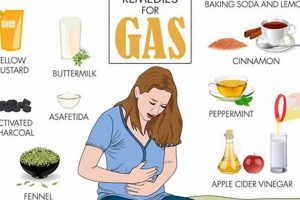
Plant-based remedies are frequently employed to manage gastrointestinal symptoms such as nausea, indigestion, and bloating. Ginger (Zingiber officinale), for example, possesses documented antiemetic properties and is often used to alleviate nausea associated with motion sickness or pregnancy. Peppermint (Mentha piperita) has been shown to relax gastrointestinal muscles, reducing spasms and bloating. The successful application of these remedies relies on accurate symptom identification and appropriate dosage.
- Modulation of Sleep Disturbances
Plant-based interventions are commonly utilized to address sleep disturbances such as insomnia and restless sleep. Valerian root (Valeriana officinalis) has demonstrated sedative properties and is often used to promote relaxation and improve sleep quality. Chamomile (Matricaria chamomilla) also exhibits calming effects and can be used as a mild sleep aid. However, it is crucial to consider potential interactions with other medications and to assess underlying causes of sleep disturbances before initiating treatment.
- Reduction of Inflammatory Responses
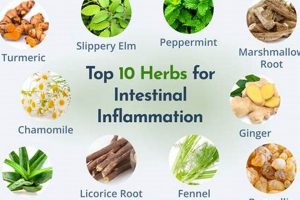
Certain plant species possess anti-inflammatory properties that can be harnessed to manage symptoms associated with inflammatory conditions. Turmeric (Curcuma longa), containing the active compound curcumin, has been shown to reduce inflammation and pain in conditions such as osteoarthritis. Topical application of aloe vera (Aloe barbadensis) can soothe skin inflammation associated with burns or eczema. The effectiveness of these remedies depends on the severity of inflammation and the bioavailability of the active compounds.
- Management of Upper Respiratory Symptoms
Plant-based remedies are frequently used to alleviate symptoms associated with upper respiratory infections, such as cough, congestion, and sore throat. Honey, derived from various floral sources, has demonstrated antitussive properties and can soothe irritated throats. Eucalyptus oil (Eucalyptus globulus) possesses decongestant properties and can be used in steam inhalations to relieve nasal congestion. It’s crucial to note that these remedies primarily address symptoms and do not directly target the underlying infection.
These examples illustrate the multifaceted role of plant-based remedies in symptom management within the domestic setting. The successful and responsible application of these interventions requires a comprehensive understanding of plant pharmacology, symptom profiles, and potential interactions. The selection of appropriate plant species, preparation methods, and dosages should be guided by evidence-based resources and, when necessary, professional consultation. It is important to recognize that plant-based approaches may not be suitable for all conditions and should not replace conventional medical treatment when indicated.
Frequently Asked Questions Regarding Plant-Based Solutions for Domestic Use
The following questions address common inquiries and misconceptions surrounding the utilization of plant-based solutions within the home environment. These responses aim to provide clear, informative guidance based on current scientific understanding and established best practices.
Question 1: Are plant-based remedies inherently safe due to their “natural” origin?
The designation “natural” does not automatically equate to safety. Many plants contain potent compounds that can exert significant physiological effects, some of which may be harmful. Accurate identification, appropriate preparation, and adherence to recommended dosages are critical to minimizing risks.
Question 2: Can plant-based remedies replace conventional medical treatments?
Plant-based remedies should not be considered a substitute for conventional medical care, particularly in the management of serious or chronic conditions. While they may offer supportive or adjunctive benefits, they often lack the rigorous scientific validation and standardized dosages characteristic of pharmaceutical interventions.
Question 3: How can one ensure the quality and purity of plant-based products?
Purchasing products from reputable suppliers who adhere to Good Manufacturing Practices (GMP) is essential. Look for products that have undergone third-party testing for contaminants and have been standardized for active compounds. Avoid products with vague labeling or unsubstantiated claims.
Question 4: What are the potential risks of combining plant-based remedies with prescription medications?
Plant compounds can interact with pharmaceutical agents, either potentiating or inhibiting their effects. These interactions can alter drug metabolism, absorption, or excretion, leading to adverse events. Consulting with a qualified healthcare professional is crucial before combining plant-based remedies with prescription medications.
Question 5: Are there specific populations who should exercise particular caution when using plant-based remedies?
Pregnant women, breastfeeding mothers, infants, children, and individuals with pre-existing medical conditions, such as liver or kidney disease, should exercise extreme caution when using plant-based remedies. These populations may be more vulnerable to adverse effects due to physiological differences or compromised organ function.
Question 6: How can one access reliable information about the safe and effective use of plant-based remedies?
Consulting with qualified healthcare professionals, such as physicians, pharmacists, or herbalists, is the most reliable source of information. Reputable online databases, scientific journals, and evidence-based resources can also provide valuable guidance. Avoid relying solely on anecdotal evidence or unsubstantiated claims.
The prudent and responsible integration of plant-based approaches into domestic healthcare necessitates a commitment to informed decision-making, rigorous quality control, and open communication with healthcare providers. These practices mitigate potential risks and maximize the opportunity for therapeutic benefit.
The subsequent article section will delve into legal and ethical considerations surrounding plant-based solution at home.
Conclusion
This exploration has underscored the multifaceted nature of herbal remedies at home, moving beyond simplistic notions of “natural” cures. It has illuminated critical considerations, including plant identification, preparation methods, dosage guidelines, safety precautions, potential interactions with conventional medications, and the imperative of quality control. The discussed elements collectively influence the responsible and effective integration of plant-based approaches into personal health maintenance strategies.
The judicious use of plant-derived interventions necessitates ongoing education, a commitment to evidence-based practices, and open communication with qualified healthcare providers. Continued research and rigorous evaluation are crucial to further elucidating the efficacy and safety profiles of herbal remedies at home, ensuring their responsible and beneficial application within the broader context of healthcare.