Botanical treatments aimed at alleviating sinus discomfort represent a traditional approach to addressing nasal congestion, pressure, and related symptoms. These treatments often involve the utilization of plants or plant extracts known for their anti-inflammatory, decongestant, or antimicrobial properties. A common example involves the use of eucalyptus oil in steam inhalation to help open nasal passages.
The appeal of these treatments lies in their potential to offer symptom relief with perceived fewer side effects compared to conventional pharmaceutical options. Historically, many cultures have relied on botanical knowledge to manage respiratory ailments, with practices passed down through generations. Benefits often include reduced nasal inflammation, facilitated drainage of sinus cavities, and relief from headaches associated with sinus pressure. The historical context reveals a long-standing reliance on readily available natural resources for managing respiratory health.
The subsequent sections will delve into specific botanical options, their purported mechanisms of action, potential risks and benefits, and evidence-based research supporting their use in sinus symptom management. This exploration aims to provide a balanced understanding of the role these treatments can play in promoting sinus health.
Guidance on Botanical Sinus Support
The following recommendations provide a framework for understanding and considering the use of botanical approaches to alleviate sinus-related symptoms. It is imperative to consult with a qualified healthcare professional prior to initiating any new treatment regimen, especially when pre-existing conditions are present or other medications are being taken.
Tip 1: Identify Specific Triggers. A systematic approach involves pinpointing specific allergens or environmental factors that exacerbate sinus issues. Maintaining a detailed log of potential triggers and correlating them with symptom onset can aid in avoidance strategies.
Tip 2: Employ Nasal Irrigation Techniques. Consistent saline nasal irrigation helps to remove irritants and clear nasal passages. Use a sterile saline solution and follow established guidelines to minimize the risk of infection.
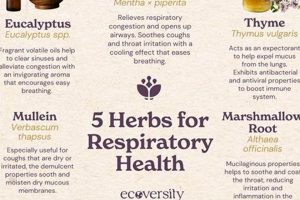
Tip 3: Consider Eucalyptus Oil Steam Inhalation. Adding a few drops of eucalyptus oil to hot water and inhaling the steam may help to decongest nasal passages due to its expectorant properties. Exercise caution to avoid burns and discontinue use if irritation occurs.
Tip 4: Evaluate the Potential of Peppermint Oil. Peppermint oil, containing menthol, can create a sensation of improved airflow. However, it is important to use diluted forms and be aware of potential sensitivities.
Tip 5: Assess the Suitability of Herbal Teas. Certain herbal teas, such as those containing ginger or chamomile, may possess anti-inflammatory properties that could offer symptomatic relief. Monitor for allergic reactions.
Tip 6: Maintain Adequate Hydration. Sufficient fluid intake helps to thin mucus secretions, facilitating drainage and reducing sinus congestion. Water is preferred, and excessive consumption of caffeinated beverages should be avoided due to their diuretic effect.
Tip 7: Monitor Air Quality and Humidity. Maintaining optimal humidity levels within the home, typically between 30-50%, can prevent nasal passages from drying out. Consider using a humidifier, particularly during drier months.
These recommendations offer a starting point for exploring botanical options for sinus support. Individual responses to these suggestions may vary. It is crucial to prioritize safety and evidence-based practices.
The subsequent sections will delve into specific botanical options, their purported mechanisms of action, potential risks and benefits, and evidence-based research supporting their use in sinus symptom management. This exploration aims to provide a balanced understanding of the role these treatments can play in promoting sinus health.
1. Safety Profile Awareness

Understanding the safety profile of botanical treatments intended for sinus relief is paramount. The natural origin of a substance does not inherently guarantee its safety; rigorous assessment is required to mitigate potential risks.
- Potential for Allergic Reactions
Certain individuals may exhibit allergic sensitivities to specific plants or plant components. Reactions can range from mild skin irritation to severe anaphylaxis. Thorough screening for allergies and cautious initial use are essential to prevent adverse events. For example, ragweed pollen can trigger allergic rhinitis, exacerbating sinus symptoms.
- Drug Interactions
Botanical substances can interact with prescription and over-the-counter medications, altering their efficacy or increasing the risk of side effects. For instance, St. John’s Wort, while sometimes used for mood support, can interfere with numerous medications, including some commonly used for sinus infections. Healthcare professionals must be informed of all substances being used to avoid potential complications.
- Contamination and Quality Control
The source and manufacturing processes of botanical products significantly influence their safety. Contamination with heavy metals, pesticides, or other adulterants can pose health risks. Third-party certifications and reputable suppliers are crucial for ensuring product purity and potency. Lack of standardization can lead to unpredictable effects.
- Contraindications for Specific Populations
Certain populations, such as pregnant women, breastfeeding mothers, and young children, may be particularly vulnerable to the adverse effects of botanical treatments. Certain substances may be teratogenic or have unknown effects on infant development. Consulting with a qualified healthcare provider is essential to determine the appropriateness of specific treatments in these populations.
Navigating the realm of botanical interventions for sinus ailments necessitates a meticulous approach to safety. A comprehensive understanding of potential allergies, drug interactions, contamination risks, and contraindications for specific populations is crucial. Responsible usage, in consultation with healthcare professionals, minimizes the risk of adverse outcomes and ensures informed decision-making.
2. Efficacy evidence review

The efficacy evidence review for plant-based treatments targeting sinus ailments necessitates a rigorous examination of available scientific data. This process assesses the cause-and-effect relationship between the use of a specific botanical substance and the alleviation of sinus symptoms such as nasal congestion, sinus pressure, and inflammation. The absence of robust evidence can lead to unsubstantiated claims and potentially ineffective treatments. Real-life examples include studies evaluating the impact of Echinacea on upper respiratory infections; some studies show limited benefits, while others demonstrate no significant impact compared to placebo, highlighting the importance of critically analyzing research methodologies and outcomes.
The significance of efficacy evidence review within the domain of plant-based sinus treatments lies in ensuring patient safety and promoting responsible healthcare practices. Without sufficient evidence, individuals may rely on remedies that offer little to no therapeutic benefit, potentially delaying appropriate medical intervention and prolonging suffering. For instance, anecdotal claims regarding the effectiveness of certain herbal combinations should be verified through controlled clinical trials to establish their true efficacy and safety profile. Practically, this understanding empowers healthcare providers to make informed recommendations and guide patients toward evidence-based treatment options, potentially reducing the misuse of ineffective or even harmful substances.
In conclusion, the efficacy evidence review serves as a critical filter for separating promising plant-based treatments from unsubstantiated claims. By prioritizing rigorous scientific evaluation, the potential for both patient harm and wasted resources can be minimized. Challenges remain in standardizing botanical preparations and conducting large-scale clinical trials, emphasizing the ongoing need for investment in research to build a stronger evidence base supporting the responsible use of plant-derived substances for sinus relief. The broader theme of evidence-based medicine emphasizes the importance of grounding all healthcare decisions in sound scientific principles.
3. Appropriate dosage guidelines

Accurate dosage determination is a critical component of the safe and effective utilization of plant-derived substances for sinus symptom management. The concentration of active compounds in botanical preparations can vary significantly based on factors such as plant species, growing conditions, harvesting methods, and extraction techniques. Consequently, relying solely on general recommendations or anecdotal evidence carries inherent risks of both under-dosing, resulting in therapeutic failure, and over-dosing, leading to adverse effects. For example, the concentration of cineole, the primary active compound in eucalyptus oil, can vary significantly between different eucalyptus species and extraction methods. Inadequate levels may fail to provide decongestant relief, while excessive concentrations can irritate the respiratory tract.
The importance of precise dosage guidelines within the context of botanical sinus interventions stems from the potential for interactions with physiological systems and other medications. Many plant-derived compounds exert pharmacological effects by interacting with receptors, enzymes, or metabolic pathways. Incorrect dosing can disrupt these interactions, leading to unintended consequences. Consider the use of goldenseal, traditionally used for its antimicrobial properties. Excessive consumption can interfere with the absorption of certain medications due to its effects on cytochrome P450 enzymes. Furthermore, individual factors such as age, weight, kidney and liver function, and concurrent health conditions can influence how an individual responds to botanical substances. Appropriate dosage adjustments must account for these variables to optimize therapeutic outcomes and minimize harm.
In summary, adherence to appropriate dosage guidelines is paramount when considering botanical approaches to sinus relief. Variability in product composition, potential for pharmacological interactions, and the influence of individual patient factors necessitate a careful and individualized approach to dosing. The development and dissemination of evidence-based dosage recommendations, combined with professional guidance from knowledgeable healthcare practitioners, are essential for ensuring the safe and effective use of plant-derived substances for sinus symptom management. The challenge lies in establishing standardized preparations and conducting rigorous clinical trials to determine optimal dosing strategies for various botanical agents.
4. Interaction potential assessment

Interaction potential assessment, as it pertains to botanical interventions for sinus conditions, is a critical element of responsible healthcare. The concurrent use of plant-derived substances with conventional pharmaceuticals or other botanicals introduces the possibility of synergistic, additive, or antagonistic effects. These interactions can alter drug metabolism, receptor binding, or physiological processes, leading to unexpected or undesirable outcomes. For instance, an individual using warfarin, an anticoagulant medication, faces an elevated risk of bleeding complications if concurrently consuming high doses of ginger, known for its anti-inflammatory and anti-platelet properties. A thorough evaluation of potential interactions is essential for minimizing the risk of adverse events. The absence of such assessment can compromise patient safety and therapeutic efficacy.
The importance of interaction potential assessment extends beyond mere safety concerns. Accurate identification of potential interactions allows for proactive dose adjustments, alternative treatment selections, and improved patient monitoring. Consider a scenario where an individual using a selective serotonin reuptake inhibitor (SSRI) for depression concurrently uses St. John’s Wort, an herb also known to affect serotonin levels. The combined effect could precipitate serotonin syndrome, a potentially life-threatening condition characterized by altered mental status, autonomic instability, and neuromuscular abnormalities. Implementing a comprehensive interaction assessment strategy, including detailed medication history and awareness of known interactions, empowers healthcare providers to mitigate such risks. Practically, this knowledge allows for informed decision-making, ensuring patients receive the most appropriate and safe care.
In conclusion, interaction potential assessment is an indispensable component of the judicious use of plant-based substances for sinus symptom relief. Failure to adequately evaluate these interactions can lead to adverse effects, therapeutic failures, and compromised patient safety. The challenge lies in the complexity of botanical compositions and the limited availability of comprehensive interaction data. Ongoing research to elucidate the mechanisms of action of botanical substances and their interactions with conventional medications is essential. Ultimately, integrating interaction assessment into clinical practice promotes responsible and evidence-based healthcare, optimizing the potential benefits of botanical interventions while minimizing potential risks.
5. Source and quality validation

The integrity of treatments aimed at alleviating sinus discomfort hinges critically on the origin and standardization of their constituent botanical elements. Source and quality validation serves as the foundation for ensuring product safety, efficacy, and consistency in the realm of treatments targeting sinus conditions. Without these measures, the potential for contamination, adulteration, and therapeutic inconsistency rises substantially, undermining the overall value of these natural approaches.
- Geographic Origin and Species Authentication
The location in which a plant is cultivated profoundly affects its chemical composition due to variations in soil composition, climate, and environmental factors. Ensuring accurate species identification is equally important to prevent substitution with related but therapeutically distinct plants. For instance, different varieties of Eucalyptus possess varying levels of cineole, the compound responsible for decongestant effects. Misidentification or sourcing from inappropriate geographic regions can diminish therapeutic efficacy. Rigorous botanical authentication and geographic traceability are necessary to guarantee product consistency and expected clinical outcomes.
- Cultivation Practices and Harvesting Methods
The methods employed in cultivating and harvesting plants significantly impact their quality and purity. Organic cultivation practices minimize exposure to pesticides, herbicides, and other synthetic chemicals, reducing the risk of contamination. Harvesting at the optimal time, when the plant’s active compounds are at their peak concentration, is crucial for maximizing therapeutic potential. Improper harvesting techniques can damage plant material and reduce its overall quality. Strict adherence to Good Agricultural and Collection Practices (GACP) guidelines is essential for ensuring consistent quality.
- Extraction and Processing Techniques
The methods used to extract and process plant material into usable forms, such as tinctures, extracts, or essential oils, can significantly affect the final product’s composition and stability. Solvent selection, temperature control, and purification processes all play critical roles. Inappropriate extraction techniques can degrade active compounds or introduce harmful residues. Standardized extraction procedures and quality control measures, such as high-performance liquid chromatography (HPLC) and gas chromatography-mass spectrometry (GC-MS), are necessary to verify the concentration and purity of active compounds.
- Third-Party Certification and Quality Assurance
Independent third-party certification provides an objective assessment of product quality and adherence to established standards. Organizations such as the U.S. Pharmacopeia (USP), NSF International, and ConsumerLab.com conduct independent testing and verification of botanical products. These certifications can offer consumers and healthcare providers assurance regarding product identity, potency, and purity. A robust quality assurance program, encompassing comprehensive testing and documentation at all stages of production, is paramount for maintaining product integrity and building consumer trust.
The interwoven nature of geographic origin, cultivation, extraction, and third-party validation forms a holistic approach to ensuring the quality and reliability of treatments targeting sinus ailments. Only through diligent attention to these details can the true therapeutic potential of botanical interventions be realized, providing patients with safe and effective options for managing their sinus health. The absence of rigorous quality control measures undermines the integrity of these treatments and poses potential risks to consumers.
Frequently Asked Questions
The following questions address common inquiries and concerns regarding botanical interventions for managing sinus symptoms. The responses provide factual information and emphasize the importance of consulting qualified healthcare professionals.
Question 1: Are “herbal sinus remedies” safe for long-term use?
Long-term safety depends on the specific botanical substance and individual patient factors. Certain herbs, such as those containing pyrrolizidine alkaloids, are known to be hepatotoxic with prolonged use. Consultation with a qualified healthcare provider is essential to assess potential risks and benefits, and to establish appropriate monitoring parameters.
Question 2: Can plant-based treatments completely cure chronic sinusitis?
Plant-based approaches are primarily intended for symptom management and may not address the underlying causes of chronic sinusitis, such as structural abnormalities or immune deficiencies. While some botanicals may offer anti-inflammatory or antimicrobial effects, comprehensive medical evaluation and management are often necessary to address chronic conditions.
Question 3: How can one ensure the quality and purity of “herbal sinus remedies?”
Selecting products from reputable manufacturers that adhere to Good Manufacturing Practices (GMP) and undergo third-party testing is crucial. Look for certifications from organizations such as the U.S. Pharmacopeia (USP) or NSF International. Understanding the source of the botanical ingredient and its cultivation practices is also important.
Question 4: Are “herbal sinus remedies” safe for pregnant or breastfeeding women?
Many plant-derived substances are contraindicated during pregnancy and breastfeeding due to potential teratogenic effects or transfer into breast milk. Consulting with an obstetrician or qualified healthcare provider is essential to assess the risks and benefits of specific botanical interventions during these periods.
Question 5: Can plant-based treatments interact with prescription medications?
Yes, significant interactions can occur between certain botanical substances and prescription medications. For example, St. John’s Wort can induce cytochrome P450 enzymes, affecting the metabolism of numerous drugs. Providing a comprehensive list of all medications and supplements to a healthcare provider is essential for assessing interaction risks.
Question 6: What are the potential side effects associated with “herbal sinus remedies?”
Side effects vary depending on the specific botanical substance. Common side effects include allergic reactions, gastrointestinal upset, and skin irritation. In rare cases, more severe adverse events may occur. Reporting any unexpected or concerning symptoms to a healthcare provider is essential.
In conclusion, plant-based approaches to sinus symptom relief offer potential benefits, but require careful consideration of safety, efficacy, and quality. Consulting with qualified healthcare professionals is paramount for ensuring responsible and informed decision-making.
The following sections will provide a summary of key considerations for those exploring these treatments.
Conclusion
The exploration of “herbal sinus remedies” reveals a complex landscape of potential benefits and inherent risks. While offering a traditional approach to managing sinus discomfort, these treatments necessitate a cautious and informed approach. Factors such as product quality, potential interactions with conventional medications, and individual patient sensitivities require meticulous consideration. The need for robust scientific evidence to support efficacy claims remains paramount.
The responsible integration of “herbal sinus remedies” into sinus care necessitates a commitment to evidence-based practices and collaboration with qualified healthcare professionals. Further research is essential to standardize botanical preparations, elucidate mechanisms of action, and establish definitive safety profiles. Individuals exploring these options must prioritize their health and well-being through informed decision-making and proactive engagement with the medical community.