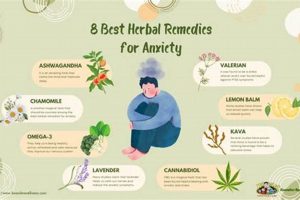
Botanical treatments have been employed across cultures for centuries to alleviate mental and emotional distress. These natural approaches leverage the inherent therapeutic properties of plants, often in the form of teas, tinctures, or capsules, to influence mood and cognitive function. The selection of specific plants depends on the targeted symptoms, ranging from generalized worry to persistent sadness.
The appeal of using plants stems from several factors. Historically, they were the primary source of medicine, with traditional healing systems deeply rooted in their application. Contemporary interest also arises from the perception of plant-based options as being gentler and potentially having fewer side effects than some pharmaceutical interventions. Furthermore, accessibility and cultural familiarity can contribute to their perceived value and utilization.
The following sections explore commonly researched and utilized plants for addressing unease and low mood. This will include a brief overview of their purported mechanisms of action, available scientific evidence, and important considerations regarding safety and potential interactions with other medications or conditions. It is crucial to consult with qualified healthcare professionals before initiating any new treatment regimen.
Guidance on Botanical Approaches
The following suggestions provide guidance when considering the use of plant-based options for managing unease or low mood. The recommendations emphasize informed decision-making and responsible implementation.
Tip 1: Research Thoroughly: Prior to use, investigate the specific plant’s purported effects, potential side effects, and any known interactions with medications or pre-existing health conditions. Reputable sources include peer-reviewed journals and evidence-based databases.
Tip 2: Consult a Healthcare Professional: Discuss the intention to use plants with a physician, psychiatrist, or qualified herbalist. This is essential to ensure safety and to rule out any contraindications or interactions with current treatments.
Tip 3: Source Reputable Products: Select products from manufacturers that adhere to Good Manufacturing Practices (GMP) and provide Certificates of Analysis (COAs). This helps ensure product quality, purity, and accurate labeling.
Tip 4: Start with Low Doses: Initiate use with the lowest recommended dose and gradually increase as needed, while carefully monitoring for any adverse reactions. This allows for individual tolerance assessment and minimization of potential side effects.
Tip 5: Monitor Progress: Maintain a detailed record of symptoms, dosages, and any observed effects. This information can be shared with healthcare providers to optimize treatment and assess efficacy.
Tip 6: Be Patient: Plant-based treatments often require consistent use over several weeks or months before noticeable benefits are experienced. Realistic expectations are crucial for adherence and evaluation of effectiveness.
Tip 7: Consider Lifestyle Factors: Recognize that botanical approaches are most effective when combined with other healthy lifestyle practices, such as regular exercise, a balanced diet, adequate sleep, and stress management techniques.
Tip 8: Understand Limitations: Acknowledge that plant-based options may not be sufficient for individuals with severe or persistent mental health conditions. Pharmaceutical interventions and psychotherapy may be necessary in such cases.
Adherence to these recommendations can promote responsible and informed use of botanical approaches for managing unease and low mood. Prioritizing safety, efficacy, and integration with conventional medical care is paramount.
The subsequent sections explore considerations regarding specific plant options and their role within a comprehensive treatment plan.
1. Efficacy Variability

The effectiveness of plant-based treatments for emotional distress exhibits substantial variation, representing a significant consideration for individuals exploring these options. This variability arises from a confluence of factors, including the inherent complexity of plant chemistry, differences in product formulation, and the unique physiological and psychological characteristics of each individual. Consequently, a plant that proves beneficial for one person may yield minimal or no effect for another, even when used for similar symptoms.
Several factors contribute to this observed inconsistency. Firstly, the concentration of active compounds within a given plant can fluctuate depending on growing conditions, harvesting methods, and processing techniques. This impacts the potency of the final product. Secondly, different manufacturers may employ distinct extraction methods, leading to variations in the composition and bioavailability of key constituents. Finally, individual differences in metabolism, genetics, and the severity of underlying conditions can influence how the body responds to plant-based interventions. For example, some individuals might possess specific enzyme variations that either enhance or impede the metabolism of active compounds in plants like St. John’s Wort or Valerian root.
Understanding the reasons for the varying effectiveness of plant-based options is crucial for setting realistic expectations and guiding treatment decisions. The inherent inconsistency underscores the importance of individualized approaches, careful monitoring, and open communication with healthcare professionals. While some individuals may experience significant benefits from plants, others may find them ineffective or only minimally helpful. Combining plants with other therapeutic modalities, such as cognitive behavioral therapy or lifestyle modifications, can further optimize outcomes. Considering the factors of efficacy variability, the utilization of standardized herbal products or consulting with qualified herbalists may improve the reliability of treatment outcomes.
2. Dosage Precision

In the realm of botanical treatments for emotional distress, the concept of dosage precision assumes paramount importance, particularly when addressing conditions such as unease and low mood. Unlike pharmaceuticals, where dosages are meticulously standardized, plant-based options often present challenges due to inherent variability in active compound concentrations. Inaccurate dosing can render a potentially beneficial treatment ineffective or, conversely, trigger adverse reactions. The inherent complexity of plants demands careful consideration to ensure optimal therapeutic outcomes and minimize potential harm.
The efficacy of various plants is intricately linked to the quantity of active constituents administered. Subtherapeutic doses may fail to elicit the desired physiological or psychological effects, leaving symptoms unaddressed. Conversely, excessive doses can lead to a range of undesirable consequences, including gastrointestinal upset, central nervous system disturbances, or interactions with concurrently administered medications. For instance, kava, known for its calming properties, can induce liver toxicity if consumed in excessively high quantities or in combination with other hepatotoxic substances. Similarly, excessive intake of St. John’s Wort may increase photosensitivity and interact with numerous medications, including antidepressants and blood thinners. Precise dosing, therefore, serves as a cornerstone of responsible utilization.
Achieving accurate dosing requires careful attention to detail and a comprehensive understanding of product characteristics. Consultation with qualified healthcare professionals is essential to determine appropriate dosages based on individual needs and potential contraindications. Selecting products from reputable manufacturers that adhere to rigorous quality control standards further enhances dosing reliability. The significance of dosage precision in botanical medicine cannot be overstated. It directly influences therapeutic outcomes, safety, and the overall effectiveness of plant-based approaches in addressing emotional distress. A nuanced understanding of these principles is crucial for both practitioners and individuals seeking plant-based solutions.
3. Interaction Risks

The concurrent use of plant-based options and conventional medications for emotional conditions introduces potential for adverse interactions, a factor demanding careful consideration. These interactions can manifest through various mechanisms, altering drug metabolism, receptor binding, or neurotransmitter activity. The consequences range from diminished efficacy of conventional treatments to augmented side effects or the emergence of new, unanticipated adverse events. This underscores the critical need for thorough assessment and professional guidance when integrating plant-based treatments into existing pharmaceutical regimens.
The combination of St. John’s Wort and selective serotonin reuptake inhibitors (SSRIs), for instance, carries a significant risk of serotonin syndrome, a potentially life-threatening condition characterized by agitation, confusion, rapid heart rate, and muscle rigidity. Similarly, combining valerian root with benzodiazepines can potentiate sedative effects, leading to excessive drowsiness and impaired cognitive function. Furthermore, certain plant constituents can interfere with the activity of liver enzymes responsible for metabolizing numerous medications, thereby altering drug concentrations in the bloodstream. These examples illustrate the complex pharmacological interactions that can arise from concurrent use of plants and pharmaceuticals, highlighting the importance of proactive risk assessment.
A comprehensive understanding of interaction risks is essential for ensuring patient safety and optimizing treatment outcomes. Healthcare professionals must carefully evaluate patients’ medication lists, inquire about the use of plant-based options, and consider potential interactions before prescribing new medications or recommending plant-based treatments. Open communication between patients and providers is paramount for identifying and mitigating these risks. Further, individuals should source plant-based products from reputable manufacturers that provide detailed information about potential interactions. Recognizing and addressing interaction risks represents a critical aspect of responsible practice, enhancing safety in the application of plant-based options for mental well-being.
4. Quality Assurance

Quality assurance is an indispensable component in the safe and effective utilization of plant-based treatments for emotional distress. It encompasses a range of practices designed to ensure product consistency, purity, and potency. The absence of robust quality control measures can compromise product integrity, leading to unpredictable therapeutic effects and potential harm.
- Authentication and Identification
The initial step in quality assurance involves verifying the botanical identity of the raw material. Misidentification or adulteration with other plant species can introduce unintended compounds and compromise the intended therapeutic effect. Techniques such as macroscopic and microscopic analysis, as well as DNA barcoding, are employed to confirm the correct species. For instance, authenticating true chamomile (Matricaria chamomilla) versus less effective substitutes is crucial for its intended calming effects.
- Purity and Contaminant Testing
Raw plant materials and finished products must undergo rigorous testing to detect and quantify contaminants, including heavy metals, pesticides, microbial pathogens, and mycotoxins. These contaminants can pose significant health risks, particularly for individuals with compromised immune systems or underlying health conditions. For example, testing for lead, arsenic, and mercury is vital, as these heavy metals can accumulate in plants grown in contaminated soil.
- Standardization and Active Compound Quantification
Standardization involves ensuring consistent levels of key active compounds within each batch of product. This is achieved through analytical testing, such as high-performance liquid chromatography (HPLC) or gas chromatography-mass spectrometry (GC-MS), to quantify specific compounds known to contribute to the plant’s therapeutic effects. For instance, standardizing St. John’s Wort extracts to a specific hypericin content ensures consistent antidepressant activity.
- Good Manufacturing Practices (GMP) Compliance
Adherence to GMP guidelines is essential for ensuring the quality, safety, and consistency of plant-based products. GMP standards encompass all aspects of production, from raw material sourcing and processing to packaging and labeling. Compliance with GMP regulations helps prevent contamination, errors, and deviations from established procedures. Manufacturers that are GMP-certified undergo regular audits to verify adherence to these standards.
These quality assurance measures are collectively essential for ensuring that plant-based products consistently deliver their intended benefits without posing undue risks. By prioritizing quality assurance, manufacturers and consumers alike contribute to the responsible and effective integration of botanical medicine within the broader landscape of mental healthcare.
5. Professional Guidance

The application of botanical treatments for emotional conditions warrants qualified professional oversight. The self-directed use of such remedies, especially in the context of anxiety and low mood, poses risks stemming from potential misdiagnosis, inappropriate selection of herbs, inaccurate dosing, and adverse interactions with conventional medications or pre-existing health conditions. Competent professional guidance mitigates these risks, optimizing therapeutic outcomes and safeguarding patient well-being. For instance, an individual self-treating perceived anxiety with valerian root might overlook an underlying thyroid disorder contributing to the symptoms, delaying appropriate medical intervention.
The integration of professional expertise involves several key components. A healthcare provider can conduct a thorough assessment to identify the root causes of emotional distress, differentiating between situational anxiety, generalized anxiety disorder, or depression. This differential diagnosis informs the selection of appropriate botanical treatments, considering individual physiology, symptom severity, and potential contraindications. A trained herbalist or physician can also provide guidance on dosage and administration, as well as monitor for adverse effects. Consider the case of an individual taking St. John’s Wort concurrently with an antidepressant; a healthcare provider can monitor for signs of serotonin syndrome and adjust treatment accordingly. Moreover, qualified professionals offer holistic support, encompassing lifestyle modifications, stress management techniques, and referral to other therapeutic modalities, such as psychotherapy, when indicated.
In summation, qualified professional oversight constitutes an indispensable component of responsible botanical treatment for emotional health. It minimizes risks associated with self-treatment, enhances therapeutic efficacy, and promotes a holistic approach to wellness. Individuals considering plants for unease or low mood are strongly advised to seek guidance from experienced healthcare providers to ensure safe and effective application. Failure to do so may compromise their safety and potentially delay or hinder the achievement of desired mental health outcomes.
6. Holistic Integration

The application of plant-based treatments for anxiety and low mood is most effective when integrated within a holistic framework. Viewing emotional well-being as interconnected with physical, environmental, and lifestyle factors necessitates a comprehensive approach extending beyond simply taking a plant. This integration recognizes that mental states are influenced by various elements, including diet, exercise, sleep hygiene, social connection, and stress management techniques. A deficiency in any of these areas can undermine the potential benefits of plant-based interventions, while addressing these factors can significantly enhance their efficacy. A person experiencing chronic sleep deprivation, for example, may find that plants intended to alleviate anxiety offer limited relief until their sleep patterns are addressed through improved sleep hygiene practices.
The core principle of holistic integration lies in identifying and addressing the underlying causes and contributing factors to emotional distress. This often involves collaborative care with healthcare providers to rule out medical conditions that may mimic or exacerbate symptoms. Lifestyle modifications, such as regular physical activity and a nutrient-rich diet, play a crucial role in supporting mental health. Exercise, for instance, is known to stimulate the release of endorphins, which have mood-boosting effects. Similarly, a diet rich in omega-3 fatty acids and B vitamins can support optimal brain function. Stress management techniques, such as mindfulness meditation and deep breathing exercises, help regulate the nervous system and reduce anxiety symptoms. The combination of plants with these lifestyle changes fosters a synergistic effect, promoting greater and more sustainable improvements in emotional well-being. Consider a person experiencing anxiety triggered by work-related stress; incorporating plants known for their calming effects alongside regular mindfulness practice and improved time management skills will likely yield more significant benefits than relying solely on plants.
In conclusion, the integration of botanical remedies within a holistic framework represents a fundamental principle for maximizing their therapeutic potential in addressing unease and low mood. By acknowledging the interconnectedness of mind, body, and environment, a comprehensive approach can yield more profound and lasting improvements in emotional well-being. While plants can provide valuable support, their effectiveness is optimized when coupled with lifestyle modifications, stress management techniques, and professional guidance. The adoption of a holistic perspective enhances the safety, efficacy, and sustainability of plant-based interventions in promoting emotional health. The true power of plant-based approaches is unlocked when viewed not as standalone treatments, but as integral components of a broader strategy designed to foster resilience, well-being, and overall quality of life.
Frequently Asked Questions Regarding Botanical Treatments for Emotional Conditions
The following addresses common inquiries and clarifies misconceptions regarding the utilization of plants for addressing unease and low mood.
Question 1: Are plant-based options a suitable substitute for conventional medications prescribed by a physician?
Plant-based options are not invariably a direct substitute for conventional pharmaceutical interventions. The suitability of plants depends on various factors, including the severity of the condition, individual physiology, and potential interactions with existing treatments. Consulting a qualified healthcare provider is essential to determine the most appropriate treatment strategy.
Question 2: How can the safety of botanical treatments be ensured?
Ensuring the safety of botanical treatments involves several key steps. These include sourcing products from reputable manufacturers that adhere to Good Manufacturing Practices (GMP), verifying the authenticity of plant species, testing for contaminants, and consulting with a qualified healthcare professional to assess potential interactions with other medications or conditions.
Question 3: What is the typical timeframe required to observe noticeable benefits from plant-based treatments?
The timeframe required to observe noticeable benefits from plant-based treatments can vary depending on the individual, the specific plant used, and the severity of the condition. Some individuals may experience improvements within a few weeks, while others may require several months of consistent use before observing significant changes. Patience and consistent adherence to recommended dosages are essential.
Question 4: Are there specific populations that should exercise caution when considering plant-based treatments?
Certain populations should exercise caution when considering plant-based treatments, including pregnant or breastfeeding women, individuals with pre-existing liver or kidney conditions, and those taking medications that may interact with plant constituents. Consulting a healthcare provider is essential to assess potential risks and benefits in these populations.
Question 5: How can one distinguish between a high-quality and a low-quality plant-based product?
Distinguishing between high-quality and low-quality plant-based products involves several considerations. Look for products that have been independently tested for purity and potency, bear certifications from reputable organizations, and are manufactured in facilities that adhere to Good Manufacturing Practices (GMP). Transparent labeling and detailed product information are also indicators of quality.
Question 6: What is the role of lifestyle modifications in conjunction with plant-based treatments?
Lifestyle modifications play a crucial role in supporting the effectiveness of plant-based treatments for emotional well-being. Adopting a healthy diet, engaging in regular physical activity, practicing stress management techniques, and ensuring adequate sleep can synergistically enhance the therapeutic benefits of plants.
In summary, responsible and informed use of plant-based approaches necessitates careful consideration of individual factors, product quality, and potential interactions. Consulting qualified healthcare professionals is paramount to ensuring safety and optimizing outcomes.
The following sections delve into the role of plants within a larger framework of treatment.
Conclusion
The foregoing exploration of herbal remedies for anxiety and depression underscores the complexity of their application. While plants offer a potentially valuable avenue for addressing emotional distress, their utilization necessitates informed decision-making. The variability in efficacy, the importance of dosage precision, the potential for interactions, the imperative of quality assurance, the need for professional guidance, and the value of holistic integration are all critical considerations. Plant-based options should not be approached with casual assumptions, but rather with a commitment to safety, responsible sourcing, and a comprehensive understanding of their potential benefits and limitations.
The integration of plant-based treatments into mental healthcare demands ongoing research and a commitment to evidence-based practice. Individuals contemplating the use of such remedies are strongly encouraged to consult with qualified healthcare professionals to ensure responsible and effective implementation. The future of plants in mental healthcare depends on diligent investigation, standardization of practices, and a continued prioritization of patient well-being. This investigation into herbal remedies for anxiety and depression ultimately advocates for informed choices and responsible practices within the realm of mental health support.