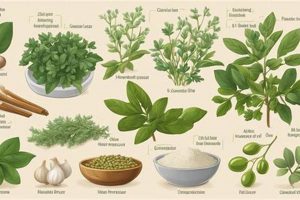
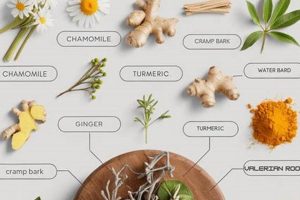
A natural approach to managing hypertension involves the use of plant-derived substances aimed at supporting cardiovascular health. These formulations are often sought as alternatives or complements to conventional pharmaceutical interventions for individuals concerned about maintaining healthy blood pressure levels. For example, garlic, hibiscus, and hawthorn berry are frequently cited in discussions surrounding these natural interventions.
The appeal stems from a perception of fewer side effects compared to prescription medications and a holistic approach to wellness. Historically, various cultures have utilized botanical preparations for their purported cardiovascular benefits. Investigation into these traditional practices continues to inform modern understanding and research into the efficacy of specific plant-based components.
The following sections will explore commonly discussed botanical options, examining available research regarding their effects on blood pressure, considerations for usage, and the importance of consulting with healthcare professionals before incorporating them into a health management plan.
Guidance on Integrating Plant-Based Options for Blood Pressure Management
The subsequent recommendations aim to provide informed insights into the responsible incorporation of botanical substances as a component of blood pressure management. Prioritize safety and consult with qualified healthcare professionals.
Tip 1: Research Specific Botanical Options: Conduct thorough research on individual herbs, focusing on scientific studies that assess their efficacy and safety profiles. Reputable sources include peer-reviewed journals and established medical databases.
Tip 2: Prioritize Consultation with a Healthcare Provider: Before initiating any new regimen, consult with a physician or qualified healthcare practitioner. This step ensures compatibility with existing medications and addresses any underlying health conditions.
Tip 3: Understand Potential Interactions: Be aware of potential interactions between herbal substances and prescription medications. Certain herbs can amplify or diminish the effects of pharmaceuticals, requiring careful monitoring.
Tip 4: Source Reputable Products: Obtain herbal supplements from reputable manufacturers adhering to quality control standards. Look for certifications from third-party organizations verifying purity and potency.
Tip 5: Adhere to Recommended Dosages: Strictly adhere to recommended dosages specified on product labels or as advised by a healthcare professional. Exceeding recommended dosages can increase the risk of adverse effects.
Tip 6: Monitor Blood Pressure Regularly: Consistently monitor blood pressure levels using a calibrated home blood pressure monitor or through regular check-ups with a healthcare provider. This data aids in assessing the effectiveness of the chosen approach.
Tip 7: Lifestyle Modifications: Complement the use of botanical substances with essential lifestyle modifications, including a balanced diet low in sodium, regular physical activity, and stress management techniques. This multi-faceted approach optimizes overall cardiovascular health.
Implementing these strategies, in collaboration with healthcare professionals, can assist in the informed and responsible exploration of plant-based options for maintaining healthy blood pressure levels.
The following section will consider potential risks and the importance of long-term monitoring in conjunction with any plant-based intervention.
1. Efficacy Research

Efficacy research forms the cornerstone of evidence-based decision-making concerning botanical interventions for hypertension. The availability of robust, scientifically sound studies directly impacts the understanding of whether a specific herb or combination of herbs demonstrably lowers blood pressure and improves cardiovascular health. Without rigorous efficacy research, the purported benefits remain speculative.
- Study Design Rigor
The methodology of clinical trials evaluating herbal substances must adhere to stringent scientific standards. This includes randomized controlled trials, blinding procedures (where applicable), and appropriate sample sizes. Studies lacking methodological rigor may produce biased or unreliable results, leading to inaccurate conclusions regarding effectiveness in blood pressure reduction. For example, a study lacking a control group cannot definitively attribute observed blood pressure changes to the herbal intervention alone.
- Standardization of Herbal Preparations
Consistency in the composition and potency of herbal preparations is paramount in efficacy research. Studies should clearly specify the source, extraction method, and standardization of active compounds within the herbal product. Variability in these factors can influence study outcomes and hinder the ability to replicate findings. The use of standardized extracts ensures that subsequent research and clinical application can reliably use comparable substances and dosages.
- Blood Pressure Measurement Protocols
Accurate and standardized blood pressure measurement techniques are essential. Protocols should align with established guidelines, such as those provided by the American Heart Association, to ensure reliable and comparable data across studies. Variations in measurement techniques, such as cuff size or patient positioning, can introduce bias and affect the interpretation of results. Studies demonstrating significant changes in blood pressure should clearly detail the measurement protocols utilized.
- Long-Term Outcome Assessment
Efficacy research should extend beyond short-term blood pressure readings and evaluate the long-term impact on cardiovascular health. This includes assessing outcomes such as the incidence of heart attack, stroke, and other cardiovascular events. Studies lacking long-term follow-up may provide an incomplete picture of the true benefits and risks associated with herbal interventions. For instance, a substance that lowers blood pressure in the short term may not necessarily translate to reduced cardiovascular risk over several years.
The strength and consistency of efficacy research findings directly influence the confidence with which healthcare professionals and individuals can consider natural options for blood pressure management. While anecdotal evidence and traditional usage may provide a foundation for exploration, robust scientific evidence is necessary to determine whether a particular substance truly constitutes a safe and effective tool for supporting cardiovascular health.
2. Safety Profile

The safety profile of any substance, particularly a botanical one intended for blood pressure management, is a primary consideration. Adverse effects stemming from herbal preparations can range from mild gastrointestinal upset to severe allergic reactions or interactions with prescription medications. The absence of comprehensive safety data represents a significant barrier to the widespread acceptance and responsible use of these remedies. For example, an herb with potent hypotensive effects, if inappropriately administered, could cause a dangerous drop in blood pressure, especially in individuals already taking antihypertensive drugs. This underscores the vital role that a well-defined safety profile plays in determining the suitability of these substances for particular individuals.
Understanding the safety profile necessitates considering several factors, including dosage, duration of use, potential interactions, and pre-existing health conditions. Some botanical substances may be contraindicated for individuals with kidney or liver disease, while others may interact negatively with common medications such as anticoagulants or antiplatelet agents. For instance, excessive consumption of licorice root, often found in certain herbal formulations, can lead to elevated blood pressure and potassium depletion, directly contradicting the intended therapeutic goal. Rigorous preclinical and clinical studies are essential to identify and characterize these potential risks.
In conclusion, a clearly defined safety profile is not merely an adjunct to herbal blood pressure remedies; it is an integral component of their responsible use. Ongoing research, transparent labeling, and comprehensive patient education are crucial to mitigating risks and ensuring that individuals can make informed decisions about incorporating these remedies into their healthcare plans. The ultimate aim is to balance potential benefits with a thorough understanding of potential harms, fostering a safer and more effective approach to natural blood pressure management.
3. Herb Interactions

The realm of botanical substances utilized for blood pressure management carries a significant consideration: the potential for interactions with other herbs, prescription medications, and even certain foods. Comprehending these interactions is crucial to ensuring the safety and efficacy of any herbal blood pressure regimen, mitigating the risk of adverse effects or diminished therapeutic outcomes.
- Pharmacokinetic Interactions
These interactions affect the absorption, distribution, metabolism, and excretion of both the herbal remedy and concurrently administered drugs. For example, St. John’s Wort, while sometimes considered for mood elevation, can induce liver enzymes that accelerate the metabolism of numerous medications, including certain blood thinners and cardiac drugs, potentially reducing their effectiveness. Conversely, some herbs may inhibit drug metabolism, leading to increased drug levels and a higher risk of toxicity. Therefore, understanding pharmacokinetic interactions is vital in preventing unintended consequences.
- Pharmacodynamic Interactions
Pharmacodynamic interactions occur when two or more substances exert additive, synergistic, or antagonistic effects on the same physiological system. For instance, combining a botanical substance with hypotensive properties, such as hawthorn berry, with a prescription antihypertensive medication could lead to an excessive drop in blood pressure, resulting in dizziness, lightheadedness, or even fainting. Conversely, an herb with blood pressure-elevating properties, such as licorice root, could counteract the effects of antihypertensive drugs, rendering them less effective. Therefore, careful consideration of pharmacodynamic interactions is essential in optimizing blood pressure control.
- Impact on Coagulation
Certain herbs, such as garlic, ginger, and ginkgo biloba, possess inherent antiplatelet or anticoagulant properties. When taken in conjunction with prescription blood thinners, such as warfarin or aspirin, these herbs can significantly increase the risk of bleeding. This risk is particularly concerning for individuals undergoing surgery or with pre-existing bleeding disorders. Therefore, individuals considering natural options for blood pressure management should disclose all herbal and supplement use to their healthcare providers to avoid potentially life-threatening complications.
- Electrolyte Imbalance Risks
Some herbal substances can influence electrolyte balance, notably potassium levels. For example, licorice root can lead to potassium depletion, while diuretics can also impact potassium levels. Concurrent use with certain medications that affect potassium, such as ACE inhibitors or potassium-sparing diuretics, may exacerbate these imbalances, potentially leading to cardiac arrhythmias or other adverse effects. Monitoring electrolyte levels and adjusting medication dosages accordingly may be necessary to prevent complications.
In summary, the intricate web of potential interactions underscores the critical need for thorough communication between individuals and their healthcare providers regarding all substances being ingested, including herbal remedies. By understanding these interactions, potential adverse events can be mitigated, and safer, more effective approaches to blood pressure management can be achieved.
4. Dosage Control

Dosage control constitutes a critical element in the safe and effective utilization of any botanical substance intended for blood pressure regulation. While the term “natural” often implies inherent safety, it does not negate the potential for adverse effects when exceeding recommended dosages. Plant-derived compounds, like their pharmaceutical counterparts, possess inherent bioactivity capable of eliciting a range of physiological responses, depending on the amount administered. Insufficient dosage may render the remedy ineffective, while excessive dosage can lead to unwanted side effects, underscoring the importance of precise dosage management. For example, hawthorn berry, often cited for its cardiovascular benefits, may induce hypotension or gastrointestinal discomfort if taken in quantities exceeding established guidelines.
The practical significance of dosage control extends beyond immediate safety considerations. Consistent and appropriate dosages are essential for accurately evaluating the efficacy of a particular botanical intervention. Clinical trials investigating the effects of herbal remedies rely on standardized dosages to ensure that observed outcomes can be reliably attributed to the substance under investigation. Deviations from established dosage protocols can introduce variability and confound study results, making it difficult to draw definitive conclusions about the remedy’s true potential. Furthermore, individual factors such as body weight, age, and underlying health conditions may influence the optimal dosage required to achieve the desired therapeutic effect.
In summary, dosage control serves as a fundamental principle in the responsible application of natural options for blood pressure regulation. It represents a crucial bridge between the potential benefits of botanical substances and the mitigation of potential risks. Adherence to recommended dosages, personalized dosage adjustments under the guidance of healthcare professionals, and ongoing monitoring of physiological responses are all integral to maximizing the safety and effectiveness of herbal remedies for blood pressure management.
5. Product Quality

The quality of products marketed as natural interventions for hypertension is of paramount importance. Variability in sourcing, processing, and manufacturing can significantly affect the composition, potency, and safety of the final product, ultimately influencing its potential impact on blood pressure and overall cardiovascular health.
- Source Material Authenticity
The accurate identification of the plant species used in the formulation is crucial. Adulteration with similar-looking but potentially ineffective or harmful species is a common concern. DNA barcoding and microscopic analysis are techniques used to verify the botanical identity of the source material. For example, substituting a less potent species for true hawthorn berry (Crataegus spp.) can diminish the product’s therapeutic efficacy.
- Extraction and Processing Methods
The methods employed to extract and process the active compounds from the plant material directly impact the potency and purity of the final product. Inadequate extraction techniques may fail to capture the full spectrum of beneficial compounds, while harsh processing methods can degrade or alter these compounds. Supercritical fluid extraction and standardized solvent extraction are examples of techniques that can yield consistent and high-quality extracts. For instance, using excessive heat during processing can destroy heat-sensitive compounds present in garlic, reducing its potential benefits.
- Standardization of Active Compounds
Standardization refers to the process of ensuring a consistent concentration of specific active compounds within each batch of product. This is typically achieved through rigorous quality control measures and analytical testing. Without standardization, the potency of the product can vary significantly, leading to unpredictable effects. For instance, a standardized garlic supplement should contain a consistent amount of allicin, the compound responsible for many of its cardiovascular benefits.
- Contaminant Testing
Finished products should undergo rigorous testing for contaminants, including heavy metals, pesticides, microbial pathogens, and other harmful substances. The presence of contaminants can negate the potential benefits of the product and pose serious health risks. Independent third-party testing and certification can provide assurance that products meet stringent quality standards. For example, products contaminated with lead can lead to a variety of health problems, including kidney damage and neurological effects.
The multifaceted nature of product quality highlights the importance of selecting reputable brands that prioritize rigorous quality control measures. Consumers should seek out products that have been independently tested and certified, ensuring that they are both safe and effective in supporting healthy blood pressure levels.
6. Lifestyle Integration

Effective management of blood pressure necessitates a holistic approach that extends beyond pharmacological interventions or the isolated use of botanical substances. Lifestyle integration, encompassing dietary modifications, exercise regimens, and stress management techniques, forms a crucial foundation upon which the potential benefits of plant-based remedies can be realized.
- Dietary Modification Synergy
A diet rich in fruits, vegetables, and whole grains, coupled with reduced sodium intake, aligns synergistically with the potential benefits of plant-derived remedies. For example, an individual incorporating hibiscus tea for its purported hypotensive effects may experience enhanced results when simultaneously adhering to a Dietary Approaches to Stop Hypertension (DASH) diet. The combined effect can potentiate blood pressure reduction, surpassing the results achievable through either intervention alone.
- Exercise Regimen Augmentation
Regular physical activity, encompassing both aerobic exercise and resistance training, promotes cardiovascular health and complements the action of herbal interventions. An individual supplementing with garlic extract for its potential to improve blood vessel function may observe amplified benefits when engaging in regular brisk walking or cycling. The exercise-induced improvements in endothelial function and blood flow may synergize with the effects of garlic, leading to a more pronounced reduction in blood pressure.
- Stress Management Enhancement
Chronic stress can contribute to elevated blood pressure levels, negating the potential benefits of even the most effective botanical remedies. Incorporating stress management techniques, such as meditation, yoga, or deep breathing exercises, can create a physiological environment conducive to blood pressure regulation. For instance, an individual utilizing valerian root for its calming properties may experience enhanced results when simultaneously practicing mindfulness meditation. The combined effect can reduce sympathetic nervous system activation, promoting vasodilation and lower blood pressure.
- Smoking Cessation and Alcohol Moderation
The synergistic effects of smoking cessation and alcohol moderation are critical in maintaining cardiovascular health and maximizing the benefits of herbal options. Smoking is a potent vasoconstrictor, while excessive alcohol consumption can elevate blood pressure. Eliminating these lifestyle factors can create a more favorable physiological milieu for herbal interventions to exert their effects. An individual using herbal supplements for blood pressure management may find those supplements more effective once these lifestyle factors are addressed.
The convergence of these lifestyle elements with the incorporation of plant-based remedies exemplifies a comprehensive and integrated approach to blood pressure management. Optimizing dietary habits, physical activity levels, stress management techniques, and avoidance of harmful substances amplifies the potential efficacy of natural options, fostering a synergistic effect that surpasses the results attainable through isolated interventions. The integration of these elements helps to maintain a healthy blood pressure.
7. Professional Guidance
The incorporation of botanical substances for managing hypertension necessitates the informed oversight of qualified healthcare professionals. This guidance acts as a critical filter, mitigating the inherent risks associated with self-treatment and ensuring that any plant-based intervention aligns with an individual’s specific health profile and treatment goals. A lack of professional supervision can result in adverse events, including herb-drug interactions, improper dosage, and the masking of underlying medical conditions that require conventional medical management. For instance, an individual with undiagnosed secondary hypertension may attempt to self-medicate with herbal remedies, delaying appropriate diagnosis and treatment, potentially leading to serious cardiovascular complications.
Professional expertise ensures a comprehensive evaluation of the patient’s medical history, current medications, and lifestyle factors. This assessment is crucial for identifying potential contraindications or interactions between botanical substances and existing therapies. For example, an individual taking warfarin, an anticoagulant medication, should avoid herbs with antiplatelet properties, such as garlic or ginger, due to the increased risk of bleeding. A healthcare professional can assess the risk-benefit ratio and provide personalized recommendations tailored to the individual’s specific needs. Furthermore, they can monitor blood pressure levels and other relevant parameters, adjusting treatment plans as necessary to optimize outcomes and minimize potential adverse effects. Professional guidance also helps ensure that individuals understand the limitations of natural approaches and the importance of seeking conventional medical care when appropriate.
In conclusion, professional guidance represents an indispensable component of the responsible use of natural options for managing high blood pressure. It provides a framework for informed decision-making, risk mitigation, and personalized treatment strategies. The integration of expert medical advice ensures that individuals can safely and effectively explore the potential benefits of herbal remedies within the context of a comprehensive healthcare plan, promoting improved cardiovascular health and overall well-being. The challenges arise when individuals rely solely on anecdotal evidence or unsubstantiated claims, bypassing the critical assessment and oversight provided by qualified healthcare professionals.
Frequently Asked Questions
This section addresses common inquiries surrounding the use of plant-derived substances for managing hypertension. The information presented aims to provide clarity and promote informed decision-making.
Question 1: What constitutes a “herbal blood pressure remedy?”
The term refers to the utilization of plants or plant extracts believed to possess properties capable of lowering or regulating blood pressure. These substances are often presented as alternatives or complements to conventional pharmaceutical interventions. The perceived benefits often include fewer side effects and a more holistic approach to cardiovascular wellness.
Question 2: Is there scientific evidence to support the efficacy of a botanical approach to hypertension?
Research varies depending on the specific herb in question. Some plants, such as hibiscus and garlic, have demonstrated blood pressure-lowering effects in clinical trials. However, the quality and rigor of studies often vary, and more research is needed to establish definitive conclusions regarding long-term efficacy and safety.
Question 3: Are there potential risks associated with using herbal substances to manage high blood pressure?
Yes. Potential risks include interactions with prescription medications, adverse side effects, and the possibility of delaying or foregoing necessary conventional medical treatment. Furthermore, the quality and potency of herbal products can vary significantly, leading to inconsistent results and potential contamination.
Question 4: Can herbal substances replace prescription medications for hypertension?
Under no circumstances should a patient discontinue prescribed antihypertensive medications without the explicit guidance and supervision of a qualified healthcare provider. Herbal substances may serve as adjunct therapies but should not replace established medical protocols unless deemed appropriate by a medical professional.
Question 5: How should one choose a safe and effective herbal blood pressure remedy?
Select products from reputable manufacturers adhering to quality control standards and undergoing third-party testing for purity and potency. Prioritize consultation with a healthcare provider or qualified herbalist to determine the suitability of a particular substance based on individual health conditions and medication regimens.
Question 6: What lifestyle modifications should accompany herbal interventions for hypertension?
Lifestyle modifications are essential. A balanced diet low in sodium, regular physical activity, stress management techniques, smoking cessation, and moderate alcohol consumption are all crucial components of a comprehensive approach to managing blood pressure.
The responsible utilization of natural options requires a thorough understanding of the potential benefits and risks involved, as well as the importance of seeking professional guidance and adhering to evidence-based practices.
The subsequent sections will delve into specific botanical options, exploring their mechanisms of action, potential benefits, and considerations for safe usage.
Conclusion
This exploration of botanical interventions for hypertension reveals a complex landscape requiring careful navigation. While certain natural substances exhibit potential for supporting cardiovascular health, robust scientific evidence, rigorous quality control, and professional oversight remain paramount. The integration of herbal approaches should not supersede conventional medical care, but rather complement it when deemed appropriate by qualified healthcare providers.
The responsible pursuit of natural options demands a commitment to informed decision-making and adherence to evidence-based practices. Further research is essential to elucidate the long-term efficacy and safety of various botanical substances. The goal is to facilitate safer and more effective strategies for individuals seeking comprehensive approaches to blood pressure management.