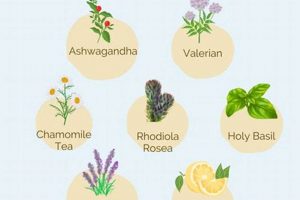
Botanical solutions intended to promote relaxation and improved sleep quality are a common consideration for individuals seeking alternatives to conventional pharmaceuticals. These solutions often incorporate plant-derived extracts traditionally used for their calming or sedative properties. For example, preparations utilizing valerian root are frequently employed to address mild sleep disturbances.
The appeal of these natural options lies in their perceived gentler action and reduced risk of side effects compared to synthetic sleep aids. Throughout history, various cultures have relied on plant-based treatments to manage sleep issues, highlighting their long-standing use. The rising interest in holistic wellness approaches further contributes to their continued popularity.
Understanding the specific mechanisms, potential benefits, and safety considerations associated with individual plant-based sleep solutions is paramount for informed decision-making. This article will delve into the common botanical choices, explore their purported effects on sleep, and examine the available scientific evidence supporting their usage.
Selecting appropriate botanical solutions requires careful consideration and a focus on evidence-based practices. The following tips provide guidance for individuals exploring these options.
Tip 1: Consult with a Healthcare Professional: Prior to initiating any botanical sleep solution, a consultation with a physician or qualified healthcare provider is essential. This ensures the suitability of the chosen solution based on individual health status, existing medications, and potential interactions.
Tip 2: Research Specific Botanicals: Thoroughly investigate the properties, potential benefits, and known side effects of each botanical under consideration. Reputable sources, such as peer-reviewed journals and authoritative health websites, should be consulted for accurate information.
Tip 3: Prioritize Product Quality and Sourcing: Select products from reputable manufacturers that adhere to stringent quality control standards. Look for certifications or third-party testing that confirms the identity, purity, and potency of the botanical ingredients.
Tip 4: Adhere to Recommended Dosages: Follow the recommended dosage guidelines provided by the manufacturer or healthcare professional. Exceeding the recommended dosage does not necessarily enhance efficacy and may increase the risk of adverse effects.
Tip 5: Monitor for Potential Interactions: Be aware of potential interactions between botanical solutions and prescription medications, over-the-counter drugs, or other supplements. Careful monitoring is crucial to mitigate the risk of adverse reactions.
Tip 6: Establish Consistent Sleep Hygiene Practices: Integrate botanical solutions as part of a comprehensive sleep hygiene strategy. This includes maintaining a regular sleep schedule, creating a relaxing bedtime routine, and optimizing the sleep environment.
Tip 7: Recognize Individual Variability: The effectiveness of botanical solutions can vary significantly among individuals. Allow sufficient time for the solution to take effect and adjust the approach as needed, in consultation with a healthcare professional.
By following these guidelines, individuals can approach the use of botanical solutions in a responsible and informed manner, maximizing the potential benefits while minimizing potential risks. The subsequent sections will delve deeper into specific aspects of botanical sleep remedies.
1. Botanical Composition

The botanical composition of a sleep solution dictates its inherent properties and potential effects. Each plant species possesses a unique profile of chemical constituents, including alkaloids, flavonoids, terpenes, and other bioactive compounds. These compounds interact with various physiological systems within the body, potentially influencing sleep architecture, neurotransmitter activity, and overall relaxation. Therefore, the specific plants included in a solution, along with their respective concentrations, directly determine its efficacy and safety profile.
For example, valerian root contains valerenic acid, which is believed to interact with the GABA (gamma-aminobutyric acid) neurotransmitter system, promoting a calming effect. Similarly, chamomile flowers contain apigenin, a flavonoid that binds to benzodiazepine receptors in the brain, inducing mild sedation. The effectiveness of each of these plants relies on the presence and concentration of these key compounds. Variations in growing conditions, harvesting methods, and extraction processes can significantly impact the final chemical composition of the botanical extract, leading to inconsistencies in product quality and therapeutic outcomes. Therefore, understanding the source and processing of botanical ingredients is paramount to determining their likely effects.
In summary, the botanical composition is not merely a list of ingredients but rather the fundamental determinant of a sleep solution’s therapeutic potential and safety. A thorough understanding of the chemical makeup, standardized extraction processes, and potential for variability is crucial for healthcare professionals and consumers to make informed choices. Furthermore, the careful selection of botanicals with complementary mechanisms of action can result in synergistic effects, enhancing the overall efficacy of the sleep solution, but also requiring greater scrutiny regarding potential interactions.
2. Mechanism of Action

The mechanism of action defines how a botanical solution exerts its effect on the body to promote sleep. Understanding this mechanism is crucial because it elucidates the cause-and-effect relationship between the botanical compounds and the observed sleep-promoting effects. Without knowledge of the mechanism, the use of a botanical solution becomes speculative, based solely on anecdotal evidence or traditional use. For instance, lavender oil is often used for its calming properties, and research suggests its aroma interacts with the limbic system, a region of the brain associated with emotions, to reduce anxiety and promote relaxation, which indirectly improves sleep. This illustrates how understanding the mechanism transforms the application from a mere suggestion to a scientifically grounded practice.
The precise mechanism of action can be complex, involving interactions with neurotransmitter systems, hormone regulation, or modulation of inflammatory pathways. Some botanical solutions, such as those containing chamomile, may influence the GABAergic system, similar to certain prescription sleep medications, albeit with a potentially milder effect. Others might affect melatonin production, the hormone regulating the sleep-wake cycle. Consider passionflower, believed to increase GABA levels in the brain. This increased GABA activity leads to reduced neuronal excitability, resulting in a calming and sleep-inducing effect. The specific pathway through which each botanical solution interacts with the body dictates its potential benefits and risks, impacting the selection process and dosage considerations.
In conclusion, elucidating the mechanism of action is paramount to the responsible and effective utilization of any botanical sleep solution. This understanding informs appropriate selection, dosing, and monitoring for potential interactions. Challenges remain in fully characterizing the mechanisms of all botanical compounds due to the complex interactions within plant extracts and the variability in individual responses. However, continued research efforts aimed at unraveling these mechanisms are essential for establishing evidence-based guidelines for botanical sleep solutions, thereby moving beyond traditional practices and anecdotal accounts to promote a more informed and scientifically sound approach to their use.
3. Dosage Considerations

Dosage considerations represent a critical aspect of herbal sleep solutions, directly influencing their efficacy and safety. Determining the appropriate dosage necessitates a nuanced understanding of individual factors, botanical properties, and potential interactions. Failure to adequately address dosage considerations may lead to ineffective treatment or adverse effects.
- Individual Variability
Individual responses to botanical compounds exhibit significant variability due to factors such as age, weight, metabolism, and pre-existing health conditions. Therefore, a dosage appropriate for one individual may prove either insufficient or excessive for another. This necessitates a personalized approach, often starting with a lower dose and gradually increasing it while closely monitoring for desired effects and any adverse reactions. For example, an elderly individual with impaired liver function may require a significantly lower dose of valerian root compared to a younger, healthy adult to achieve the same therapeutic outcome.
- Botanical Potency
The potency of botanical extracts can vary substantially depending on factors such as plant species, growing conditions, harvesting methods, and extraction processes. Standardized extracts, which contain a consistent concentration of key active compounds, offer a degree of control over dosage, but even within standardized products, variations may occur. The concentration of active ingredients in a chamomile tea bag, for instance, will differ depending on the chamomile variety, origin, and processing methods, leading to variable sedative effects. Therefore, reliance solely on product labels without consideration for the source and standardization of botanical ingredients can lead to unpredictable results.
- Formulation and Bioavailability
The formulation of a botanical solution influences its bioavailability, which refers to the extent to which the active compounds are absorbed into the bloodstream and become available to exert their effects. Different formulations, such as capsules, tablets, tinctures, or teas, may exhibit varying rates of absorption and metabolism, affecting the optimal dosage required. For example, liposomal formulations of melatonin are designed to enhance absorption and may therefore require a lower dosage compared to conventional tablets. The method of preparation, such as whether a tea is brewed for a short or long period, can also affect the extraction of active compounds and subsequently, the dosage delivered.
- Potential Interactions
Botanical solutions can interact with prescription medications, over-the-counter drugs, and other supplements, potentially altering their efficacy or increasing the risk of adverse effects. Dosage adjustments may be necessary to account for these interactions. For instance, St. John’s Wort, known for its mood-elevating properties, can interfere with the metabolism of certain medications, requiring a dosage reduction of the drug or avoidance of the botanical solution altogether. Always consult with a healthcare professional to assess potential interactions and adjust dosages accordingly.
In summary, the appropriate dosage of botanical solutions for sleep depends on a complex interplay of individual factors, botanical characteristics, and potential interactions. A cautious and individualized approach, guided by healthcare professional advice and a thorough understanding of the specific botanical being used, is crucial for maximizing the benefits and minimizing the risks associated with these solutions.
4. Potential Interactions

The realm of botanical sleep aids is not without considerations for potential interactions, a critical aspect often overlooked in the pursuit of natural remedies. These interactions can arise from the synergistic or antagonistic effects of botanical compounds with prescription medications, over-the-counter drugs, and even other herbal supplements. Understanding these interactions is paramount to ensuring the safe and effective use of botanical sleep aids. For example, valerian root, a common ingredient in many sleep preparations, may potentiate the effects of central nervous system depressants like benzodiazepines or alcohol, leading to excessive sedation and impaired cognitive function. This underscores the importance of disclosing all medications and supplements to a healthcare professional before initiating any botanical sleep aid.
The cytochrome P450 enzyme system, responsible for metabolizing many drugs, is a frequent target for botanical interactions. Certain herbs, such as St. John’s Wort, induce the activity of these enzymes, potentially reducing the effectiveness of medications metabolized by the same pathway. Conversely, other herbs may inhibit these enzymes, leading to elevated drug levels and an increased risk of adverse effects. The anticoagulant warfarin, for example, has a narrow therapeutic window, and its metabolism can be affected by various herbal supplements, including those used for sleep. The resulting change in warfarin levels can either increase the risk of bleeding or promote clot formation, both potentially life-threatening events. Hence, individuals on warfarin must exercise extreme caution and consult their physician before using any herbal sleep aid.
In conclusion, the potential for interactions between botanical sleep aids and other substances represents a significant concern that necessitates careful evaluation. Healthcare professionals, including physicians and pharmacists, are well-equipped to assess these risks and provide guidance on the safe integration of herbal sleep solutions into a comprehensive treatment plan. Consumers are encouraged to proactively engage in this process, ensuring that their pursuit of natural sleep support does not inadvertently compromise their health or the efficacy of their prescribed medications. Comprehensive understanding and communication remain the cornerstone of safe and effective botanical use.
5. Clinical Evidence

The integration of clinical evidence is paramount in evaluating the efficacy and safety of botanical sleep solutions. While traditional use and anecdotal accounts often contribute to the perceived value of these remedies, rigorous scientific investigation is essential for establishing their true therapeutic potential. Clinical evidence, derived from well-designed studies, provides objective data on the effects of botanical compounds on sleep parameters, such as sleep latency, sleep duration, and sleep quality. The absence of such evidence leaves the use of herbal sleep remedies susceptible to placebo effects and unfounded claims. For instance, numerous studies have investigated the effects of chamomile on sleep. While some show promising results in reducing sleep latency and improving sleep quality, others demonstrate no significant difference compared to placebo. These conflicting findings underscore the importance of critically evaluating the quality and methodology of clinical studies to discern reliable evidence from spurious associations.
The importance of clinical evidence extends beyond efficacy to include safety considerations. Clinical trials are designed to identify potential adverse effects and drug interactions associated with botanical sleep remedies. For example, St. John’s Wort, although sometimes used for its mood-enhancing properties that may indirectly improve sleep, has been shown to interact with several medications, including antidepressants and anticoagulants. This interaction can have serious clinical consequences, highlighting the necessity of thorough safety assessments in clinical trials. Furthermore, clinical evidence informs appropriate dosage recommendations. Determining the optimal dose of a botanical sleep remedy requires careful titration and monitoring in clinical studies. Insufficient doses may prove ineffective, while excessive doses may increase the risk of adverse effects. The optimal dose can vary based on individual factors such as age, weight, and overall health, emphasizing the need for personalized approaches informed by clinical data.
In conclusion, clinical evidence serves as a crucial cornerstone for responsible decision-making regarding botanical sleep solutions. While historical use and anecdotal experiences can provide valuable insights, they should be supplemented by rigorous scientific investigation to ensure both efficacy and safety. The interpretation of clinical evidence requires a critical appraisal of study design, methodology, and statistical significance. The ongoing pursuit of well-designed clinical trials is essential for establishing evidence-based guidelines for the use of herbal sleep remedies and promoting informed consumer choices. The use of these remedies should be in conjunction with established sleep hygiene practices to maximize effectiveness.
Frequently Asked Questions
This section addresses common inquiries regarding the use of plant-derived substances to promote sleep, providing a comprehensive overview of key considerations.
Question 1: Are botanical sleep solutions inherently safer than prescription sleep medications?
The assumption that botanical options are universally safer than pharmaceuticals is inaccurate. While certain plant-based remedies may exhibit fewer side effects compared to prescription drugs, potential risks exist, including allergic reactions, adverse interactions with other medications, and variations in product quality. Thorough research and consultation with a healthcare provider are essential before initiating any sleep aid regimen.
Question 2: How long does it typically take for herbal sleep remedies to take effect?
The onset of action varies significantly depending on the specific botanical, dosage, individual metabolism, and the severity of the sleep disturbance. Some individuals may experience noticeable effects within a few days, while others may require several weeks of consistent use to observe meaningful improvements. Patience and realistic expectations are crucial, and persistent sleep issues warrant professional evaluation.
Question 3: Can botanical sleep solutions be used long-term?
Long-term use requires careful consideration and medical supervision. While some botanical remedies may be suitable for extended use, others may carry a risk of tolerance, dependence, or adverse effects with prolonged exposure. Periodic evaluation by a healthcare professional is essential to assess the ongoing benefits and potential risks associated with long-term use.
Question 4: Are there specific botanical solutions that are contraindicated for certain medical conditions?
Yes. Certain botanical remedies are contraindicated for individuals with specific medical conditions. For example, individuals with liver or kidney disease may need to avoid or adjust the dosage of certain herbal sleep aids. Individuals with bleeding disorders or those taking anticoagulant medications should exercise caution with botanical solutions that may affect blood clotting. A comprehensive medical history is necessary to identify potential contraindications.
Question 5: How can one ensure the quality and purity of botanical sleep products?
To ensure quality and purity, it is advisable to purchase products from reputable manufacturers that adhere to stringent quality control standards. Look for certifications from third-party testing organizations that verify the identity, potency, and purity of the botanical ingredients. Avoid products with vague labeling or unsubstantiated claims.
Question 6: Is it necessary to combine botanical sleep solutions with other sleep hygiene practices?
Botanical solutions are most effective when integrated into a comprehensive sleep hygiene plan. This includes maintaining a regular sleep schedule, creating a relaxing bedtime routine, optimizing the sleep environment, and avoiding stimulants before bed. Botanical remedies should be viewed as an adjunct to, rather than a replacement for, healthy sleep habits.
In summary, botanical options for sleep, while often perceived as natural and benign, require careful consideration, informed decision-making, and professional guidance. Quality control, potential interactions, and individual suitability are critical aspects to address.
The following section will address resources for further research and professional consultation.
Conclusion
The exploration of the term “herbal sleep remedy” reveals a complex landscape of potential benefits and inherent risks. This analysis has delved into botanical composition, mechanisms of action, dosage considerations, potential interactions, and the importance of clinical evidence. The information presented serves to underscore the need for informed decision-making and responsible utilization when considering such interventions for sleep disturbances.
The efficacy and safety of any “herbal sleep remedy” are contingent upon thorough research, critical evaluation, and consultation with qualified healthcare professionals. While these solutions may offer a complementary approach to managing sleep issues, they are not universally applicable or without potential consequences. Continued investigation and rigorous scientific scrutiny are essential to establish evidence-based guidelines and promote the responsible use of these remedies within a comprehensive sleep management strategy.