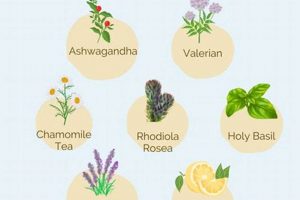
Botanical treatments employed to alleviate sleeplessness encompass a range of plants and preparations traditionally used to promote relaxation and improve sleep quality. These treatments often utilize the inherent properties of specific herbs to influence physiological processes associated with the sleep-wake cycle. As an illustration, valerian root, a commonly cited example, is thought to interact with neurotransmitter systems in the brain, potentially inducing a calming effect.
The application of plant-derived solutions for sleep disturbances carries historical significance, with roots in various traditional medicine systems worldwide. Its appeal lies in the perception of a gentler approach compared to synthetic pharmaceuticals, often associated with fewer reported side effects. The potential benefits extend beyond simply inducing sleep; some formulations may contribute to reducing anxiety and promoting an overall sense of well-being, factors that can indirectly improve sleep patterns. It’s important to note that while generally perceived as safe, interactions with other medications are possible, underscoring the need for professional consultation.
The efficacy and safety of specific botanical solutions for sleeplessness are areas of ongoing research. Key aspects to consider when exploring this therapeutic approach include the individual’s specific sleep challenges, potential interactions with existing medications, and the quality and standardization of the herbal product. Furthermore, a holistic approach encompassing lifestyle modifications, such as improved sleep hygiene, often complements the use of plant-based solutions.
Guidance on Botanical Approaches to Sleeplessness
The following represents considered guidance regarding the application of plant-based interventions for addressing insomnia. Adherence to these points may enhance the potential for benefit while minimizing potential risks.
Tip 1: Consult with a Qualified Healthcare Professional: Prior to initiating any treatment, particularly involving herbal preparations, a thorough consultation with a physician, pharmacist, or qualified herbalist is essential. This step facilitates a comprehensive assessment of potential interactions with existing medications and the identification of contraindications.
Tip 2: Prioritize Sleep Hygiene: The foundation of effective sleep management lies in adhering to sound sleep hygiene practices. These include maintaining a consistent sleep schedule, creating a conducive sleep environment characterized by darkness and quiet, and avoiding stimulants such as caffeine and nicotine close to bedtime.
Tip 3: Select Standardized Extracts: Opt for herbal products that have undergone standardization, a process that ensures consistent levels of active compounds. This standardization can contribute to more predictable and reliable outcomes.
Tip 4: Begin with a Low Dosage: When introducing a new botanical treatment, it is advisable to initiate therapy with a low dosage. This approach allows for monitoring of individual responses and minimizing the likelihood of adverse effects. Dosage adjustments should be guided by professional recommendations.
Tip 5: Monitor for Allergic Reactions: Herbal remedies, like any substance, can trigger allergic reactions in susceptible individuals. Careful monitoring for signs of allergy, such as skin rashes, itching, or difficulty breathing, is crucial. Discontinue use immediately and seek medical attention if such symptoms arise.
Tip 6: Be Patient and Realistic: The effects of herbal remedies may not be immediate. It is important to maintain realistic expectations and allow sufficient time for the treatment to exert its effects. A period of several weeks may be necessary to assess the full potential benefits.
Tip 7: Consider Combination Therapies: In some instances, a combination of different herbal remedies or the integration of herbal approaches with other therapeutic modalities, such as cognitive behavioral therapy for insomnia (CBT-I), may be beneficial. This approach should be undertaken under the guidance of a healthcare professional.
These guidelines are intended to promote a safe and informed approach to utilizing plant-derived substances for addressing insomnia. However, they should not be construed as a substitute for professional medical advice.
The subsequent sections will delve into specific herbal remedies commonly employed for sleep enhancement, outlining their purported mechanisms of action and potential benefits.
1. Plant Identification

The accurate identification of plant species is fundamental to the safe and effective use of any botanical agent intended as a treatment for sleeplessness. Misidentification can result in the administration of an inactive or, more critically, a toxic substance, negating potential benefits and potentially causing harm. The inherent complexity of plant taxonomy necessitates meticulous attention to morphological characteristics and, increasingly, reliance on advanced analytical techniques for verification.
Real-life examples underscore the importance of plant identification. Consider the case of chamomile. While Matricaria chamomilla is widely recognized for its calming properties, other chamomile species, or even entirely different plants, may be inadvertently substituted, leading to a lack of efficacy or adverse reactions. Similarly, with valerian root, variations in species and subspecies can influence the concentration of active compounds, affecting the therapeutic response. Adulteration of herbal products with undeclared ingredients is a recurring issue, further emphasizing the need for stringent quality control measures.
In summary, rigorous plant identification is not merely an academic exercise but a crucial component of responsible and effective phytotherapy for sleeplessness. The consequences of error can range from treatment failure to serious health complications. As such, consumers and healthcare providers should prioritize sourcing botanical preparations from reputable suppliers who employ verifiable identification methods, including macroscopic examination, microscopy, and chemical fingerprinting techniques. This diligence helps ensure the integrity and safety of botanical interventions.
2. Mechanism of Action

Understanding the precise mechanism through which a botanical substance exerts its therapeutic effects is critical in evaluating its suitability for addressing sleeplessness. This knowledge allows for a more rational selection of treatments, assessment of potential interactions, and optimization of dosage regimens. The proposed mechanisms are often complex and may involve multiple pathways within the central nervous system.
- GABAergic Modulation
Many herbs traditionally used for sleep, such as valerian root and chamomile, are believed to interact with the gamma-aminobutyric acid (GABA) system, a major inhibitory neurotransmitter system in the brain. By enhancing GABAergic neurotransmission, these herbs may promote relaxation and reduce neuronal excitability, thereby facilitating sleep onset and maintenance. For example, constituents in valerian root have been shown to bind to GABA receptors, mimicking the effects of benzodiazepine medications. However, the specific binding sites and affinity may differ, potentially resulting in a milder sedative effect and a reduced risk of dependence.
- Serotonergic Influence
Some botanical remedies may influence sleep by modulating serotonergic neurotransmission. Serotonin, a neurotransmitter involved in mood regulation and sleep-wake cycles, plays a critical role in the synthesis of melatonin, a hormone essential for regulating circadian rhythms. Herbs like passionflower are thought to increase serotonin levels or enhance serotonin receptor activity, potentially improving sleep quality and reducing anxiety, which can contribute to insomnia. While the precise mechanisms are still under investigation, the serotonergic effects of these herbs may help to normalize sleep patterns and promote a sense of calm.
- Melatonin Regulation
Melatonin, produced by the pineal gland, plays a central role in regulating the sleep-wake cycle. Although few herbs directly contain melatonin, some may indirectly influence melatonin production or receptor activity. For example, certain plant extracts may help to improve the body’s natural production of melatonin by reducing stress or promoting relaxation, thereby supporting a more regular sleep schedule. The link between specific herbs and melatonin regulation is an area of ongoing research, with potential implications for developing novel botanical approaches to insomnia.
- Anti-inflammatory and Antioxidant Effects
Chronic inflammation and oxidative stress have been implicated in sleep disorders. Some botanical remedies possess anti-inflammatory and antioxidant properties that may indirectly improve sleep by reducing these underlying physiological stressors. Herbs with high levels of antioxidants, such as certain varieties of lavender or lemon balm, may help to protect brain cells from damage and promote a more balanced inflammatory response, thereby contributing to better sleep quality. While the direct impact of these effects on sleep is not fully understood, the potential for reducing oxidative stress and inflammation adds another layer to the understanding of herbal remedies for sleeplessness.
The multifaceted mechanisms by which botanical agents influence sleep highlight the complexity of these interventions. Understanding these mechanisms is essential for clinicians and patients alike in making informed decisions about the use of herbal remedies for sleeplessness. Further research is needed to fully elucidate the specific pathways involved and to optimize the use of these natural therapies for improving sleep quality.
3. Safety Profiles

The evaluation of safety profiles constitutes a fundamental aspect of any herbal remedy considered for sleeplessness. Unlike synthetic pharmaceuticals subjected to rigorous clinical trials before market release, many botanical preparations lack comparable levels of scrutiny. This discrepancy underscores the crucial need for healthcare professionals and individuals to exercise caution when assessing the potential risks associated with these remedies. A comprehensive safety profile encompasses considerations such as potential adverse effects, drug interactions, contraindications in specific populations (e.g., pregnant women, children, individuals with certain medical conditions), and the impact of long-term use. For example, St. John’s Wort, sometimes used for mild depression contributing to insomnia, carries significant risks of interaction with numerous medications, including antidepressants, oral contraceptives, and anticoagulants. Failure to account for these interactions can lead to reduced drug efficacy or increased adverse effects, potentially jeopardizing patient health.
The cause-and-effect relationship between an insufficient understanding of an herbal remedy’s safety profile and adverse outcomes is evident in various scenarios. Consumption of contaminated herbal products, misidentification of plant species, or excessive dosages can all result in unintended and harmful consequences. The importance of a thorough safety assessment is further highlighted by the variability in the composition of herbal products. Unlike standardized pharmaceuticals with precisely defined active ingredients, botanical preparations can exhibit significant batch-to-batch variations in their chemical constituents, affecting both efficacy and safety. This underscores the need to source herbal remedies from reputable manufacturers who employ rigorous quality control measures, including testing for contaminants and standardization of active compounds. Furthermore, the potential for cumulative effects with other medications or pre-existing conditions necessitates a holistic evaluation of an individual’s health status before initiating herbal therapy for sleeplessness.
In summary, a detailed understanding of safety profiles is paramount in the context of botanical solutions for sleeplessness. This understanding is not merely a theoretical exercise but a practical imperative. It informs responsible decision-making, minimizes the risk of adverse outcomes, and promotes the safe and effective use of herbal remedies as part of a comprehensive sleep management strategy. Ongoing research and increased regulatory oversight are essential to enhance the evidence base regarding the safety of these products and ensure the protection of public health.
4. Efficacy Evidence

The determination of efficacy evidence for botanical interventions targeting sleeplessness forms a cornerstone of responsible and informed healthcare practices. A demonstrable link between the administration of an herbal preparation and a measurable improvement in sleep parameters is crucial for validating its therapeutic value. In the absence of robust evidence, the use of such remedies remains speculative, potentially diverting individuals from interventions with established efficacy and delaying appropriate medical care. The burden of proof for effectiveness rests upon demonstrating that the observed benefits are directly attributable to the herbal remedy and not merely a result of placebo effects or spontaneous remission. Controlled clinical trials, characterized by randomization, blinding, and appropriate comparators, represent the gold standard for generating efficacy evidence. However, observational studies, meta-analyses, and systematic reviews can also contribute valuable insights, particularly when clinical trial data are limited.
Several factors can complicate the assessment of efficacy evidence for botanical solutions. The inherent variability in the composition of herbal products, stemming from differences in plant species, growing conditions, and extraction methods, can introduce significant heterogeneity in the data. The lack of standardized dosages and treatment protocols further contributes to the challenges of synthesizing research findings. Furthermore, the subjective nature of sleep quality assessments can make it difficult to objectively quantify improvements. Despite these challenges, a growing body of research is investigating the efficacy of specific herbal remedies for sleeplessness. For example, meta-analyses of clinical trials have suggested that valerian root may improve subjective sleep quality and reduce sleep latency in some individuals. However, the quality of the evidence varies, and further research is needed to confirm these findings and identify the specific populations most likely to benefit. Similarly, studies have examined the effects of chamomile, lavender, and passionflower on sleep parameters, with varying degrees of success.
In summary, the establishment of robust efficacy evidence is essential for validating the use of plant-derived substances to alleviate sleeplessness. This evidence should be derived from well-designed clinical trials and observational studies that address the inherent challenges in assessing the effectiveness of herbal products. While some botanical remedies show promise, further research is needed to confirm their efficacy, identify optimal dosages and treatment protocols, and elucidate the mechanisms of action. A critical and evidence-based approach to the use of herbal remedies is crucial for ensuring patient safety and optimizing sleep outcomes.
5. Integration Strategies

The successful application of botanical treatments for sleeplessness frequently hinges on the strategic integration of these remedies within a broader framework of sleep-promoting practices. This holistic approach acknowledges that insomnia often stems from a confluence of factors, necessitating a multifaceted intervention strategy that addresses underlying lifestyle and behavioral elements in addition to pharmacologic or botanical interventions. This section delineates key integration strategies designed to optimize the efficacy and safety of plant-derived solutions for sleeplessness.
- Lifestyle Modifications
Prioritizing sleep hygiene forms the bedrock of any comprehensive insomnia management plan. Consistent sleep-wake schedules, a conducive sleep environment (dark, quiet, cool), and avoidance of stimulants (caffeine, nicotine) before bedtime are crucial. The integration of botanical solutions should complement, not replace, these fundamental practices. For example, ingesting chamomile tea as part of a relaxing bedtime routine can enhance the effects of consistent sleep timing and a comfortable sleep environment, creating a synergistic effect that promotes sleep onset and maintenance.
- Cognitive Behavioral Therapy for Insomnia (CBT-I)
CBT-I represents a first-line non-pharmacological treatment for chronic insomnia. This therapy targets maladaptive thoughts and behaviors that perpetuate sleep disturbances. The integration of botanical remedies with CBT-I can provide an adjunctive approach, potentially enhancing the effectiveness of the therapy or reducing the need for higher doses of conventional sleep medications. For instance, passionflower extract may alleviate anxiety symptoms that interfere with sleep, thereby improving an individual’s ability to engage in CBT-I techniques such as stimulus control and sleep restriction.
- Mindfulness and Relaxation Techniques
Stress and anxiety are frequently implicated in the development and maintenance of insomnia. The incorporation of mindfulness-based practices, such as meditation and deep breathing exercises, can promote relaxation and reduce mental arousal, creating a more conducive state for sleep. The integration of botanical solutions known for their calming properties, such as lavender aromatherapy, can further enhance these relaxation techniques, fostering a sense of tranquility and facilitating sleep initiation. For example, the scent of lavender can be diffused in the bedroom during mindfulness meditation sessions to amplify its calming effects.
- Medical Evaluation and Monitoring
A comprehensive medical evaluation is essential before initiating any treatment for insomnia, including botanical remedies. This evaluation can identify underlying medical conditions (e.g., sleep apnea, thyroid disorders) that may be contributing to the sleep disturbance. Furthermore, medical monitoring is crucial to assess the efficacy and safety of herbal interventions, particularly in individuals taking other medications or with pre-existing health conditions. For instance, an individual taking warfarin (an anticoagulant) should be closely monitored for changes in their international normalized ratio (INR) if they begin using valerian root, as valerian may potentially interact with warfarin metabolism.
The effective integration of botanical solutions for sleeplessness necessitates a personalized and holistic approach. This involves careful consideration of individual needs, preferences, and medical history, as well as a commitment to lifestyle modifications, behavioral therapies, and ongoing medical monitoring. By strategically combining botanical remedies with these complementary approaches, individuals can optimize their chances of achieving restful and restorative sleep, improving their overall health and well-being.
Frequently Asked Questions Regarding Botanical Solutions for Sleeplessness
The subsequent section addresses common inquiries concerning plant-derived remedies for insomnia. The information provided aims to offer clarification and promote informed decision-making.
Question 1: What constitutes a botanical approach to sleeplessness?
It encompasses the utilization of plants, plant extracts, or plant-derived compounds to alleviate symptoms of insomnia or promote improved sleep quality. The selection of specific botanicals is often based on traditional use, pharmacological properties, or clinical evidence suggesting a beneficial effect on sleep parameters.
Question 2: Are plant-based remedies inherently safer than conventional sleep medications?
Not necessarily. While often perceived as milder, botanical solutions can still pose risks, including adverse effects, drug interactions, and allergic reactions. The safety profile of a specific herbal remedy depends on factors such as the plant species, dosage, preparation method, and individual patient characteristics. Consulting a healthcare professional is crucial for assessing potential risks.
Question 3: How long does it take for botanical treatments to exert a noticeable effect on sleep?
The onset of action can vary depending on the individual, the specific herbal remedy used, and the severity of the insomnia. Some individuals may experience noticeable improvements within a few days, while others may require several weeks of consistent use before observing a significant effect. It is important to maintain realistic expectations and allow sufficient time for the treatment to exert its effects.
Question 4: Can botanical agents be combined with conventional sleep medications?
The concurrent use of botanical remedies and conventional sleep medications should only be undertaken under the guidance of a healthcare professional. Potential drug interactions can occur, leading to increased side effects, reduced efficacy of either treatment, or other adverse consequences. A thorough evaluation of potential risks and benefits is essential.
Question 5: Are there specific populations who should avoid using botanical remedies for insomnia?
Certain populations, including pregnant women, breastfeeding mothers, children, and individuals with specific medical conditions (e.g., liver disease, kidney disease), may need to avoid or exercise caution when using herbal solutions for sleeplessness. Some botanicals may pose risks to these populations, and healthcare professional consultation is crucial.
Question 6: How is the quality of botanical products assured?
The quality of botanical products can vary significantly depending on the manufacturer, sourcing practices, and quality control measures. To ensure quality, it is advisable to select products from reputable manufacturers who employ standardized extraction methods and test for contaminants. Look for certifications or third-party testing to verify the purity and potency of the product.
The information presented in this FAQ section serves as a general guide and should not be considered a substitute for professional medical advice. Individuals experiencing chronic or severe insomnia should seek evaluation and treatment from a qualified healthcare provider.
The following section will delve into considerations for sourcing reliable botanical products and discerning quality in the marketplace.
Herbal Remedy for Insomnia
This exploration of botanical interventions for sleeplessness underscores the complexities inherent in their use. While historical precedent and anecdotal accounts suggest potential benefits, rigorous scientific validation remains crucial. The multifaceted mechanisms of action, varying safety profiles, and challenges in standardizing herbal products demand a cautious and informed approach. Considerations of plant identification, potential drug interactions, and individual patient factors are paramount to minimizing risks and maximizing therapeutic outcomes. The strategic integration of these solutions within a broader framework of sleep hygiene practices and, when appropriate, cognitive behavioral therapy represents a pragmatic approach.
The responsible use of botanical remedies for insomnia hinges upon a commitment to evidence-based decision-making and a collaborative relationship with qualified healthcare professionals. Further research is imperative to elucidate the specific benefits and risks associated with individual herbal preparations, contributing to a more informed and safer application of these natural resources in addressing sleep disturbances. The landscape of sleep medicine continues to evolve, and critical evaluation of all treatment modalities, including botanical options, is essential to optimize patient care and promote public health.