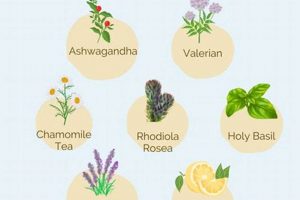
Natural substances derived from plants, utilized to promote relaxation and improve sleep quality, represent a growing area of interest for individuals seeking alternatives to conventional sleep aids. These substances encompass a variety of plant-based materials, traditionally used for their calming and sedative properties. Examples include chamomile tea, valerian root extract, and lavender aromatherapy, each offering a unique approach to addressing sleep disturbances.
The increasing popularity of these natural sleep aids stems from a desire to avoid the potential side effects associated with prescription medications, such as daytime drowsiness and dependency. Throughout history, various cultures have incorporated botanical remedies into their sleep rituals, recognizing the inherent connection between nature and restorative rest. The benefits of these substances extend beyond simply inducing sleep; they often include reducing anxiety, promoting relaxation, and improving overall well-being, leading to a more natural and sustainable approach to sleep management.
The subsequent sections will delve into specific plant-based options, examining their mechanisms of action, potential benefits, considerations for usage, and the current state of scientific research supporting their efficacy. This will provide a more detailed understanding of how these natural aids can be effectively incorporated into a comprehensive sleep hygiene strategy.
Guidance on Utilizing Plant-Based Sleep Aids
The following guidelines offer insights into the effective and responsible integration of plant-derived sleep solutions into a comprehensive sleep management strategy.
Tip 1: Prioritize a Holistic Approach. Employing plant-based options is most effective when combined with good sleep hygiene practices. Maintain a consistent sleep schedule, create a relaxing bedtime routine, and optimize the sleep environment.
Tip 2: Begin with Low Dosages. Start with the lowest recommended dose of the chosen substance to assess individual tolerance and sensitivity. Gradually increase the dosage if needed, while remaining within the recommended limits.
Tip 3: Research Potential Interactions. Investigate any possible interactions between the chosen plant-based substance and existing medications or health conditions. Consultation with a healthcare professional is strongly advised, especially for individuals with pre-existing medical issues.
Tip 4: Select Reputable Sources. Obtain plant-based supplements and remedies from reputable manufacturers and retailers to ensure quality and purity. Look for products that have undergone third-party testing to verify their contents and safety.
Tip 5: Be Aware of Potential Side Effects. While generally considered safe, plant-based options can occasionally cause side effects, such as digestive upset or allergic reactions. Discontinue use if any adverse effects occur.
Tip 6: Practice Patience. The effects of plant-based sleep aids may not be immediate. Consistent use over several days or weeks may be necessary to experience the full benefits.
Tip 7: Consider Different Forms. Plant-derived options are available in various forms, including teas, capsules, tinctures, and aromatherapy products. Experiment with different forms to determine which is most effective and convenient for individual preferences.
The judicious application of these guidelines facilitates a safer and more effective integration of plant-based strategies into one’s sleep health regimen, potentially enhancing sleep quality and promoting overall well-being.
The subsequent sections will explore advanced methods in natural sleep support.
1. Plant Identification

Accurate plant identification forms the bedrock of safe and effective utilization of botanical sleep aids. The consequences of misidentification can range from inefficacy to severe health risks, underscoring the paramount importance of this aspect within the broader context of botanical sleep remedies. For instance, mistaking Hypericum perforatum (St. John’s Wort), known for its potential antidepressant and mild sleep-promoting effects, with a similar-looking but toxic plant can lead to adverse reactions. The intended therapeutic outcome is negated, and patient safety is compromised.
Furthermore, even within seemingly homogenous plant species, variations in chemotypes (chemical variations within a plant species) can significantly alter therapeutic properties. Different chemotypes of Matricaria chamomilla (Chamomile), for example, exhibit varying levels of active compounds like apigenin, affecting their sedative potential. Therefore, precise botanical identification extends beyond genus and species to include chemotype characterization when possible. This level of detail is crucial for ensuring consistent and predictable effects from botanical sleep preparations.
In conclusion, plant identification is not merely a preliminary step, but an integral component of responsible botanical sleep aid use. The potential for adverse effects from misidentification, coupled with the chemotypic variations within species, necessitates rigorous attention to detail. This underscores the need for sourcing botanicals from reputable suppliers who can provide verifiable identification and quality control measures, safeguarding the well-being of individuals seeking natural sleep support.
2. Preparation Methods

The method by which plant-based sleep aids are prepared directly influences the bioavailability of active compounds, ultimately dictating their efficacy. Improper preparation can render potent botanicals ineffective or, conversely, amplify their effects to an undesirable degree. Consequently, a thorough understanding of preparation methods is essential for optimizing the therapeutic benefits of these natural sleep aids.
- Infusions (Teas)
Infusions, commonly prepared as teas, involve steeping dried or fresh plant material in hot water. This method is suitable for extracting water-soluble compounds, such as flavonoids and glycosides. The steeping time and water temperature significantly impact the concentration of extracted substances. Over-steeping can result in the release of bitter tannins, while insufficient steeping may yield a weak and ineffective brew. Chamomile tea, for instance, requires a specific steeping time to maximize the extraction of its calming compounds without releasing unwanted flavors.
- Decoctions
Decoctions involve simmering tougher plant parts, such as roots, barks, and seeds, in water for an extended period. This process is necessary to break down cell walls and release therapeutic constituents that are not readily extracted through infusion. Valerian root, for example, is typically prepared as a decoction to effectively extract its valerenic acids, which contribute to its sedative properties. The simmering time and the ratio of plant material to water must be carefully controlled to prevent the degradation of active compounds.
- Tinctures
Tinctures are alcoholic extracts of plant material, offering a concentrated and shelf-stable preparation. Alcohol acts as a solvent, efficiently extracting a broader range of compounds, including both water-soluble and fat-soluble constituents. The alcohol concentration affects the extraction efficiency, with higher concentrations generally yielding more potent extracts. However, the alcohol content may be a concern for some individuals. Lemon balm tincture is a common example, providing a convenient and concentrated form of this calming herb.
- Capsules and Tablets
Encapsulated or tableted plant-based remedies offer a standardized dosage and convenient consumption. These preparations typically contain dried, powdered plant material or standardized extracts. The manufacturing process must adhere to quality control standards to ensure accurate dosing and prevent contamination. While convenient, capsules and tablets may have a slower onset of action compared to liquid extracts due to the time required for dissolution and absorption.
In summary, the choice of preparation method significantly influences the therapeutic outcome of botanical sleep remedies. Each method offers distinct advantages and disadvantages, impacting the bioavailability and potency of active compounds. By carefully considering these factors, individuals can optimize the effectiveness of their chosen plant-based sleep aid. Furthermore, purchasing from reputable sources that employ standardized extraction processes can help ensure consistency and quality.
3. Dosage Guidelines

Accurate adherence to dosage guidelines is paramount in the safe and effective utilization of herbal sleep remedies. Deviation from established dosages can result in inefficacy or, more concerningly, adverse effects. Dosage guidelines are not arbitrary; they are typically based on traditional usage, pharmacological studies, and clinical trials, albeit often limited in scope.
- Variability in Potency
Herbal preparations exhibit inherent variability in potency due to factors such as plant genetics, growing conditions, harvesting methods, and processing techniques. This variability necessitates careful attention to dosage, as a seemingly standard dose may contain varying concentrations of active constituents. Standardized extracts, which aim to provide a consistent concentration of key compounds, can mitigate this issue but require verification of quality and authenticity. For instance, a standardized valerian root extract may specify the percentage of valerenic acids, allowing for more precise dosing compared to a non-standardized preparation.
- Individual Sensitivity
Individual sensitivity to herbal remedies varies significantly based on factors such as age, body weight, metabolism, genetics, and overall health status. What constitutes an effective dose for one individual may be ineffective or overly potent for another. Starting with the lowest recommended dose and gradually increasing it, if needed, is a prudent approach to assessing individual sensitivity. Individuals with pre-existing medical conditions, such as liver or kidney impairment, may require lower doses due to altered metabolism and excretion.
- Formulation Matters
The formulation of an herbal remedy, whether it be a tea, tincture, capsule, or extract, significantly impacts its bioavailability and, consequently, the appropriate dosage. For example, a tincture, due to its alcoholic base, may result in faster and more complete absorption compared to a capsule, requiring a lower dosage. Similarly, a standardized extract, which concentrates specific active compounds, will typically require a lower dosage than the crude herb. Careful consideration of the formulation and its known pharmacokinetic properties is essential for accurate dosing.
- Potential Interactions
Herbal remedies can interact with prescription medications, over-the-counter drugs, and other herbal supplements, potentially altering their effects and increasing the risk of adverse reactions. These interactions can affect the metabolism, absorption, or excretion of both the herbal remedy and the interacting substance, leading to either increased or decreased drug levels. Consulting with a healthcare professional or pharmacist is crucial to identify potential interactions and adjust dosages accordingly. For instance, St. John’s Wort is known to interact with several medications, including antidepressants and anticoagulants, necessitating careful dosage adjustments or avoidance.
These facets underscore the complexity of dosage guidelines in the context of herbal sleep remedies. While these remedies offer a natural alternative to conventional sleep aids, their safe and effective use relies on a thorough understanding of potency variability, individual sensitivity, formulation effects, and potential interactions. A cautious and informed approach, ideally guided by a healthcare professional, is essential to optimize the benefits and minimize the risks associated with herbal sleep remedies. Further research into individualized dosing strategies and the pharmacokinetic properties of herbal constituents is warranted to enhance the precision and safety of these natural sleep aids.
4. Potential Interactions

The intersection of “potential interactions” and “herbal sleep remedies” represents a critical area of concern, directly impacting the safety and efficacy of these widely used natural aids. Herbal substances, while often perceived as benign, possess complex biochemical profiles capable of interfering with the actions of prescription medications, over-the-counter drugs, and even other herbal supplements. These interactions can manifest in various ways, including altered drug metabolism, enhanced or diminished therapeutic effects, and increased risk of adverse events. Consequently, a comprehensive understanding of potential interactions is not merely advisable but essential for the responsible use of herbal sleep remedies. For instance, valerian root, a popular herb for sleep, can potentiate the sedative effects of benzodiazepines, leading to excessive drowsiness and impaired cognitive function. Similarly, St. Johns Wort, though sometimes used for its mood-regulating properties which indirectly impact sleep, is a potent inducer of hepatic enzymes, potentially reducing the effectiveness of oral contraceptives and certain cardiovascular medications.
The mechanisms underlying these interactions are diverse and often complex. Some herbs can affect the cytochrome P450 enzyme system, a critical component of drug metabolism in the liver. By either inducing or inhibiting these enzymes, herbal substances can accelerate or decelerate the breakdown of medications, altering their serum concentrations and therapeutic effects. Furthermore, some herbs may directly interact with drug receptors or transport proteins, leading to synergistic or antagonistic effects. The consequences of these interactions can range from mild discomfort to serious health complications, including liver damage, bleeding disorders, and even life-threatening arrhythmias. Therefore, individuals considering herbal sleep remedies must disclose all medications and supplements they are currently taking to a healthcare professional. This allows for a thorough assessment of potential interactions and appropriate adjustments to treatment plans.
In conclusion, the potential for interactions between herbal sleep remedies and conventional medications or other substances underscores the importance of a cautious and informed approach. While these natural aids may offer benefits for sleep, they are not without risk. A thorough understanding of potential interactions, coupled with open communication with healthcare providers, is crucial to ensure the safe and effective use of herbal sleep remedies. Further research is warranted to fully elucidate the complex interactions between herbal substances and pharmaceuticals, ultimately enhancing patient safety and optimizing therapeutic outcomes.
5. Safety Profiles

The evaluation of safety profiles constitutes a fundamental aspect of the responsible integration of herbal sleep remedies into any health regimen. Despite their natural origin, these substances are not inherently devoid of potential risks. A thorough understanding of their safety characteristics is essential to minimize adverse events and maximize therapeutic benefits. These characteristics vary significantly depending on the specific herb, the individual using it, and the presence of concurrent health conditions or medications.
- Allergic Reactions
Allergic reactions represent a significant safety concern associated with herbal sleep remedies. Individuals may exhibit sensitivity to specific plant constituents, leading to a range of symptoms from mild skin irritation to severe anaphylaxis. Prior exposure to related plants or cross-reactivity with common allergens may increase the risk. Detailed assessment of patient allergy history is crucial before recommending any herbal remedy. Examples include allergic reactions to chamomile in individuals sensitive to ragweed and other members of the Asteraceae family.
- Contraindications
Certain medical conditions or physiological states preclude the use of specific herbal sleep remedies. These contraindications stem from potential exacerbation of existing conditions or adverse interactions with physiological processes. Pregnancy and breastfeeding often warrant caution, as many herbs lack sufficient safety data for these populations. Specific medical conditions, such as bleeding disorders or liver disease, may also contraindicate certain herbs. For example, valerian root may be contraindicated in individuals with severe liver disease due to potential hepatotoxicity.
- Dosage-Related Toxicity
Even generally safe herbal sleep remedies can exhibit toxicity at elevated dosages. Exceeding recommended dosages increases the likelihood of adverse effects, ranging from gastrointestinal upset to more serious systemic complications. Dosage-related toxicity underscores the importance of adhering to established guidelines and starting with low doses to assess individual tolerance. For instance, excessive consumption of lavender oil, whether ingested or applied topically, can lead to central nervous system depression.
- Long-Term Use Considerations
The long-term safety of many herbal sleep remedies remains incompletely understood. While short-term use may be well-tolerated, chronic exposure to certain plant constituents could potentially lead to unforeseen adverse effects. Factors such as cumulative toxicity, altered physiological function, and potential for dependency warrant careful consideration. Further research is needed to fully elucidate the long-term safety profiles of commonly used herbal sleep remedies. An example of such consideration is the potential for developing dependence on certain sedative herbs, leading to withdrawal symptoms upon cessation.
The various facets of safety profiles of herbal sleep remedies underscore the need for responsible and informed decision-making. Despite the natural origin of these substances, their use is not without potential risks. A thorough assessment of individual health status, potential contraindications, and adherence to recommended dosages are crucial steps in minimizing adverse events and maximizing therapeutic benefits. Consultation with a healthcare professional is advisable, particularly for individuals with pre-existing medical conditions or those taking prescription medications.
Frequently Asked Questions Regarding Herbal Sleep Remedies
The following addresses common inquiries and concerns pertaining to the utilization of botanical substances for the improvement of sleep quality. The information presented aims to provide clarity and promote responsible decision-making.
Question 1: Are herbal sleep remedies inherently safe due to their natural origin?
The designation “natural” does not equate to automatic safety. Herbal substances possess pharmacological activity and can interact with physiological processes, potentially leading to adverse effects or interactions with medications. A thorough understanding of the specific herb’s safety profile and potential contraindications is essential.
Question 2: Can herbal sleep remedies be used as a long-term solution for chronic insomnia?
The long-term efficacy and safety of many herbal sleep remedies remain incompletely understood. While short-term use may provide symptomatic relief, chronic insomnia typically requires a comprehensive approach that addresses underlying causes and incorporates behavioral therapies. Consulting with a healthcare professional is advisable for persistent sleep disturbances.
Question 3: Are standardized herbal extracts superior to crude herb preparations?
Standardized extracts offer a consistent concentration of key active compounds, potentially leading to more predictable therapeutic effects. However, standardization does not guarantee quality or efficacy. It is crucial to verify the authenticity and quality of standardized extracts from reputable sources. Crude herb preparations may retain a broader spectrum of plant constituents, potentially offering synergistic benefits, but are subject to greater variability in potency.
Question 4: How can potential interactions between herbal sleep remedies and prescription medications be identified?
Potential interactions can be identified through comprehensive drug interaction databases and consultation with a healthcare professional or pharmacist. It is imperative to disclose all medications and supplements being taken to facilitate a thorough assessment. Self-treating and assuming compatibility can pose significant health risks.
Question 5: Are there specific populations for whom herbal sleep remedies are contraindicated?
Specific populations, such as pregnant and breastfeeding women, children, and individuals with certain medical conditions (e.g., liver disease, bleeding disorders), may require caution or complete avoidance of certain herbal sleep remedies. Insufficient safety data or potential for adverse effects in these populations warrants careful consideration.
Question 6: What constitutes a reliable source of information regarding herbal sleep remedies?
Reliable sources of information include peer-reviewed scientific literature, reputable herbal medicine databases, and consultation with qualified healthcare professionals trained in botanical medicine. Information from unregulated websites and anecdotal accounts should be approached with skepticism.
This FAQ section underscores the importance of informed decision-making when considering the utilization of plant-derived sleep aids. A comprehensive understanding of safety profiles, potential interactions, and individual health status is essential for minimizing risks and maximizing benefits.
The subsequent section will delve into the regulation and quality control measures surrounding herbal sleep remedies.
Conclusion
The preceding exploration of “herbal sleep remedies” underscores the need for a judicious and informed approach. These plant-derived substances, while offering potential benefits for sleep enhancement, are not devoid of risks and complexities. Aspects such as plant identification, preparation methods, dosage guidelines, potential interactions, and safety profiles must be carefully considered to maximize efficacy and minimize adverse events. The variability in potency, individual sensitivity, and the influence of concurrent medications necessitate a personalized and cautious strategy. Reliance solely on the “natural” designation is insufficient; a comprehensive understanding of the specific herb and its potential effects is paramount.
As interest in alternative sleep aids continues to grow, ongoing research and rigorous quality control measures are essential. Individuals considering “herbal sleep remedies” are urged to consult with qualified healthcare professionals, disclose all medications and supplements being taken, and prioritize evidence-based information over anecdotal claims. A proactive and informed approach will contribute to a safer and more effective utilization of these remedies, fostering improved sleep quality and overall well-being. The future of these herbal approaches relies on continued scientific exploration and responsible implementation.