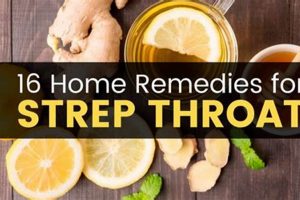
Substances derived from plants, employed to alleviate discomfort and irritation in the throat coupled with the forceful expulsion of air from the lungs, represent a traditional approach to managing these common ailments. These preparations often incorporate bioactive compounds believed to possess anti-inflammatory, antimicrobial, or soothing properties.
The utilization of botanical sources for addressing upper respiratory symptoms has a long history across diverse cultures. The purported benefits extend beyond symptom management to potentially supporting the body’s natural defense mechanisms. Historical records and contemporary research suggest a range of plants may offer relief, contributing to improved well-being during periods of respiratory distress.
The subsequent sections will delve into specific botanical options frequently cited for their potential efficacy in soothing throat discomfort and easing chest congestion, along with considerations regarding their safe and appropriate usage. Further, potential interactions and contraindications will be addressed, emphasizing the need for informed decision-making.
Guidance on Botanical Approaches for Throat and Chest Ailments
The following recommendations offer insights into utilizing plant-derived substances to potentially mitigate throat irritation and respiratory congestion. These suggestions are intended for informational purposes and do not constitute medical advice. Consultation with a qualified healthcare professional is advised before initiating any new treatment regimen.
Tip 1: Hydration is Paramount: Adequate fluid intake, particularly warm herbal teas, assists in maintaining mucosal hydration, which is crucial for soothing an irritated throat. Infusions of chamomile or ginger, prepared with hot water, can provide both hydration and potential anti-inflammatory benefits.
Tip 2: Employ Soothing Lozenges: Lozenges containing ingredients such as honey or licorice can provide localized relief. These substances may coat the throat lining, providing a temporary barrier against irritants and reducing discomfort during swallowing.
Tip 3: Steam Inhalation Considerations: Steam inhalation with the addition of a few drops of eucalyptus or tea tree oil can help loosen mucus and ease congestion. Exercise caution to avoid burns, and discontinue use if any adverse reactions occur.
Tip 4: Gargling with Salt Water: A saline gargle can reduce inflammation and help clear secretions from the throat. Prepare a solution of one-quarter teaspoon of salt in eight ounces of warm water and gargle for 30 seconds several times a day.
Tip 5: Evaluate Environmental Factors: Dry air can exacerbate throat irritation. Utilizing a humidifier can help maintain optimal humidity levels, particularly during colder months when heating systems are in use.
Tip 6: Assess Potential Allergens: Exposure to allergens can contribute to both throat irritation and respiratory distress. Identifying and minimizing contact with potential allergens, such as pollen or dust mites, is essential.
The suggestions outlined above emphasize supportive care and the potential benefits of select botanical options. The efficacy of these approaches can vary, and it is critical to prioritize professional medical advice, especially if symptoms persist or worsen.
The subsequent sections will explore the specific applications and limitations of individual plant-derived substances in managing these symptoms, emphasizing the importance of responsible and informed use.
1. Efficacy and Evidence

The assessment of effectiveness in plant-based interventions for throat irritation and forceful expirations requires rigorous scrutiny of available scientific evidence. Anecdotal reports and traditional use, while valuable, must be substantiated by controlled clinical trials to determine genuine therapeutic benefits. The absence of such evidence should preclude definitive claims of curative properties. For example, while honey has demonstrated some efficacy in cough suppression in pediatric populations, it is imperative to acknowledge that not all botanical preparations have undergone similar rigorous testing.
The strength of evidence supporting various remedies varies significantly. Some, such as the use of saline gargles for symptomatic relief of sore throat, are supported by multiple studies demonstrating a modest but statistically significant reduction in discomfort. Conversely, other remedies lack such validation, relying instead on historical precedent or preliminary in vitro findings. It is crucial to differentiate between evidence-based recommendations and those based on conjecture or incomplete data. The potential for publication bias and methodological limitations in existing studies further necessitates cautious interpretation of research findings.
A balanced approach is crucial, acknowledging the potential utility of certain plant-derived options while emphasizing the importance of evidence-based decision-making. Individuals should consult with healthcare professionals to discuss the risks and benefits of any proposed regimen, particularly if conventional treatments have proven ineffective or are contraindicated. Reliance solely on unsubstantiated claims can delay appropriate medical care and potentially lead to adverse outcomes. Further research is needed to rigorously evaluate the efficacy of many commonly used botanical treatments for throat and respiratory ailments.
2. Safety Considerations

The implementation of botanical treatments for throat discomfort and respiratory expulsion necessitates careful consideration of safety parameters. The inherent variability in plant composition and the potential for interactions with conventional medications require a cautious approach to minimize potential adverse effects.
- Dosage and Preparation Accuracy
Precise measurement of botanical substances is critical. Variations in concentration and preparation methods can significantly alter potency, leading to either ineffectiveness or adverse reactions. Improperly prepared infusions or tinctures may contain inadequate concentrations of active compounds or, conversely, excessive levels of potentially toxic substances. Standardized extraction processes and adherence to recommended dosages are essential for mitigating these risks.
- Potential Allergic Reactions
Botanical substances can trigger allergic responses in susceptible individuals. Reactions can range from mild skin irritation to severe anaphylactic shock. Individuals with known allergies to related plants should exercise extreme caution. Initial exposure should be limited, and any signs of allergic reaction, such as hives, swelling, or difficulty breathing, warrant immediate medical attention.
- Interactions with Medications
Many botanicals can interact with prescription and over-the-counter medications, potentially altering their efficacy or increasing the risk of side effects. For instance, certain herbs may affect blood clotting, blood sugar levels, or liver function, thereby interfering with the action of anticoagulant drugs, antidiabetic agents, or medications metabolized by the liver. A thorough review of all medications and supplements with a healthcare professional is essential prior to initiating botanical treatments.
- Quality Control and Source Verification
The quality and purity of botanical products can vary considerably. Contamination with heavy metals, pesticides, or adulterants is a significant concern. Purchasing botanical products from reputable sources that adhere to Good Manufacturing Practices (GMP) is crucial. Third-party testing for contaminants and verification of botanical identity can further enhance safety.
The safety considerations outlined above underscore the importance of responsible and informed use of plant-derived substances for managing throat and respiratory ailments. A collaborative approach involving healthcare professionals and a commitment to evidence-based decision-making are essential for minimizing potential risks and maximizing the likelihood of therapeutic benefit. Further investigation is needed to fully elucidate the safety profiles of many commonly used botanical treatments.
3. Preparation Methods

The efficacy of botanical interventions for alleviating throat irritation and respiratory expulsion is critically contingent upon the specific method employed for preparation. The manner in which plant material is processed directly influences the concentration and bioavailability of active compounds, thereby determining the ultimate therapeutic outcome. Improper preparation can render potentially beneficial substances ineffective or, conversely, result in the extraction of undesirable or even toxic components. Therefore, meticulous attention to established protocols is paramount in ensuring both safety and efficacy.
Different preparation methods are suited to different plant materials and desired therapeutic effects. For instance, the preparation of an infusion, or herbal tea, is well-suited for extracting water-soluble compounds from delicate plant parts such as flowers and leaves. Decoctions, involving prolonged simmering, are more appropriate for extracting compounds from tougher materials such as roots and bark. Tinctures, prepared by soaking plant material in alcohol, offer a means of extracting a broader range of compounds and preserving them for extended periods. The selection of an appropriate method directly impacts the chemical profile of the final product and its subsequent interaction with the body. As an example, poorly prepared licorice root, extracted using inappropriate methods, may lead to glycyrrhizin overload, which increases blood pressure and causes water retention.
In summary, the preparation method serves as a critical determinant of the therapeutic value and safety profile of botanical treatments for throat and respiratory ailments. Adherence to established protocols, consideration of plant material properties, and awareness of potential risks are essential for maximizing benefits and minimizing adverse effects. This underscores the need for informed decision-making and, where possible, consultation with experienced herbalists or healthcare professionals familiar with botanical medicine. Further research into optimizing preparation methods for specific plant species and therapeutic applications is warranted.
4. Symptom Targeting

The application of botanical interventions for throat discomfort and respiratory expulsion necessitates a clear understanding of symptom targeting. The presented symptoms are not monolithic; sore throats may arise from viral infections, bacterial infections, or environmental irritants, each demanding a nuanced therapeutic approach. Similarly, coughs may be productive, indicating the presence of mucus, or non-productive, representing a dry, irritated state. The selection of an appropriate intervention should directly correlate with the underlying cause and specific characteristics of the presenting symptoms.
For example, a sore throat accompanied by inflammation may benefit from demulcent herbs, such as marshmallow root or slippery elm, which soothe and coat the irritated tissues. In contrast, a sore throat resulting from a bacterial infection, such as streptococcus, necessitates conventional antibiotic treatment and may be augmented by antiseptic herbs like sage or thyme. Likewise, a productive cough may benefit from expectorant herbs, such as elecampane or mullein, which promote the expulsion of mucus, while a dry, hacking cough may respond better to antitussive herbs, such as wild cherry bark or honey. Misapplication of an intervention, such as using an expectorant herb for a dry cough, can potentially exacerbate symptoms and prolong discomfort.
Effective utilization of botanical remedies requires precise identification of the underlying causes and characteristics of throat and respiratory symptoms. Employing targeted interventions based on accurate symptom assessment optimizes therapeutic outcomes, minimizes potential adverse effects, and promotes responsible use of botanical resources. A comprehensive understanding of symptom etiology and appropriate herbal actions is essential for informed decision-making and ultimately contributes to improved patient care. The importance of consultation with healthcare professionals cannot be overstated, especially when symptoms are severe, persistent, or accompanied by other concerning signs.
5. Individual Variation
The response to botanical treatments for throat discomfort and respiratory expulsion is significantly influenced by individual variation. Factors such as age, weight, genetics, pre-existing health conditions, and concurrent medications all contribute to the diversity of responses observed. A standardized approach to herbal remedies, without consideration for these individual nuances, can lead to either ineffectiveness or adverse reactions.
Genetic predispositions can alter an individual’s ability to metabolize certain compounds found in botanical preparations. For example, variations in cytochrome P450 enzymes, which play a crucial role in drug metabolism, can affect the bioavailability and half-life of active constituents. Pre-existing conditions, such as liver or kidney dysfunction, can further compromise the body’s ability to process and eliminate botanical substances, increasing the risk of toxicity. A child with a viral sore throat may benefit from honey, while it is not suitable for infants under one year due to the risk of botulism. Similarly, an individual with hypertension should exercise caution when using licorice root, as it can elevate blood pressure.
Understanding individual variation is paramount to the responsible and effective application of plant-derived treatments. Healthcare practitioners should prioritize a thorough assessment of each individual’s unique characteristics and medical history before recommending a specific regimen. Careful monitoring for adverse effects and dosage adjustments based on individual response are essential components of a personalized approach. The complex interaction between botanical substances and individual physiology highlights the need for ongoing research and evidence-based guidelines to optimize the safety and efficacy of these therapeutic modalities.
Frequently Asked Questions
The following section addresses common inquiries regarding the utilization of botanical options for managing throat irritation and respiratory expulsion. The information provided is intended for educational purposes and should not substitute professional medical advice.
Question 1: Are plant-derived options consistently effective for throat irritation and respiratory issues?
The efficacy of botanical substances varies significantly depending on the underlying cause of the condition, the specific plant species employed, the method of preparation, and individual patient factors. While some preparations have demonstrated effectiveness in alleviating symptoms, others lack robust scientific validation.
Question 2: Are botanical interventions universally safe?
No. The safety profiles of plant-derived substances are diverse. Some botanicals can cause adverse reactions, interact with medications, or are contraindicated in certain populations, such as pregnant women or individuals with specific medical conditions. Consultation with a healthcare professional is essential to assess potential risks.
Question 3: How should plant-derived remedies be prepared for optimal efficacy?
Preparation methods vary depending on the plant species and the desired therapeutic effect. Infusions, decoctions, tinctures, and poultices represent common preparation techniques. Adherence to established protocols and accurate measurement of ingredients are crucial to ensure both safety and efficacy.
Question 4: Can plant-derived substances address the underlying cause of throat discomfort and respiratory symptoms?
While some botanicals possess antimicrobial or anti-inflammatory properties that may address underlying causes, many primarily provide symptomatic relief. In cases of bacterial infection or other serious underlying conditions, conventional medical treatment is often necessary.
Question 5: Are there specific plant species that are consistently recommended for throat irritation and respiratory expulsion?
Several plant species, including honey, ginger, and licorice root, are frequently cited for their potential benefits. However, the suitability of any given species depends on individual symptoms, medical history, and potential interactions with other medications.
Question 6: Is professional guidance necessary when considering botanical options for throat discomfort and respiratory issues?
Yes. Consultation with a qualified healthcare professional is strongly recommended. A healthcare provider can assess the underlying cause of the symptoms, evaluate potential risks and benefits of botanical options, and provide personalized recommendations based on individual needs.
Botanical substances offer potential therapeutic benefits for managing throat irritation and respiratory expulsion. However, informed decision-making, guided by healthcare professionals, is crucial to ensure both safety and efficacy.
The subsequent sections will provide an overview of key considerations in integrating botanical options within a comprehensive treatment plan.
Herbal Remedies for Sore Throat and Cough
The preceding discussion has examined various facets of plant-derived options for managing throat irritation and respiratory expulsion. Key considerations include the necessity for evidence-based decision-making, the importance of safety assessments, the impact of preparation methods, the value of targeted symptom management, and the influence of individual variation. These elements underscore the complexities inherent in the responsible and effective utilization of botanical resources.
Continued exploration of the therapeutic potential of botanical substances, coupled with rigorous scientific investigation, remains essential. A commitment to informed decision-making, professional guidance, and personalized approaches will ultimately determine the role and value of such remedies in addressing these common ailments. Further research is necessary to fully elucidate the efficacy and safety profiles of individual plant species and their integration into comprehensive treatment strategies.