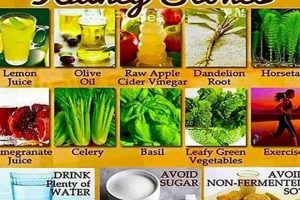
The use of botanicals to address fluctuations in endocrine system function represents a significant area of interest within complementary and alternative medicine. This approach often involves utilizing plant-derived substances to modulate hormone production, metabolism, or receptor activity. For instance, certain plants are traditionally employed to alleviate symptoms associated with menstruation, menopause, or other hormone-related conditions.
The significance of employing plant-based interventions lies in their potential to offer a gentler, more holistic approach to wellness. Historically, various cultures have relied on the power of plants for managing a range of physiological processes, including those governed by the endocrine system. The advantage may stem from the complex interaction of multiple compounds found within a single plant, potentially influencing multiple pathways involved in hormone regulation.
The following sections will explore specific botanicals that have garnered attention in the context of endocrine health, along with a discussion of their proposed mechanisms of action and available scientific evidence. This exploration aims to provide a balanced perspective on the potential benefits and limitations of integrating these options into an overall approach to well-being.
Guidance on Plant-Based Approaches to Endocrine Well-being
The following offers practical guidance concerning the thoughtful integration of plant-derived substances into routines intended to support endocrine balance.
Tip 1: Prioritize Comprehensive Assessment. Initiate any plant-based approach with a thorough evaluation by a qualified healthcare professional. This assessment should include a review of medical history, hormone levels, and potential interactions with existing medications or conditions.
Tip 2: Research Specific Botanical Properties. Before initiating use of any plant, conduct a thorough investigation of its purported benefits, potential side effects, and any known contraindications. Reputable sources, such as scientific literature and established herbal compendia, should be consulted.
Tip 3: Focus on Quality and Sourcing. Select plant-derived products from reputable manufacturers who adhere to rigorous quality control standards. Consider factors such as cultivation practices, extraction methods, and third-party testing to ensure purity and potency.
Tip 4: Begin with Conservative Dosing. Initiate use of any plant-based substance at a low dose and gradually increase as tolerated, while carefully monitoring for any adverse effects. Individual responses to plant-derived substances can vary significantly.
Tip 5: Integrate Dietary and Lifestyle Modifications. Combine plant-based approaches with a holistic lifestyle strategy, including a balanced diet, regular physical activity, stress management techniques, and adequate sleep. These factors can exert a significant influence on endocrine function.
Tip 6: Maintain Consistent Monitoring. Regularly monitor hormone levels and related symptoms throughout the duration of plant-based interventions. This monitoring can provide valuable insights into efficacy and potential adjustments.
Tip 7: Consult with Qualified Practitioners. Seek guidance from healthcare professionals with expertise in both conventional medicine and herbalism. This interdisciplinary approach can help ensure safe and effective integration of plant-derived options.
Adhering to these points can encourage the sensible integration of plant-based approaches into a broader strategy for achieving and sustaining endocrine balance. Prioritizing rigorous investigation, personalized assessment, and expert supervision remains paramount.
The subsequent section will offer a concluding perspective, summarizing key considerations.
1. Botanical Identification

In the context of plant-derived options for endocrine modulation, precise botanical identification is paramount. Erroneous identification can lead to the use of ineffective or even harmful substances, negating any potential benefits and potentially posing significant risks to patient well-being.
- Authentication of Plant Material
The initial step involves confirming the correct species and subspecies of the plant in question. This process often relies on macroscopic and microscopic morphological analysis, as well as, in certain cases, chemical fingerprinting techniques. Authentication is critical to ensure that the intended bioactive compounds are present in the correct concentrations.
- Mitigation of Adulteration and Substitution
The herbal market is susceptible to adulteration, where lower-quality or unrelated plant species are substituted for the genuine article. DNA barcoding and chromatographic methods can be employed to detect such instances of adulteration, ensuring the integrity of the product and preventing the unintentional use of potentially harmful substances. For example, Hypericum perforatum (St. John’s Wort) is sometimes adulterated with Hypericum pulchrum, which has a different chemical profile and potentially reduced therapeutic efficacy.
- Standardization of Chemical Composition
Even within the same species, the chemical composition of a plant can vary depending on factors such as geographical location, growing conditions, and harvesting time. Standardizing the levels of key active compounds, through techniques such as High-Performance Liquid Chromatography (HPLC), helps to ensure consistent efficacy across different batches of plant-derived products.
- Differentiation of Chemotypes
Certain plant species exhibit the phenomenon of chemotypes, where individuals within the same species produce different chemical profiles. For example, different chemotypes of Thymus vulgaris (Thyme) produce different dominant essential oils, each with distinct therapeutic properties. Identifying the specific chemotype is essential for selecting the plant material with the desired therapeutic activity.
Therefore, robust botanical identification is not merely a procedural formality but an essential safeguard for ensuring the quality, safety, and efficacy of plant-derived options intended to modulate endocrine function. The implications of misidentification can extend beyond therapeutic failure to include adverse health consequences, underscoring the importance of rigorous quality control measures throughout the supply chain.
2. Phytoestrogen Content

The presence and concentration of phytoestrogens within botanicals used to address endocrine variations constitute a critical consideration. These plant-derived compounds exhibit structural similarity to mammalian estrogen, enabling them to bind to estrogen receptors and exert estrogenic or anti-estrogenic effects, depending on various factors. The clinical implications of phytoestrogen content are nuanced and warrant careful evaluation.
- Receptor Affinity and Selectivity
Phytoestrogens generally possess lower binding affinity to estrogen receptors compared to endogenous estradiol. Furthermore, they may exhibit preferential binding to estrogen receptor beta (ER) over estrogen receptor alpha (ER). The relative expression of ER and ER in different tissues influences the net hormonal effect of phytoestrogens. For instance, in bone tissue where ER predominates, phytoestrogens may exert a beneficial estrogenic effect, potentially mitigating bone loss.
- Dietary Context and Bioavailability
The impact of phytoestrogens is heavily influenced by dietary context and bioavailability. The consumption of processed foods alongside phytoestrogen-rich herbs may diminish their intended effects. Moreover, gut microbial metabolism can significantly alter the structure and activity of phytoestrogens, influencing their absorption and biological activity. Variability in gut microbiota composition among individuals can, therefore, result in varying responses to phytoestrogen consumption.
- Estrogenic vs. Anti-Estrogenic Actions
The hormonal effect of phytoestrogens can vary depending on the endogenous estrogen levels. In conditions of estrogen deficiency, such as menopause, phytoestrogens may exhibit estrogenic effects, alleviating symptoms like hot flashes. Conversely, in situations of estrogen excess, such as estrogen-dependent cancers, phytoestrogens may act as selective estrogen receptor modulators (SERMs), competing with endogenous estrogen and exerting anti-estrogenic effects. This biphasic activity necessitates careful consideration of the specific endocrine context.
- Potential Interactions with Endocrine Therapies
The concurrent use of phytoestrogen-containing herbs with conventional endocrine therapies, such as hormone replacement therapy (HRT) or selective estrogen receptor modulators (SERMs), carries the potential for interactions. Phytoestrogens may either potentiate or antagonize the effects of these medications, potentially affecting their efficacy or increasing the risk of adverse effects. Close monitoring and professional medical guidance are essential in such cases.
The complex interplay between phytoestrogen content, receptor activity, and individual physiological context underscores the need for a personalized and informed approach when considering the use of these botanical substances. While phytoestrogens may offer benefits in certain endocrine-related conditions, their potential for both estrogenic and anti-estrogenic effects, as well as their potential interactions with conventional therapies, necessitates careful evaluation and professional oversight.
3. Adaptogenic Properties

Adaptogenic properties, inherent in certain botanicals, represent a potentially significant mechanism through which endocrine equilibrium may be supported. These properties are characterized by the ability to non-specifically enhance the body’s resistance to stressors, both physical and psychological, thereby indirectly influencing hormone production and regulation. Their influence is exerted through modulation of the hypothalamic-pituitary-adrenal (HPA) axis and the sympathetic nervous system (SNS).
- Modulation of the HPA Axis
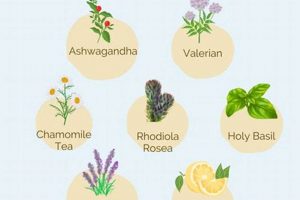
The HPA axis plays a central role in the stress response, ultimately influencing cortisol secretion. Chronic stress can lead to HPA axis dysregulation, contributing to hormonal imbalances. Adaptogens may help normalize HPA axis function by modulating the release of stress hormones, such as cortisol, thereby mitigating the adverse effects of chronic stress on endocrine systems. For example, Rhodiola rosea has been shown to reduce cortisol levels in individuals experiencing stress.
- Influence on Neurotransmitter Balance
Neurotransmitters, such as serotonin and dopamine, exert a profound influence on mood, sleep, and appetite, all of which are interconnected with hormonal regulation. Adaptogens may modulate neurotransmitter activity, promoting a more balanced neuroendocrine environment. Ashwagandha (Withania somnifera), for example, has demonstrated an ability to enhance GABAergic neurotransmission, potentially reducing anxiety and promoting relaxation, indirectly influencing hormone levels.
- Antioxidant and Anti-inflammatory Effects
Chronic inflammation and oxidative stress can disrupt endocrine function. Adaptogens often possess antioxidant and anti-inflammatory properties, which may protect endocrine tissues from damage and improve hormone synthesis and receptor sensitivity. Eleutherococcus senticosus (Siberian Ginseng) exhibits potent antioxidant activity, potentially safeguarding endocrine organs from oxidative damage and supporting optimal function.
- Support of Immune Function
The immune system and the endocrine system are intricately linked. Immune dysregulation can contribute to hormonal imbalances, and vice versa. Adaptogens may support immune function by modulating immune cell activity and reducing inflammation, thereby indirectly promoting endocrine health. Ganoderma lucidum (Reishi mushroom) possesses immunomodulatory properties, potentially promoting a more balanced immune response and supporting endocrine function.
In summation, the adaptogenic properties of certain botanicals offer a multifaceted approach to supporting endocrine health by mitigating the adverse effects of stress, modulating neurotransmitter balance, reducing inflammation and oxidative stress, and supporting immune function. The integration of adaptogens into a comprehensive approach to endocrine well-being requires careful consideration of individual needs and potential interactions, and should be guided by a qualified healthcare professional.
4. Individual Variability

The response to plant-derived interventions targeting endocrine function is subject to significant individual variability. This phenomenon arises from a complex interplay of genetic predispositions, lifestyle factors, pre-existing medical conditions, and concurrent medication use, all influencing the absorption, metabolism, and ultimately, the efficacy of botanicals. Consequently, a standardized approach to these remedies is often inadequate, necessitating a personalized strategy predicated on a comprehensive assessment of each individual’s unique physiological profile. For example, two women experiencing similar menopausal symptoms may exhibit markedly different responses to the same phytoestrogen-containing herb, with one experiencing substantial relief while the other observes negligible effects or even adverse reactions.
Genetic polymorphisms affecting the activity of enzymes involved in the metabolism of plant compounds represent a crucial source of individual variation. Cytochrome P450 enzymes, for instance, play a key role in the detoxification of numerous xenobiotics, including plant-derived constituents. Genetic variations in these enzymes can lead to significant differences in the rate at which individuals metabolize and eliminate plant compounds, thereby influencing their systemic exposure and therapeutic effect. Furthermore, differences in gut microbiota composition can influence the bioavailability and bioactivity of many herbal constituents. The practical implication is that identical dosages of a given herb may result in substantially different plasma concentrations and subsequent therapeutic effects across individuals. Therefore, integrating genetic and microbiome assessments into the clinical evaluation could optimize treatment strategies.
In conclusion, the inherent variability in individual responses to plant-derived interventions for endocrine modulation underscores the importance of a personalized approach. A comprehensive understanding of genetic factors, metabolic capacity, and lifestyle influences is essential for tailoring interventions to maximize efficacy and minimize the risk of adverse effects. Challenges remain in precisely predicting individual responses, highlighting the ongoing need for research into the complex interplay between plant compounds and the human body. Recognizing and accounting for individual variability represents a crucial step towards promoting the safe and effective use of plant-derived interventions in supporting endocrine health.
5. Potential Interactions

The concurrent use of plant-derived substances and conventional pharmaceutical interventions presents a significant risk of potential interactions, especially in the context of endocrine modulation. These interactions may arise from pharmacokinetic or pharmacodynamic mechanisms, altering the absorption, distribution, metabolism, or excretion of either the botanical or the pharmaceutical agent. For instance, St. John’s Wort, an herb sometimes used for mood support, is known to induce cytochrome P450 enzymes, potentially reducing the efficacy of oral contraceptives and other hormone-based medications. Conversely, certain botanicals may inhibit hepatic enzymes, leading to increased serum concentrations and potentially toxic effects of concurrently administered drugs. Such pharmacokinetic interactions underscore the necessity for healthcare providers to meticulously assess a patient’s complete medication and supplement history before initiating any plant-based regimen targeting endocrine function.
Pharmacodynamic interactions can also occur, where the combined effects of a botanical and a pharmaceutical agent result in additive or antagonistic effects on the endocrine system. For example, combining a phytoestrogen-containing herb with hormone replacement therapy could lead to an exaggerated estrogenic effect, increasing the risk of adverse events such as breast tenderness or endometrial hyperplasia. Conversely, a botanical with anti-androgenic properties, when used concomitantly with an anti-androgen medication, might potentiate the therapeutic effect but also increase the risk of side effects such as sexual dysfunction. Furthermore, certain botanicals may interfere with laboratory tests used to monitor hormone levels, leading to inaccurate results and potentially inappropriate treatment decisions. For example, biotin, a common ingredient in dietary supplements, can interfere with immunoassays used to measure thyroid hormones, potentially leading to misdiagnosis of thyroid disorders.
Therefore, a thorough evaluation of potential interactions is paramount when integrating plant-derived substances into endocrine management strategies. Healthcare practitioners must be aware of the documented and theoretical interactions between commonly used botanicals and pharmaceutical agents, and should counsel patients regarding the importance of disclosing their complete medication and supplement history. The implementation of a collaborative approach involving physicians, pharmacists, and herbalists is crucial to mitigate the risks associated with potential interactions and ensure the safe and effective use of plant-derived options for supporting endocrine health.
6. Dosage Optimization

Dosage optimization represents a critical determinant of efficacy and safety in the application of botanicals for endocrine modulation. Given the inherent variability in individual responses and the complex pharmacological profiles of plant-derived substances, meticulous adjustment of dosages is essential to maximize therapeutic benefits while minimizing the risk of adverse effects. The selection of an inappropriate dosage, either too high or too low, may negate the intended effects or even produce undesirable outcomes, thereby undermining the therapeutic objectives.
- Bioavailability Considerations
The bioavailability of active constituents within plant-derived substances significantly influences dosage requirements. Factors such as the extraction method, the presence of other dietary components, and individual variations in gastrointestinal absorption can substantially affect the extent to which active compounds reach the systemic circulation. For instance, lipophilic constituents may exhibit enhanced absorption when consumed with dietary fats, while certain compounds may undergo extensive first-pass metabolism in the liver, necessitating higher oral dosages to achieve therapeutic plasma concentrations. Accurate dosage optimization, therefore, relies on understanding the bioavailability characteristics of the specific botanical being utilized.
- Dose-Response Relationship
Establishing the dose-response relationship is essential for determining the optimal dosage range for a given botanical intervention. The dose-response relationship describes the correlation between the administered dose and the observed therapeutic effect. In some cases, a linear dose-response relationship may exist, where increasing the dosage leads to a proportional increase in the therapeutic effect. However, certain botanicals may exhibit a non-linear or biphasic dose-response relationship, where higher dosages result in diminishing returns or even paradoxical effects. Carefully evaluating the dose-response relationship in preclinical and clinical studies is necessary to identify the dosage range that maximizes therapeutic benefits while minimizing the risk of adverse effects.
- Titration Strategies
Titration, the gradual adjustment of dosage over time, represents a prudent approach to optimizing the therapeutic effects of plant-derived substances while minimizing the risk of adverse reactions. Titration allows for the careful monitoring of individual responses and the identification of the lowest effective dose. The titration process typically involves starting with a low dosage and gradually increasing it until the desired therapeutic effect is achieved or until intolerable side effects occur. For example, in the management of menopausal symptoms with phytoestrogen-containing herbs, titration may involve gradually increasing the dosage until hot flashes are adequately controlled or until breakthrough bleeding occurs. Careful patient monitoring and communication are essential during the titration process.
- Interindividual Variability in Metabolism
Significant interindividual variability in the metabolism of plant-derived substances complicates the process of dosage optimization. Genetic polymorphisms affecting the activity of hepatic enzymes, such as cytochrome P450 enzymes, can lead to substantial differences in the rate at which individuals metabolize and eliminate plant compounds. These differences in metabolic capacity can influence the systemic exposure and therapeutic effect of botanicals, necessitating personalized dosage adjustments. Furthermore, concurrent use of other medications or herbal supplements can affect the metabolism of plant compounds, potentially leading to drug interactions and altered dosage requirements. Therefore, consideration of interindividual variability in metabolism is essential for optimizing dosages and minimizing the risk of adverse effects.
In conclusion, dosage optimization is a nuanced and crucial aspect of utilizing botanicals for the management of endocrine variations. A thorough understanding of bioavailability considerations, dose-response relationships, titration strategies, and interindividual variability in metabolism is essential for achieving optimal therapeutic outcomes while minimizing the risk of adverse events. Furthermore, the integration of personalized approaches that consider individual characteristics and medical history is paramount for ensuring the safe and effective application of plant-derived interventions for endocrine modulation.
7. Monitoring Outcomes

The utilization of botanicals to address endocrine irregularities mandates rigorous outcome monitoring to ascertain efficacy and safety. The inherently complex and variable nature of both plant-derived compounds and individual physiological responses renders empirical observation and quantifiable assessment indispensable. Without meticulous monitoring, the potential benefits of botanical interventions cannot be reliably distinguished from placebo effects or spontaneous physiological fluctuations. Furthermore, the absence of monitoring precludes timely detection of adverse effects or suboptimal responses, potentially jeopardizing patient well-being. For example, if an individual utilizes a botanical purported to alleviate menopausal symptoms, objective monitoring via hormonal assays and validated symptom scales is crucial to determine if the intervention is genuinely effective and safe, or if it is merely coincidental with a natural remission of symptoms.
The specific parameters to be monitored depend on the target endocrine axis and the botanical employed. When addressing thyroid dysfunction, for instance, serial measurements of thyroid-stimulating hormone (TSH), free thyroxine (FT4), and free triiodothyronine (FT3) are essential to evaluate the impact of botanical interventions on thyroid hormone synthesis and metabolism. In cases involving adrenal dysregulation, monitoring salivary cortisol levels throughout the day can provide insights into the effects of adaptogenic herbs on the HPA axis. For individuals utilizing botanicals to manage polycystic ovary syndrome (PCOS), monitoring menstrual cycle regularity, ovarian hormone levels, and markers of insulin resistance is necessary to assess the effectiveness of the intervention and detect any potential adverse effects on metabolic health. Furthermore, regular clinical assessments, including blood pressure measurements and liver function tests, are warranted to detect potential systemic effects of the botanical therapy.
In summary, the integration of robust outcome monitoring represents an indispensable component of responsible botanical use for endocrine modulation. By employing objective and quantifiable measures, healthcare providers can effectively evaluate the efficacy and safety of these interventions, identify potential adverse effects, and optimize treatment strategies to meet individual needs. The absence of such monitoring not only compromises the scientific validity of botanical approaches but also exposes patients to unnecessary risks. Therefore, a commitment to rigorous outcome monitoring is paramount for ensuring the responsible and ethical application of plant-derived remedies in the pursuit of endocrine health.
Frequently Asked Questions
The following section addresses common inquiries regarding plant-based approaches to endocrine health. The information presented aims to provide a clear and objective understanding of this complex topic.
Question 1: Are plant-derived options for endocrine fluctuations scientifically validated?
Some botanicals have undergone preliminary research, demonstrating potential benefits in specific endocrine conditions. However, a substantial body of rigorous, large-scale clinical trials is often lacking. The level of scientific evidence varies widely among different herbs and endocrine disorders. Individuals should critically evaluate the available research and consult with a qualified healthcare professional.
Question 2: Can botanical interventions completely replace conventional hormone therapies?
Plant-derived substances are generally not considered a direct replacement for conventional hormone therapies in cases of severe endocrine deficiencies or life-threatening conditions. While some botanicals may offer complementary benefits, they often exert milder effects and are not subject to the same regulatory oversight as pharmaceutical agents. Consulting with an endocrinologist is essential to determine the most appropriate course of treatment.
Question 3: Are plant-based remedies inherently safe because they are “natural”?
The designation “natural” does not equate to inherent safety. Plant-derived substances can possess potent pharmacological activity and may interact with conventional medications or exacerbate pre-existing medical conditions. Adverse effects, such as allergic reactions, gastrointestinal disturbances, or hepatotoxicity, are possible. Diligence and healthcare professional guidance are crucial to mitigate risks.
Question 4: How can the quality of plant-derived endocrine supports be ensured?
Quality control standards vary widely in the herbal supplement industry. To ensure product integrity, individuals should select brands that adhere to Good Manufacturing Practices (GMP) and undergo third-party testing for identity, purity, and potency. Consulting with a qualified herbalist or naturopathic physician can also provide guidance on selecting reputable products.
Question 5: How long does it typically take to observe the effects of botanical interventions?
The time frame for observing noticeable effects can vary significantly depending on the individual, the specific botanical used, the dosage, and the endocrine condition being addressed. Some individuals may experience improvements within a few weeks, while others may require several months of consistent use to observe meaningful changes. Patience and consistent monitoring are essential.
Question 6: Can plant-derived substances interact with prescription medications?
Potentially significant interactions can occur between plant-derived substances and prescription medications. Certain herbs may alter the absorption, metabolism, or excretion of pharmaceutical agents, potentially affecting their efficacy or increasing the risk of adverse effects. Consulting with a pharmacist or healthcare provider is crucial to identify and manage potential drug-herb interactions.
The information provided in this FAQ section should not be interpreted as medical advice. Seeking personalized guidance from a qualified healthcare professional is essential before initiating any new treatment regimen.
The subsequent section will provide a resource directory for obtaining additional information.
Herbal Remedies for Hormonal Imbalance
The exploration of plant-derived substances within the context of endocrine modulation reveals a complex landscape of potential benefits and inherent limitations. While certain botanicals demonstrate promising activity in preclinical and clinical studies, substantial variability in individual responses, potential interactions with conventional medications, and challenges in quality control necessitate a cautious and informed approach. The information presented underscores the importance of comprehensive assessment, personalized treatment strategies, and rigorous outcome monitoring when considering the integration of plant-based remedies into endocrine health management.
The responsible application of herbal remedies for hormonal imbalance demands a synthesis of traditional knowledge and evidence-based medicine. Continued research into the mechanisms of action, optimal dosages, and potential risks associated with these substances remains crucial. Further, the integration of interdisciplinary expertise is essential to ensure the safe and effective utilization of plant-derived options in the pursuit of endocrine well-being. In summation, a critical and informed approach is paramount to ensure patient safety and improve the effectiveness of complementary interventions.