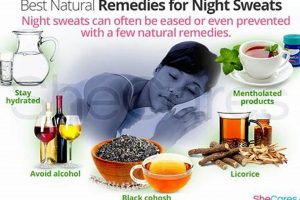
The climacteric marks a significant biological transition in women’s lives, characterized by the cessation of menstruation and a decline in ovarian hormone production. During this period, many individuals seek alternative therapeutic approaches to manage associated symptoms, exploring options derived from plant sources. These natural interventions aim to mitigate discomforts and promote overall well-being during this life stage.
Historically, various cultures have relied on botanical preparations to address female health concerns. The appeal of these approaches stems from their perceived naturalness and potential for fewer adverse effects compared to conventional hormone therapies. Furthermore, access to such remedies may be easier in certain regions or preferred due to personal philosophies regarding healthcare.
This article will delve into commonly utilized botanicals, examining their purported mechanisms of action, available scientific evidence supporting their efficacy, and potential safety considerations. The information presented is intended for educational purposes and should not be interpreted as medical advice. Consulting with a qualified healthcare professional is essential before initiating any new treatment regimen.
Individuals seeking botanical support during the menopausal transition should approach these options with informed caution and a focus on personalized strategies.
Tip 1: Prioritize Consultation with Healthcare Providers: Before initiating any herbal regimen, engage in thorough discussions with physicians or qualified healthcare practitioners. This ensures safety, addresses potential interactions with existing medications, and facilitates monitoring for adverse effects.
Tip 2: Research Specific Herbs Thoroughly: Investigate the available scientific literature pertaining to the chosen botanical. Pay attention to studies evaluating efficacy, safety profiles, and potential risks. Credible sources include peer-reviewed journals and reputable organizations specializing in women’s health.
Tip 3: Source Products from Reputable Manufacturers: Quality control is paramount when selecting herbal preparations. Opt for products from established manufacturers with transparent sourcing practices and third-party testing for purity and potency. Avoid products with vague ingredient lists or unsubstantiated claims.
Tip 4: Start with Low Doses and Monitor Response: Introduce new botanicals gradually, beginning with the lowest recommended dose. Closely monitor the body’s response for any adverse reactions or unexpected side effects. Maintain a detailed record of symptoms and dosage adjustments.
Tip 5: Be Patient and Realistic with Expectations: The effects of herbal remedies can vary significantly among individuals. Allow sufficient time, typically several weeks or months, to assess the effectiveness of a particular botanical. Understand that botanical approaches may offer symptom management rather than complete resolution.
Tip 6: Consider Lifestyle Modifications Concurrently: Herbal interventions are most effective when integrated with comprehensive lifestyle adjustments. Prioritize a balanced diet, regular exercise, stress management techniques, and adequate sleep to optimize overall well-being during menopause.
Tip 7: Discontinue Use if Adverse Effects Occur: If any concerning symptoms develop, such as allergic reactions, digestive disturbances, or interactions with medications, discontinue the herbal remedy immediately and seek medical advice.
Adherence to these guidelines may contribute to a safer and more informed approach when exploring botanical options to manage menopausal symptoms. A commitment to evidence-based decision-making and personalized care is crucial.
The subsequent sections of this article will address specific botanicals commonly used during menopause and their respective safety profiles.
1. Symptom Management

The menopausal transition often presents a constellation of symptoms, including vasomotor instability (hot flashes and night sweats), sleep disturbances, mood alterations, and vaginal dryness. The primary goal of symptom management is to alleviate these discomforts and improve the overall quality of life during this physiological shift. Botanical interventions are frequently explored as alternatives or adjuncts to conventional hormone therapies for addressing these symptoms. The rationale behind utilizing plant-derived remedies lies in their perceived ability to modulate hormonal pathways or exert other physiological effects that counteract specific menopausal complaints.
The effectiveness of herbal remedies for symptom management varies depending on the specific botanical, the individual’s response, and the rigor of the scientific evidence supporting its use. For example, black cohosh has been traditionally employed to alleviate hot flashes, although the evidence for its efficacy remains somewhat inconsistent. Soy isoflavones, on the other hand, have been studied for their potential to mitigate vasomotor symptoms and improve bone health. Proper symptom management during menopause extends beyond merely suppressing discomforts; it involves a holistic approach that addresses physical, emotional, and psychological well-being. This includes lifestyle modifications such as diet, exercise, and stress reduction techniques, which can complement botanical interventions.
Ultimately, the use of botanical remedies for symptom management during menopause necessitates a comprehensive assessment of individual needs and preferences, coupled with a careful evaluation of the available evidence. Open communication with healthcare providers is crucial to ensure the safe and effective integration of herbal therapies into a personalized treatment plan. Further research is needed to elucidate the precise mechanisms of action and long-term effects of various botanical interventions for managing menopausal symptoms. A critical perspective is imperative to determine the most suitable options based on scientific merit and individual circumstances.
2. Botanical Safety

The consideration of botanical safety is paramount when evaluating the use of plant-derived remedies during menopause. While perceived as “natural,” such substances are bioactive compounds that can exert significant physiological effects. Understanding their potential risks and interactions is crucial for safeguarding health.
- Potential for Adverse Reactions
Herbal remedies can elicit adverse reactions, ranging from mild gastrointestinal upset to severe allergic responses. Individuals with pre-existing medical conditions, such as liver or kidney disease, may be at increased risk. Furthermore, concurrent use of multiple herbal products can amplify the likelihood of adverse effects. Rigorous monitoring for unexpected symptoms is essential.
- Drug Interactions
Botanical compounds can interact with prescription and over-the-counter medications, altering their efficacy or increasing the risk of side effects. For example, St. John’s Wort, sometimes used for mood regulation during menopause, can interfere with the metabolism of certain antidepressants and oral contraceptives. Awareness of potential interactions and consultation with a healthcare professional are critical.
- Quality Control Concerns
The herbal product industry lacks the stringent regulatory oversight applied to pharmaceuticals. Consequently, variations in ingredient standardization, contamination with heavy metals or pesticides, and misidentification of plant species can occur. Selecting products from reputable manufacturers with third-party testing can mitigate these risks.
- Lack of Long-Term Data
Comprehensive, long-term safety data for many herbal remedies used during menopause are often limited. While some botanicals have been used traditionally for extended periods, rigorous scientific evaluation of their long-term effects is lacking. Caution is warranted when considering long-term use, and regular monitoring for potential adverse effects is advisable.
The intersection of botanical safety and menopause management necessitates a cautious and informed approach. While herbal remedies may offer potential benefits for alleviating menopausal symptoms, their use should be guided by evidence-based decision-making, personalized risk assessment, and ongoing monitoring by a qualified healthcare provider. This approach minimizes potential harm and optimizes the potential for therapeutic benefit.
3. Evidence-Based Use

The application of evidence-based principles to botanical interventions for menopause necessitates a critical evaluation of the scientific literature. This involves assessing the quality and quantity of research supporting the efficacy and safety of specific herbal remedies. Randomized controlled trials (RCTs), systematic reviews, and meta-analyses form the cornerstone of evidence-based practice, providing the most robust data upon which to base clinical decisions. The use of anecdotal evidence or traditional knowledge alone is insufficient to establish the efficacy of an intervention. For example, while black cohosh has a long history of use for managing hot flashes, the scientific evidence regarding its effectiveness remains inconsistent. Some studies demonstrate a modest benefit, while others show no significant difference compared to placebo. Consequently, a practitioner adhering to evidence-based principles would carefully weigh these findings and consider alternative options if the evidence is weak or conflicting.
A further crucial aspect is the consideration of methodological rigor in the available research. Studies with small sample sizes, inadequate controls, or a lack of blinding may produce unreliable results. Publication bias, where studies with positive findings are more likely to be published than those with negative results, also presents a challenge in assessing the true effectiveness of a treatment. Clinicians must therefore critically appraise the methodological quality of studies before incorporating their findings into clinical practice. The Cochrane Library, for instance, provides systematic reviews of healthcare interventions, offering a valuable resource for evidence-based decision-making. Applying these principles to herbal remedies for menopause, it becomes evident that a substantial proportion lack robust scientific evidence to support their widespread use. This underscores the importance of prioritizing those botanicals with the strongest evidence base and carefully considering the potential risks and benefits before initiating treatment.
In summary, the evidence-based approach emphasizes that clinical decisions should be grounded in the best available scientific evidence, rather than relying solely on tradition, personal experience, or marketing claims. The application of these principles to botanical remedies for menopause requires a rigorous evaluation of the scientific literature, consideration of methodological limitations, and a transparent assessment of risks and benefits. Challenges remain due to the limited number of high-quality studies and the potential for publication bias. However, a commitment to evidence-based practice is essential for ensuring that individuals receive safe and effective care during the menopausal transition.
4. Individual Variability

The efficacy and safety of herbal remedies for menopausal symptoms are significantly influenced by individual variability. Physiological, genetic, and lifestyle factors contribute to differing responses to botanical interventions. A standardized herbal protocol might prove effective for one individual while exhibiting minimal or adverse effects in another. This necessitates a personalized approach, moving beyond generalized recommendations to address specific needs and sensitivities.
Examples of individual variability impacting herbal remedy outcomes are readily observed. Cytochrome P450 enzymes, responsible for metabolizing many pharmaceuticals and herbal compounds, exhibit genetic polymorphisms. An individual with a specific CYP450 variant might metabolize an herb, like St. John’s Wort, at a significantly different rate than someone without that variant, affecting the herb’s bioavailability and its impact on co-administered medications. Furthermore, variations in gut microbiota can alter the biotransformation of certain plant compounds, influencing their effectiveness and potential toxicity. Lifestyle factors such as diet, smoking, and alcohol consumption further modify an individual’s response. For instance, a diet high in phytoestrogens might reduce the perceived impact of phytoestrogen-containing herbal supplements. A smoker’s altered enzymatic activity could affect the metabolism of herbs metabolized by similar pathways, altering effects.
Understanding individual variability is crucial for optimizing therapeutic outcomes and minimizing risks when using herbal remedies for menopause. Healthcare providers must conduct thorough assessments, considering medical history, genetic predispositions (where feasible), concurrent medication use, and lifestyle factors. Monitoring for adverse effects and adjusting dosages based on individual responses are essential components of responsible herbal therapy. The challenge lies in integrating the complexity of individual variation into practical clinical application, requiring a shift from generic protocols to personalized approaches that prioritize safety and efficacy. This integrated understanding requires further research.
5. Quality Assurance

Quality assurance (QA) is a critical component of utilizing botanical remedies for menopausal symptom management. The absence of rigorous QA protocols within the herbal supplement industry creates potential risks for consumers. These risks stem from several sources: misidentification of plant species, variations in active compound concentrations, contamination with heavy metals or pesticides, and adulteration with undeclared pharmaceuticals. Consequently, the efficacy and safety of an herbal product are directly contingent upon the robustness of the QA measures implemented during its manufacturing process. For example, a study revealed that a significant percentage of commercially available herbal products did not contain the purported ingredients, or contained them in quantities deviating substantially from the label claim. This lack of consistency undermines the ability to predict therapeutic outcomes and increases the potential for adverse events.
Effective QA programs for herbal remedies involve multiple layers of control. These include stringent sourcing practices, ensuring plant materials are harvested from reputable suppliers who adhere to Good Agricultural and Collection Practices (GACP). Proper identification of plant species, often through DNA barcoding or microscopic analysis, is essential to prevent substitution with related but potentially less effective or even harmful plants. Extraction and processing methods must be carefully controlled to maintain the integrity of active compounds and minimize degradation. Testing for contaminants, such as heavy metals, pesticides, and microbial pathogens, is necessary to ensure product safety. Furthermore, finished product testing should verify the concentration of key active compounds and ensure consistency between batches. Third-party certification programs, such as those offered by USP or NSF International, can provide an additional layer of assurance, as these organizations independently verify product quality and label claims. In practice, selecting herbal products that have undergone comprehensive QA testing significantly reduces the risk of exposure to substandard or adulterated products.
In conclusion, quality assurance is not merely a desirable attribute but an indispensable requirement for the responsible use of botanical remedies during menopause. The inherent variability in plant materials and the complexities of the herbal product manufacturing process necessitate robust QA measures to safeguard consumer health. By prioritizing products from manufacturers who adhere to stringent QA protocols and seek third-party certification, individuals can minimize the risks associated with herbal supplements and maximize the potential for safe and effective symptom management. The challenge remains in advocating for stronger regulatory oversight of the herbal supplement industry to ensure consistent quality and transparency across the market.
6. Hormonal Influence

The menopausal transition is fundamentally characterized by a decline in ovarian hormone production, primarily estrogen and progesterone. This hormonal shift precipitates a cascade of physiological changes, leading to a variety of symptoms that individuals seek to manage. Certain botanical remedies are theorized to exert their effects through influencing hormonal pathways, either directly or indirectly. Understanding the nature of this hormonal influence is crucial for evaluating the potential benefits and risks associated with specific herbal interventions during menopause.
- Phytoestrogenic Activity
Several herbal remedies, such as soy isoflavones and red clover, contain compounds known as phytoestrogens. These plant-derived substances possess a chemical structure similar to that of estradiol, the primary estrogen hormone in humans. Phytoestrogens can bind to estrogen receptors, albeit with a weaker affinity than estradiol, and may exert estrogenic or anti-estrogenic effects depending on the tissue and hormonal environment. For instance, in a hypoestrogenic state like menopause, phytoestrogens may weakly stimulate estrogen receptors, potentially alleviating symptoms such as hot flashes or vaginal dryness. However, the impact is highly variable and influenced by factors such as the type and concentration of phytoestrogen, receptor subtype distribution, and individual metabolism.
- Modulation of Gonadotropin Secretion
The decline in ovarian hormone production during menopause triggers a compensatory increase in the secretion of gonadotropin-releasing hormone (GnRH) from the hypothalamus, leading to elevated levels of follicle-stimulating hormone (FSH) and luteinizing hormone (LH) in the pituitary gland. Some herbal remedies are proposed to influence this hypothalamic-pituitary axis, potentially modulating gonadotropin secretion. For example, certain herbs are believed to possess adaptogenic properties, helping the body adapt to stress and maintain hormonal balance. However, the evidence supporting the impact of herbal remedies on gonadotropin secretion is often limited and requires further investigation.
- Effects on Steroid Hormone Metabolism
The metabolism of steroid hormones, including estrogens, is a complex process involving various enzymes in the liver and other tissues. Certain herbal compounds can influence the activity of these enzymes, potentially altering the levels of circulating hormones. For example, some herbs may inhibit the enzyme aromatase, which converts androgens into estrogens. This could theoretically reduce estrogen levels, although the clinical significance of this effect during menopause is unclear. Furthermore, other herbs might influence the production or activity of sex hormone-binding globulin (SHBG), a protein that binds to sex hormones and affects their bioavailability. Any alteration in SHBG levels could indirectly influence the hormonal milieu.
- Impact on Hormone Receptors
The response to hormonal signals is ultimately mediated by hormone receptors located in various tissues throughout the body. Some herbal compounds have been shown to interact with hormone receptors, modulating their activity. For instance, certain flavonoids can bind to estrogen receptors and influence gene expression. However, the precise mechanisms and clinical consequences of these interactions are not fully understood. Moreover, the effects of herbal remedies on hormone receptors may vary depending on the receptor subtype, the tissue context, and the presence of other hormonal influences. Understanding these complex interactions is crucial for predicting the potential benefits and risks associated with specific herbal interventions.
The hormonal influence of herbal remedies during menopause is a multifaceted and incompletely understood area. While some botanicals contain phytoestrogens or may impact hormone metabolism, the precise mechanisms and clinical significance of these effects require further investigation. A cautious and evidence-based approach is essential when considering herbal interventions for managing menopausal symptoms, acknowledging the potential for hormonal influence and the need for personalized assessment and monitoring.
Frequently Asked Questions
This section addresses common inquiries regarding the use of botanical interventions during the menopausal transition. The information provided is intended for educational purposes and should not substitute professional medical advice.
Question 1: Are herbal remedies a safe alternative to hormone replacement therapy (HRT) for managing menopausal symptoms?
The safety profile of herbal remedies varies considerably depending on the specific botanical, dosage, and individual factors. While some herbal interventions may offer relief from certain menopausal symptoms, they are not uniformly safe. Potential adverse effects and interactions with medications necessitate consultation with a qualified healthcare professional before initiating any herbal regimen. HRT remains a well-studied option, but its suitability depends on individual medical history and risk factors. A direct substitution of HRT with herbal remedies without professional guidance is not advised.
Question 2: Do herbal remedies effectively treat all menopausal symptoms?
The efficacy of herbal remedies varies among different symptoms. While some botanicals may demonstrate benefit for specific issues like vasomotor symptoms (hot flashes), evidence supporting their efficacy for other symptoms like mood disturbances or cognitive changes is often limited or inconsistent. Furthermore, individual responses to herbal interventions can differ significantly. A comprehensive assessment is required to determine the appropriate therapeutic approach for each symptom.
Question 3: How can the quality and purity of herbal remedies be ensured?
The herbal supplement industry lacks the stringent regulatory oversight applied to pharmaceutical products. Consequently, quality control is a significant concern. To mitigate this risk, selecting products from reputable manufacturers that employ third-party testing for purity, potency, and contaminant levels is recommended. Examining labels for certifications from organizations such as USP or NSF can provide added assurance. Direct communication with manufacturers to inquire about their quality assurance protocols is also advisable.
Question 4: Are there any known drug interactions associated with common herbal remedies used during menopause?
Several herbal remedies possess the potential to interact with prescription and over-the-counter medications. St. John’s Wort, for example, can interact with antidepressants and oral contraceptives. Black cohosh may affect certain medications metabolized by the liver. Disclosing all medications and supplements to a healthcare provider is crucial to identify and mitigate potential drug interactions. Failure to do so can result in diminished drug efficacy or increased risk of adverse effects.
Question 5: Can herbal remedies be used in conjunction with HRT?
The concurrent use of herbal remedies and HRT requires careful consideration and professional guidance. Certain herbal compounds may interact with HRT, potentially altering its efficacy or increasing the risk of side effects. Due to the complexity of hormonal interactions, co-administration should only occur under the supervision of a healthcare professional experienced in both conventional and complementary therapies.
Question 6: What is the recommended duration of use for herbal remedies during menopause?
The appropriate duration of use for herbal remedies varies depending on the specific botanical, the individual’s response, and the underlying health condition. Long-term safety data for many herbal interventions are limited. Therefore, extended use should be approached with caution and under the guidance of a healthcare provider. Periodic reassessment of the need for continued use is advisable. Discontinuation should be considered if no demonstrable benefit is observed or if adverse effects occur.
In summary, a thorough understanding of the potential benefits, risks, and limitations associated with herbal remedies is essential for making informed decisions during the menopausal transition. Consultation with a qualified healthcare provider is paramount to ensure safe and effective symptom management.
The subsequent section explores resources for further research on herbal remedies and menopause.
Menopause and Herbal Remedies
This article has explored the complexities surrounding botanical interventions during menopause, highlighting critical aspects such as symptom management, safety considerations, evidence-based utilization, individual variability, quality assurance, and hormonal influence. A comprehensive understanding of these factors is essential for making informed decisions regarding the potential role of herbal remedies in managing the menopausal transition. The information presented underscores the need for a cautious and evidence-based approach, prioritizing safety and individual needs over generalized recommendations.
The ongoing pursuit of knowledge regarding menopause and herbal remedies is imperative. Further rigorous research is required to elucidate the mechanisms of action, establish definitive efficacy, and assess the long-term safety profiles of various botanical interventions. Until such evidence is available, individuals should engage in open communication with qualified healthcare professionals to navigate the complexities of menopause management and make informed choices aligned with their specific circumstances. The responsible use of botanical therapies necessitates a commitment to continuous learning and a dedication to evidence-based practice.