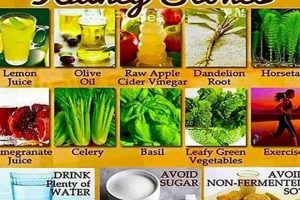
The application of plant-derived substances to alleviate fluid accumulation in the lower extremities represents a traditional approach to managing this condition. These natural treatments aim to reduce swelling and discomfort through various mechanisms, such as promoting diuresis and improving circulation.
Historically, botanical interventions have played a significant role in addressing fluid retention, often serving as the primary method of relief before the advent of modern medicine. The continued interest stems from the perceived gentler action and potential synergistic effects of multiple compounds found within these natural sources. Furthermore, some individuals seek them as complementary therapies alongside conventional treatments.
Therefore, understanding the specific plants utilized, their proposed mechanisms of action, and the evidence supporting their efficacy is crucial for informed decision-making. Subsequent sections will explore commonly used plants, potential risks and benefits, and considerations for responsible implementation.
Guidance on Botanical Approaches for Peripheral Edema
The subsequent recommendations address the responsible consideration of plant-based options for managing lower extremity fluid accumulation. These points are intended to inform, not prescribe, and should be discussed with a qualified healthcare professional before implementation.
Tip 1: Identification of the Root Cause: Prior to initiating any regimen, a thorough medical evaluation is essential to determine the etiology of the edema. Potential underlying conditions, such as cardiac, renal, or hepatic dysfunction, must be ruled out or addressed concurrently.
Tip 2: Source Reputable Products: Ensure that any botanical products utilized are obtained from established, reputable suppliers. This mitigates the risk of adulteration, contamination, and inaccurate ingredient labeling.
Tip 3: Understand Potential Interactions: Many botanicals possess pharmacologically active compounds that can interact with conventional medications. A comprehensive review of all concurrent medications is imperative to avoid adverse events.
Tip 4: Dosage and Administration: Adhere strictly to recommended dosages and administration guidelines provided by qualified herbalists or healthcare professionals. Deviations from these protocols can increase the risk of toxicity or reduce efficacy.
Tip 5: Monitor for Adverse Reactions: Closely monitor for any adverse reactions, such as allergic responses, gastrointestinal distress, or skin irritation. Discontinue use immediately if any such symptoms arise and seek medical attention.
Tip 6: Lifestyle Integration: Complement botanical interventions with supportive lifestyle modifications, including dietary adjustments (reduced sodium intake), regular exercise (leg elevation exercises), and appropriate hydration.
Tip 7: Consider Compression Therapy: The application of compression stockings can further assist in reducing fluid accumulation and promoting venous return. Consult a healthcare provider regarding appropriate compression levels.
In summary, a responsible and informed approach to botanical interventions requires careful consideration of product quality, potential interactions, appropriate dosing, and ongoing monitoring for adverse effects. These strategies work best when combined with lifestyle adjustments and after a proper medical diagnosis.
The succeeding section will provide an overview of specific plant species commonly associated with edema relief and their proposed mechanisms of action.
1. Diuretic properties.
The presence of diuretic properties in certain botanicals is a key consideration in their traditional use for addressing fluid accumulation in the lower extremities. These properties, which promote increased urine production, are believed to contribute to a reduction in overall fluid volume and, consequently, a decrease in swelling.
- Mechanism of Action
Diuretic properties exert their effect primarily by influencing kidney function. Specific compounds within plants may inhibit the reabsorption of sodium and water in the renal tubules. This inhibition leads to increased excretion of sodium and water in the urine, thereby lowering the overall fluid volume within the body and reducing the extravascular fluid that contributes to edema.
- Examples of Diuretic Plants
Several plants are traditionally recognized for their potential diuretic effects. Dandelion (Taraxacum officinale) and parsley (Petroselinum crispum) are common examples. These plants contain compounds, such as flavonoids and other phytonutrients, that are theorized to contribute to their diuretic activity. However, the exact mechanisms and efficacy require further rigorous scientific investigation.
- Considerations for Use
The use of botanicals with diuretic properties must be approached with caution, particularly in individuals with pre-existing renal conditions or those taking pharmaceutical diuretics. Excessive fluid loss can lead to electrolyte imbalances, dehydration, and potential interactions with other medications. Careful monitoring of fluid intake, electrolyte levels, and overall hydration status is essential during the use of these substances.
- Limitations of Evidence
While anecdotal evidence and traditional use suggest potential benefits, the scientific evidence supporting the efficacy of many botanical diuretics for edema remains limited. Most studies are small, poorly controlled, or lacking in rigorous methodology. Therefore, conclusions regarding their effectiveness must be viewed with skepticism, and reliance on these remedies should not replace conventional medical treatment for underlying conditions contributing to edema.
The understanding of diuretic properties in plants requires a nuanced perspective, acknowledging both the potential for fluid reduction and the inherent risks associated with altered kidney function. Rigorous scientific inquiry is necessary to fully elucidate the mechanisms, efficacy, and safety of specific botanical diuretics in the context of peripheral edema management. Furthermore, professional medical guidance is paramount to ensure responsible use and prevent adverse outcomes.
2. Anti-inflammatory actions.

Inflammation frequently contributes to peripheral edema, exacerbating fluid accumulation and associated discomfort. Consequently, botanicals possessing anti-inflammatory properties are of interest in addressing this condition. Their potential to mitigate inflammatory processes may reduce vascular permeability and fluid leakage into surrounding tissues.
- Targeting Inflammatory Mediators
Certain plant-derived compounds can modulate the activity of inflammatory mediators such as cytokines, prostaglandins, and leukotrienes. By inhibiting the production or activity of these molecules, inflammation may be reduced. For example, flavonoids present in some botanicals possess antioxidant and anti-inflammatory effects, potentially interrupting inflammatory pathways.
- Reducing Vascular Permeability
Inflammation often leads to increased vascular permeability, allowing fluid to escape from blood vessels into interstitial spaces, contributing to edema. Botanicals with anti-inflammatory properties may help stabilize vascular walls and reduce leakage, thereby mitigating fluid accumulation. This mechanism is particularly relevant in conditions where inflammation plays a significant role in edema formation.
- Specific Plant Examples and Considerations
Horse chestnut (Aesculus hippocastanum), containing aescin, is often cited for its potential anti-inflammatory and venotonic effects, which may improve venous tone and reduce edema associated with chronic venous insufficiency. However, rigorous scientific evidence supporting the efficacy of specific botanicals for edema remains limited, and caution is warranted regarding potential side effects and interactions with conventional medications.
- Complementary Role in Edema Management
While botanicals with anti-inflammatory properties may offer a complementary approach to edema management, they should not be considered a replacement for conventional medical treatment, especially when underlying medical conditions contribute to fluid accumulation. Integration with other therapies, such as compression therapy and lifestyle modifications, may provide a more comprehensive strategy.
In summation, the anti-inflammatory actions of certain botanicals present a potential avenue for addressing edema associated with inflammatory processes. However, rigorous scientific evaluation, individualized assessment, and professional medical guidance are essential to ensure safe and effective implementation. The role of these botanicals should be viewed as adjunctive, complementing conventional approaches to edema management, rather than a standalone solution.
3. Circulation improvement.
Enhancing circulatory function is a critical objective in managing peripheral edema, as compromised blood flow can contribute to fluid accumulation in the lower extremities. Botanical interventions targeting circulation aim to improve venous return and reduce pressure within the vascular system.
- Venotonic Action
Some botanicals possess venotonic properties, which strengthen and tone the walls of veins. This action improves the efficiency of venous valves, preventing backflow of blood and reducing venous hypertension. Increased venous tone can help facilitate the return of fluid from the tissues back into the circulatory system, alleviating edema. Horse chestnut (Aesculus hippocastanum), containing aescin, is a frequently cited example.
- Microcirculation Enhancement
Impaired microcirculation can hinder the removal of fluid and waste products from tissues, contributing to edema. Certain botanicals are believed to improve microcirculation by promoting vasodilation and reducing blood viscosity. Ginkgo biloba, for instance, has been studied for its potential to enhance blood flow to peripheral tissues. However, the evidence supporting this effect in the context of edema remains limited.
- Antiplatelet Activity
Excessive platelet aggregation can impede blood flow and contribute to the development of venous thrombosis, which can worsen edema. Some botanicals exhibit antiplatelet activity, potentially reducing the risk of clot formation and improving circulation. However, caution is advised when using these substances concurrently with anticoagulant or antiplatelet medications, as the risk of bleeding may be increased.
- Lymphatic System Support
The lymphatic system plays a crucial role in fluid drainage from tissues. Improving lymphatic function can aid in the removal of excess fluid and reduce edema. While specific botanicals directly targeting the lymphatic system are less common, overall circulation improvement indirectly supports lymphatic drainage by reducing fluid overload in the tissues.
The improvement of circulation through botanical means represents a multifaceted approach to edema management. Addressing venous tone, microcirculation, platelet aggregation, and lymphatic function can synergistically contribute to fluid reduction. However, the effectiveness and safety of specific botanicals should be carefully evaluated in the context of individual medical conditions and in consultation with a qualified healthcare provider.
4. Underlying condition management.
Addressing the root cause of fluid accumulation in the lower extremities is paramount, as edema often serves as a manifestation of an underlying medical condition. The injudicious use of plant-derived substances to alleviate edema symptoms without diagnosing and managing the primary cause can mask a potentially serious health issue, delaying appropriate treatment and potentially leading to adverse outcomes.
- Cardiac Dysfunction
Congestive heart failure, characterized by the heart’s inability to effectively pump blood, can lead to fluid buildup in the legs. Utilizing botanical diuretics without addressing the underlying cardiac issue may temporarily reduce edema but fails to improve cardiac function and could exacerbate electrolyte imbalances, complicating the management of heart failure. Proper diagnosis and conventional medical management are essential.
- Renal Impairment
Kidney disorders that compromise fluid and electrolyte regulation can result in edema. Employing plant-based remedies solely to manage edema without addressing the underlying renal pathology may mask the progression of kidney disease. Furthermore, some botanicals can potentially be nephrotoxic, further compromising renal function. Comprehensive renal evaluation and appropriate medical intervention are crucial.
- Hepatic Disorders
Liver disease, such as cirrhosis, can lead to reduced albumin production and portal hypertension, contributing to edema. Using plant-derived diuretics in this context without addressing the underlying liver condition only provides temporary relief and can worsen electrolyte imbalances and hepatic encephalopathy. Management should focus on addressing the underlying liver dysfunction.
- Venous Insufficiency
Chronic venous insufficiency, characterized by impaired venous return, is a common cause of lower extremity edema. While certain botanicals like horse chestnut may provide symptomatic relief, they do not address the underlying venous valve dysfunction. Compression therapy, lifestyle modifications, and potentially surgical interventions are often necessary for effective management of chronic venous insufficiency.
The application of botanical substances for edema management must be preceded by a comprehensive medical evaluation to identify and address any underlying medical conditions contributing to fluid accumulation. Symptomatic relief alone is insufficient and potentially detrimental if the primary cause remains unaddressed. A holistic approach integrating conventional medical treatments with potentially complementary botanical remedies, under the guidance of qualified healthcare professionals, is essential for optimal patient care.
5. Potential drug interactions.

The intersection of botanical interventions for lower extremity fluid accumulation and concurrent pharmaceutical regimens presents a significant concern. Many plant-derived compounds possess pharmacological activity, raising the possibility of interactions that may alter drug efficacy or increase the risk of adverse events. Vigilance and careful assessment are paramount to ensure patient safety.
- Pharmacokinetic Interactions
Botanical substances can influence the absorption, distribution, metabolism, and excretion (ADME) of conventional drugs. For instance, certain herbs may inhibit cytochrome P450 enzymes in the liver, thereby altering drug metabolism and potentially increasing or decreasing drug concentrations in the bloodstream. This can lead to either reduced therapeutic effect or increased toxicity of the pharmaceutical agent. An example is St. John’s Wort, known to interact with numerous medications, including some diuretics.
- Pharmacodynamic Interactions
Pharmacodynamic interactions occur when botanical compounds and conventional drugs have additive, synergistic, or antagonistic effects on the same physiological systems. For example, combining a botanical diuretic with a pharmaceutical diuretic can lead to excessive fluid and electrolyte loss, potentially resulting in dehydration and electrolyte imbalances. Conversely, an herb with anticoagulant properties, when taken with warfarin, may increase the risk of bleeding.
- Herb-Drug Interactions Affecting Cardiovascular Medications
Individuals managing edema often have underlying cardiovascular conditions requiring medication. Certain botanical substances can interfere with the action of cardiovascular drugs. For instance, herbs containing cardiac glycosides may potentiate the effects of digoxin, increasing the risk of toxicity. Similarly, herbs that affect blood pressure may interact with antihypertensive medications, leading to either hypotension or hypertension.
- Considerations for Antiplatelet and Anticoagulant Therapies
Many botanical products possess inherent antiplatelet or anticoagulant properties. Concomitant use of these substances with prescribed antiplatelet or anticoagulant medications, such as aspirin, clopidogrel, or warfarin, significantly elevates the risk of bleeding complications. Thorough evaluation of bleeding risk and careful monitoring of coagulation parameters are essential when combining these therapies.
In conclusion, the potential for drug interactions necessitates a comprehensive review of all medications and botanical supplements an individual is taking before initiating any “herbal remedies for edema in legs”. Collaboration between healthcare providers, including physicians and pharmacists, is crucial to identify and mitigate potential risks. Patient education regarding the importance of disclosing all substances consumed is also essential for ensuring safe and effective management of edema.
Frequently Asked Questions Regarding Botanical Interventions for Peripheral Edema
This section addresses common inquiries concerning the use of plant-derived substances for managing fluid accumulation in the lower extremities. The information provided is intended for educational purposes and should not be construed as medical advice.
Question 1: Are botanical remedies a substitute for conventional medical treatment for edema?
Botanical remedies should not be considered a replacement for conventional medical care in the management of edema. Edema can be a symptom of serious underlying conditions requiring proper diagnosis and treatment. Botanical interventions may serve as complementary therapies under the guidance of a qualified healthcare professional, but should not be used in lieu of prescribed medications or other necessary medical interventions.
Question 2: How can the safety of botanical products be ensured?
Ensuring the safety of botanical products involves several critical steps. Source products from reputable suppliers with established quality control measures. Verify that the products have been tested for contaminants and adulterants. Consult with a qualified herbalist or healthcare provider to determine appropriate dosages and potential interactions with existing medications.
Question 3: Are there specific populations that should avoid botanical remedies for edema?
Certain populations should exercise caution or avoid botanical remedies for edema altogether. These include pregnant or breastfeeding women, individuals with known allergies to specific plants, those with pre-existing kidney or liver conditions, and individuals taking anticoagulant or antiplatelet medications. A thorough medical history and consultation with a healthcare provider are essential before initiating any botanical regimen.
Question 4: How long does it typically take to see results from botanical treatments for edema?
The time required to observe noticeable effects from botanical interventions for edema varies depending on several factors, including the underlying cause of the edema, the specific botanical used, the dosage, and individual physiological characteristics. Some individuals may experience relief within a few days, while others may require several weeks of consistent use. If there’s no improvement, seek conventional treatments immediately.
Question 5: Can botanical diuretics cause electrolyte imbalances?
Yes, botanical diuretics can potentially cause electrolyte imbalances, particularly if used improperly or in excessive amounts. Over-diuresis can lead to depletion of essential electrolytes such as sodium, potassium, and magnesium, resulting in fatigue, muscle cramps, and cardiac arrhythmias. Monitoring electrolyte levels and maintaining adequate hydration are crucial when using botanical diuretics.
Question 6: Is it safe to combine multiple botanical remedies for edema?
Combining multiple botanical remedies for edema can increase the risk of adverse effects and drug interactions. Each botanical substance possesses its own unique pharmacological properties, and combining them without professional guidance can lead to unpredictable outcomes. It is generally advisable to use a single, well-researched botanical remedy under the supervision of a qualified healthcare provider.
In summary, a responsible and informed approach is essential when considering botanical interventions for edema. Always consult with a healthcare provider, source products from reputable suppliers, and be mindful of potential risks and interactions.
The subsequent section will delve into considerations for integrating lifestyle modifications into the management strategy for peripheral edema.
Herbal Remedies for Edema in Legs
The exploration of botanical interventions for peripheral edema reveals a complex landscape. While some plant-derived substances may offer symptomatic relief by promoting diuresis, reducing inflammation, or improving circulation, their use must be approached with caution. Underlying medical conditions contributing to edema must be identified and addressed through conventional medical channels. Furthermore, potential drug interactions and the lack of rigorous scientific evidence supporting the efficacy of many herbal remedies underscore the need for informed decision-making.
Therefore, a comprehensive medical evaluation should always precede the implementation of any botanical regimen for edema. Responsible utilization requires collaboration with qualified healthcare providers, sourcing products from reputable suppliers, and meticulous monitoring for adverse effects. The future of botanical interventions lies in rigorous scientific investigation to determine their true efficacy and safety, ultimately ensuring patient well-being and appropriate integration into holistic healthcare practices.