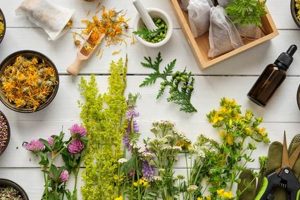
Botanical treatments utilized to alleviate excessive menstrual bleeding constitute a category of therapeutic interventions drawing upon naturally occurring plant compounds. These approaches aim to modulate hormonal balance, strengthen uterine tissues, or reduce inflammation, thereby potentially mitigating the intensity and duration of heavy menstrual periods. For instance, preparations derived from plants such as lady’s mantle and shepherd’s purse have a historical precedent in traditional medicine for their perceived astringent and hemostatic properties.
The significance of exploring botanical approaches for managing prolonged or heavy menstruation lies in their potential to offer alternative or complementary strategies alongside conventional medical treatments. Historically, numerous cultures have relied on plant-based medicine for gynecological conditions. Potential advantages include accessibility, affordability, and a perceived lower risk of side effects compared to certain pharmaceutical interventions. However, rigorous scientific validation is paramount to ascertain efficacy and safety.
The subsequent discussion will delve into specific botanical agents commonly cited for their potential in addressing heavy menstrual bleeding. It will examine available research, proposed mechanisms of action, and considerations regarding dosage and potential interactions. The information provided is intended for educational purposes and does not constitute medical advice. Consultation with a qualified healthcare professional is essential before initiating any new treatment regimen.
Guidance Regarding Botanical Interventions for Excessive Menstrual Bleeding
The following outlines essential considerations for individuals exploring the potential of botanical agents to manage prolonged or heavy menstruation. Prioritize informed decision-making and comprehensive healthcare integration.
Tip 1: Prioritize Consultation with a Qualified Healthcare Professional: A comprehensive evaluation by a physician or licensed healthcare provider is paramount before initiating any botanical treatment. This assessment is crucial to rule out underlying medical conditions contributing to heavy menstrual bleeding, such as uterine fibroids, polyps, or hormonal imbalances, which may require alternative or adjunctive medical or surgical intervention.
Tip 2: Conduct Thorough Research on Specific Botanical Agents: Investigate the available scientific literature pertaining to the chosen botanical. Focus on clinical trials, systematic reviews, and meta-analyses to ascertain the level of evidence supporting its efficacy and safety for managing heavy menstrual bleeding. Evaluate the credibility of sources and be wary of anecdotal claims or marketing materials lacking scientific substantiation.
Tip 3: Understand Potential Drug Interactions: Botanical agents can interact with prescription medications, over-the-counter drugs, and other supplements. Disclose all medications and supplements to the healthcare provider and pharmacist to assess potential interactions and mitigate risks. Particular caution is advised for individuals taking anticoagulants, antiplatelet agents, or hormonal therapies.
Tip 4: Adhere to Recommended Dosages and Administration Guidelines: Follow the recommended dosage instructions provided by a qualified herbalist or healthcare professional. Avoid exceeding the recommended dose, as excessive intake may increase the risk of adverse effects. Consider the form of administration (e.g., capsules, tinctures, teas) and ensure appropriate preparation and storage.
Tip 5: Monitor for Adverse Reactions and Side Effects: Be vigilant for any adverse reactions or side effects after initiating botanical treatment. Common side effects may include gastrointestinal upset, skin rashes, or allergic reactions. Discontinue use immediately and seek medical attention if experiencing severe or concerning symptoms.
Tip 6: Recognize Limitations and Realistic Expectations: Botanical interventions may not provide immediate or complete resolution of heavy menstrual bleeding. Understand that individual responses can vary, and results may take time to manifest. Manage expectations and maintain open communication with the healthcare provider regarding treatment progress.
Tip 7: Source High-Quality Botanical Products: Obtain botanical products from reputable suppliers that adhere to quality control standards, such as Good Manufacturing Practices (GMP). Verify that products are free from contaminants, adulterants, and heavy metals. Consider purchasing standardized extracts to ensure consistent potency and efficacy.
Prioritizing these guidelines empowers individuals to engage in a more informed and responsible approach to utilizing botanical interventions for managing excessive menstrual bleeding. Careful consideration of these factors maximizes the potential for benefit while minimizing potential risks.
The subsequent section will address the integration of these botanical approaches within a broader framework of gynecological health and well-being.
1. Astringent Properties

Astringent properties, a key mechanism in some botanical interventions for heavy menstrual bleeding (menorrhagia), involve the ability of certain plant-derived compounds to constrict tissues and reduce fluid discharge. This action is primarily attributed to the presence of tannins, polyphenolic compounds that bind to proteins, causing them to precipitate and contract. The resultant effect is a localized reduction in blood flow at the uterine lining, potentially diminishing the intensity and duration of menstrual bleeding. For example, witch hazel (Hamamelis virginiana), rich in tannins, is sometimes used topically or internally to manage excessive bleeding due to its astringent effects.
The importance of astringency in addressing menorrhagia lies in its direct impact on blood vessel constriction within the uterine mucosa. This constriction minimizes the leakage of blood, thereby alleviating the symptom of heavy bleeding. However, the degree of astringency varies among different herbs, and its effectiveness is contingent upon factors such as dosage, individual physiology, and the underlying cause of menorrhagia. Furthermore, while astringents can provide symptomatic relief, they do not address the root cause of the condition, which may involve hormonal imbalances, structural abnormalities, or other medical issues. Shepherd’s purse (Capsella bursa-pastoris), another example, has a history of use in traditional medicine for its astringent and hemostatic qualities.
Understanding the practical significance of astringent properties in botanical remedies for menorrhagia allows for a more targeted and informed approach to treatment. While these herbs can offer a degree of symptomatic management, they should not be considered a standalone solution for persistent or severe cases of heavy menstrual bleeding. Astringents are best utilized as part of a comprehensive treatment plan under the guidance of a qualified healthcare professional. Furthermore, individuals with certain medical conditions, such as anemia or bleeding disorders, should exercise caution when using astringent herbs due to their potential to further deplete iron stores or interact with anticoagulant medications.
2. Hormonal Modulation

Hormonal modulation constitutes a critical aspect of botanical interventions for menorrhagia, given that imbalances in estrogen, progesterone, and other hormones frequently underlie the condition. The objective is to employ plant-derived compounds that can influence hormone receptor activity, metabolic pathways, or hormone production, thereby restoring a more favorable hormonal milieu within the body.
- Phytoestrogens and Estrogen Receptor Modulation
Phytoestrogens, found in plants like soy and red clover, possess structural similarity to endogenous estrogen. They can bind to estrogen receptors, exerting either agonistic (estrogen-mimicking) or antagonistic (estrogen-blocking) effects, depending on the tissue and receptor subtype. In the context of menorrhagia, phytoestrogens may help to mitigate estrogen dominance, a common contributing factor to heavy bleeding, by competitively binding to estrogen receptors in the uterus and downregulating excessive estrogenic signaling.
- Progesterone-Modulating Herbs
Certain botanical agents are believed to influence progesterone levels or progesterone receptor activity. Chasteberry (Vitex agnus-castus), for example, is traditionally used to promote progesterone production by stimulating the pituitary gland. Adequate progesterone levels are crucial for regulating the menstrual cycle and ensuring proper shedding of the uterine lining. In cases of menorrhagia linked to progesterone deficiency, herbs that support progesterone production or enhance its effects may help to normalize bleeding patterns.
- Adaptogens and Stress Hormone Regulation
Adaptogens, such as ashwagandha and rhodiola, help the body adapt to stress by modulating the hypothalamic-pituitary-adrenal (HPA) axis. Chronic stress can disrupt hormonal balance, exacerbating menorrhagia. By regulating stress hormones like cortisol, adaptogens may indirectly improve hormonal equilibrium and reduce the severity of menstrual bleeding. The mechanism involves normalizing HPA axis function, thereby preventing the cascade of hormonal imbalances triggered by chronic stress.
- Influence on Prostaglandin Synthesis
Prostaglandins play a crucial role in regulating uterine contractions and inflammation during menstruation. Imbalances in prostaglandin synthesis can contribute to heavy and painful periods. Some botanical agents possess anti-inflammatory properties that may indirectly affect prostaglandin production. By reducing inflammation in the uterus, these herbs may help to normalize prostaglandin levels, thereby alleviating menorrhagia symptoms.
The strategic use of botanicals for hormonal modulation in menorrhagia necessitates a thorough understanding of the underlying hormonal imbalances and the specific mechanisms of action of each herb. Due to the complex interplay of hormones and the potential for unintended consequences, such interventions should be guided by a qualified healthcare professional and integrated within a holistic treatment plan.
3. Anti-inflammatory effects

The role of anti-inflammatory effects in botanical interventions for menorrhagia centers on addressing the inflammatory processes that often exacerbate heavy menstrual bleeding. Inflammation within the uterus can increase prostaglandin production, leading to heightened uterine contractions and vasodilation, both of which contribute to increased blood flow. Botanical agents with anti-inflammatory properties aim to mitigate these effects by modulating inflammatory pathways and reducing the levels of inflammatory mediators.
- Inhibition of Prostaglandin Synthesis
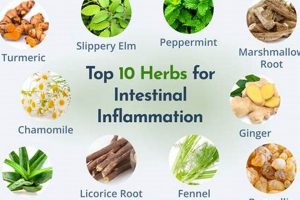
Many anti-inflammatory herbs contain compounds that inhibit the cyclooxygenase (COX) enzymes, which are crucial for prostaglandin synthesis. By reducing prostaglandin levels, these herbs can decrease uterine contractions and vasoconstriction, ultimately leading to a reduction in menstrual blood loss. For example, ginger (Zingiber officinale) possesses COX-inhibiting properties and has demonstrated potential in alleviating dysmenorrhea and heavy menstrual bleeding in some studies. Similarly, turmeric (Curcuma longa), containing curcumin, exhibits potent anti-inflammatory effects through its modulation of COX and other inflammatory pathways.
- Modulation of Cytokine Production
Cytokines, such as interleukin-1 (IL-1) and tumor necrosis factor-alpha (TNF-), are inflammatory signaling molecules that contribute to the inflammatory cascade within the uterus. Some botanical agents can modulate cytokine production, thereby reducing overall inflammation. Herbs like chamomile (Matricaria chamomilla) contain compounds that inhibit the release of pro-inflammatory cytokines, potentially mitigating the inflammatory response during menstruation. Through this modulation, these herbs may contribute to reducing the severity of menorrhagia.
- Reduction of Uterine Edema
Inflammation can lead to edema (swelling) within the uterine tissues, which can contribute to increased bleeding. Anti-inflammatory herbs may help reduce edema by improving microcirculation and reducing vascular permeability. This reduction in tissue swelling can contribute to a decrease in menstrual blood flow. Herbs with vasoactive properties, such as horse chestnut (Aesculus hippocastanum), may also support this mechanism by improving venous tone and reducing fluid retention in the pelvic area.
- Influence on Leukotriene Production
Leukotrienes, another class of inflammatory mediators, contribute to bronchoconstriction and vascular permeability. Some botanical agents, such as boswellia (Boswellia serrata), can inhibit the 5-lipoxygenase (5-LOX) enzyme, which is involved in leukotriene synthesis. By reducing leukotriene levels, these herbs can further contribute to reducing inflammation and bleeding associated with menorrhagia. The action on leukotrienes complements the effects on prostaglandin synthesis, providing a broader anti-inflammatory effect.
The integration of botanical agents with anti-inflammatory properties into the management of menorrhagia acknowledges the pivotal role of inflammation in this condition. While these herbs offer a potentially beneficial approach to modulating the inflammatory response, it is essential to recognize that they represent one facet of a comprehensive treatment strategy. Addressing the underlying causes of inflammation and ensuring appropriate medical oversight remain crucial for optimal outcomes. The utilization of anti-inflammatory herbs should be carefully considered within the context of an individual’s overall health profile and in consultation with a qualified healthcare provider.
4. Uterine tonics

Uterine tonics, a category of botanical agents traditionally used to strengthen and restore the uterus, play a potential role in managing menorrhagia by influencing uterine muscle tone and reducing excessive bleeding. The use of such tonics aims to promote optimal uterine function, potentially mitigating heavy menstrual flow and associated discomfort.
- Strengthening Uterine Muscles
Uterine tonics are believed to enhance the tone and contractility of the uterine muscles. This strengthening action may help to reduce excessive bleeding by promoting more efficient expulsion of the uterine lining during menstruation. For instance, raspberry leaf (Rubus idaeus) is often cited for its ability to tone the uterus and regulate menstrual flow. The strengthening of uterine muscles can lead to more controlled shedding, thus reducing the duration and intensity of bleeding.
- Reducing Uterine Congestion
Certain uterine tonics possess properties that help to reduce congestion and inflammation within the uterine tissues. By improving circulation and reducing edema, these herbs may alleviate pressure on blood vessels and decrease the likelihood of excessive bleeding. Herbs like cramp bark (Viburnum opulus) are used to relieve uterine spasms and congestion, potentially contributing to reduced blood loss during menstruation. The mechanism involves enhancing venous return and lymphatic drainage from the pelvic region.
- Balancing Uterine Hormones
Some uterine tonics may exert hormonal effects that help to balance estrogen and progesterone levels within the uterus. Hormonal imbalances are frequently implicated in menorrhagia, and tonics that support hormonal equilibrium may help to regulate menstrual flow. Chasteberry (Vitex agnus-castus), while primarily known for its effects on the pituitary gland, can indirectly influence uterine hormonal balance. The impact on hormonal balance contributes to more predictable and manageable menstrual cycles.
- Improving Uterine Integrity
Uterine tonics aim to fortify the structural integrity of the uterine lining, potentially reducing the risk of abnormal bleeding. Herbs like lady’s mantle (Alchemilla vulgaris) are traditionally used to strengthen uterine tissues and support overall uterine health. The improved integrity of the uterine lining can prevent excessive shedding and promote more stable blood vessels, thereby diminishing heavy menstrual bleeding.
In summary, uterine tonics represent a subset of botanical interventions for menorrhagia that focus on optimizing uterine function and integrity. These tonics address various aspects of uterine health, from strengthening muscles to balancing hormones and reducing congestion. While uterine tonics may offer benefits in managing heavy menstrual bleeding, they should be used under the guidance of a qualified healthcare professional, and their effectiveness can vary depending on the underlying cause of menorrhagia. Furthermore, consideration should be given to potential interactions with other medications and individual health conditions.
5. Individual variation
The effectiveness and safety of botanical interventions for menorrhagia are significantly influenced by individual variation. Physiological differences, genetic predispositions, pre-existing medical conditions, and concurrent medications all contribute to the diverse responses observed among individuals using similar herbal remedies. This variability necessitates a personalized approach to treatment, emphasizing the importance of thorough assessment and monitoring by qualified healthcare professionals. For example, two individuals with seemingly identical symptoms of menorrhagia may respond differently to the same herbal treatment due to differences in their metabolic enzyme activity, impacting the bioavailability and efficacy of the botanical compounds. One individual may experience significant symptom relief, while the other may encounter minimal benefit or even adverse effects. This disparity underscores the limitations of a one-size-fits-all approach and highlights the necessity of tailoring treatment plans to individual needs and characteristics.
The importance of considering individual variation extends beyond treatment efficacy to encompass safety considerations. Herbal remedies, while often perceived as “natural” and therefore inherently safe, can interact with prescription medications or exacerbate underlying health conditions. For instance, an individual taking anticoagulant medications may experience an increased risk of bleeding when using certain herbs known to possess antiplatelet properties. Similarly, those with liver or kidney dysfunction may exhibit altered metabolism and clearance of botanical compounds, leading to an increased risk of toxicity. The understanding of these potential interactions and individual risk factors is paramount in ensuring the responsible and safe use of botanical interventions. The clinical relevance of this understanding is evident in cases where patients experience unexpected adverse reactions or lack of therapeutic response due to overlooked individual variations. A comprehensive medical history, physical examination, and potentially relevant laboratory tests are essential components of a personalized approach to herbal therapy for menorrhagia.
In conclusion, individual variation represents a critical factor in determining the success and safety of herbal remedies for menorrhagia. Recognizing and addressing these differences requires a shift away from generalized recommendations toward individualized treatment strategies. The integration of personalized medicine principles into herbal therapy necessitates a collaborative approach between patients and qualified healthcare providers, emphasizing thorough assessment, careful monitoring, and ongoing evaluation of treatment outcomes. The challenges associated with individual variation underscore the need for continued research into the genetic and physiological factors that influence responses to botanical compounds, ultimately leading to more targeted and effective interventions for menorrhagia.
6. Medical supervision

Medical supervision constitutes an indispensable element in the safe and effective utilization of botanical treatments for menorrhagia. The guidance of a qualified healthcare professional ensures that the underlying cause of heavy menstrual bleeding is accurately diagnosed, excluding potentially serious conditions such as uterine fibroids, polyps, or hormonal imbalances requiring alternative medical or surgical intervention. For example, an individual self-treating menorrhagia with herbal remedies may inadvertently delay the diagnosis and treatment of endometrial cancer, leading to disease progression and poorer outcomes. Furthermore, medical supervision enables the healthcare provider to assess potential interactions between herbal remedies and prescription medications, minimizing the risk of adverse effects or reduced efficacy of conventional treatments. Consider a patient taking warfarin, an anticoagulant, who concurrently uses herbal remedies with antiplatelet properties; such a combination could significantly increase the risk of bleeding complications. Therefore, appropriate medical oversight mitigates such risks and ensures that herbal interventions are implemented safely and responsibly.
The practical significance of medical supervision extends beyond safety considerations to encompass the optimization of treatment efficacy. Healthcare professionals can provide evidence-based recommendations on appropriate dosages, formulations, and duration of herbal therapy, tailored to the individual’s specific health profile and the severity of their symptoms. They can also monitor treatment progress, assess the effectiveness of herbal remedies, and adjust the treatment plan as necessary. In cases where herbal remedies prove insufficient to control heavy menstrual bleeding, medical supervision ensures timely referral for alternative or adjunctive medical interventions, such as hormonal therapy or surgical procedures. This integrated approach maximizes the likelihood of achieving satisfactory symptom relief and improving the patient’s overall quality of life. For example, a healthcare provider may recommend combining herbal remedies with iron supplementation to address anemia resulting from prolonged heavy bleeding, thereby addressing a common complication of menorrhagia.
In summary, medical supervision is paramount to ensure the safe, responsible, and effective integration of herbal remedies into the management of menorrhagia. It facilitates accurate diagnosis, minimizes the risk of adverse interactions, optimizes treatment efficacy, and enables timely referral for alternative medical interventions when necessary. The lack of medical supervision can lead to delayed diagnosis of serious underlying conditions, increased risk of adverse effects, and suboptimal treatment outcomes. Therefore, individuals considering the use of herbal remedies for menorrhagia should prioritize consultation with a qualified healthcare professional to ensure that such interventions are implemented safely and within the context of comprehensive medical care.
Frequently Asked Questions Regarding Botanical Interventions for Heavy Menstrual Bleeding
The following addresses common inquiries concerning the use of herbal remedies for menorrhagia. The information aims to provide clarity on various aspects of botanical treatments, emphasizing the importance of informed decision-making.
Question 1: Are botanical remedies a sufficient substitute for conventional medical treatment of heavy menstrual bleeding?
Botanical remedies are not invariably a sufficient substitute for conventional medical treatment of heavy menstrual bleeding. A comprehensive medical evaluation is essential to rule out underlying conditions, such as uterine fibroids, polyps, or hormonal imbalances, that may necessitate conventional medical or surgical intervention. Botanical approaches may serve as adjunctive therapies but should not replace standard medical care without professional guidance.
Question 2: What potential risks are associated with botanical remedies for prolonged or heavy menstruation?
Potential risks associated with botanical remedies include allergic reactions, drug interactions, and adverse effects on organ function. Certain herbs may interact with prescription medications, over-the-counter drugs, or other supplements, potentially altering their efficacy or increasing the risk of side effects. It is crucial to disclose all medications and supplements to a healthcare provider before initiating any botanical treatment.
Question 3: How can one ensure the quality and safety of botanical products intended to address heavy menstrual bleeding?
Ensuring the quality and safety of botanical products requires sourcing from reputable suppliers that adhere to Good Manufacturing Practices (GMP). Verification that products are free from contaminants, adulterants, and heavy metals is essential. Consideration should be given to purchasing standardized extracts to ensure consistent potency and efficacy. Third-party testing and certification can provide additional assurance of product quality.
Question 4: How long does it typically take to observe noticeable improvements when using botanical remedies for excessive menstrual bleeding?
The time frame for observing noticeable improvements can vary significantly depending on individual physiology, the specific botanical agent used, and the underlying cause of heavy menstrual bleeding. Some individuals may experience symptom relief within a few weeks, while others may require several months of consistent use to observe tangible benefits. Patience and consistent monitoring are crucial.
Question 5: Are there specific botanical agents that should be avoided when addressing prolonged or heavy menstruation?
Certain botanical agents are contraindicated for individuals with specific medical conditions or those taking certain medications. For example, herbs with anticoagulant properties should be avoided by individuals taking blood-thinning medications. Individuals with hormone-sensitive conditions should exercise caution when using herbs with estrogenic or anti-estrogenic effects. A thorough review of medical history and current medications is essential before initiating any botanical treatment.
Question 6: Can botanical remedies be safely combined with hormonal contraceptives for managing prolonged or heavy menstruation?
Combining botanical remedies with hormonal contraceptives requires careful consideration and consultation with a healthcare provider. Some herbs may interact with hormonal contraceptives, potentially affecting their efficacy or increasing the risk of side effects. Open communication with a healthcare provider is essential to assess potential interactions and ensure treatment safety.
In conclusion, the appropriate and safe use of botanical interventions for heavy menstrual bleeding necessitates a comprehensive understanding of potential risks, benefits, and individual considerations. Consultation with a qualified healthcare professional is paramount to ensure optimal outcomes.
The following section will transition to summarizing key takeaways and providing final thoughts regarding the use of herbal remedies for menorrhagia.
Conclusion
This exploration of botanical approaches to mitigate excessive menstrual bleeding has underscored several critical aspects. The potential role of astringent herbs in reducing blood flow, the promise of hormonal modulation through phytoestrogens and adaptogens, and the anti-inflammatory effects of various plant-derived compounds have been examined. Furthermore, the importance of uterine tonics in promoting optimal uterine function and the significant influence of individual variation on treatment outcomes have been emphasized. The consistent theme throughout has been the necessity of medical supervision for safe and effective implementation.
The judicious use of botanical interventions warrants careful consideration, grounded in evidence-based research and guided by qualified healthcare professionals. While plant-based remedies may offer a complementary or alternative strategy for managing heavy menstrual bleeding, they should not be viewed as a panacea. Continued investigation into the efficacy and safety of specific herbal agents is essential, alongside a commitment to individualized treatment plans that prioritize patient well-being and comprehensive medical care. The integration of botanical approaches within a broader framework of gynecological health remains the most prudent course of action.