Products derived from plants, intended to augment the diet and provide nutritional benefits, fall under a specific category. These preparations can include vitamins, minerals, herbs or other botanicals, amino acids, and substances such as enzymes, organ tissues, glandulars, and metabolites. They are available in many forms, including tablets, capsules, powders, softgels, gelcaps, and liquids. As an example, a product containing concentrated extracts from echinacea, marketed to support immune function, would be classified within this category.
The consumption of these substances has a long history, rooted in traditional medicine and cultural practices worldwide. Proponents suggest their use can promote overall health and wellness, address specific nutrient deficiencies, and potentially support various bodily functions. The appeal often lies in the perception of natural origins and a holistic approach to well-being. Their prevalence reflects a growing consumer interest in proactive health management and alternative approaches to conventional medicine.
The subsequent sections will delve into regulatory aspects governing these products, explore potential interactions with pharmaceuticals, and analyze the available scientific evidence supporting claims related to efficacy and safety. Further discussion will address appropriate usage guidelines, potential risks, and considerations for specific populations.
Guidance on the Use of Plant-Based Nutritional Adjuncts
The following recommendations aim to provide a framework for the informed consumption of plant-derived nutritional products. Adherence to these suggestions may contribute to a more responsible and potentially beneficial experience.
Tip 1: Prioritize Consultation with a Healthcare Professional: Before initiating any regimen, including plant-based nutritional products, a qualified healthcare provider should be consulted. This ensures the product is appropriate for the individual’s health status and does not interact with existing medications or conditions.
Tip 2: Scrutinize Product Labels and Ingredients: Meticulously examine product labels for complete ingredient lists, potential allergens, and standardized extracts. Research any unfamiliar ingredients to understand their purported effects and potential risks.
Tip 3: Adhere to Recommended Dosage Guidelines: Strict adherence to the manufacturer’s recommended dosage is crucial. Exceeding the suggested dosage does not necessarily enhance benefits and may increase the risk of adverse effects.
Tip 4: Exercise Caution with Products Marketed with Exaggerated Claims: Products promising rapid or miraculous cures should be approached with skepticism. Regulatory bodies do not evaluate all claims made by manufacturers of these types of products.
Tip 5: Consider Potential Interactions with Medications: Numerous plant-derived substances can interact with prescription and over-the-counter medications. Inform the healthcare provider of all substances being consumed, including supplements.
Tip 6: Monitor for Adverse Reactions: Closely monitor the body for any unusual or adverse reactions after initiating a regimen. Discontinue use and consult with a healthcare professional if any concerning symptoms arise.
Tip 7: Source Products from Reputable Manufacturers: Opt for products manufactured by established companies with a commitment to quality control and third-party testing. This can help ensure the product’s purity and potency.
The informed and responsible consumption of plant-derived nutritional products hinges on thorough research, prudent decision-making, and open communication with healthcare providers. Adherence to these principles may help maximize potential benefits while minimizing potential risks.
The following sections will address regulatory oversight, explore evidence-based research, and examine the role of these products within the broader context of health and wellness.
1. Botanical Origin
The botanical origin of a plant-derived nutritional adjunct is paramount in determining its potential effects and safety profile. The specific plant species, its geographical location, and even the part of the plant used (e.g., root, leaf, seed) can significantly influence the chemical composition and, consequently, the therapeutic properties of the final product.
- Species Identification and Authentication
Accurate identification of the plant species is crucial. Misidentification can lead to the use of the wrong plant, resulting in ineffective or even harmful products. Authentication methods, such as DNA barcoding and microscopy, are increasingly used to verify the botanical identity.
- Geographical Variation and Chemotype
Environmental factors, such as soil composition, climate, and altitude, can influence the plant’s chemotype the specific chemical constituents it produces. For instance, St. John’s Wort grown in different regions may exhibit varying concentrations of hypericin and hyperforin, affecting its antidepressant activity.
- Part of the Plant Utilized
Different parts of the same plant can contain varying concentrations and types of active compounds. For example, the root of ginger (Zingiber officinale) is primarily used for its anti-inflammatory properties, while the leaves are sometimes used for culinary purposes. The chemical profile and intended use differ significantly.
- Cultivation and Harvesting Practices
Cultivation methods (organic vs. conventional) and harvesting practices (timing, drying methods) can impact the quality and stability of the plant material. Sustainable harvesting practices are essential to ensure the long-term availability of medicinal plants.
The botanical origin is not merely a label; it is a complex interplay of factors that directly affects the quality, safety, and efficacy of a plant-derived nutritional aid. A thorough understanding of these factors is essential for both manufacturers and consumers seeking to make informed decisions about their use. Neglecting these aspects can compromise product quality and potentially jeopardize consumer health.
2. Regulatory Status

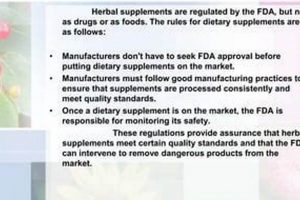
The regulatory status of plant-derived nutritional adjuncts significantly impacts their availability, quality, and marketing. The absence of stringent pre-market approval requirements, common in many jurisdictions, necessitates a thorough understanding of the existing regulatory framework and its implications for both manufacturers and consumers.
- Dietary Supplement Definition
In several regions, including the United States, these products are classified as dietary supplements, distinct from pharmaceuticals. This classification means they are not subject to the same rigorous pre-market testing and approval processes required for drugs. Manufacturers are responsible for ensuring product safety, but regulatory agencies generally intervene only after safety concerns arise.
- Good Manufacturing Practices (GMPs)
GMPs are a set of regulations that dictate the standards for manufacturing processes to ensure product quality, purity, and consistency. While these standards aim to minimize contamination and ensure accurate labeling, compliance can vary among manufacturers. Third-party certification programs can offer an additional layer of assurance regarding GMP adherence.
- Labeling Requirements
Labeling regulations mandate specific information to be included on product packaging, such as ingredient lists, serving sizes, and potential allergen warnings. However, the enforcement of these regulations can be inconsistent, and misleading or unsubstantiated claims may still appear on some products. It is crucial to carefully scrutinize product labels and research any unfamiliar ingredients.
- Adverse Event Reporting
Regulatory agencies often maintain systems for reporting adverse events associated with these products. However, the reporting of such events is often voluntary, meaning the true incidence of adverse reactions may be underreported. Consumer awareness of these reporting systems and proactive reporting of suspected adverse events are essential for effective post-market surveillance.
The relatively lenient regulatory landscape surrounding plant-derived nutritional aids places a significant onus on consumers to exercise caution and make informed decisions. Thorough research, critical evaluation of product claims, and consultation with healthcare professionals are essential steps in mitigating potential risks and maximizing potential benefits. The regulatory status is not a guarantee of safety or efficacy; it is merely a framework within which manufacturers operate, and consumers must navigate.
3. Efficacy Evidence

The evaluation of efficacy evidence forms a cornerstone in the responsible utilization of plant-derived nutritional adjuncts. Determining whether a substance demonstrably achieves its purported effects necessitates a critical examination of available scientific data. This assessment is crucial for both healthcare professionals and consumers seeking to make informed decisions about incorporating these products into their health regimens.
- Clinical Trials: The Gold Standard
Randomized, placebo-controlled clinical trials represent the most rigorous method for evaluating efficacy. These trials compare the effects of the substance against an inactive placebo in a well-defined population. Positive outcomes from multiple, independently conducted clinical trials provide the strongest support for a product’s effectiveness. For instance, numerous clinical trials have demonstrated the efficacy of St. John’s Wort for mild to moderate depression, while other plant-derived products lack such robust evidence.
- Systematic Reviews and Meta-Analyses
Systematic reviews and meta-analyses synthesize the findings of multiple clinical trials, providing a comprehensive overview of the available evidence. These analyses can identify trends, assess the overall strength of the evidence, and highlight areas where further research is needed. A meta-analysis of multiple studies on cranberry extract, for example, may evaluate its effectiveness in preventing urinary tract infections.
- Traditional Use and Observational Studies
While a history of traditional use can provide valuable insights, it does not constitute definitive evidence of efficacy. Observational studies, which track outcomes in individuals using a product, can be suggestive but are prone to bias and cannot establish causality. Traditional use, combined with supportive observational data, may warrant further investigation through rigorous clinical trials.
- Mechanistic Studies and Preclinical Data
Studies investigating the mechanisms of action of a plant-derived substance, along with preclinical data from laboratory and animal studies, can provide a rationale for its potential effects. However, these findings do not necessarily translate to clinical efficacy in humans. Mechanistic insights and preclinical data serve as a foundation for designing and conducting clinical trials.
The assessment of efficacy evidence is a nuanced process that requires careful consideration of study design, sample size, and the consistency of findings across multiple studies. The presence or absence of robust efficacy evidence should be a primary factor in determining whether to incorporate a particular plant-derived nutritional aid into a health regimen. Consumers should be wary of products marketed with unsubstantiated claims or based solely on anecdotal evidence.
4. Safety Profiles

The safety profile of any substance intended for human consumption is of paramount importance. Regarding plant-derived nutritional adjuncts, a thorough understanding of potential adverse effects, contraindications, and interactions is essential for minimizing risk and promoting responsible use. These considerations are particularly pertinent given the wide variability in product composition and regulatory oversight.
- Adverse Effects and Tolerability
Plant-derived substances, like any biologically active compound, can elicit adverse effects in some individuals. These effects can range from mild gastrointestinal distress to more serious reactions such as allergic responses or liver toxicity. Tolerability varies greatly among individuals based on factors such as genetics, age, and overall health status. Manufacturers are generally required to report serious adverse events, but self-reporting by consumers is crucial for comprehensive surveillance. For example, kava, traditionally used for relaxation, has been associated with liver damage in some cases, leading to restrictions or bans in certain countries.
- Drug Interactions
A significant concern with plant-derived products is their potential to interact with prescription and over-the-counter medications. These interactions can alter the absorption, metabolism, or elimination of drugs, leading to either reduced efficacy or increased toxicity. For example, St. John’s Wort, a common herbal remedy for depression, can interact with several medications, including antidepressants, blood thinners, and oral contraceptives. Healthcare professionals must be informed of all substances being consumed by a patient to mitigate potential drug interactions.
- Contraindications and Special Populations
Certain plant-derived substances are contraindicated for specific populations, such as pregnant or breastfeeding women, children, and individuals with certain medical conditions. For example, some herbs may have abortifacient effects and should be avoided during pregnancy. Similarly, individuals with bleeding disorders may need to avoid herbs with anticoagulant properties, such as ginkgo biloba. Careful consideration of individual health status and potential contraindications is crucial before initiating use.
- Dosage and Duration of Use
The safety of a plant-derived product is often dependent on the dosage and duration of use. Excessive doses or prolonged use can increase the risk of adverse effects. Adherence to recommended dosage guidelines and periodic reassessment of the need for continued use are essential. For instance, long-term use of certain laxative herbs can lead to electrolyte imbalances and dependence. Clear dosage instructions and warnings about potential risks are important components of product labeling.
In conclusion, the safety profile of a plant-derived nutritional adjunct is a complex interplay of factors. Careful consideration of potential adverse effects, drug interactions, contraindications, and dosage guidelines is paramount for minimizing risk and promoting responsible use. Consultation with a healthcare professional is highly recommended to ensure the safe and appropriate incorporation of these products into an individual’s health regimen.
5. Potential Interactions

The potential for interactions between plant-derived nutritional adjuncts and conventional pharmaceuticals represents a significant consideration in healthcare. These interactions can alter the pharmacokinetic or pharmacodynamic properties of both the adjunct and the pharmaceutical, potentially leading to reduced drug efficacy, increased toxicity, or unexpected adverse effects.
- Pharmacokinetic Interactions
Pharmacokinetic interactions involve alterations in the absorption, distribution, metabolism, or excretion of a drug or plant-derived substance. Certain herbs can affect the activity of cytochrome P450 enzymes, a family of enzymes responsible for metabolizing many drugs. For example, St. John’s Wort is a known inducer of CYP3A4, potentially reducing the effectiveness of drugs like oral contraceptives, statins, and immunosuppressants. Conversely, other herbs may inhibit CYP enzymes, increasing drug levels and the risk of toxicity. These interactions are complex and dependent on the specific herb, drug, and individual patient factors.
- Pharmacodynamic Interactions
Pharmacodynamic interactions occur when a plant-derived substance and a drug have additive, synergistic, or antagonistic effects on the same physiological system. For example, combining ginkgo biloba, which has antiplatelet properties, with anticoagulants like warfarin or aspirin can increase the risk of bleeding. Similarly, combining a plant-derived substance with sedative properties, such as valerian or chamomile, with benzodiazepines or opioids can potentiate the sedative effects, leading to excessive drowsiness or respiratory depression. These interactions can be difficult to predict and require careful monitoring.
- Herb-Nutrient-Drug Interactions
Complex interactions can arise between plant-derived adjuncts, nutrients, and conventional drugs. Some herbs may affect the absorption or utilization of essential nutrients, while certain nutrients can influence the metabolism or efficacy of drugs. For example, calcium can reduce the absorption of tetracycline antibiotics, while vitamin K can counteract the effects of warfarin. Understanding these complex interactions requires a comprehensive assessment of an individual’s dietary intake, supplement use, and medication regimen.
- Impact on Specific Populations
Certain populations are particularly vulnerable to potential interactions between plant-derived substances and drugs. Elderly individuals, who are more likely to be taking multiple medications, are at increased risk of polypharmacy-related interactions. Pregnant and breastfeeding women should exercise caution due to the potential for adverse effects on the fetus or infant. Individuals with chronic medical conditions, such as liver or kidney disease, may have altered drug metabolism or excretion, increasing the risk of interactions. Careful consideration of individual patient factors is essential for minimizing potential harm.
The potential for interactions underscores the importance of comprehensive medication reconciliation and communication between patients and healthcare providers. Patients should inform their healthcare providers of all plant-derived substances they are taking, including dosage and frequency. Healthcare providers should be knowledgeable about common herb-drug interactions and monitor patients for any signs of adverse effects or altered drug efficacy. A collaborative approach to healthcare is essential for maximizing the benefits and minimizing the risks associated with the concurrent use of plant-derived adjuncts and conventional pharmaceuticals.
6. Dosage Considerations

The determination of appropriate dosages for plant-derived nutritional adjuncts represents a critical aspect of their safe and effective utilization. The absence of standardized dosage recommendations and the variability in product composition underscore the importance of careful consideration and adherence to established guidelines.
- Variability in Active Constituents
The concentration of active compounds can vary significantly between different plant-derived products, even those derived from the same plant species. Factors such as growing conditions, harvesting methods, and processing techniques can influence the levels of key constituents. Consequently, a dosage that is appropriate for one product may be excessive or insufficient for another. For example, the concentration of ginsenosides in ginseng products can vary widely, necessitating careful attention to product labeling and standardization.
- Individual Physiological Factors
Individual characteristics, such as age, body weight, metabolism, and overall health status, can influence the response to plant-derived substances. Children, the elderly, and individuals with certain medical conditions may require lower dosages or be more susceptible to adverse effects. Hepatic or renal impairment can affect the metabolism and excretion of plant-derived compounds, potentially increasing the risk of toxicity. A healthcare professional can assess individual physiological factors and provide personalized dosage recommendations.
- Lack of Standardized Dosing Guidelines
Unlike conventional pharmaceuticals, many plant-derived nutritional aids lack standardized dosing guidelines based on rigorous clinical trials. Traditional use and anecdotal evidence often inform dosage recommendations, but these may not be supported by scientific evidence. In the absence of standardized guidelines, it is prudent to start with the lowest effective dose and gradually increase it as tolerated, while closely monitoring for any adverse effects. Reputable manufacturers will provide clear dosage instructions on product labels, but these should be interpreted with caution and in consultation with a healthcare professional.
- Potential for Cumulative Effects
The long-term use of certain plant-derived substances can lead to cumulative effects, either beneficial or adverse. Some compounds may accumulate in the body over time, increasing the risk of toxicity. Additionally, prolonged use of certain herbs can lead to tolerance, requiring higher dosages to achieve the same effect. Periodic reassessment of the need for continued use and consultation with a healthcare professional are recommended to minimize potential risks associated with cumulative effects. For example, prolonged use of senna, a laxative herb, can lead to dependence and electrolyte imbalances.
The determination of appropriate dosages for plant-derived nutritional adjuncts is a complex process that requires careful consideration of product variability, individual physiological factors, and the potential for cumulative effects. The absence of standardized dosing guidelines underscores the importance of consulting with a healthcare professional and exercising caution when incorporating these products into a health regimen.
7. Quality Control
Quality control constitutes a fundamental pillar in ensuring the safety, efficacy, and consistency of substances marketed as plant-derived nutritional aids. The inherent variability in plant sources and manufacturing processes necessitates stringent quality control measures to mitigate potential risks and safeguard consumer health.
- Botanical Authentication
Accurate identification of the plant species utilized in a product is paramount. Misidentification can lead to the inclusion of incorrect or even harmful plant material. Macroscopic and microscopic examination, along with chemical and DNA-based analyses, are employed to verify the botanical identity of raw materials. The absence of rigorous authentication processes can compromise product integrity.
- Purity and Contaminant Testing
Raw plant materials and finished products must undergo testing for potential contaminants, including heavy metals, pesticides, microbial pathogens (bacteria, fungi), and adulterants. These contaminants can pose significant health risks to consumers. Analytical techniques such as chromatography and spectroscopy are used to detect and quantify contaminants. Acceptable limits for contaminants are often established by regulatory agencies or industry standards.
- Standardization of Active Compounds
Plant-derived products often contain a complex mixture of chemical compounds, and the concentration of active constituents can vary significantly. Standardization aims to ensure that each batch of product contains a consistent and specified amount of key active compounds. This is achieved through careful control of growing conditions, harvesting practices, and extraction processes. Standardized extracts allow for more predictable dosing and therapeutic effects.
- Stability Testing
Stability testing assesses the shelf life of a product and ensures that it retains its potency and purity over time. Products are subjected to various environmental conditions (temperature, humidity, light) to evaluate their degradation rate. Stability testing helps determine appropriate storage conditions and expiration dates, preventing the use of degraded or ineffective products.
The implementation of robust quality control measures throughout the manufacturing process is essential for ensuring the integrity and reliability of plant-derived nutritional aids. Consumers should seek products from manufacturers that adhere to Good Manufacturing Practices (GMPs) and provide third-party testing results to verify product quality. Quality control is not merely a procedural step; it is a critical safeguard for consumer health and confidence.
Frequently Asked Questions Regarding Plant-Derived Nutritional Aids
The following addresses common inquiries and misconceptions surrounding the use of plant-derived substances intended to augment the diet. The information presented is intended for educational purposes and should not be construed as medical advice.
Question 1: Are plant-derived nutritional supplements regulated in the same manner as prescription medications?
No. In many jurisdictions, including the United States, plant-derived nutritional aids are regulated as dietary supplements, not as prescription medications. This classification entails less stringent pre-market testing and approval requirements.
Question 2: Can plant-derived supplements be safely combined with prescription medications?
Not necessarily. Numerous plant-derived substances can interact with prescription medications, potentially altering their efficacy or increasing the risk of adverse effects. Consultation with a healthcare professional is crucial before combining these substances.
Question 3: Is the term “natural” synonymous with “safe” when referring to plant-derived supplements?
No. The term “natural” does not guarantee safety. Some plant-derived substances can have potent pharmacological effects and may pose risks, particularly for individuals with certain medical conditions or those taking other medications.
Question 4: How can one assess the quality and purity of plant-derived nutritional supplements?
Look for products manufactured by reputable companies that adhere to Good Manufacturing Practices (GMPs) and provide third-party testing results. Scrutinize product labels for complete ingredient lists and standardized extracts.
Question 5: Are there specific populations who should exercise extra caution when considering plant-derived supplements?
Yes. Pregnant and breastfeeding women, children, the elderly, and individuals with chronic medical conditions should exercise extra caution and consult with a healthcare professional before using these products.
Question 6: What steps should be taken if one experiences an adverse reaction after taking a plant-derived supplement?
Discontinue use immediately and consult with a healthcare professional. Report the adverse reaction to the appropriate regulatory agency, such as the Food and Drug Administration (FDA) in the United States.
The responsible utilization of plant-derived nutritional aids requires informed decision-making, careful consideration of potential risks and benefits, and open communication with healthcare providers.
The following section will delve into resources for finding credible information on these products.
Conclusion
The preceding exploration of herbal dietary supplements has elucidated their multifaceted nature, encompassing botanical origins, regulatory frameworks, efficacy evidence, safety profiles, potential interactions, dosage considerations, and quality control measures. Understanding these aspects is crucial for both consumers and healthcare professionals seeking to navigate the complexities of these products.
The responsible use of herbal dietary supplements necessitates a commitment to informed decision-making, critical evaluation of available evidence, and open communication with healthcare providers. The ongoing evolution of scientific research and regulatory oversight in this field underscores the importance of continuous learning and adaptation to ensure optimal health outcomes and minimize potential risks.