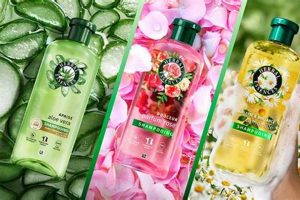
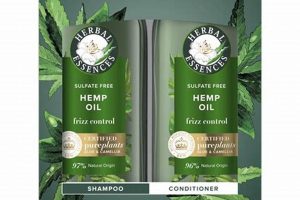
The subject of this discussion pertains to cleansing products designed for the body that incorporate botanical extracts and aromatic compounds. These formulations aim to remove impurities from the skin’s surface while imparting a fragrance derived from natural sources. An example would be a liquid soap intended for use in the shower or bath containing elements such as lavender, chamomile, or citrus oils.
Formulations of this type offer several potential advantages. The presence of natural ingredients is often perceived as gentler on the skin compared to synthetic alternatives. Furthermore, the incorporated scents can provide an aromatherapeutic experience, potentially contributing to relaxation and mood enhancement during personal hygiene routines. Historically, the use of plant-based ingredients in personal care dates back centuries, reflecting a long-standing association between nature and well-being.
Subsequent sections will delve into the specific ingredients commonly found in these products, examine their potential effects on skin health, and consider factors relevant to selecting a suitable formulation for individual needs. The article will also address common concerns related to ingredient sourcing and sustainability practices.
Guidance on Selection and Application
The following recommendations offer practical advice for individuals considering the incorporation of aromatic, plant-derived cleansing agents into their personal care regimen. These tips emphasize informed decision-making and optimized usage for desired results.
Tip 1: Ingredient Scrutiny: Prior to purchase, examine the product’s ingredient list. Identify potential allergens or irritants based on individual sensitivities. Focus on the concentration and sourcing of botanical extracts, favoring those with established benefits.
Tip 2: pH Balance Assessment: Seek formulations with a pH level closely matching the skin’s natural acidity (around 5.5). This helps maintain the skin’s barrier function and reduces the risk of irritation.
Tip 3: Hydration Considerations: Evaluate the product’s emollient properties. If experiencing dry skin, prioritize formulations containing moisturizing agents such as glycerin or shea butter. Conversely, for oily skin, opt for lighter, oil-free options.
Tip 4: Dilution and Application Technique: Dispense an appropriate amount onto a washcloth or loofah. Lather gently and thoroughly, covering all desired areas of the body. Avoid excessive scrubbing, which can lead to skin irritation.
Tip 5: Rinsing Thoroughness: Ensure complete removal of the product with lukewarm water. Residual soap can cause dryness or irritation.
Tip 6: Post-Wash Moisturizing: Following cleansing, apply a complementary moisturizer to replenish lost hydration and further protect the skin’s barrier. Select a moisturizer appropriate for the individual’s skin type.
Tip 7: Patch Testing: Before widespread use, conduct a patch test by applying a small amount of the product to a discreet area of skin (e.g., inner arm) and observing for any adverse reactions over 24 hours.
These guidelines underscore the importance of mindful product selection and application. By considering individual skin characteristics and prioritizing gentle, effective cleansing practices, users can optimize the benefits of these types of products.
The subsequent section will address potential adverse reactions and provide guidance on when to seek professional dermatological advice.
1. Botanical Extracts

Botanical extracts form a crucial component of many body wash formulations, particularly those marketed as incorporating “herbal essences.” These extracts, derived from plants, serve multiple purposes, ranging from imparting fragrance to potentially offering therapeutic benefits. The presence of botanical extracts in body washes is predicated on the principle that these compounds can transfer beneficial properties from the plant source to the skin during cleansing. This encompasses a wide array of effects, including moisturizing, anti-inflammatory, and antimicrobial actions. For instance, aloe vera extract, commonly found in these products, is often included for its perceived soothing and hydrating qualities. Similarly, extracts from tea tree or eucalyptus may be incorporated for their purported antiseptic properties.
The effectiveness of botanical extracts in body washes, however, is subject to several factors. Concentration, extraction method, and the presence of other ingredients can all influence the final outcome. Furthermore, the skin’s absorption of these extracts varies, and the therapeutic effects may be limited to the surface layers. A real-world example involves formulations containing chamomile extract, which are often marketed for their calming effect on sensitive skin. While the chamomile fragrance can indeed contribute to a relaxing sensory experience, the actual anti-inflammatory effect on the skin may be less pronounced depending on the concentration and individual skin type. The practical significance lies in understanding that the inclusion of botanical extracts does not guarantee a specific outcome, and a discerning consumer should evaluate product claims against a backdrop of scientific evidence and personal experience.
In conclusion, botanical extracts play a significant role in shaping the character and perceived benefits of body wash products with herbal essences. While they contribute to the overall sensory experience and may offer certain therapeutic advantages, their effectiveness is dependent on multiple factors. The understanding of these nuances is crucial for consumers aiming to make informed choices aligned with their individual needs and expectations, and for manufacturers seeking to formulate products with verifiable benefits. Further research into the optimal extraction methods, concentration levels, and delivery systems for botanical extracts in body washes is warranted to enhance their efficacy and substantiated the marketing claims associated with their use.
2. Aromatic Compounds

Aromatic compounds constitute a defining characteristic of “body wash herbal essences.” These volatile organic molecules, derived primarily from plants, introduce a fragrance component integral to the product’s appeal and perceived efficacy. Their inclusion aims to transform the cleansing process into an olfactory experience, potentially influencing mood and creating a sense of well-being. The connection stems from the deliberate incorporation of plant-based essences such as lavender, eucalyptus, or citrus known for their distinctive scents. These compounds are extracted from various plant parts, including flowers, leaves, and roots, and subsequently integrated into the body wash formulation. The cause-and-effect relationship is evident: the addition of these compounds results in a fragrant product, which then influences the user’s perception of cleanliness and overall experience. For instance, a body wash containing lavender essential oil emits a floral scent, potentially inducing relaxation during a shower. The practical significance lies in the recognition that the aromatic component significantly shapes consumer preference and purchasing decisions.
The specific type and concentration of aromatic compounds profoundly impact the product’s effect. Natural essential oils, while desirable for their perceived purity and therapeutic properties, can be more costly and potentially allergenic. Synthetic fragrance molecules, conversely, offer greater stability, cost-effectiveness, and a wider range of scent profiles. However, they are sometimes perceived as less natural and may raise concerns among consumers sensitive to synthetic chemicals. A real-world example is the use of limonene, a citrus-derived compound, in body washes. While it imparts a refreshing scent, limonene is also a known skin irritant for some individuals. Consequently, manufacturers must carefully balance the desired fragrance intensity with potential adverse reactions. Furthermore, the interaction of aromatic compounds with other ingredients within the body wash can alter their stability and scent profile over time, necessitating careful formulation and packaging considerations. The choice between natural and synthetic aromatic compounds, therefore, requires weighing the benefits of scent appeal against potential health concerns and economic constraints.
In conclusion, aromatic compounds are inextricably linked to the identity and marketability of “body wash herbal essences.” These compounds, whether derived from natural sources or synthesized in a laboratory, play a pivotal role in shaping the user’s sensory experience and influencing their perception of the product’s quality and effectiveness. The challenge lies in striking a balance between olfactory appeal, potential allergenicity, cost-effectiveness, and environmental sustainability. A deeper understanding of the chemical properties of aromatic compounds, their interactions with other ingredients, and their impact on human health is essential for responsible product development and informed consumer choices. Further research into sustainable sourcing practices and alternative fragrance technologies is warranted to address the evolving demands of the personal care industry and the increasing consumer awareness of ingredient safety and environmental impact.
3. Skin Hydration
The integration of skin hydration principles into “body wash herbal essences” formulations is paramount. The cleansing process, inherently, can disrupt the skin’s natural moisture barrier. This disruption occurs as surfactants, the active cleansing agents, remove oils and lipids from the skin’s surface. Consequently, if the formulation lacks hydrating or emollient components, the skin may experience dryness, tightness, and potential irritation. The cause is the removal of natural moisturizing factors (NMFs), and the effect is compromised skin barrier function. Examples include formulations that incorporate humectants like glycerin or hyaluronic acid, designed to attract and retain moisture, or emollients like shea butter or plant-derived oils, which create a protective barrier to prevent water loss. The practical significance lies in minimizing the adverse effects of cleansing and promoting skin health. A body wash lacking hydrating components may clean effectively but ultimately leave the skin feeling dry and uncomfortable, negating potential benefits derived from herbal essences.
The specific herbal essences incorporated into a body wash can also indirectly influence skin hydration. Certain botanical extracts possess inherent moisturizing or soothing properties that can complement the primary hydrating agents. For instance, aloe vera, chamomile, and calendula extracts are often included for their perceived calming and hydrating effects. However, the efficacy of these extracts is dependent on their concentration and formulation context. A poorly formulated body wash, even with beneficial extracts, may still lead to dehydration if the surfactant system is too harsh or if insufficient occlusive or humectant ingredients are present. Furthermore, some herbal extracts may contain compounds that, while beneficial in other contexts, can be mildly drying or irritating to certain individuals. Therefore, manufacturers must carefully consider the interplay between cleansing agents, hydrating ingredients, and herbal essences to create a product that effectively cleanses without compromising skin hydration.
In conclusion, skin hydration is inextricably linked to the overall quality and effectiveness of “body wash herbal essences.” The ability of a body wash to cleanse effectively while simultaneously maintaining or enhancing skin hydration is a critical determinant of its value. While the inclusion of herbal essences may offer additional benefits, the fundamental importance of minimizing moisture loss and supporting the skin’s natural barrier function cannot be overstated. Challenges remain in formulating products that strike a balance between cleansing power, ingredient compatibility, and individual skin sensitivities. Ongoing research into novel hydrating agents and delivery systems is essential to meet the evolving demands of consumers seeking effective and gentle cleansing solutions. The continued pursuit of innovative formulations will allow for the development of “body wash herbal essences” that prioritize both cleanliness and optimal skin health.
4. pH Balance

The concept of pH balance is critical in the context of “body wash herbal essences.” Skin health depends on maintaining its naturally acidic pH, typically ranging from 4.5 to 5.5. A body wash that disrupts this balance can lead to various dermatological issues. Therefore, understanding and controlling pH levels is essential for effective and gentle cleansing.
- Acid Mantle Protection
The skin’s acid mantle, a thin film on the surface, protects against bacteria, viruses, and other harmful substances. Body washes with a pH outside the ideal range can strip away or neutralize this protective layer. For example, alkaline soaps (pH > 7) can damage the acid mantle, leaving the skin vulnerable to infection and irritation. “Body wash herbal essences” formulated with a pH close to that of the skin help preserve the acid mantle and support its barrier function.
- Surfactant Influence
Surfactants, the cleansing agents in body washes, significantly impact pH. Strong anionic surfactants, often found in conventional soaps, tend to have higher pH levels. Substituting these with milder, amphoteric or non-ionic surfactants can help maintain a more acidic pH. “Body wash herbal essences” employing gentler surfactants are less likely to disrupt the skin’s pH balance, contributing to a milder cleansing experience.
- Ingredient Effects
Herbal extracts and other additives can influence the final pH of a body wash. Some plant-derived ingredients are naturally acidic, while others are alkaline. Formulators must carefully select and balance these ingredients to achieve the desired pH level. For instance, citrus extracts, often included for their fragrance and cleansing properties, can contribute to acidity. Conversely, some herbal infusions may have a slightly alkaline nature. Proper formulation of “body wash herbal essences” requires a thorough understanding of the pH properties of each ingredient.
- Product Stability and Preservation
pH also affects the stability and preservation of a body wash. Certain preservatives are more effective at specific pH ranges. Furthermore, pH can influence the viscosity and overall texture of the product. Achieving the correct pH is, therefore, crucial for maintaining the product’s quality and shelf life. In the context of “body wash herbal essences”, carefully controlling pH ensures that the herbal extracts remain stable and effective throughout the product’s lifespan.
In summary, pH balance is a fundamental consideration in formulating “body wash herbal essences.” Maintaining the skin’s natural acidity is critical for preserving the acid mantle, minimizing irritation, and ensuring product stability. Careful selection of surfactants, herbal extracts, and other ingredients, along with precise pH adjustment, is essential for creating effective and gentle cleansing products that promote skin health.
5. Sulfate Content
Sulfate content represents a significant consideration in the formulation and use of “body wash herbal essences.” Sulfates, specifically Sodium Lauryl Sulfate (SLS) and Sodium Laureth Sulfate (SLES), are anionic surfactants widely employed for their effective cleansing and foaming properties. The cause for their inclusion is their ability to emulsify oils and dirt, facilitating their removal from the skin’s surface. However, the effect of sulfates can be harsh, leading to skin irritation and dryness, particularly with frequent use or in individuals with sensitive skin. The importance of understanding sulfate content stems from the potential for adverse reactions, counteracting the benefits of the herbal essences intended to soothe and nourish. A real-life example involves users experiencing dry, itchy skin after prolonged use of sulfate-containing body washes, despite the presence of purportedly beneficial herbal extracts. The practical significance lies in the need for informed consumer choices and the development of sulfate-free or low-sulfate alternatives that maintain cleansing efficacy while minimizing skin irritation.
Formulations of “body wash herbal essences” frequently aim to balance cleansing power with gentleness, leading to the adoption of alternative surfactant systems. Sulfate-free options often incorporate milder surfactants derived from natural sources, such as coco-glucoside or decyl glucoside. These alternatives provide adequate cleansing without the harshness associated with sulfates. The challenge for manufacturers is to achieve comparable foaming and cleansing performance while maintaining cost-effectiveness. Furthermore, the interaction between sulfates (or their alternatives) and herbal essences must be considered. Certain herbal extracts may be destabilized or rendered less effective in the presence of high sulfate concentrations. This necessitates careful formulation to ensure that the benefits of the herbal essences are not compromised by the surfactant system. For example, the anti-inflammatory properties of chamomile extract might be diminished if formulated alongside a high concentration of SLS, requiring a lower sulfate concentration or a different surfactant altogether.
In conclusion, sulfate content constitutes a crucial factor in determining the overall suitability of “body wash herbal essences.” While sulfates provide effective cleansing, their potential for skin irritation necessitates careful consideration of alternatives and thoughtful formulation practices. The trend towards sulfate-free or low-sulfate options reflects a growing consumer awareness of the importance of gentle cleansing and the desire to preserve the skin’s natural moisture barrier. Challenges remain in balancing cleansing efficacy, cost-effectiveness, and the stability of herbal extracts. Future research and development efforts are likely to focus on innovative surfactant systems and formulation strategies that maximize the benefits of both cleansing and botanical ingredients, ultimately delivering a superior and more skin-friendly product.
6. Allergen Awareness

Allergen awareness is of paramount importance in the formulation and selection of “body wash herbal essences.” The inclusion of botanical extracts, while intended to impart beneficial properties, inherently introduces a risk of allergic reactions in susceptible individuals. The cause stems from the complex chemical composition of plant-derived ingredients, which may contain compounds that trigger immune responses. The effect can range from mild skin irritation to severe allergic dermatitis. The importance of allergen awareness is underscored by the potential for widespread adverse reactions, given the frequent use of body wash products and the increasing prevalence of allergies. A real-life example includes individuals experiencing contact dermatitis after using a “body wash herbal essences” containing chamomile, a known allergen for some. The practical significance of this understanding lies in the need for transparent labeling, careful ingredient selection, and patch testing to minimize the risk of allergic reactions.
The specific allergens present in “body wash herbal essences” can vary widely depending on the botanical ingredients used. Common culprits include fragrances, essential oils (such as tea tree, lavender, and citrus oils), and specific plant extracts (such as chamomile, calendula, and arnica). Manufacturers have a responsibility to identify and quantify potential allergens in their products and to provide clear warnings to consumers. Furthermore, the concentration of allergens in a body wash can influence the likelihood and severity of an allergic reaction. Higher concentrations generally pose a greater risk. The formulation process can also impact allergenicity; for instance, certain extraction methods may concentrate specific allergenic compounds. The practical application of allergen awareness extends to the development of hypoallergenic formulations, which aim to minimize the risk of allergic reactions by excluding or reducing the concentration of known allergens. This often involves careful selection of ingredients and rigorous testing to ensure safety.
In conclusion, allergen awareness constitutes a critical component of the safe and responsible production and use of “body wash herbal essences.” The potential for allergic reactions necessitates proactive measures by manufacturers, including transparent labeling, careful ingredient selection, and rigorous testing. Consumers, in turn, should exercise caution when selecting and using these products, particularly if they have a history of allergies or sensitive skin. Patch testing prior to widespread use is advisable to identify potential allergens. Challenges remain in identifying and quantifying all potential allergens and in developing universally hypoallergenic formulations. Ongoing research into the allergenicity of botanical extracts is essential to inform product development and minimize the risk of adverse reactions. The long-term goal is to create “body wash herbal essences” that are both effective and safe for all users, regardless of their individual sensitivities.
7. Sustainability

The concept of sustainability bears direct relevance to the production and consumption of “body wash herbal essences.” This connection arises from the sourcing of raw materials, manufacturing processes, packaging, and end-of-life disposal of these products. Unsustainable practices in any of these stages can lead to environmental degradation, resource depletion, and ethical concerns. The cause-and-effect relationship is evident: unsustainable sourcing of ingredients, such as overharvesting of certain plants, results in habitat loss and biodiversity decline. Similarly, energy-intensive manufacturing processes contribute to greenhouse gas emissions and climate change. A practical example is the use of palm oil, a common ingredient in many body washes, the unsustainable production of which is linked to deforestation and habitat destruction in Southeast Asia. The importance of sustainability as a component of “body wash herbal essences” lies in mitigating these adverse impacts and promoting responsible resource management.
Further considerations include the use of renewable resources, reduced water consumption in manufacturing, and the implementation of closed-loop production systems. Environmentally conscious brands are increasingly adopting sustainable packaging materials, such as recycled plastics or biodegradable alternatives, to minimize waste. The sourcing of herbal ingredients also plays a crucial role. Sustainable practices involve supporting fair trade initiatives, promoting biodiversity conservation, and avoiding the use of endangered plant species. In practical application, this translates to manufacturers working directly with farmers who employ sustainable agricultural methods, ensuring fair wages and minimizing environmental impact. Certifications such as Fair Trade, Rainforest Alliance, and organic labels provide consumers with a means to identify products that meet certain sustainability standards. Life cycle assessments are employed to evaluate the environmental impact of a product from raw material extraction to disposal, allowing manufacturers to identify areas for improvement.
In conclusion, the integration of sustainability principles into the lifecycle of “body wash herbal essences” is essential for minimizing environmental impact and promoting responsible consumption. Challenges remain in ensuring transparency and traceability throughout the supply chain, as well as in educating consumers about sustainable choices. By prioritizing sustainable sourcing, manufacturing, and packaging, the industry can contribute to a more environmentally sound and ethically responsible future for personal care products. The broader theme of environmental stewardship is inextricably linked to the production and consumption of these everyday items, emphasizing the need for continued innovation and commitment to sustainable practices.
Frequently Asked Questions
The following questions and answers address common inquiries and concerns regarding body wash products that incorporate herbal essences.
Question 1: What defines a body wash as containing “herbal essences?”
A “body wash herbal essences” is defined by the inclusion of plant-derived extracts or aromatic compounds intended to impart fragrance or potential therapeutic benefits. The specific plants and their concentrations vary significantly among products.
Question 2: Are “body wash herbal essences” inherently more beneficial than synthetic alternatives?
Not necessarily. The presence of “herbal essences” does not automatically guarantee superior benefits. The overall formulation, including cleansing agents and other additives, determines the product’s effectiveness and gentleness. Individual skin types also influence the outcome.
Question 3: How can one identify potential allergens in “body wash herbal essences?”
A thorough review of the ingredient list is essential. Individuals with known sensitivities should avoid products containing those specific ingredients. A patch test conducted on a small area of skin is recommended prior to widespread use.
Question 4: Do “body wash herbal essences” always have a sustainable sourcing model?
No. The sustainability of ingredient sourcing varies. Products bearing certifications such as Fair Trade or Organic offer some assurance of responsible practices, but thorough investigation of a brand’s practices is recommended to confirm a company’s sustainability promise.
Question 5: Is it necessary to use a moisturizer after using “body wash herbal essences?”
The need for moisturizing depends on individual skin type and the specific body wash formulation. Individuals with dry skin, or those using body washes containing harsh surfactants, will likely benefit from post-wash moisturizing.
Question 6: How does pH balance affect the suitability of “body wash herbal essences?”
Maintaining a pH close to the skin’s natural acidity (around 5.5) is important. Body washes with excessively alkaline pH levels can disrupt the skin’s protective barrier, leading to dryness and irritation.
In summary, the selection and use of “body wash herbal essences” require careful consideration of ingredients, potential allergens, sustainability practices, and individual skin needs. No single product is universally suitable, and informed choices are essential.
The following section will summarize the key takeaways from the article.
Conclusion
The exploration of “body wash herbal essences” reveals a multifaceted product category demanding careful consideration. This article has traversed aspects from botanical sources and aromatic complexities to the criticality of pH balance, allergen awareness, and the overarching imperative of sustainable practices. Understanding these distinct yet interconnected factors is paramount for both manufacturers in product development and consumers in navigating the marketplace.
As the personal care industry evolves, the confluence of scientific advancement and heightened consumer awareness will likely drive further innovation in this sector. A commitment to transparency, responsible sourcing, and rigorous testing remains vital. The future trajectory necessitates continued efforts to refine formulations, optimize beneficial qualities, and minimize potential adverse effects, thereby ensuring “body wash herbal essences” truly deliver on the promise of effective and gentle cleansing.