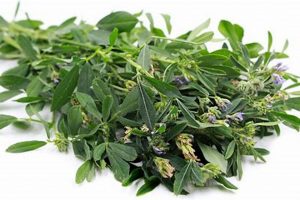
Beverages crafted from infusions or decoctions of herbs, spices, or other plant materials have long been consumed for various health-related purposes. The selection of specific botanicals is often guided by their potential to positively influence the gastrointestinal system. These preparations can include ingredients known for their soothing, anti-inflammatory, or carminative properties. As an example, peppermint and chamomile are frequently utilized to alleviate symptoms such as bloating and indigestion.
The appeal of utilizing plant-based infusions for well-being stems from a combination of factors, including a history of traditional use and a perceived lower risk of adverse effects compared to some pharmaceuticals. Many cultures possess a rich history of employing particular plants for their perceived medicinal qualities, passed down through generations. Furthermore, the gentle nature of many herbal remedies makes them an attractive option for individuals seeking natural support for common digestive complaints. These drinks are often integrated into a holistic approach to wellness, emphasizing dietary choices and lifestyle practices.
This article will delve into the selection of specific botanicals used to support a healthy digestive system. It will explore their mechanisms of action, potential benefits as supported by available research, and considerations for safe and effective use. Common herbs known for their digestive properties will be discussed, along with important considerations for individuals with pre-existing health conditions or those taking medications.
Guidance on Incorporating Plant-Based Infusions for Digestive Support
The following provides guidance on the appropriate and informed use of plant-based infusions as a complement to a healthy digestive regimen. These recommendations emphasize safety, efficacy, and individual considerations.
Tip 1: Prioritize Consultation with a Healthcare Professional. Before initiating regular consumption, individuals should seek guidance from a physician or qualified healthcare provider. This is particularly crucial for those with pre-existing medical conditions, such as gastrointestinal disorders, allergies, or for those currently taking prescription medications. Herb-drug interactions are possible and must be carefully evaluated.
Tip 2: Select High-Quality Products from Reputable Sources. Ensure that any purchased product is sourced from a reputable supplier that adheres to quality control standards. Look for certifications or third-party testing that verifies the product’s identity, purity, and potency. Avoid products with vague labeling or unsubstantiated claims.
Tip 3: Adhere to Recommended Dosage and Preparation Guidelines. Always follow the manufacturer’s instructions regarding dosage and preparation methods. Overconsumption can lead to adverse effects, even with seemingly benign herbs. Precise brewing times and water temperatures can significantly impact the extraction of active compounds and, consequently, the beverage’s effectiveness.
Tip 4: Begin with a Single Botanical. When introducing a new plant-based infusion into the diet, start with a single ingredient to assess individual tolerance. This approach simplifies the identification of potential allergic reactions or sensitivities. Introduce additional botanicals gradually, one at a time.
Tip 5: Be Mindful of Potential Allergic Reactions. Certain individuals may experience allergic reactions to specific herbs. Common symptoms include skin rashes, itching, hives, or respiratory distress. Discontinue use immediately and seek medical attention if any allergic reaction occurs.
Tip 6: Consider the Timing of Consumption. The timing of consumption can influence its effect. Some ingredients are best consumed before meals to stimulate digestive secretions, while others are more effective after meals to soothe the digestive tract and alleviate bloating. Experiment to determine what works best for individual needs.
Tip 7: Recognize the Limitations. Plant-based infusions should not be considered a replacement for conventional medical treatment. If digestive symptoms persist or worsen, consult a healthcare professional for proper diagnosis and management. Herbal remedies should be used as a complementary approach, not a primary solution.
Implementing these guidelines promotes the responsible and beneficial integration of plant-based infusions into a holistic digestive health strategy. Responsible usage provides the benefit from incorporating plant based drinks as complementary approach for digestive concern.
The subsequent section of this article will address contraindications and potential side effects.
1. Botanical Composition

The botanical composition of an infusion is the foundational determinant of its impact on digestive health. The selection of specific herbs directly dictates the active compounds present in the resulting beverage, which, in turn, mediate its physiological effects. For example, a drink primarily composed of chamomile flowers will yield compounds such as apigenin, known for its anti-inflammatory and antispasmodic properties. Conversely, an infusion rich in ginger root will contain gingerol and shogaol, compounds associated with anti-nausea and prokinetic effects. The deliberate choice of botanicals, therefore, acts as the initial cause in a chain of events leading to a specific digestive response.
Understanding the correlation between botanical composition and digestive outcome has practical significance. It allows for the targeted selection of ingredients to address specific digestive complaints. For instance, an individual experiencing bloating and gas may benefit from an infusion containing fennel seeds, which are traditionally used for their carminative properties, promoting the expulsion of gas from the digestive tract. Conversely, someone suffering from constipation might choose a preparation containing senna leaves, known for their stimulant laxative effects. However, this application necessitates a comprehensive knowledge of herbal properties and potential contraindications to ensure safe and effective use. Over-reliance on single-ingredient solutions without professional guidance can lead to imbalances or exacerbate underlying conditions.
In summary, botanical composition is the critical foundation upon which the digestive benefits of herbal infusions are built. The intentional selection of specific herbs, based on their known active compounds and mechanisms of action, dictates the drink’s potential to address targeted digestive concerns. Challenges remain in ensuring quality control, standardizing preparations, and fully elucidating the complex interactions between various herbal constituents. Nonetheless, a thorough understanding of botanical composition is essential for the informed and responsible use of these beverages as a complementary approach to digestive wellness.
2. Preparation Method

The preparation method significantly influences the efficacy of botanical infusions designed to promote digestive well-being. The specific techniques employed during preparation, including water temperature, steeping time, and the use of different plant parts, directly affect the extraction of bioactive compounds. Inadequate preparation may result in a beverage with insufficient concentrations of these compounds, thereby diminishing its potential therapeutic benefits. Conversely, excessive preparation can lead to the extraction of undesirable compounds, potentially causing adverse effects. For instance, overly long steeping times with certain herbs can release tannins, resulting in a bitter taste and potentially interfering with nutrient absorption.
The impact of preparation method extends beyond simple extraction efficiency. Different plant parts require distinct preparation techniques to optimize the release of their beneficial compounds. For example, roots and barks, being denser and more fibrous, often necessitate decoctiona process involving simmering in water for an extended periodto effectively extract their constituents. In contrast, delicate leaves and flowers are typically prepared through infusion, involving steeping in hot water to prevent the degradation of their volatile oils and other heat-sensitive compounds. The application of inappropriate methods can significantly alter the chemical composition of the beverage, affecting its taste, aroma, and ultimately, its digestive effects.
In summary, the preparation method is a critical determinant of the effectiveness of botanical infusions for digestive support. Optimizing water temperature, steeping time, and preparation technique based on the specific plant part and desired compounds is essential to maximize the beverage’s therapeutic potential and minimize the risk of adverse effects. A thorough understanding of these principles is crucial for the responsible and effective use of these beverages as a complementary approach to digestive wellness. Future studies should focus on refining standardized preparation protocols for various herbal ingredients to ensure consistent and predictable outcomes.
3. Individual Sensitivity

Individual sensitivity represents a critical factor in determining the efficacy and safety of utilizing botanical infusions for digestive well-being. Physiological variations, pre-existing conditions, and genetic predispositions can significantly alter an individual’s response to specific herbs, underscoring the necessity for personalized approaches.
- Allergic Reactions and Sensitivities
The potential for allergic reactions to specific plant compounds is a primary consideration. Sensitivities can manifest as mild skin irritations, gastrointestinal distress, or, in severe cases, anaphylaxis. Individuals with known allergies to plants within the Asteraceae family, for example, may exhibit sensitivity to chamomile. Therefore, careful introduction of new botanicals and monitoring for adverse reactions are paramount.
- Gastrointestinal Conditions
Pre-existing gastrointestinal conditions, such as irritable bowel syndrome (IBS) or inflammatory bowel disease (IBD), can influence the response to herbal remedies. Certain botanicals may exacerbate symptoms in susceptible individuals. For instance, while peppermint is often used to alleviate IBS symptoms, it can, in some cases, trigger heartburn or abdominal discomfort. Consequently, consultation with a healthcare professional is crucial to assess potential risks.
- Medication Interactions
Individual sensitivity extends to the potential for herb-drug interactions. Certain herbal constituents can interfere with the metabolism or efficacy of prescription medications. For example, St. John’s Wort, frequently used for mood support, can interact with various drugs, including antidepressants and oral contraceptives. Thorough evaluation of potential interactions is essential to avoid adverse health outcomes.
- Genetic Predisposition
Genetic variations can influence an individual’s ability to metabolize and respond to specific herbal compounds. Genetic polymorphisms in enzymes involved in drug metabolism can lead to variations in the rate at which herbal constituents are processed, affecting their duration of action and potential for toxicity. Pharmacogenomic testing may, in the future, play a role in personalizing recommendations for herbal use, though widespread application is not currently standard practice.
These facets of individual sensitivity underscore the importance of a cautious and informed approach to integrating botanical infusions into a digestive health regimen. Recognizing the potential for adverse reactions, interactions, and variability in response is essential for ensuring both safety and efficacy. Healthcare provider guidance remains crucial for individuals with pre-existing conditions or those taking prescription medications.
4. Dosage Control

Dosage control is paramount in the context of botanical infusions intended for digestive support. The concentration of active compounds within the beverage directly influences its therapeutic efficacy and potential for adverse effects. Precise regulation of dosage mitigates the risk of unwanted physiological responses and optimizes the intended benefits.
- Concentration and Efficacy
The concentration of active constituents within the infusion dictates its ability to elicit a therapeutic response. Insufficient dosage may render the preparation ineffective, failing to provide the intended relief from digestive discomfort. Conversely, excessive concentration can lead to overstimulation of the gastrointestinal tract, resulting in symptoms such as diarrhea, nausea, or abdominal cramping. The principle of hormesis highlights this concept, suggesting that a substance beneficial in small doses may become harmful at higher concentrations. For example, while a mild chamomile beverage may promote relaxation and ease digestion, an excessively strong brew could induce drowsiness or, in rare cases, allergic reactions.
- Standardization Challenges
Achieving precise dosage control presents considerable challenges due to the inherent variability in herbal material. Factors such as plant genetics, growing conditions, harvesting methods, and storage practices can significantly influence the concentration of active compounds within a given herb. Lack of standardization across different sources necessitates careful attention to product labeling and the potential for inconsistencies in therapeutic effects. Consumers should prioritize products from reputable manufacturers that employ rigorous quality control measures to ensure consistent potency.
- Individual Variability
Individual factors, including body weight, metabolic rate, and sensitivity to specific compounds, influence the appropriate dosage of herbal infusions. A dose that proves effective for one individual may be excessive or insufficient for another. Starting with a lower concentration and gradually increasing it while monitoring for adverse effects is a prudent approach. Moreover, individuals with pre-existing health conditions, such as kidney or liver dysfunction, may require lower dosages due to impaired metabolism and elimination of herbal constituents.
- Interaction with Medications
Dosage control becomes particularly critical when considering potential interactions between herbal infusions and pharmaceutical medications. Certain herbal constituents can inhibit or enhance the metabolism of drugs, leading to altered drug concentrations and potential adverse effects. For example, grapefruit juice is known to interact with numerous medications by inhibiting cytochrome P450 enzymes, and similar interactions can occur with certain herbs. Careful consideration of potential interactions and consultation with a healthcare professional are essential when combining herbal infusions with prescription medications.
Dosage control is not merely a matter of measuring volume but rather a nuanced practice that accounts for variations in herbal material, individual physiology, and potential interactions with medications. Adherence to recommended dosages, combined with careful monitoring for adverse effects, is essential for maximizing the therapeutic benefits and minimizing the risks associated with the consumption of botanical infusions for digestive support.
5. Potential Interactions
The intersection of botanical infusions, often consumed for digestive support, and pharmaceutical medications or pre-existing health conditions presents a complex landscape of potential interactions. Understanding these interactions is crucial for ensuring safe and effective use of these beverages.
- Herb-Drug Interactions
Certain herbal constituents can interfere with the absorption, metabolism, or excretion of pharmaceutical drugs, altering their effectiveness or increasing the risk of adverse effects. For example, St. John’s Wort, sometimes used for mood enhancement, induces cytochrome P450 enzymes in the liver, potentially reducing the efficacy of various medications, including oral contraceptives and antidepressants. Similarly, grapefruit juice inhibits these enzymes, leading to increased drug concentrations and potential toxicity. When considering herbal beverages for digestive health, individuals taking prescription medications must consult with a healthcare provider to assess potential interactions and adjust medication dosages as necessary.
- Impact on Pre-existing Conditions
The consumption of botanical infusions can exacerbate or mitigate pre-existing health conditions, depending on the specific herbs and the individual’s physiological state. Individuals with gastrointestinal disorders, such as irritable bowel syndrome (IBS) or inflammatory bowel disease (IBD), may experience adverse reactions to certain herbs. For example, while peppermint is commonly used to alleviate IBS symptoms, it can, in some cases, trigger heartburn or abdominal discomfort. Similarly, individuals with kidney or liver dysfunction may require lower doses of herbal infusions due to impaired metabolism and elimination of herbal constituents. Careful consideration of pre-existing conditions is essential to prevent adverse outcomes.
- Influence on Nutrient Absorption
Certain constituents in herbal infusions can interfere with the absorption of essential nutrients. Tannins, found in some herbs like black tea and certain barks, can bind to minerals such as iron and calcium, reducing their bioavailability. Excessive consumption of tannin-rich beverages may contribute to nutrient deficiencies over time, particularly in individuals with already compromised nutritional status. Furthermore, some herbs possess diuretic or laxative properties, which can accelerate the excretion of electrolytes and other essential nutrients. Individuals relying on herbal infusions for digestive support should ensure adequate nutrient intake through a balanced diet or supplementation.
- Allergic Reactions and Sensitivities
Allergic reactions to specific plant compounds represent a significant potential interaction. Sensitivities can manifest as mild skin irritations, gastrointestinal distress, or, in severe cases, anaphylaxis. Individuals with known allergies to plants within the Asteraceae family, for example, may exhibit sensitivity to chamomile or echinacea. Cross-reactivity between related plant species is also possible. Careful introduction of new botanical infusions and monitoring for adverse reactions are crucial to prevent allergic complications. In cases of severe allergic reactions, immediate medical intervention is necessary.
These considerations underscore the importance of a cautious and informed approach to integrating herbal infusions for digestive support. Potential interactions with medications, pre-existing conditions, nutrient absorption, and allergic sensitivities highlight the necessity for individual assessment and healthcare provider guidance. Thorough evaluation of potential risks and benefits is essential for ensuring safe and effective utilization of these beverages.
Frequently Asked Questions Regarding Herbal Tea for Digestive Health
The following addresses common inquiries concerning the utilization of plant-based infusions to support gastrointestinal well-being. The information provided is intended for educational purposes and does not constitute medical advice. Consultation with a qualified healthcare professional is recommended before initiating any new dietary or herbal regimen.
Question 1: What constitutes an appropriate brewing time for most herbal infusions intended to aid digestion?
Optimal steeping duration varies depending on the specific herb and its plant part (leaves, roots, etc.). As a general guideline, most herbal teas benefit from a steeping time of 5-10 minutes in freshly boiled water. However, consulting the product label or a reputable herbal resource is advisable for precise recommendations. Prolonged steeping may extract undesirable compounds, such as tannins, potentially altering the flavor and affecting nutrient absorption.
Question 2: Are there specific herbal ingredients to avoid when experiencing acute digestive distress?
Certain herbs possess strong laxative or stimulant properties that may exacerbate acute digestive symptoms. Herbs like senna or cascara should generally be avoided during periods of diarrhea or intense abdominal cramping. Milder, soothing herbs such as chamomile or peppermint are often better choices for managing acute discomfort. It’s important to note that individual responses can vary, and consulting a healthcare professional is advisable in cases of severe or persistent symptoms.
Question 3: Can herbal infusions replace conventional medical treatments for digestive disorders?
Herbal infusions should not be regarded as a substitute for conventional medical treatments for diagnosed digestive disorders. These infusions can serve as a complementary approach to support digestive health, but they are not intended to cure or treat underlying medical conditions. Individuals experiencing persistent or severe digestive symptoms should seek professional medical evaluation and adhere to prescribed treatment plans.
Question 4: Is organic certification essential when selecting herbal ingredients for digestive teas?
Organic certification indicates that the herbs have been cultivated without the use of synthetic pesticides, herbicides, and fertilizers. While not strictly essential, selecting organically certified herbs minimizes exposure to potentially harmful chemicals. If organic options are unavailable, ensure that the herbs are sourced from reputable suppliers that adhere to quality control standards and conduct testing for contaminants.
Question 5: How does water quality impact the efficacy of herbal infusions?
Water quality plays a crucial role in the extraction of beneficial compounds from herbal ingredients. Filtered or purified water is recommended to avoid the presence of chlorine, heavy metals, and other contaminants that may interfere with the flavor and efficacy of the infusion. Distilled water is generally not recommended, as it may lack essential minerals that can contribute to the extraction process.
Question 6: Are herbal infusions safe for pregnant or breastfeeding individuals?
Certain herbal ingredients may be contraindicated during pregnancy or breastfeeding due to their potential effects on hormonal balance or fetal development. Before consuming any herbal infusion, pregnant or breastfeeding individuals should consult with a healthcare provider or qualified herbalist to ensure safety and avoid potentially harmful substances.
In summary, a well-informed and cautious approach is essential when utilizing botanical infusions for digestive support. Careful selection of ingredients, appropriate preparation methods, and awareness of potential interactions are crucial for maximizing benefits and minimizing risks. Consultation with a healthcare professional is always recommended, particularly for individuals with pre-existing health conditions or those taking prescription medications.
The following section will address additional resources for further exploration.
Conclusion
This exploration of herbal tea for digestive health reveals a multifaceted approach to supporting gastrointestinal well-being. The selection of specific botanicals, meticulous preparation methods, consideration of individual sensitivities, precise dosage control, and awareness of potential interactions form a framework for responsible and effective use. While not a replacement for conventional medical interventions, plant-based infusions offer a complementary strategy for individuals seeking natural support for common digestive complaints.
Continued research into the efficacy and safety of various herbal constituents is essential for refining recommendations and ensuring optimal patient outcomes. Individuals are encouraged to engage in informed decision-making, prioritizing consultation with qualified healthcare professionals to personalize their approach and mitigate potential risks. The responsible integration of herbal tea for digestive health into a comprehensive wellness plan holds promise for improved digestive comfort and overall quality of life.