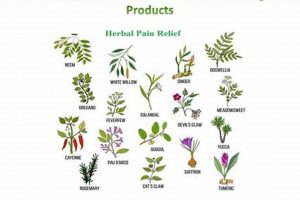
Structured guides that utilize plant-derived medicines to address frequently encountered health issues form a defined area of therapeutic practice. These guides often encompass specific herbs, dosages, and methods of administration tailored to alleviate symptoms or support the body’s natural healing processes for conditions like the common cold, mild anxiety, or digestive discomfort. They represent a formalized approach to utilizing traditional remedies in a consistent and repeatable manner.
The application of these structured guides offers a potentially gentler approach to managing health, often with fewer reported side effects than conventional pharmaceutical interventions. Historically, many cultures have relied heavily on botanical knowledge for healthcare, accumulating extensive empirical evidence over centuries regarding the efficacy of various plant-based treatments. This legacy continues to inform and shape contemporary practices, offering a complementary or alternative pathway for individuals seeking wellness.
The subsequent sections will delve into specific examples of how particular plants and their preparations can be strategically employed to address prevalent health concerns. These examples will emphasize the importance of proper identification, preparation, and dosage, as well as potential interactions with other medications or pre-existing health conditions. Furthermore, the role of lifestyle factors in supporting the effectiveness of botanical interventions will also be addressed.
Guidance on Botanical Treatment Strategies
The following recommendations serve as preliminary guidance when considering structured approaches using plant-derived remedies for prevalent health conditions. This information is for educational purposes and is not a substitute for professional medical advice.
Tip 1: Consultation with a Qualified Practitioner. Seek guidance from a healthcare provider experienced in botanical medicine before initiating any new treatment, particularly if currently taking medication or managing a pre-existing health condition. This ensures safety and avoids potential interactions.
Tip 2: Accurate Plant Identification and Sourcing. Ensure the correct botanical species is used, as similar-looking plants may possess different properties or toxicity. Obtain herbs from reputable suppliers that adhere to quality control standards and provide verifiable species identification.
Tip 3: Understand Preparation Methods. Different extraction methods (e.g., teas, tinctures, capsules) yield varying concentrations of active compounds. Select the appropriate preparation method based on the specific herb and the desired therapeutic effect. Follow established protocols for safe and effective preparation.
Tip 4: Dosage Considerations. Adhere to recommended dosages based on age, weight, and overall health status. Start with lower doses and gradually increase as needed, while monitoring for adverse reactions. Individual responses to herbal remedies can vary.
Tip 5: Be Aware of Potential Interactions. Many botanical compounds can interact with pharmaceutical medications, altering their effectiveness or increasing the risk of side effects. Research potential interactions thoroughly and inform all healthcare providers about herbal remedies being used.
Tip 6: Monitor for Adverse Reactions. Discontinue use immediately if any adverse reactions occur, such as allergic reactions, digestive upset, or skin rashes. Seek medical attention if symptoms are severe or persistent.
Tip 7: Lifestyle Integration. Herbal remedies are often most effective when combined with healthy lifestyle choices, including a balanced diet, regular exercise, stress management, and adequate sleep. Address underlying lifestyle factors that may contribute to the health condition.
Tip 8: Documentation and Observation. Keep a detailed record of the herbs used, dosages, preparation methods, and any observed effects, both positive and negative. This information can be valuable for future reference and communication with healthcare providers.
These recommendations underscore the importance of a cautious, informed, and holistic approach when considering structured plant-based interventions. Diligent research, professional guidance, and careful monitoring are essential to maximize benefits and minimize risks.
The subsequent conclusion will summarize the key aspects of safely and effectively integrating botanical strategies into overall health management.
1. Identification

The ability to accurately identify the specific plant species intended for medicinal use is paramount when applying plant-based treatments for common health concerns. Misidentification can lead to ineffective therapy or, in some instances, adverse health outcomes. This underscores the critical need for meticulous attention to botanical detail when formulating and implementing plant-based treatments.
- Botanical Taxonomy and Nomenclature
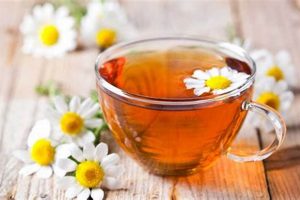
The scientific naming convention, utilizing genus and species, is the cornerstone of precise plant identification. For example, Matricaria chamomilla (German chamomile) and Chamaemelum nobile (Roman chamomile) possess distinct chemical profiles and, therefore, differing therapeutic properties. Relying on common names alone can lead to confusion and potentially inappropriate use. A qualified botanist or herbalist should be consulted to confirm correct species identification.
- Morphological Characteristics
Careful observation of a plant’s physical features, including leaf shape, flower structure, stem characteristics, and root morphology, is essential for proper identification. Specific details, such as the presence of hairs, glands, or distinctive aromas, can further aid in distinguishing between similar species. Field guides and botanical keys provide structured approaches to comparing morphological traits.
- Geographic Location and Habitat
Understanding the plant’s native range and preferred growing conditions can provide valuable clues. Certain species are endemic to specific regions, and their presence outside of these areas may indicate misidentification or adulteration. Habitat preferences, such as soil type, elevation, and sun exposure, can also narrow down potential species.
- Chemical Analysis and Authentication
In certain situations, particularly with processed herbal products, chemical analysis may be necessary to verify authenticity and purity. Techniques such as chromatography and spectroscopy can identify specific chemical markers unique to a particular species. This is especially important for herbs that are frequently adulterated or substituted with cheaper alternatives.
The preceding facets demonstrate that accurate identification is not merely a preliminary step, but an ongoing imperative in the safe and effective use of plant-based interventions. In the context of using structured plant-based approaches for managing health issues, the commitment to precise botanical knowledge is a foundational requirement for ensuring positive patient outcomes and promoting responsible herbal practices. Erroneous identification compromises the intended benefits and potentially exposes individuals to harm, thereby undermining the integrity of these protocols.
2. Preparation
The manner in which a botanical substance is prepared directly influences its therapeutic properties and suitability within structured approaches for addressing health issues. Different preparation methods extract varying concentrations of active constituents, impacting the remedy’s potency and bioavailability. The selection of an appropriate preparation technique is therefore a critical determinant of clinical efficacy and patient safety.
- Extraction Method and Solvent Selection
The choice of extraction method (e.g., infusion, decoction, tincture, maceration) dictates which plant compounds are solubilized and subsequently available for therapeutic action. Water-based extractions (infusions and decoctions) are suitable for water-soluble constituents, while alcohol-based tinctures are more effective for extracting resins, alkaloids, and other less polar compounds. The selection of the appropriate solvent aligns with the desired phytochemical profile, affecting the treatment’s specificity.
- Dosage Form and Delivery System
The formulation of a botanical remedy into a specific dosage form (e.g., capsule, tablet, liquid extract, topical ointment) influences its absorption, distribution, metabolism, and excretion within the body. Capsules and tablets offer standardized dosages and convenient administration, while liquid extracts allow for greater flexibility in dosing and combination with other herbs. Topical preparations deliver localized therapeutic effects, avoiding systemic exposure. The optimal dosage form is selected based on the target tissue, the desired speed of onset, and patient compliance factors.
- Standardization and Quality Control
Standardization involves quantifying the levels of specific marker compounds within a botanical extract to ensure batch-to-batch consistency. Quality control measures, including identification testing, purity assessments, and microbial analyses, verify the absence of contaminants and adulterants. Products adhering to established quality standards provide greater assurance of therapeutic reliability and safety.
- Fresh vs. Dried Material and Storage Conditions
The use of fresh or dried plant material can significantly impact the chemical composition and therapeutic activity of a botanical preparation. Some plants are best used fresh, while others require drying to stabilize certain constituents. Proper storage conditions (e.g., temperature, humidity, light exposure) are essential for preserving the potency and integrity of both raw materials and finished products. Degradation due to improper storage can diminish therapeutic effectiveness and potentially lead to the formation of harmful compounds.
These preparation-related factors are not isolated considerations; they are intrinsically linked to the overall effectiveness of structured plant-based treatments. For instance, a protocol using St. John’s Wort (Hypericum perforatum) for mild depression would necessitate a standardized extract containing a specified concentration of hypericin or hyperforin to ensure consistent therapeutic outcomes. Similarly, a topical application of calendula (Calendula officinalis) for wound healing would require careful processing of the flowers to maximize the extraction of anti-inflammatory and antimicrobial compounds. Therefore, in the realm of structured approaches, preparation constitutes a crucial nexus connecting plant properties, formulation techniques, and clinical outcomes.
3. Dosage

Dosage represents a critical control parameter within structured, plant-based approaches designed to address frequently occurring health conditions. It is the quantitative measure of an herbal preparation administered to elicit a therapeutic response. Improper dosage, whether insufficient or excessive, can undermine the intended benefits and potentially induce adverse effects, thereby highlighting the central importance of precise dosage determination in botanical therapeutics.
- Weight and Physiological Factors
Patient weight and physiological characteristics, such as age, metabolic rate, and overall health status, significantly influence the appropriate dosage of an herbal remedy. A higher body weight typically necessitates a proportionally larger dose to achieve the desired therapeutic concentration, while compromised liver or kidney function may require dosage adjustments to prevent toxicity. For instance, an elderly individual with impaired renal function receiving a diuretic herb like dandelion (Taraxacum officinale) would require a lower dosage than a younger, healthy adult.
- Potency and Standardization
The inherent potency of an herbal preparation, as determined by the concentration of its active constituents, directly dictates the required dosage. Standardized extracts, which guarantee a consistent level of specific marker compounds, allow for more precise dosage control compared to crude herbal preparations with variable potency. For example, a standardized milk thistle (Silybum marianum) extract containing a known concentration of silymarin enables accurate dosage adjustments based on the severity of liver dysfunction.
- Acute vs. Chronic Conditions
The nature of the health condition, whether acute or chronic, influences dosage strategies. Acute conditions often require higher, more frequent doses to rapidly alleviate symptoms, while chronic conditions typically benefit from lower, maintenance doses administered over a longer period. The management of acute anxiety with valerian (Valeriana officinalis) may involve higher doses at the onset of symptoms, followed by reduced doses for continued anxiety management.
- Route of Administration and Bioavailability
The route of administration (oral, topical, intravenous) and the bioavailability of the active compounds affect the amount of herb required to reach the target tissue and exert a therapeutic effect. Intravenous administration bypasses the digestive system, resulting in higher bioavailability and potentially lower dosage requirements. Topical applications deliver localized effects, minimizing systemic exposure. The oral administration of curcumin, for instance, typically requires higher doses due to its poor bioavailability, often addressed by formulating it with piperine to enhance absorption.
The preceding elements underscore the complex interplay of factors governing dosage within structured, plant-based approaches. Dosage is not a static parameter but rather a dynamic variable that must be carefully calibrated based on individual patient characteristics, the nature of the herbal preparation, and the specific health condition being addressed. The integration of these considerations is paramount for optimizing therapeutic outcomes and minimizing the risk of adverse events when employing botanical strategies for common ailments.
4. Interaction

The concept of interaction is a critical, non-negotiable element within structured plant-based approaches designed to address prevalent health issues. This refers to the capacity of an herbal remedy to affect, either positively or negatively, the actions of other substances, including pharmaceutical medications, other herbs, dietary supplements, and even certain foods. Understanding these potential interactions is essential for ensuring patient safety and maximizing the therapeutic benefits of plant-based treatments. The failure to adequately consider interaction potential can result in reduced drug efficacy, increased toxicity, or unpredictable and potentially dangerous physiological effects.
The potential for interaction arises from the complex chemical constituents present in many herbs, which can affect various metabolic pathways, enzyme systems (such as the cytochrome P450 system), and transport proteins within the body. For instance, St. John’s Wort (Hypericum perforatum), commonly used for mild to moderate depression, is a potent inducer of the CYP3A4 enzyme. This means it can accelerate the metabolism of numerous medications, including oral contraceptives, anticoagulants (like warfarin), and immunosuppressants, potentially reducing their effectiveness. Conversely, the concurrent use of grapefruit juice, a known CYP3A4 inhibitor, with certain herbs can lead to elevated herb concentrations, increasing the risk of adverse effects. Another example is the use of Ginkgo biloba, often taken for cognitive enhancement, which possesses antiplatelet properties. When combined with anticoagulant or antiplatelet drugs, the risk of bleeding complications is significantly increased.
In conclusion, the conscientious assessment and management of potential interactions is not merely an ancillary consideration but rather a central pillar of responsible practice within structured plant-based treatments. Healthcare practitioners recommending these approaches must possess a thorough understanding of both herbal pharmacology and conventional pharmaceutical mechanisms to anticipate and mitigate potential adverse interactions. This involves comprehensive patient history taking, including meticulous documentation of all medications and supplements, as well as ongoing monitoring for any signs or symptoms indicative of an interaction. Only through such rigorous attention to detail can the benefits of herbal protocols be safely and effectively realized while minimizing the risks associated with unintended interactions.
5. Contraindications

Contraindications, defined as specific situations where a treatment should not be used because it may be harmful to the patient, hold paramount importance within structured plant-based approaches for managing health issues. Identifying and respecting these contraindications is not merely a precautionary measure but a fundamental requirement for ensuring patient safety and ethical practice when employing botanical interventions. Failure to recognize contraindications can lead to adverse events, exacerbation of existing conditions, or interactions that compromise overall health.
- Pregnancy and Lactation
Many herbal remedies, while safe for general use, carry potential risks during pregnancy and lactation due to their ability to affect hormonal balance, uterine contractions, or fetal development. For example, herbs like pennyroyal (Mentha pulegium) are strictly contraindicated due to their abortifacient properties. Similarly, some herbs can pass into breast milk and potentially affect the nursing infant. Thorough evaluation of the safety profile of each herb is essential before recommending it to pregnant or breastfeeding individuals. A qualified healthcare practitioner should be consulted to assess potential risks and benefits.
- Pre-existing Medical Conditions
Certain pre-existing medical conditions can render specific herbal remedies unsafe or inappropriate. For instance, individuals with bleeding disorders should avoid herbs with antiplatelet or anticoagulant effects, such as Ginkgo biloba or high-dose garlic, due to the increased risk of hemorrhage. Similarly, patients with estrogen-sensitive conditions, like certain types of breast cancer, should exercise caution with herbs that possess estrogenic activity, such as black cohosh. Careful consideration of the patient’s medical history is crucial for identifying potential contraindications and selecting appropriate herbal interventions.
- Medication Interactions
As previously discussed, potential interactions between herbal remedies and pharmaceutical medications represent a significant area of concern. However, certain combinations are not merely interactions but absolute contraindications. For example, the concurrent use of St. John’s Wort with selective serotonin reuptake inhibitors (SSRIs) can lead to serotonin syndrome, a potentially life-threatening condition. Similarly, combining blood-thinning herbs with anticoagulant drugs significantly increases the risk of bleeding. Thorough knowledge of both herbal pharmacology and conventional medication mechanisms is essential for identifying and avoiding these contraindicated combinations.
- Allergies and Sensitivities
Known allergies or sensitivities to specific plants or plant families represent clear contraindications for using related herbal remedies. Allergic reactions can range from mild skin irritation to severe anaphylaxis. Cross-reactivity between related plant species is also a consideration. For example, individuals allergic to ragweed may also experience allergic reactions to chamomile or echinacea, as these plants belong to the same family (Asteraceae). Careful assessment of the patient’s allergy history is paramount, and a test dose is recommended when introducing a new herbal remedy to assess for potential sensitivity.
These facets illustrate that the identification and application of contraindications are indispensable components of structured approaches. Contraindications are not merely theoretical considerations but rather practical realities that directly impact patient safety and treatment outcomes. The conscientious integration of contraindication assessment into the decision-making process is a cornerstone of responsible and ethical practice within the field of botanical therapeutics, preventing harm and ensuring the appropriate utilization of plant-based interventions.
6. Sustainability

The long-term viability of structured plant-based treatments for common health conditions is intrinsically linked to the sustainable sourcing and harvesting of medicinal plants. Overexploitation of wild plant populations can lead to species endangerment, habitat destruction, and disruption of ecological balance, ultimately threatening the availability of these resources for future generations. Consequently, the integration of sustainable practices into every stage of the supply chain, from cultivation to processing, is a prerequisite for ensuring the continued effectiveness and accessibility of plant-based remedies. For instance, wild harvesting of goldenseal (Hydrastis canadensis) in North America has drastically reduced its populations, necessitating cultivation efforts to meet demand and protect wild stands.
Implementing sustainable harvesting protocols involves minimizing environmental impact, respecting traditional ecological knowledge, and promoting fair trade practices. Cultivating medicinal plants organically and biodynamically reduces reliance on synthetic pesticides and fertilizers, protecting soil health and biodiversity. Furthermore, supporting local communities involved in cultivation and harvesting ensures equitable access to resources and fosters a sense of stewardship over the land. Examples include the cultivation of echinacea (Echinacea purpurea) using organic farming methods, which preserves soil health and provides a stable income for farmers, or the implementation of fair-trade agreements with indigenous communities harvesting sustainably sourced devil’s claw (Harpagophytum procumbens) in Namibia.
The challenges associated with ensuring sustainability include the increasing global demand for herbal products, the lack of standardized regulations for sustainable harvesting, and the prevalence of misleading marketing claims. Addressing these challenges requires greater transparency in the supply chain, stricter enforcement of regulations, and increased consumer awareness of sustainable sourcing practices. Certifications such as FairWild and organic labels can help consumers identify products that adhere to sustainable standards. In summary, the integration of sustainability into structured plant-based treatment paradigms is not merely an ethical imperative but a pragmatic necessity for safeguarding the long-term availability and efficacy of these valuable therapeutic resources. By embracing sustainable practices, the botanical medicine community can ensure that future generations continue to benefit from the healing power of plants.
Frequently Asked Questions
The following questions address common inquiries and misconceptions surrounding the application of structured botanical interventions for managing health concerns.
Question 1: Are herbal protocols for common ailments a substitute for conventional medical care?
Herbal protocols are generally not a substitute for conventional medical care, especially in cases of serious or life-threatening conditions. Plant-based treatments can be a complementary approach, used alongside conventional medicine under the guidance of a qualified healthcare professional. Individuals should always consult their doctor before initiating any new herbal regimen.
Question 2: How are herbal protocols standardized, given that plants can vary in chemical composition?
Standardization involves quantifying the levels of specific marker compounds within an herbal extract to ensure batch-to-batch consistency. This process aims to provide a more predictable and reliable therapeutic effect. However, not all herbal products are standardized, so it’s crucial to seek out reputable brands that prioritize quality control.
Question 3: What are the potential risks associated with using herbal protocols for common ailments?
Potential risks include allergic reactions, interactions with medications, and adverse effects due to improper dosage or misidentification of plant species. It is essential to obtain herbs from trusted sources, adhere to recommended dosages, and inform all healthcare providers about any herbal remedies being used.
Question 4: How does one determine the appropriate dosage for an herbal protocol?
Dosage determination is influenced by factors such as age, weight, overall health status, the potency of the herbal preparation, and the nature of the health condition being treated. Consulting with a qualified herbalist or healthcare professional experienced in botanical medicine is recommended to establish a safe and effective dosage.
Question 5: How can one ensure the sustainability of herbal protocols, given concerns about overharvesting?
Sustainability can be supported by choosing herbal products that are certified organic, FairWild, or sourced from reputable companies committed to responsible harvesting practices. Consumers can also advocate for greater transparency in the herbal supply chain and support conservation efforts aimed at protecting wild plant populations.
Question 6: Can herbal protocols be used safely during pregnancy and lactation?
Many herbal remedies are contraindicated during pregnancy and lactation due to potential risks to the developing fetus or nursing infant. It is crucial to consult with a qualified healthcare professional before using any herbal product during these periods. The potential risks and benefits must be carefully weighed on an individual basis.
In summary, employing structured plant-based approaches requires informed decision-making, careful consideration of potential risks and benefits, and a commitment to sustainable practices. The information provided here serves as a starting point for further exploration and should not replace professional medical advice.
The subsequent section will offer additional resources for those seeking to deepen their understanding of this practice.
Conclusion
The comprehensive approach to understanding “herbal protocols for common ailments” necessitates a thorough grasp of identification, preparation, dosage, interactions, contraindications, and sustainability. These elements are not discrete but rather interconnected facets that determine the safety, efficacy, and long-term viability of utilizing plant-based treatments. The information presented underscores the need for rigorous scientific inquiry, responsible sourcing, and informed application to ensure optimal patient outcomes.
The diligent and ethical employment of structured botanical interventions demands ongoing education, critical evaluation of available evidence, and a commitment to patient-centered care. As research continues to elucidate the complexities of plant-based medicine, the potential for integrating “herbal protocols for common ailments” into holistic healthcare models warrants further exploration, with emphasis on safety, sustainability, and rigorous adherence to established scientific principles.