A beverage crafted from the dried flowers of the Matricaria chamomilla plant, this infusion offers a naturally caffeine-free alternative to traditional teas. Its preparation involves steeping the flowers in hot water, resulting in a fragrant and subtly flavored drink often consumed for its calming properties.
The practice of using this floral preparation extends back centuries, finding roots in ancient civilizations that valued it for its potential health benefits. Evidence suggests its use in promoting relaxation, aiding sleep, and easing digestive discomfort. The plant’s inherent compounds contribute to the overall soothing effect, making it a popular choice for those seeking a gentle remedy.
The subsequent sections will delve into the cultivation, processing, potential health advantages, and culinary applications of this soothing floral beverage, offering a more detailed understanding of its multifaceted nature.
Preparation and Consumption Guidance
Optimizing the experience of consuming Matricaria chamomilla preparations requires adherence to established methods and consideration of individual needs. The following tips provide guidance for responsible and effective utilization.
Tip 1: Water Temperature Employ water heated to approximately 212F (100C) for optimal extraction of beneficial compounds. Lower temperatures may result in a weaker infusion and diminished therapeutic potential.
Tip 2: Steeping Time Allow the flowers to steep for a minimum of 5 minutes and a maximum of 10 minutes. Prolonged steeping may impart a bitter flavor due to the release of certain tannins.
Tip 3: Dosage Considerations A standard dosage involves using 1-2 teaspoons of dried flowers per cup of hot water. Individual tolerance and desired effects may necessitate adjustments to the quantity used.
Tip 4: Timing of Consumption For relaxation or sleep support, consume the beverage 30-60 minutes before the intended bedtime. This allows sufficient time for the active compounds to exert their effects.
Tip 5: Allergic Reactions Individuals with known allergies to plants in the Asteraceae/Compositae family (e.g., ragweed, chrysanthemums) should exercise caution. Discontinue use and seek medical advice if allergic symptoms arise.
Tip 6: Storage Practices Store dried flowers in an airtight container in a cool, dark, and dry place to preserve potency and prevent degradation of active compounds.
Proper preparation and mindful consumption enhance the benefits derived from this floral beverage. Prioritizing these guidelines ensures a safe and effective experience.
The subsequent sections will delve into the product sourcing, different variety, and other usages of this plant.
1. Relaxation
The association between Matricaria chamomilla preparations and relaxation is primarily attributed to the presence of specific chemical compounds within the plant’s flowers. These compounds, notably apigenin, interact with receptors in the brain that modulate anxiety and promote a sense of calm. The consumption of the beverage, therefore, is thought to initiate a physiological response that reduces tension and fosters a state of relaxation. This is not merely a placebo effect; research suggests measurable changes in brain activity associated with anxiolytic properties occur following ingestion. For instance, individuals experiencing mild anxiety or stress may find that consuming this before bedtime contributes to improved sleep onset and duration.
The importance of relaxation as a component of this floral preparation is significant because it represents a non-pharmaceutical approach to managing stress and promoting mental well-being. Unlike some pharmacological interventions, this beverage typically presents minimal side effects when consumed in moderation, making it an accessible option for individuals seeking natural alternatives. The beverage’s contribution to relaxation has practical applications in various settings, from aiding individuals with occasional insomnia to serving as a comforting routine during periods of heightened stress. In this sense, this plant supports the body to be more relaxed.
In summary, the connection between this beverage and relaxation is rooted in the chemical composition of the plant and its interaction with the nervous system. While not a substitute for professional medical advice or treatment, this beverage can be a valuable tool for promoting relaxation and improving overall well-being. Its accessibility and generally low risk of adverse effects make it a widely appealing option for those seeking natural methods of stress management, with careful consideration and moderation, this plant promotes body relaxation.
2. Sleep aid

The use of Matricaria chamomilla preparations as a sleep aid is a well-documented practice, with its efficacy attributed to specific bioactive compounds that influence neurological processes. This preparation is frequently employed as a natural alternative to pharmaceutical interventions for individuals experiencing mild sleep disturbances.
- Apigenin’s Binding Affinity
Apigenin, a flavonoid present in the flowers, exhibits a notable affinity for benzodiazepine receptors in the brain. These receptors modulate the activity of gamma-aminobutyric acid (GABA), a neurotransmitter that promotes relaxation and reduces anxiety. The binding of apigenin to these receptors is hypothesized to contribute to the sedative effects observed following consumption. For example, studies have shown that individuals who ingested this tea experienced a reduction in sleep latency, suggesting a potential mechanism for facilitating sleep onset.
- Muscle Relaxation Properties
Beyond its neurological effects, certain components within the tea may possess muscle relaxant properties. Tension in the muscles can hinder the ability to fall asleep. By inducing muscle relaxation, the floral preparation may contribute to a more conducive state for sleep. This effect is particularly relevant for individuals who experience physical tension or restlessness before bedtime.
- Psychological Impact of Ritual
The ritualistic aspect of preparing and consuming the beverage can also contribute to its effectiveness as a sleep aid. The act of brewing and slowly sipping the tea may serve as a calming transition from the day’s activities to a state of relaxation and sleep readiness. This psychological component should not be dismissed, as it plays a significant role in preparing the mind and body for rest.
- Comparative Effectiveness
It is important to note that the effectiveness of this sleep aid may vary among individuals and may not be comparable to that of prescription sleep medications. While it can be a beneficial tool for some, it is crucial to manage expectations and consider individual factors. Furthermore, consulting a healthcare professional is advised for individuals with chronic sleep disorders or those considering replacing prescription medications with natural alternatives.
In conclusion, the use of Matricaria chamomilla as a sleep aid involves a combination of neurological effects, muscle relaxation, and psychological factors. While not a panacea for all sleep disorders, it can be a valuable and gentle option for promoting relaxation and improving sleep quality for many individuals. Further research is needed to fully elucidate the mechanisms of action and determine the optimal dosage and usage patterns for maximizing its sleep-promoting benefits.
3. Digestive support

Matricaria chamomilla has a longstanding reputation for its potential to alleviate various digestive discomforts. This association stems from specific properties inherent in the plant, which interact with the gastrointestinal system. The consumption of the beverage prepared from its flowers may influence digestive processes through several mechanisms. One proposed mechanism involves the relaxation of smooth muscles within the digestive tract, potentially easing cramping and spasms. Another suggests that certain compounds contribute to reducing inflammation within the gut, which can alleviate symptoms associated with conditions like indigestion or irritable bowel syndrome. For example, individuals experiencing bloating or mild nausea after meals may find that a cup of this beverage offers relief.
The importance of this floral preparation as a component of digestive support lies in its accessible and gentle nature. Unlike some pharmaceutical interventions for digestive issues, this beverage is generally well-tolerated and carries a lower risk of adverse side effects. It is often considered a first-line approach for individuals seeking natural remedies for minor digestive complaints. Practical applications of this understanding extend to dietary recommendations and lifestyle adjustments aimed at promoting overall gut health. Furthermore, the inclusion of this beverage into a daily routine may serve as a preventative measure against occasional digestive upsets. It is considered that this plant can help people who have digestive problems.
In summary, the connection between Matricaria chamomilla and digestive support is grounded in its potential to relax digestive muscles, reduce inflammation, and provide gentle relief from common gastrointestinal issues. While not a replacement for professional medical advice or treatment for serious digestive disorders, this beverage offers a safe and accessible option for promoting digestive comfort and overall well-being. Understanding its mechanisms and applications empowers individuals to make informed choices about their digestive health.
4. Anti-inflammatory

The attribution of anti-inflammatory properties to Matricaria chamomilla stems from the presence of various bioactive compounds, primarily flavonoids and terpenoids, which exhibit inhibitory effects on inflammatory pathways. The beverage prepared from its flowers is often considered a complementary approach to managing conditions characterized by inflammation.
- Inhibition of Pro-inflammatory Mediators
Specific compounds within the plant have demonstrated the capacity to suppress the production of pro-inflammatory cytokines, such as tumor necrosis factor-alpha (TNF-) and interleukin-6 (IL-6). These cytokines play a central role in the inflammatory cascade, and their reduction can mitigate inflammatory responses. For example, studies have shown that the active constituents of this plant can interfere with the signaling pathways that lead to cytokine production, thereby dampening inflammation.
- Antioxidant Activity
The antioxidant properties of Matricaria chamomilla further contribute to its anti-inflammatory effects. Oxidative stress is known to exacerbate inflammation, and antioxidants can neutralize free radicals that contribute to oxidative damage. The beverage’s inherent antioxidants, such as apigenin, can protect cells from oxidative stress, indirectly reducing inflammation. A practical example of this is the topical application of this plant extract to soothe irritated skin, where the antioxidant activity helps to counteract inflammation.
- Modulation of Immune Response
Certain compounds in the plant are believed to modulate the immune response, preventing excessive or prolonged inflammation. Dysregulation of the immune system can lead to chronic inflammation, and the plant’s constituents may help to restore balance. This modulation is thought to involve influencing the activity of immune cells, such as macrophages and T cells. While the precise mechanisms are still under investigation, preliminary findings suggest a potential role in regulating immune function.
- Topical Application Benefits
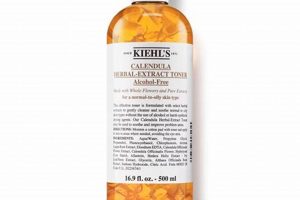
The anti-inflammatory properties of this plant are not limited to internal consumption; topical applications can also be beneficial. Extracts and preparations derived from the plant are used in skincare products to soothe irritated or inflamed skin conditions. The compounds present in the plant can reduce redness, swelling, and itching associated with various dermatological issues, such as eczema and dermatitis. This highlights the plant’s versatility in addressing inflammation through different routes of administration.
In conclusion, the anti-inflammatory effects of Matricaria chamomilla are multifaceted, involving the inhibition of pro-inflammatory mediators, antioxidant activity, modulation of the immune response, and potential benefits from topical applications. While further research is needed to fully elucidate its mechanisms and efficacy, the plant holds promise as a natural approach to managing inflammation in various contexts.
5. Antioxidant

The presence of antioxidants in Matricaria chamomilla preparations contributes significantly to its perceived health benefits. These compounds play a crucial role in neutralizing free radicals, thereby mitigating oxidative stress and potentially preventing cellular damage. The antioxidant activity associated with this floral preparation is an area of increasing scientific interest, with ongoing research exploring the specific mechanisms and health implications.
- Flavonoids as Primary Antioxidants
Flavonoids, a class of polyphenolic compounds, are the primary contributors to the antioxidant capacity of Matricaria chamomilla. These compounds, including apigenin, quercetin, and luteolin, exhibit potent free radical scavenging activity. Their molecular structure allows them to donate electrons to unstable free radicals, stabilizing them and preventing them from damaging cellular components. For example, research indicates that these flavonoids can protect lipids, proteins, and DNA from oxidative damage, reducing the risk of chronic diseases linked to oxidative stress.
- Role of Terpenoids
In addition to flavonoids, terpenoids, another class of compounds found in Matricaria chamomilla, contribute to its antioxidant properties. While their antioxidant activity may be less pronounced compared to flavonoids, terpenoids possess other beneficial properties, such as anti-inflammatory effects, which indirectly support antioxidant defense mechanisms. For instance, terpenoids can inhibit enzymes involved in the production of reactive oxygen species (ROS), reducing the overall oxidative burden on the body.
- Synergistic Effects
The antioxidant activity of this floral beverage is likely due to the synergistic interaction of various compounds rather than the effect of any single component. Flavonoids, terpenoids, and other minor constituents may work together to enhance the overall antioxidant capacity. This synergistic effect is a common phenomenon in herbal preparations, where the combined action of multiple compounds produces a more potent effect than the sum of their individual activities. An example of this is the enhanced protection against lipid peroxidation observed when multiple antioxidants are present in a system.
- Impact on Cellular Health
The antioxidant properties of Matricaria chamomilla have implications for cellular health and overall well-being. By neutralizing free radicals and reducing oxidative stress, these compounds may protect cells from damage and dysfunction. This protection extends to various tissues and organs, potentially reducing the risk of age-related diseases, cardiovascular disorders, and certain types of cancer. However, it is important to note that while preliminary studies suggest a beneficial effect, further research is needed to confirm these findings and determine the optimal dosage and usage patterns.
The antioxidant activity of Matricaria chamomilla, primarily attributed to flavonoids and terpenoids, represents a significant aspect of its potential health benefits. The synergistic interaction of these compounds contributes to its overall antioxidant capacity, with implications for cellular health and the prevention of chronic diseases. While further research is warranted, the existing evidence suggests that incorporating this floral preparation into a balanced lifestyle may contribute to improved well-being through its antioxidant effects.
6. Skin health
The application of Matricaria chamomilla in the context of skin health is rooted in its inherent anti-inflammatory and antioxidant properties. Both topical and internal use are associated with potential benefits for various skin conditions, although scientific evidence supporting these claims varies.
- Topical Anti-inflammatory Action
Preparations derived from Matricaria chamomilla contain compounds, such as bisabolol, that exhibit anti-inflammatory effects when applied topically. These compounds can reduce redness, swelling, and irritation associated with conditions like eczema, dermatitis, and rosacea. An example is the use of creams or lotions containing Matricaria chamomilla extract to soothe sunburned skin, reducing inflammation and promoting healing. The application of this plant offers a potential non-steroidal approach to managing mild skin inflammation.
- Antioxidant Protection Against Environmental Stressors
The antioxidant properties of Matricaria chamomilla provide a protective barrier against environmental stressors that contribute to skin aging and damage. Exposure to UV radiation, pollution, and other environmental factors generates free radicals, which can damage collagen, elastin, and other skin components. Topical application of antioxidants from this plant can neutralize these free radicals, reducing oxidative stress and protecting skin from premature aging. As an illustration, using skincare products containing extracts of this plant may help to mitigate the harmful effects of sun exposure and pollution on the skin.
- Potential for Wound Healing
Certain compounds present in Matricaria chamomilla are believed to promote wound healing by stimulating collagen production and enhancing tissue regeneration. While research in this area is ongoing, preliminary findings suggest that topical application of Matricaria chamomilla preparations can accelerate the healing of minor cuts, abrasions, and burns. An example is the use of compresses soaked in Matricaria chamomilla infusion to clean and soothe minor wounds, potentially promoting faster recovery.
- Internal Consumption and Systemic Effects
The internal consumption of preparations may also indirectly contribute to skin health through its systemic effects. The anti-inflammatory and antioxidant properties can influence overall well-being, which may manifest as improved skin condition. Furthermore, the calming effects of this beverage may help to reduce stress, a known trigger for various skin conditions. Consuming this beverage may, therefore, indirectly support skin health by promoting overall balance and reducing stress-related skin issues.
In summary, both topical and internal use of Matricaria chamomilla are linked to potential benefits for skin health, primarily through its anti-inflammatory and antioxidant actions. The external application addresses local skin issues, while internal consumption provides systemic effects. It’s important to approach these claims with caution and recognize that the impact may vary between individuals and according to the specific skin condition being addressed.
Frequently Asked Questions About Herbal Tea Chamomile
The following questions address common inquiries and misconceptions regarding the preparation, consumption, and potential effects of preparations utilizing Matricaria chamomilla.
Question 1: What is the appropriate water temperature for brewing herbal tea chamomile?
Optimal extraction of beneficial compounds occurs with water heated to approximately 212F (100C). Lower temperatures may result in a weaker infusion.
Question 2: How long should herbal tea chamomile be steeped?
A steeping time of 5 to 10 minutes is generally recommended. Prolonged steeping can impart a bitter flavor due to the release of tannins.
Question 3: Are there any known allergic reactions associated with herbal tea chamomile?
Individuals with allergies to plants in the Asteraceae/Compositae family (e.g., ragweed, chrysanthemums) should exercise caution, and discontinue use if allergic symptoms arise.
Question 4: Can herbal tea chamomile be consumed daily?
Moderate daily consumption is generally considered safe for most individuals. However, excessive intake may lead to drowsiness or, in rare cases, allergic reactions. Consulting a healthcare professional is advised for individuals with pre-existing medical conditions.
Question 5: Does herbal tea chamomile interact with medications?
Potential interactions with certain medications, such as anticoagulants and sedatives, exist. Consulting a healthcare professional is recommended before combining herbal tea chamomile with prescription or over-the-counter medications.
Question 6: Can herbal tea chamomile be used as a replacement for prescription sleep aids?
Herbal tea chamomile may promote relaxation and improve sleep quality for some individuals. However, it should not be considered a direct replacement for prescription sleep aids. Individuals with chronic sleep disorders should consult a healthcare professional for appropriate medical guidance.
The preceding answers provide a general overview of frequently asked questions. Consulting with qualified healthcare professional for personalized advice is always necessary.
The subsequent section will present an overview of sourcing and sustainability concerns.
Conclusion
This exploration of Matricaria chamomilla preparations has illuminated the multifaceted nature of this floral beverage. Its historical usage, coupled with emerging scientific evidence, suggests potential benefits ranging from relaxation and sleep support to digestive aid and anti-inflammatory action. The presence of bioactive compounds, such as flavonoids and terpenoids, underlies its observed effects. This beverage presents itself as a gentle, accessible option for individuals seeking natural approaches to promote wellness.
Ongoing research continues to unravel the complexities of Matricaria chamomilla and its impact on human health. Informed consumers should remain vigilant, seeking credible information and consulting with healthcare professionals to determine its suitability for individual needs. As understanding deepens, the responsible and informed utilization of this preparation has the potential to contribute meaningfully to a holistic approach to well-being. Further investigation and the application of evidence-based practices are essential to fully realize its potential.