The practice encompasses both a systematic understanding of plant biochemistry, pharmacology, and clinical research, alongside intuitive knowledge cultivated through experience and tradition. This dual nature involves analyzing the active constituents within plants and their physiological effects on the human body, while simultaneously considering the energetic and holistic aspects of healing. For example, understanding the specific alkaloids in a plant species requires scientific scrutiny, yet applying that knowledge to address an individual’s unique constitution necessitates nuanced judgment.
Historically significant as a primary form of medicine across cultures, this integrated approach to healthcare offers numerous advantages. It allows for personalized treatment strategies, addresses underlying imbalances rather than merely suppressing symptoms, and promotes overall well-being through the utilization of natural resources. The benefits extend beyond individual health to encompass ecological sustainability, as it encourages responsible harvesting and cultivation practices. The wisdom passed down through generations, combined with modern scientific advancements, provides a valuable framework for preventative and curative care.
The subsequent sections will delve into the specific scientific principles underpinning the efficacy of botanical medicine, explore the artistic nuances of formulating personalized herbal protocols, and examine the contemporary applications within integrated healthcare settings. Further exploration will consider aspects relating to quality control, ethical sourcing, and ongoing research initiatives that contribute to a deeper comprehension of these multifaceted healing modalities.
Practical Guidance for Botanical Medicine
The following insights aim to facilitate a more effective and responsible application of botanical remedies. These considerations blend evidence-based understanding with traditional practices, designed to optimize therapeutic outcomes.
Tip 1: Thorough Plant Identification: Accurate botanical identification is paramount. Employ reliable field guides, consult with experienced botanists, and utilize validated identification apps. Misidentification can lead to ineffective treatment or adverse reactions.
Tip 2: Quality Assessment of Plant Material: Source herbs from reputable suppliers who adhere to Good Manufacturing Practices (GMP). Inspect for signs of contamination, degradation, or adulteration. Consider growing one’s own herbs to ensure quality control.
Tip 3: Understanding Extraction Methods: Select the appropriate extraction method based on the plant’s chemical constituents. Water-based infusions are suitable for water-soluble compounds, while alcohol-based tinctures are more effective for extracting resins and alkaloids. Research and optimize extraction techniques for specific plants.
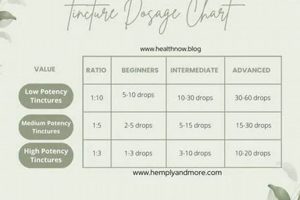
Tip 4: Individualized Dosage and Formulation: Tailor herbal protocols to individual patient needs, considering factors such as age, weight, constitution, and existing medical conditions. Combine herbs synergistically to enhance therapeutic effects and minimize side effects.
Tip 5: Monitoring and Evaluation: Regularly assess patient responses to herbal interventions. Track symptom changes, monitor for potential adverse reactions, and adjust the treatment plan accordingly. Implement objective measures to quantify therapeutic outcomes.
Tip 6: Knowledge of Herb-Drug Interactions: Be aware of potential interactions between herbs and pharmaceutical medications. Consult with a qualified healthcare professional to avoid adverse effects. Utilize databases and resources that provide information on herb-drug interactions.
Tip 7: Ethical and Sustainable Sourcing: Practice ethical and sustainable harvesting techniques to protect plant populations and ecosystems. Prioritize locally sourced and organically grown herbs whenever possible. Support conservation efforts to preserve biodiversity.
Implementing these guidelines contributes to a safe, effective, and responsible approach to botanical medicine, maximizing its potential to promote health and well-being.
The subsequent sections will delve into specific aspects of botanical formulation and application, further refining understanding and enhancing clinical practice.
1. Efficacy Validation

Efficacy validation forms a cornerstone of scientifically informed herbalism, establishing a crucial link between traditional practices and demonstrable outcomes. The absence of rigorous validation can render practices speculative, undermining the credibility and responsible application of botanical medicine. It functions as the objective counterpart to the subjective experiences documented throughout herbal traditions. Without efficacy validation, it becomes challenging to distinguish genuine therapeutic benefits from placebo effects or anecdotal observations. The cause-and-effect relationship lies in the systematic investigation of herbal preparations, determining whether they consistently produce desired results under controlled conditions. This process transforms the art of herbalism, rooted in empirical knowledge and intuition, into a discipline grounded in verifiable evidence. A relevant example includes research on St. John’s Wort for mild to moderate depression, where clinical trials provided evidence-based support for its efficacy, thereby increasing acceptance and responsible use among healthcare practitioners.
The importance of efficacy validation extends beyond establishing therapeutic value. It also plays a critical role in understanding safety profiles, identifying potential herb-drug interactions, and optimizing dosage regimens. Robust research allows for a more precise understanding of the mechanisms of action, facilitating the development of targeted herbal therapies. Furthermore, standardized validation methodologies ensure consistency in product quality and efficacy, reducing variability and enhancing patient safety. The practical significance lies in the ability to confidently recommend herbal interventions based on scientific evidence, promoting integrated healthcare models where botanical medicine complements conventional treatments. For instance, the increasing acceptance of curcumin as an adjunct therapy for inflammatory conditions is directly linked to the growing body of evidence supporting its anti-inflammatory properties.
In conclusion, efficacy validation is not merely a desirable component but an essential pillar of scientifically informed botanical medicine. It mitigates risks associated with unsubstantiated claims, promotes responsible use of herbal therapies, and bridges the gap between traditional knowledge and modern healthcare. Despite inherent challenges in researching complex herbal formulations, ongoing efforts to refine validation methodologies are crucial for fostering a more integrated and evidence-based approach to herbalism. Overcoming these hurdles is vital for unlocking the full potential of herbal medicine in a safe and effective manner, establishing its role within mainstream healthcare.
2. Phytochemical Profiles

Phytochemical profiles represent the detailed chemical compositions of plants, serving as a critical bridge between the science and the art of herbalism. The analysis of these profiles reveals the active constituents responsible for therapeutic effects, providing a scientific basis for traditional uses. Understanding the specific alkaloids, flavonoids, terpenes, and other compounds present in a plant allows herbalists to predict and explain its physiological actions. For example, the presence of silymarin in milk thistle dictates its hepatoprotective properties, a connection demonstrable through both phytochemical analysis and clinical observation. Without this knowledge, herbal practice relies on anecdotal evidence and lacks a mechanistic understanding of how plants interact with the human body. The ability to identify and quantify phytochemicals enables precise formulation and dosing strategies, minimizing the potential for adverse effects and maximizing therapeutic efficacy.
The practical significance of phytochemical profiling extends to quality control and standardization. Variations in growing conditions, harvesting methods, and processing techniques can significantly impact a plant’s chemical composition. By establishing phytochemical benchmarks, herbalists and manufacturers can ensure product consistency and reliability. For instance, standardized extracts of Ginkgo biloba are often required to contain specific concentrations of ginkgo flavonoids and terpene lactones, ensuring a consistent therapeutic effect. Moreover, the identification of novel phytochemicals can lead to the discovery of new therapeutic applications. Ongoing research continues to uncover previously unknown compounds with promising pharmacological activities, expanding the scope and potential of herbal medicine.
In conclusion, phytochemical profiles are indispensable for integrating scientific understanding with traditional herbal knowledge. These profiles provide a foundation for efficacy validation, quality control, and the development of novel therapeutic strategies. While the complexity of plant chemistry presents challenges, continuous advancements in analytical techniques are enhancing our ability to characterize and utilize the rich diversity of phytochemicals for the benefit of human health. A comprehensive grasp of these profiles remains essential for practitioners seeking to elevate herbalism from an art form to a scientifically grounded discipline.
3. Traditional Knowledge

Traditional knowledge, accumulated over centuries through observation, experimentation, and cultural transmission, serves as a foundational element within the science and art of herbalism. This body of wisdom provides invaluable insights into plant identification, therapeutic applications, and sustainable harvesting practices, informing both empirical research and clinical practice.
- Ethnobotanical Insights into Plant Use
Traditional knowledge often provides the initial leads for scientific investigation into the medicinal properties of plants. Indigenous cultures have long utilized specific plants for various ailments, providing a historical record of efficacy. For instance, the traditional use of willow bark for pain relief led to the discovery and development of aspirin, demonstrating the potential of ethnobotanical information. This historical perspective complements modern scientific approaches by suggesting avenues for research and validation.
- Sustainable Harvesting Practices
Traditional ecological knowledge frequently incorporates sustainable harvesting methods that ensure the long-term health of plant populations and ecosystems. Indigenous communities often possess intricate knowledge of plant life cycles, growth patterns, and environmental factors, allowing them to harvest resources responsibly. These practices contrast with unsustainable commercial harvesting, which can lead to depletion of plant populations and habitat degradation. Applying traditional ecological knowledge can promote biodiversity conservation and responsible resource management.
- Understanding Synergistic Plant Combinations
Traditional herbal systems often utilize combinations of plants that work synergistically to enhance therapeutic effects. These combinations are based on empirical observations of how different plants interact within the body to produce a desired outcome. While modern science can analyze the chemical interactions between plants, traditional knowledge provides a practical framework for creating complex herbal formulas. For example, traditional Chinese medicine frequently employs multi-herb formulas to address multifaceted health conditions, reflecting a holistic approach to healing.
- Cultural and Spiritual Significance
Beyond the pharmacological effects, traditional knowledge often recognizes the cultural and spiritual significance of plants. These beliefs can influence the way plants are harvested, prepared, and administered, adding a layer of meaning beyond the purely physical. While modern science may not explicitly address these aspects, acknowledging the cultural context can improve patient compliance and promote a more holistic approach to care. Understanding these nuances fosters respect for diverse healing traditions and ensures culturally sensitive practices.
These facets underscore the importance of preserving and integrating traditional knowledge within contemporary herbalism. By combining time-honored wisdom with scientific rigor, herbal practitioners can optimize therapeutic outcomes, promote sustainable practices, and foster a more holistic approach to healthcare. Acknowledging the interplay between traditional and scientific perspectives strengthens the foundation for responsible and effective botanical medicine.
4. Intuitive Understanding

Intuitive understanding, in the context of the science and art of herbalism, represents a form of knowledge acquisition that transcends purely analytical or empirical data. It stems from accumulated experience, direct observation, and a deep connection to the natural world. This form of understanding is not irrational; rather, it involves a rapid processing of information that may not be consciously articulated. Within the realm of herbalism, it manifests as an ability to discern subtle cues from a plant, a patient, or an environmental context, influencing decisions related to diagnosis, formulation, and treatment. Consider, for example, a skilled herbalist who, upon observing a patient’s subtle skin tone and demeanor, adjusts a previously conceived herbal protocol to address underlying imbalances. The cause stems from experience of the herbalist who discern subtle cues.
The importance of intuitive understanding lies in its ability to enhance the precision and personalization of herbal treatments. While scientific analysis provides insights into the chemical constituents and pharmacological actions of plants, it may not fully capture the complex interplay of factors affecting individual responses. Intuition allows the herbalist to consider factors that may not be readily quantifiable, such as the energetic properties of plants, the emotional state of the patient, and the environmental context in which healing takes place. A real-life example would be a practitioner noticing a pattern in patient responses to a particular herb based on seasonal variations, a connection not initially apparent through conventional analysis. This understanding informs adjustments to dosage or the selection of alternative herbs to optimize therapeutic outcomes. Moreover, intuitive understanding fosters a deeper connection between the herbalist, the patient, and the natural world, cultivating a holistic approach to healing that extends beyond mere symptom management.
In summary, intuitive understanding serves as a vital complement to scientific knowledge within herbalism. It enhances diagnostic accuracy, promotes personalized treatment strategies, and fosters a more holistic approach to healthcare. While challenging to quantify or codify, its cultivation through experience, mindful observation, and a reverence for nature remains essential for practitioners seeking to master both the science and the art of botanical medicine. Recognizing the limitations of purely reductionist approaches and embracing the value of intuitive insights is vital for unlocking the full potential of herbalism as an integrative healing modality. This form of knowledge is essential because it enriches the other forms of knowledge, blending it to give a full-picture solution to patient in need of help from herbalism.
5. Individual Constitution

Individual constitution, a core concept in various traditional medical systems, represents the unique physical, physiological, and psychological makeup of each person. It is a central consideration within the science and art of herbalism because therapeutic interventions are most effective when tailored to this inherent individuality. The cause-and-effect relationship is evident: a standardized herbal protocol may yield varying results depending on the recipient’s constitution. For example, a warming herb used to treat cold and damp conditions might exacerbate symptoms in an individual with a naturally hot and dry constitution. Ignoring this fundamental aspect leads to suboptimal outcomes and potentially adverse reactions. Thus, accurate assessment of individual constitution is paramount for responsible and effective herbal practice. For example, an herbalist might categorize two patients with similar digestive complaints as having different constitutional imbalances (e.g., one with “damp heat” and the other with “cold deficiency”). The herbalist would then prescribe entirely different herbal formulas based on those assessments.
The practical significance of understanding individual constitution extends beyond symptom relief. It allows for addressing the root causes of imbalance and promoting long-term health. By recognizing constitutional predispositions, herbalists can develop preventative strategies tailored to each individual, reducing susceptibility to illness and promoting overall well-being. Constitutional assessment involves integrating multiple factors, including physical characteristics, emotional tendencies, lifestyle habits, and environmental influences. Specific diagnostic tools, such as pulse diagnosis in Traditional Chinese Medicine or Ayurvedic dosha assessment, provide frameworks for categorizing individuals based on their unique constitutional profiles. Applying this understanding to herbal formulation involves selecting herbs with complementary energetic qualities and physiological actions to harmonize with the individual’s constitution. It would be the same as a modern doctor understanding patients’ health history. Just like modern medicine relies on blood analysis, herbalism relies on understanding the individual constitution.
In conclusion, recognizing and addressing individual constitution is not merely an ancillary consideration but an integral component of the science and art of herbalism. It enhances the precision and effectiveness of herbal interventions, promotes preventative care, and fosters a more holistic approach to healing. While challenges exist in standardizing constitutional assessment, ongoing research and refinement of diagnostic methods are crucial for advancing this essential aspect of botanical medicine. The individual constitution is an important key for safe and effective botanical medicine.
6. Sustainable Practices
Sustainable practices form an indispensable ethical and practical foundation for the responsible application of the science and art of herbalism. The long-term viability of herbal medicine hinges on the preservation of plant biodiversity and the health of ecosystems from which these resources are derived. Therefore, integrating sustainability principles into every facet of herbal practice is not merely a matter of environmental stewardship, but a prerequisite for maintaining the integrity and efficacy of botanical medicine.
- Ethical Sourcing and Wildcrafting
Ethical sourcing emphasizes fair trade practices, ensuring that harvesters and local communities receive equitable compensation for their labor and knowledge. Wildcrafting, the practice of harvesting plants from their natural habitats, requires careful consideration to avoid over-harvesting and habitat degradation. For example, sustainably harvesting American ginseng involves only collecting mature plants and leaving behind enough individuals to ensure future regeneration. Failing to adhere to ethical sourcing and wildcrafting standards can deplete plant populations and disrupt ecological balance, undermining the long-term availability of medicinal resources.
- Cultivation and Organic Farming
Cultivating medicinal plants through organic farming methods minimizes the environmental impact associated with conventional agriculture. Organic practices avoid the use of synthetic pesticides and fertilizers, protecting soil health, water quality, and biodiversity. For instance, growing chamomile organically promotes beneficial insect populations and reduces the risk of chemical contamination. Implementing sustainable cultivation techniques can enhance the quality and yield of medicinal plants while reducing the environmental footprint of herbal production. Choosing herbs grown with organic practices ensures minimal environmental damage and potential harm to consumer’s health.
- Waste Reduction and Resource Management
Minimizing waste and optimizing resource management are essential components of sustainable herbal practices. This includes reducing packaging materials, utilizing recyclable or biodegradable containers, and implementing water conservation strategies. For example, composting plant waste and using it as fertilizer reduces landfill waste and enriches soil fertility. Moreover, responsible disposal of extraction solvents and byproducts minimizes environmental pollution. Implementing waste reduction and resource management strategies decreases the environmental impact of herbal processing and promotes resource efficiency.
- Conservation and Preservation Efforts
Supporting conservation and preservation efforts is crucial for protecting endangered medicinal plant species and their habitats. This involves participating in reforestation projects, supporting botanical gardens, and advocating for policies that protect biodiversity. For example, contributing to organizations that conserve wild populations of goldenseal helps ensure the continued availability of this valuable medicinal plant. Furthermore, promoting awareness about the importance of plant conservation can encourage responsible harvesting practices and foster a deeper appreciation for the natural world. These actions ensure plant resources are available for generations to come.
These aspects exemplify how sustainable practices are intertwined with the science and art of herbalism. By integrating ethical sourcing, organic cultivation, waste reduction, and conservation efforts, practitioners can ensure the long-term viability of botanical medicine. These practices are not merely environmentally responsible, but also integral to maintaining the quality, efficacy, and ethical integrity of herbal therapies.
Frequently Asked Questions
The following addresses prevalent queries and misconceptions regarding the integration of scientific principles and traditional practices within botanical medicine. These responses aim to provide clarity and promote a more informed understanding of this multifaceted field.
Question 1: Is herbalism a legitimate form of medicine, or is it simply pseudoscience?
The legitimacy of herbalism as a form of medicine rests on its dual nature. It incorporates both traditional, empirical knowledge and scientific research. While historical practices may lack rigorous scientific validation, contemporary herbalism increasingly emphasizes evidence-based approaches. Properly conducted clinical trials, phytochemical analysis, and pharmacological studies contribute to substantiating the efficacy and safety of herbal remedies. Claims lacking scientific support should be regarded with caution. However, dismissing the entire field as pseudoscience overlooks the growing body of evidence supporting the therapeutic potential of certain herbs.
Question 2: How does the “art” aspect of herbalism reconcile with scientific rigor?
The “art” aspect refers to the individualized application of herbal knowledge, considering each patient’s unique constitution, lifestyle, and environmental factors. It entails a nuanced understanding that extends beyond standardized protocols. It is not about abandoning scientific principles but integrating them with clinical judgment and experiential insights. This holistic approach acknowledges that healing is not solely a biochemical process but also involves psychological, emotional, and spiritual dimensions. The blend of the “art” and “science” allows for greater personalization of remedies to optimize the efficacy.
Question 3: Are herbal remedies safe?
The safety of herbal remedies depends on several factors, including accurate plant identification, appropriate dosage, individual patient characteristics, and potential herb-drug interactions. While many herbs are generally safe when used correctly, some possess inherent toxicity or can interact negatively with conventional medications. Consulting with a qualified herbalist or healthcare professional with expertise in botanical medicine is crucial to minimize risks. Reputable herbal product manufacturers adhere to quality control standards to ensure purity and potency. Education and responsible use are essential for maximizing safety.
Question 4: Is standardization of herbal extracts necessary for ensuring efficacy?
Standardization of herbal extracts involves quantifying specific chemical constituents believed to be responsible for therapeutic effects. While standardization can enhance consistency and predictability, it may not always reflect the full therapeutic potential of the whole herb. Some researchers argue that the synergistic interactions of multiple compounds contribute to efficacy, an effect that may be diminished by isolating individual constituents. The ideal approach depends on the specific herb and intended application, balancing the benefits of standardization with the potential loss of synergistic effects. Standardizing helps in safety and helps to deliver accurate dose to patients.
Question 5: Can herbal medicine effectively replace conventional medical treatments?
Herbal medicine may serve as a complementary or adjunctive therapy in many cases, but it is not always an appropriate substitute for conventional medical treatments, particularly in acute or life-threatening conditions. Integrating herbal medicine with conventional care requires careful consideration of the potential benefits and risks, as well as the expertise of qualified healthcare professionals. The decision to use herbal medicine in place of or alongside conventional treatments should be made on a case-by-case basis, prioritizing patient safety and well-being. The integration of two system is very important and beneficial.
Question 6: How can consumers ensure the quality and authenticity of herbal products?
Consumers can enhance quality by purchasing from reputable suppliers who adhere to Good Manufacturing Practices (GMP). Look for products that have undergone third-party testing for identity, purity, and potency. Investigate the source of herbs and prioritize organically grown or sustainably harvested options whenever possible. Verify the scientific names on the product label to ensure accurate plant identification. Exercise caution regarding unsubstantiated claims or products marketed as “miracle cures.” Due diligence and informed decision-making are paramount when selecting herbal products. The quality is the most important factor that customer should be aware.
In summary, a comprehensive understanding of the science and art of herbalism requires a balanced perspective that integrates scientific evidence, traditional knowledge, and critical thinking. Informed consumers and practitioners play a vital role in promoting responsible and effective use of botanical medicine.
The following section will explore further aspects of integrating herbalism into contemporary healthcare practices.
Conclusion
The preceding examination has illuminated the symbiotic relationship between the scientific rigor and artistic nuance integral to the practice. This exploration underscores that effective herbalism is neither solely reliant on empirical data nor solely on traditional wisdom. It necessitates the informed application of scientific methodologies to validate efficacy, ensure safety, and standardize preparations. Simultaneously, it requires astute clinical judgment, mindful observation, and an appreciation for the individual complexities that influence therapeutic outcomes. The combination of these elements defines a comprehensive and responsible approach to botanical medicine.
The continued advancement of herbalism hinges on bridging the historical divide between tradition and science. Continued rigorous investigation, coupled with respect for traditional knowledge, will unlock the full potential of botanical medicine. This will lead to a wider integration in contemporary healthcare, and allow more to responsibly harness the healing power of nature. Practitioners and researchers should aim to achieve a deeper and wider spread of herbalism in the future.