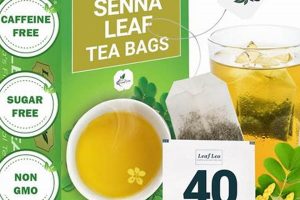
This beverage, often marketed under names suggesting grace and slenderness, is a blend of various herbs. Senna and other plants with laxative properties are frequently included in its formulation. Proponents suggest it aids in weight management, but its primary effect stems from its diuretic and cathartic actions.
Historically, herbal remedies have been employed for a range of perceived health benefits. However, reliance on such mixtures, particularly those with strong laxative effects, can lead to dehydration, electrolyte imbalance, and gastrointestinal distress. Long-term use is generally discouraged due to the potential for dependency and adverse health consequences.
The following sections will delve deeper into the specific ingredients commonly found within these types of preparations, the potential risks associated with their consumption, and evidence-based alternatives for achieving sustainable wellness.
Guidance Regarding Preparations Marketed as “Ballerina Herbal Tea”
This section provides cautionary guidance concerning products marketed as “ballerina herbal tea.” The information presented aims to promote informed decision-making regarding consumption of such preparations.
Tip 1: Scrutinize Ingredient Lists: Before consuming any herbal tea blend, thoroughly review the ingredient list. Pay particular attention to the presence of senna, cascara, or other known laxatives. These ingredients are often the primary drivers of the product’s purported effects and can pose health risks.
Tip 2: Understand Potential Side Effects: Be aware that products of this type can induce significant gastrointestinal discomfort, including cramping, bloating, and diarrhea. Dehydration and electrolyte imbalance are also potential risks, especially with frequent use.
Tip 3: Exercise Caution with Dosage: Strictly adhere to recommended dosage guidelines provided by the manufacturer. Exceeding the recommended dosage will not enhance the intended effects and may significantly increase the risk of adverse reactions.
Tip 4: Avoid Prolonged Use: These products are generally not intended for long-term use. Prolonged consumption can lead to laxative dependence, where the body becomes reliant on external stimulation to maintain regular bowel movements.
Tip 5: Consult a Healthcare Professional: Individuals with pre-existing medical conditions, such as kidney problems, heart conditions, or digestive disorders, should consult a physician before using these or similar herbal preparations.
Tip 6: Consider Alternative Strategies: For sustainable weight management and overall well-being, prioritize a balanced diet, regular physical activity, and adequate hydration. Consult with a registered dietitian or certified personal trainer for personalized guidance.
Tip 7: Be Wary of Unsubstantiated Claims: Approach claims regarding rapid weight loss or detoxification with skepticism. Herbal teas, particularly those with laxative properties, primarily induce fluid loss, not genuine fat reduction.
The key takeaways emphasize the importance of informed awareness and responsible consumption practices. Prioritizing a balanced approach to health and well-being is generally more beneficial and sustainable than relying on short-term solutions.
The subsequent discussion will explore healthier and more sustainable approaches to achieving fitness and wellness goals.
1. Laxative Components in "Ballerina Herbal Tea"

The defining characteristic of many preparations marketed as “ballerina herbal tea” is the inclusion of potent laxative components. The most common of these is senna, a plant-derived substance containing sennosides, which stimulate bowel movements by irritating the intestinal lining. This irritation causes the colon to contract more forcefully, leading to the expulsion of waste. The effect is a rapid emptying of the bowels, giving the consumer a perceived, albeit temporary, sense of lightness and reduced bloating.
The presence of these laxative components is not merely incidental; it is the core mechanism by which these teas achieve their advertised effects. Without senna or similar substances (such as cascara sagrada or aloe latex), the tea would likely have no significant impact on weight or bowel function. However, the reliance on these components introduces significant risks. Regular use can lead to dependence, where the bowel becomes reliant on external stimulants to function. Furthermore, the forceful expulsion of waste and fluids can disrupt electrolyte balance, leading to dehydration, muscle cramps, and, in severe cases, cardiac arrhythmias. The long-term implications of chronic laxative use include impaired nutrient absorption and potential damage to the intestinal lining.
In summary, the connection between laxative components and “ballerina herbal tea” is one of cause and effect. The presence of these components is the primary cause of the tea’s advertised effects, but these effects come with a range of potential risks. Therefore, understanding the role and potential consequences of these laxative components is essential for informed decision-making regarding the consumption of such products.
2. Potential Side Effects

The consumption of preparations marketed as “ballerina herbal tea” carries a spectrum of potential side effects, ranging from mild discomfort to more serious health complications. These adverse effects arise primarily from the tea’s active ingredients, frequently potent laxatives, and their impact on the body’s natural functions.
- Gastrointestinal Distress
Abdominal cramping, bloating, and diarrhea are common side effects. The laxative compounds irritate the intestinal lining, leading to increased bowel contractions. The severity can vary depending on individual sensitivity and dosage. In some cases, the discomfort can be debilitating, interfering with daily activities.
- Dehydration
Increased bowel movements can lead to significant fluid loss, resulting in dehydration. Symptoms include thirst, dizziness, and reduced urine output. Prolonged dehydration can strain the kidneys and cardiovascular system. The risk is heightened in individuals who do not adequately replenish fluids lost through frequent bowel evacuations.
- Electrolyte Imbalance
Laxatives can disrupt the balance of essential electrolytes, such as sodium, potassium, and chloride. These imbalances can cause muscle weakness, irregular heartbeat, and, in severe cases, cardiac arrest. Individuals with pre-existing conditions, such as kidney disease or heart problems, are particularly vulnerable.
- Laxative Dependence
Chronic use can lead to laxative dependence, where the bowel loses its ability to function normally without external stimulation. This can result in chronic constipation and require increasingly higher doses of laxatives to achieve the same effect. Discontinuing laxative use after prolonged dependence can be challenging and require medical supervision.
The range of potential side effects associated with “ballerina herbal tea” underscores the importance of informed decision-making. While some individuals may experience only mild discomfort, others may face more serious health risks. Given the potential for adverse effects, caution and moderation are advised when considering the use of these preparations.
3. Misleading Marketing

The marketing surrounding “ballerina herbal tea” often employs deceptive tactics to appeal to consumers seeking weight loss solutions. These campaigns frequently emphasize terms like “detox,” “cleanse,” and “slim,” creating the impression that the tea offers a quick and effortless path to a desired physique. However, the underlying mechanism often relies on the laxative effects of ingredients like senna, leading to temporary water loss rather than genuine fat reduction. This discrepancy between advertised benefits and actual physiological effects constitutes a form of misrepresentation.
A critical element of this misleading marketing is the exploitation of societal pressures and unrealistic body image expectations. By associating the product with images of grace and slenderness, marketers target individuals vulnerable to these pressures. Furthermore, testimonials and before-and-after photos, often lacking scientific validation, contribute to a false sense of efficacy. Consider, for instance, advertisements that showcase dramatic weight loss within a short period, neglecting to mention the potential side effects or the temporary nature of the results. These strategies manipulate consumer perceptions and undermine informed decision-making.
The consequences of misleading marketing extend beyond individual disappointment. Reliance on these products can delay the adoption of sustainable lifestyle changes, such as balanced nutrition and regular exercise, which are essential for long-term health and well-being. Furthermore, the lack of transparency regarding ingredients and potential risks poses a public health concern, necessitating increased regulatory scrutiny and consumer education. Ultimately, addressing the misleading marketing of “ballerina herbal tea” requires a multi-faceted approach, involving stricter advertising standards, enhanced product labeling, and greater awareness of the deceptive practices employed by some manufacturers.
4. Dehydration Risks

The consumption of “ballerina herbal tea” is directly linked to an elevated risk of dehydration. This connection stems primarily from the presence of laxative ingredients, such as senna, commonly found in these preparations. Senna stimulates bowel movements by irritating the intestinal lining, causing the colon to expel waste material, including significant amounts of water. This process leads to a rapid loss of fluids, potentially exceeding the body’s ability to replenish them, resulting in dehydration. The severity of dehydration can vary, depending on factors such as dosage, frequency of use, and individual physiological characteristics. For example, an individual who consumes multiple cups of the tea daily, particularly without adequate water intake, is at a significantly higher risk of experiencing dehydration compared to someone who uses the tea sparingly.
Dehydration, even in its milder forms, can manifest in several ways, including thirst, dizziness, headache, and reduced urine output. More severe cases can lead to confusion, rapid heart rate, and even organ damage. The implications of dehydration are particularly concerning for individuals with pre-existing health conditions, such as kidney disease or cardiovascular problems. In these cases, dehydration can exacerbate existing conditions and increase the risk of complications. Moreover, the diuretic effect of certain herbal ingredients can further contribute to fluid loss, compounding the dehydrating effects of the laxatives.
Understanding the dehydration risks associated with “ballerina herbal tea” is crucial for informed decision-making. Consumers should be aware of the potential for fluid loss and take proactive steps to mitigate this risk by ensuring adequate water intake. Furthermore, individuals with underlying health conditions should consult with a healthcare professional before using these or similar preparations. The misleading marketing that often accompanies these products can downplay or ignore these risks, highlighting the importance of independent research and critical evaluation of product claims. The key takeaway is that while “ballerina herbal tea” may be marketed as a weight loss aid, its primary effect is often fluid loss, which carries significant dehydration risks that should not be overlooked.
5. Electrolyte Imbalance

Electrolyte imbalance represents a significant health concern directly linked to the consumption of “ballerina herbal tea.” This condition arises from the tea’s composition and its effects on the body’s fluid balance and mineral regulation.
- Potassium Depletion
Senna and similar laxatives promote rapid bowel movements, leading to substantial potassium loss. Potassium is vital for nerve and muscle function, including heart rhythm. Chronic depletion can result in muscle weakness, cardiac arrhythmias, and even cardiac arrest. Individuals with pre-existing cardiac conditions are particularly vulnerable.
- Sodium Imbalance
Excessive diarrhea induced by the tea can disrupt sodium levels in the body. Hyponatremia (low sodium) can cause confusion, seizures, and coma. Hypernatremia (high sodium) can lead to dehydration, confusion, and muscle spasms. Maintaining appropriate sodium levels is crucial for cellular function and fluid balance.
- Magnesium Deficiency
Laxative use can interfere with magnesium absorption in the intestines, leading to a deficiency. Magnesium is essential for enzyme function, muscle relaxation, and nerve transmission. Symptoms of magnesium deficiency include muscle cramps, fatigue, and irregular heartbeat. Prolonged deficiency can contribute to more serious health problems.
- Calcium Loss
The increased frequency of bowel movements can impede calcium absorption. Calcium is critical for bone health, muscle contraction, and nerve signaling. Chronic calcium loss can increase the risk of osteoporosis and muscle spasms. Adequate calcium intake is essential to counter the effects of laxative-induced malabsorption.
In summary, the electrolyte imbalances induced by “ballerina herbal tea” pose serious health risks. The rapid and significant loss of essential minerals can disrupt numerous bodily functions, potentially leading to life-threatening complications. The reliance on such products for weight management is therefore inadvisable, particularly given the availability of safer and more sustainable strategies for achieving wellness.
Frequently Asked Questions Regarding “Ballerina Herbal Tea”
This section addresses common inquiries about preparations marketed as “ballerina herbal tea,” providing objective and informative responses to assist in informed decision-making.
Question 1: What are the primary ingredients typically found in “ballerina herbal tea”?
The most prevalent ingredient is senna, a potent laxative. Other ingredients may include cascara sagrada, chamomile, green tea, and various herbs. The specific composition can vary significantly between brands.
Question 2: Is “ballerina herbal tea” effective for long-term weight loss?
No. The perceived weight loss is primarily due to fluid loss resulting from the laxative effect, not fat reduction. This effect is temporary and unsustainable, and repeated use can lead to health complications.
Question 3: What are the potential risks associated with consuming “ballerina herbal tea”?
Potential risks include dehydration, electrolyte imbalance (particularly potassium depletion), gastrointestinal distress, laxative dependence, and interference with medication absorption. Long-term use can damage the intestinal lining.
Question 4: Can “ballerina herbal tea” be used safely during pregnancy or breastfeeding?
No. The laxative ingredients can stimulate uterine contractions and pass into breast milk, potentially harming the fetus or infant. Consumption is strongly discouraged during pregnancy and breastfeeding.
Question 5: How quickly does “ballerina herbal tea” produce results?
The laxative effect typically manifests within a few hours of consumption, leading to increased bowel movements. This rapid action contributes to the misleading perception of quick weight loss.
Question 6: Are there safer alternatives for achieving weight management and improved digestion?
Yes. A balanced diet, regular physical activity, and adequate hydration are sustainable and healthy approaches to weight management. Consulting with a registered dietitian or healthcare professional can provide personalized guidance. Probiotic-rich foods and adequate fiber intake can promote healthy digestion.
In conclusion, while “ballerina herbal tea” may be marketed as a quick fix, its potential risks outweigh its purported benefits. A comprehensive and sustainable approach to health is recommended.
The following section will delve into evidence-based strategies for promoting wellness and sustainable health.
Concluding Remarks on “Ballerina Herbal Tea”
This exploration of “ballerina herbal tea” has revealed a concerning trend: the promotion of a product with potentially harmful side effects under the guise of health and wellness. The analysis has highlighted the reliance on laxative ingredients, the risks of dehydration and electrolyte imbalance, the misleading marketing tactics employed, and the lack of scientific evidence supporting its purported benefits. The information presented underscores the potential dangers associated with its consumption, particularly regarding long-term use and the development of laxative dependence.
Given the serious health implications, a critical evaluation of “ballerina herbal tea” is paramount. Individuals seeking sustainable wellness and weight management are strongly advised to prioritize evidence-based strategies, such as balanced nutrition and regular exercise, and to consult with healthcare professionals for personalized guidance. The pursuit of health should not compromise well-being; informed choices are essential for achieving lasting results and mitigating potential risks. The continued availability of such products necessitates ongoing vigilance and consumer education to ensure responsible decision-making.