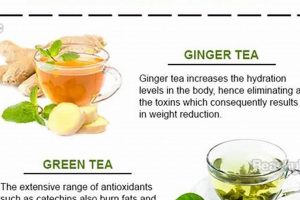
Infusions derived from various plants, excluding Camellia sinensis (true tea), are often consumed for their potential health advantages, including managing elevated lipid levels in the bloodstream. Certain botanicals contain compounds thought to influence cholesterol metabolism and absorption. For instance, some individuals incorporate hibiscus or ginger preparations into their diets, aiming to support cardiovascular wellness.
Historically, phytotherapy has played a role in traditional medicine systems across diverse cultures. The perceived value lies in the bioactive components present in particular flora, which may exert pharmacological effects. While research is ongoing, the potential to support conventional treatments through dietary modifications, such as the consumption of beneficial plant-based drinks, remains a topic of interest within nutritional science.
The following sections will explore specific herbal infusions, examining available scientific evidence regarding their impact on cholesterol levels, potential mechanisms of action, considerations for usage, and the importance of consulting with healthcare professionals prior to incorporating them into a health regimen. This investigation aims to provide a balanced and evidence-based perspective on the topic.
Guidance on Incorporating Specific Plant-Based Infusions for Cholesterol Management
The following guidance emphasizes responsible integration of select botanical infusions within a broader strategy for managing hyperlipidemia. These points are not intended as a substitute for professional medical advice.
Tip 1: Choose Infusions with Documented Lipid-Lowering Potential: Research available on specific plant infusions is crucial. Artichoke leaf, for instance, has demonstrated potential in some studies. Select infusions with existing, albeit limited, evidence.
Tip 2: Prioritize Ingredient Quality and Sourcing: The origin and processing of the constituent plants significantly affect the resulting beverage’s potency. Opt for reputable suppliers who prioritize quality control and transparency in sourcing.
Tip 3: Adhere to Recommended Dosage and Preparation Guidelines: Following the manufacturer’s or herbalist’s instructions for preparation and dosage is paramount. Overconsumption can lead to adverse effects, while insufficient amounts may render the infusion ineffective.
Tip 4: Monitor Cholesterol Levels Regularly: Individuals should maintain consistent monitoring of their lipid profile through routine blood tests. This allows for objective assessment of the infusion’s potential impact and enables adjustments to the overall management plan.
Tip 5: Consider Potential Interactions with Medications: Certain plant constituents can interact with prescribed medications. Consultation with a physician or pharmacist is essential to identify and mitigate potential adverse interactions.
Tip 6: Integrate as Part of a Comprehensive Lifestyle Modification Plan: Plant-based infusions are most effective when integrated within a broader strategy encompassing dietary modifications (reduced saturated fat intake, increased fiber consumption), regular physical activity, and, when necessary, pharmacological interventions.
Tip 7: Be Aware of Potential Side Effects and Allergies: Some individuals may experience adverse reactions to specific plant constituents. Be vigilant for signs of allergic reactions or other side effects, and discontinue use immediately if such symptoms arise.
In summary, the judicious and informed incorporation of specific herbal infusions may complement a comprehensive strategy for managing elevated cholesterol. However, it must be approached with caution, emphasizing evidence-based selection, quality control, and proactive monitoring.
The subsequent section will address potential risks, contraindications, and the crucial importance of collaborative care with healthcare professionals.
1. Botanical Composition

Botanical composition is a fundamental aspect of understanding the potential efficacy of plant-based infusions in managing elevated cholesterol. The specific plants used and their relative proportions dictate the presence and concentration of bioactive compounds with potential lipid-modifying properties.
- Active Phytochemicals
The presence of specific phytochemicals, such as flavonoids, polyphenols, and saponins, is critical. These compounds are theorized to influence cholesterol metabolism through various mechanisms, including inhibiting cholesterol absorption in the intestines, increasing bile acid excretion, and modulating liver enzyme activity. For example, artichoke leaf contains cynarin, which is thought to promote bile production, potentially lowering cholesterol. The absence or low concentration of these key phytochemicals would significantly reduce the likelihood of the infusion exhibiting a noticeable effect on lipid profiles.
- Synergistic Effects
The combination of different plant species in an infusion can lead to synergistic effects, where the combined impact exceeds the sum of their individual effects. Certain phytochemicals may enhance the bioavailability or activity of others, resulting in a more pronounced lipid-lowering effect. Conversely, antagonistic interactions can also occur, potentially negating the benefits of otherwise effective compounds. Therefore, careful consideration of the botanical blend is essential.
- Geographic Origin and Cultivation Practices
The geographic origin and cultivation practices of the plants used can significantly influence their phytochemical profile. Environmental factors, such as soil composition, climate, and sunlight exposure, can affect the concentration of active compounds. Similarly, the use of pesticides or herbicides can potentially introduce contaminants that may counteract the beneficial effects or pose health risks. Selecting infusions sourced from reputable suppliers who prioritize sustainable and organic cultivation practices is crucial for ensuring quality and safety.
- Plant Part Used
The specific part of the plant utilized (e.g., leaf, flower, root, stem) impacts the composition of the resulting infusion. Different plant parts contain varying concentrations of phytochemicals. For instance, the root of a plant may contain different compounds compared to the leaves. The selection of the appropriate plant part is thus essential to maximize the desired effects.
In conclusion, the botanical composition is a critical determinant of the potential of an herbal infusion to influence cholesterol levels. Careful consideration of the active phytochemicals, synergistic effects, origin, cultivation, and specific plant parts used is essential when evaluating the suitability of such infusions as a complementary approach to managing hyperlipidemia. However, it is important to reiterate that this is not a replacement for medical advice.
2. Bioactive Compounds

Bioactive compounds are integral to the potential therapeutic effects of herbal infusions targeting elevated cholesterol. The presence and concentration of these substances dictate the degree to which a given infusion may influence lipid metabolism. These compounds, naturally occurring within the selected plants, exert their effects through diverse mechanisms that may impact cholesterol absorption, synthesis, or excretion. For instance, specific polyphenols found in certain botanical preparations can inhibit the enzyme HMG-CoA reductase, a critical regulator in cholesterol biosynthesis within the liver. This inhibitory action mirrors that of statin medications, albeit typically to a lesser extent. Similarly, saponins, present in other plants, can bind to cholesterol in the digestive tract, impeding its absorption and promoting its elimination. The absence or inadequacy of these bioactive components diminishes the likelihood of a substantial effect on cholesterol levels.
Furthermore, the effectiveness of bioactive compounds can be influenced by factors such as bioavailability and interactions with other compounds present within the infusion or the consumer’s diet. Bioavailability refers to the extent to which a compound is absorbed into the bloodstream and reaches its target tissues. Certain preparation methods, such as prolonged steeping or the addition of a carrier substance like lemon juice (which contains citric acid), can enhance the extraction and bioavailability of specific compounds. Conversely, the presence of substances that interfere with absorption or metabolism can reduce the effectiveness. This complexity highlights the importance of understanding not only the identity of the bioactive compounds but also the factors that influence their activity within the body. As an example, consider green tea, known for its catechin content. Catechins have demonstrated antioxidant and lipid-lowering properties in vitro and in some human studies. However, their bioavailability can be limited, necessitating consumption in significant quantities to achieve a measurable effect.
In conclusion, bioactive compounds are the primary drivers of any potential cholesterol-lowering effects associated with plant-based infusions. Identifying the specific compounds, understanding their mechanisms of action, and optimizing their bioavailability are crucial considerations for maximizing the potential benefits. However, it is imperative to acknowledge that the effects of these infusions are typically modest compared to conventional pharmaceutical interventions and that they should be viewed as a complementary approach, not a replacement for prescribed medications. Comprehensive evaluation, ongoing monitoring, and consultation with healthcare professionals are essential to ensure safe and effective integration into a cholesterol management strategy.
3. Preparation Methods

The method of preparation significantly influences the chemical composition and, consequently, the potential efficacy of herbal infusions intended for cholesterol management. The extraction of bioactive compounds, critical for any purported lipid-altering effects, is directly dependent on the techniques employed during preparation.
- Water Temperature
The temperature of the water used for infusion directly impacts the solubility and extraction of various phytochemicals. Insufficiently hot water may fail to liberate beneficial compounds, while excessively hot water can degrade heat-sensitive molecules. Optimal temperatures vary depending on the specific plant material. For instance, delicate flower petals often require lower temperatures than hardy roots or bark. Adherence to recommended temperature guidelines is crucial for maximizing the potential benefits.
- Steeping Time
The duration of steeping influences the concentration of extracted compounds and the overall profile of the resulting infusion. Shorter steeping times may yield weaker infusions with fewer active constituents, while prolonged steeping can lead to the release of undesirable compounds, such as tannins, which may impart a bitter taste or interfere with the absorption of beneficial substances. The ideal steeping time is specific to the herbal blend and should be carefully considered based on available guidelines and the desired outcome.
- Water Quality
The quality of the water used for infusion can affect both the taste and the chemical composition of the final product. Impurities present in tap water, such as chlorine or heavy metals, can interact with the plant material, potentially altering the profile of beneficial compounds or introducing undesirable contaminants. Using filtered or purified water is recommended to minimize these effects and ensure optimal extraction of desired constituents.
- Container Material
The material of the steeping container can also influence the preparation process. Certain materials, such as reactive metals, may interact with the herbal infusion, leading to the leaching of unwanted substances or the degradation of active compounds. Using inert materials, such as glass or stainless steel, is preferable to minimize potential interactions and ensure the integrity of the infusion.
In summary, meticulous attention to preparation methods, encompassing water temperature, steeping time, water quality, and container material, is essential for optimizing the extraction of bioactive compounds from herbal infusions intended for cholesterol management. These factors directly influence the concentration and integrity of the active constituents, thereby impacting the potential for the infusion to exert a beneficial effect on lipid profiles. While not a substitute for conventional medical treatment, careful preparation can enhance the potential of herbal infusions as a complementary approach.
4. Dosage Guidelines
Dosage guidelines represent a critical nexus in the responsible utilization of plant-derived infusions for managing elevated cholesterol. The correlation between dosage and therapeutic outcome is paramount: insufficient quantities may render the infusion ineffective, while excessive amounts can induce adverse effects or contraindicate existing medical conditions. The concentration of bioactive compounds within a specific preparation directly informs appropriate dosage. For instance, an infusion derived from artichoke leaf, purported to support healthy cholesterol levels, will necessitate a dosage commensurate with the concentration of cynarin, its active constituent. Absence of standardized dosage recommendations from credible sources presents a significant challenge, necessitating cautious titration and close monitoring.
The practical significance of adhering to established dosage guidelines extends beyond mere efficacy. Many botanical constituents possess the potential to interact with prescription medications, altering their bioavailability or potentiating their effects. Coenzyme Q10, often recommended for individuals on statin therapy, may experience altered metabolism in the presence of certain herbal extracts, thereby necessitating dosage adjustments of both the supplement and the statin. Furthermore, individual variability in metabolism, influenced by factors such as age, liver function, and genetic predispositions, mandates personalized dosage considerations. A standardized dosage may prove unsuitable for all individuals, underscoring the importance of consulting with a qualified healthcare professional before initiating any phytotherapeutic regimen.
In conclusion, dosage guidelines are integral to the safe and effective use of plant-based infusions as a complementary strategy for addressing high cholesterol. The lack of universal standardization necessitates a cautious, evidence-based approach, emphasizing personalized assessment and collaboration with healthcare providers. Furthermore, the potential for interactions with conventional medications underscores the need for comprehensive evaluation before incorporating these infusions into a cholesterol management plan. While promising, the integration of plant-based infusions must be approached with diligence and a commitment to patient safety.
5. Potential Interactions

The intersection of potential interactions and infusions intended for managing elevated cholesterol represents a critical area of concern. Certain plant-derived compounds can interfere with the absorption, metabolism, or excretion of prescription medications used to lower cholesterol, such as statins, bile acid sequestrants, and cholesterol absorption inhibitors. This interference can either reduce the effectiveness of the prescribed medication, leading to suboptimal cholesterol control, or potentiate its effects, increasing the risk of adverse events. For instance, St. John’s Wort, while not typically used as an infusion for high cholesterol but often used concurrently by patients seeking natural remedies, is a known inducer of CYP3A4 enzymes, which are responsible for metabolizing many statins. This induction can decrease statin levels in the blood, potentially negating their therapeutic benefits. Conversely, other compounds may inhibit these enzymes, leading to increased statin concentrations and a higher risk of myopathy or rhabdomyolysis.
Furthermore, interactions are not limited to pharmaceutical agents. Specific plant constituents may affect the absorption of essential nutrients or interact with other dietary supplements. For example, certain types of fiber found in some plants can bind to minerals like iron or zinc, reducing their bioavailability. Coumarin, present in some herbal preparations, possesses anticoagulant properties and can potentiate the effects of blood-thinning medications like warfarin, increasing the risk of bleeding. Individuals taking such medications should exercise extreme caution and consult with a healthcare professional before consuming herbal infusions. Another significant concern lies in the potential for allergic reactions. Some individuals may be sensitive to specific plant species, leading to adverse reactions ranging from mild skin irritation to severe anaphylaxis. It is essential to carefully review the ingredient list and be aware of any known allergies.
In summary, potential interactions represent a significant consideration when evaluating the use of plant-derived infusions for managing elevated cholesterol. The risk of adverse effects arising from these interactions necessitates a comprehensive assessment of an individual’s medical history, medication list, and allergy profile before initiating any herbal regimen. Consulting with a physician, pharmacist, or qualified herbalist is crucial to identify and mitigate potential risks, ensuring the safe and effective integration of these infusions within a broader cholesterol management strategy. The perception of natural products as inherently safe is a misconception that can have serious consequences. A proactive and informed approach is essential to safeguard patient well-being.
6. Lifestyle Integration

Lifestyle integration constitutes a critical, inseparable component of any holistic approach to managing elevated cholesterol, particularly when considering the adjunctive use of infusions derived from botanicals. The consumption of these beverages in isolation, without concomitant modifications to dietary habits, exercise routines, and stress management techniques, is unlikely to yield substantial or sustained improvements in lipid profiles. This emphasis on comprehensive lifestyle adjustments reflects the multifaceted nature of hyperlipidemia, which often arises from a confluence of genetic predispositions and modifiable environmental factors. For example, an individual who regularly consumes high amounts of saturated fats and engages in minimal physical activity will likely experience limited benefits from simply incorporating a plant-based infusion into their daily routine, without addressing these underlying contributors to their elevated cholesterol levels.
Practical application of lifestyle integration principles necessitates a coordinated effort across multiple domains. Dietary modifications should prioritize a reduction in saturated and trans fats, coupled with an increase in soluble fiber intake through the consumption of fruits, vegetables, and whole grains. Regular physical activity, encompassing both aerobic exercise and resistance training, promotes efficient lipid metabolism and enhances cardiovascular function. Stress management techniques, such as mindfulness meditation or yoga, can mitigate the adverse effects of chronic stress on cholesterol levels. The synergistic effect of these lifestyle modifications amplifies the potential benefits of plant-derived infusions. In contrast, a fragmented approach, focusing solely on the infusion without addressing these broader lifestyle factors, is likely to result in disappointing outcomes.
Concluding, the successful incorporation of herbal infusions for cholesterol management hinges on their seamless integration within a comprehensive and sustainable lifestyle plan. Challenges may arise from the need for long-term commitment, behavioral changes, and the potential for individual variability in response. However, by recognizing lifestyle integration as a cornerstone of this approach, and by emphasizing personalized strategies that address the specific needs and circumstances of each individual, the potential for achieving meaningful and lasting improvements in cholesterol levels can be significantly enhanced. This approach underscores the importance of patient education, collaborative care, and ongoing monitoring to ensure both efficacy and safety.
7. Clinical Evidence

Rigorous clinical investigation constitutes the foundation for determining the efficacy and safety of any therapeutic intervention, including the use of herbal infusions for managing elevated cholesterol. The presence or absence of robust clinical data profoundly impacts the credibility and acceptance of these infusions within the medical community and among consumers seeking evidence-based healthcare solutions.
- Study Design and Methodology
The design and methodology of clinical trials evaluating herbal infusions are critical determinants of the reliability of the results. Randomized, double-blind, placebo-controlled trials represent the gold standard for assessing efficacy and minimizing bias. Studies lacking these features may be subject to confounding variables and may not provide conclusive evidence of a causal relationship between the infusion and changes in cholesterol levels. For example, a study evaluating an infusion without a placebo control group cannot differentiate between the effects of the infusion and the placebo effect. Sample size, participant selection criteria, and the duration of the study are also important considerations. Small sample sizes may lack the statistical power to detect meaningful differences, while poorly defined selection criteria can introduce heterogeneity that obscures the results. Long-term studies are necessary to assess the sustainability of any observed effects and to identify potential long-term adverse events.
- Specific Herbal Preparations
Clinical evidence often pertains to specific preparations and dosages of herbal infusions, rather than general recommendations. Variations in plant species, growing conditions, extraction methods, and formulation can significantly influence the composition and concentration of bioactive compounds. Therefore, results obtained from one study may not be generalizable to other herbal products marketed for cholesterol management. For example, a study demonstrating the efficacy of a standardized extract of artichoke leaf may not apply to infusions made from non-standardized artichoke leaves. The precise botanical identity of the plant material used in the clinical trial, as well as the specific extraction methods employed, should be clearly defined and consistent with the herbal preparation being recommended.
- Quantifiable Outcomes and Biomarkers
Clinical trials evaluating herbal infusions should employ objective and quantifiable outcomes to assess their impact on cholesterol levels. These outcomes typically include measurements of total cholesterol, LDL cholesterol, HDL cholesterol, triglycerides, and other relevant biomarkers of cardiovascular health. Reliance on subjective measures or self-reported outcomes can introduce bias and reduce the reliability of the results. For example, a study relying solely on participant reports of feeling “healthier” would be less compelling than one measuring actual changes in LDL cholesterol levels. Furthermore, the selection of appropriate biomarkers is crucial. While cholesterol levels are important, other factors, such as inflammation and oxidative stress, also contribute to cardiovascular disease risk. Studies assessing the impact of herbal infusions on these broader biomarkers may provide a more comprehensive assessment of their potential benefits.
- Safety and Adverse Effects
Clinical evidence must also address the safety and potential adverse effects of herbal infusions. This includes monitoring for any adverse events during clinical trials, as well as conducting post-marketing surveillance to identify rare or delayed adverse effects. The assessment of safety should consider potential interactions with medications, as well as potential risks for specific populations, such as pregnant women, children, and individuals with pre-existing medical conditions. For example, a clinical trial should assess whether the herbal infusion interacts with commonly prescribed statin medications. The reporting of adverse events should be transparent and comprehensive, including the severity, frequency, and duration of any observed effects. Lack of adequate safety data can limit the widespread adoption of herbal infusions, even if they demonstrate promising efficacy in lowering cholesterol.
The strength and quality of clinical evidence directly correlate with the level of confidence that can be placed in the efficacy and safety of any intervention. While anecdotal evidence and traditional use may provide preliminary support for the potential benefits of infusions targeting elevated cholesterol, rigorous clinical trials are essential to validate these claims and to guide responsible utilization. In the absence of robust clinical data, caution is warranted, and individuals should consult with healthcare professionals before incorporating herbal infusions into their cholesterol management strategy.
Frequently Asked Questions
The following questions address common concerns regarding the use of plant-based infusions as a complementary approach to managing elevated cholesterol levels. These answers are for informational purposes only and do not constitute medical advice.
Question 1: Are herbal infusions a proven treatment for lowering cholesterol?
Scientific evidence regarding the efficacy of plant-based infusions in significantly lowering cholesterol is limited and often inconclusive. While some studies suggest potential benefits from specific preparations, these findings are generally modest and may not apply to all individuals. Plant-based infusions should not be considered a replacement for prescribed medications or established lifestyle modifications.
Question 2: What are the potential risks associated with using plant-based infusions for high cholesterol?
Potential risks include allergic reactions, interactions with prescription medications, and the possibility of adverse effects from specific plant constituents. Some herbal preparations may contain substances that interfere with the absorption of nutrients or potentiate the effects of blood-thinning medications. Individuals with pre-existing medical conditions or those taking prescription medications should consult with a healthcare professional before consuming herbal infusions.
Question 3: How should plant-based infusions be prepared and consumed for optimal results?
Preparation methods can influence the concentration and bioavailability of bioactive compounds. It is generally recommended to use filtered water at the appropriate temperature and to steep the infusion for the recommended duration. Adherence to dosage guidelines is crucial to minimize the risk of adverse effects. The specific preparation methods and dosage recommendations may vary depending on the type of plant material used.
Question 4: Can plant-based infusions interact with statin medications?
Yes, certain plant constituents can interact with statin medications, potentially reducing their effectiveness or increasing the risk of adverse events. For example, St. John’s Wort can induce CYP3A4 enzymes, which are responsible for metabolizing many statins, potentially decreasing statin levels in the blood. Individuals taking statins should consult with a healthcare professional before consuming herbal infusions.
Question 5: Are all herbal infusions safe for long-term consumption?
The safety of long-term consumption of herbal infusions varies depending on the specific plant material and the individual’s health status. Some herbal preparations may be safe for long-term use, while others may pose risks with prolonged consumption. It is essential to research the potential long-term effects of any herbal infusion before incorporating it into a regular routine.
Question 6: What is the role of healthcare professionals in the use of plant-based infusions for high cholesterol?
Consulting with a healthcare professional is crucial before using plant-based infusions to manage high cholesterol. A physician, pharmacist, or qualified herbalist can assess an individual’s medical history, medication list, and allergy profile to identify potential risks and interactions. They can also provide guidance on appropriate preparation methods, dosage guidelines, and monitoring strategies.
In summary, while some plant-based infusions may offer potential benefits as a complementary approach to managing elevated cholesterol, they should not be considered a replacement for prescribed medications or established lifestyle modifications. A cautious, evidence-based approach, emphasizing personalized assessment and collaboration with healthcare providers, is essential.
The subsequent section will provide concluding thoughts and emphasize the importance of informed decision-making regarding the use of herbal infusions for cholesterol management.
Conclusion
The preceding exploration has sought to provide a comprehensive overview of herbal infusions, specifically their potential role in managing elevated cholesterol levels. While anecdotal evidence and traditional medicine systems suggest possible benefits, the scientific community mandates a cautious approach, demanding rigorous clinical validation. The efficacy of any specific infusion hinges on factors such as botanical composition, bioactive compound concentration, preparation methods, and individual physiological variability. Furthermore, potential interactions with pharmaceutical interventions necessitate thorough assessment and consultation with qualified healthcare professionals.
The pursuit of effective strategies for managing hyperlipidemia remains paramount in mitigating the risk of cardiovascular disease. As the evidence base evolves, continued research is essential to elucidate the mechanisms of action, determine optimal dosages, and rigorously evaluate the safety of plant-derived interventions. Until such data are available, individuals should prioritize established lifestyle modifications and evidence-based medical treatments, engaging in informed decision-making regarding complementary approaches, always under the guidance of their healthcare providers. The responsible integration of herbal infusions requires a discerning perspective, acknowledging both their potential and their limitations within the context of a comprehensive cholesterol management plan.