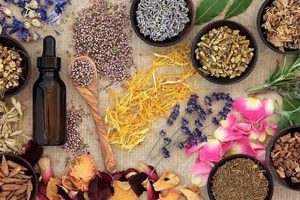
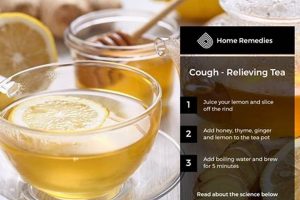
A beverage crafted from the infusion or decoction of herbs, spices, or other plant materials in hot water, often consumed to alleviate symptoms associated with various ailments, represents a common approach to self-care. Chamomile infusions, for instance, are frequently ingested to promote relaxation and ease mild discomfort.
The utilization of botanical preparations to address health concerns possesses a lengthy history, predating modern medical practices. Many cultures around the globe have traditionally relied on such remedies for their perceived therapeutic properties. These practices, passed down through generations, emphasize the potential benefits of natural ingredients in supporting well-being and managing discomfort associated with common illnesses.
The subsequent sections will explore specific plant-based brews and their purported efficacy in addressing particular health conditions, along with considerations regarding their safe and effective use.
The judicious use of plant-based infusions can serve as a complementary approach to managing mild symptoms. However, careful consideration of several factors is paramount to ensuring safety and efficacy.
Tip 1: Identify Specific Needs. Before selecting a preparation, determine the precise symptoms being addressed. Different botanicals possess varying properties; therefore, identifying the target condition is crucial.
Tip 2: Research Ingredients Thoroughly. Investigate the individual components of any blend. Consult reputable sources to understand potential benefits, contraindications, and interactions with existing medications.
Tip 3: Source Products Responsibly. Choose reputable suppliers who prioritize quality control and adhere to established manufacturing practices. Certification by recognized organizations can indicate adherence to specific standards.
Tip 4: Adhere to Recommended Dosages. Follow the dosage instructions provided by the manufacturer or a qualified healthcare professional. Exceeding recommended amounts may lead to adverse effects.
Tip 5: Monitor for Allergic Reactions. Introduce new infusions gradually and observe for any signs of allergic reaction, such as skin irritation, difficulty breathing, or digestive upset. Discontinue use immediately if such symptoms arise.
Tip 6: Be Mindful of Drug Interactions: Some herbs can interact with prescription medications, potentially altering their effects. Consult with a healthcare provider or pharmacist to identify potential interactions.
Tip 7: Consult a Healthcare Professional. Individuals with pre-existing medical conditions, pregnant or breastfeeding women, and those taking prescription medications should consult a qualified healthcare professional before incorporating novel botanical preparations into their routine.
By adhering to these guidelines, individuals can enhance their experience with plant-based infusions while minimizing potential risks. A proactive and informed approach is essential to harnessing the potential benefits while safeguarding overall well-being.
The following section will explore specific herbal preparations and their traditional applications in addressing various health concerns.
1. Botanical Properties

The therapeutic potential of plant-based infusions is fundamentally determined by the inherent botanical properties of the source materials. Understanding these properties is crucial for selecting appropriate preparations for managing specific illness-related symptoms.
- Phytochemical Composition
Each plant species possesses a unique array of phytochemicals, including alkaloids, flavonoids, terpenes, and phenolic compounds. These substances exhibit diverse pharmacological activities, such as anti-inflammatory, antimicrobial, antioxidant, and analgesic effects. The specific composition dictates the potential health benefits of the derived infusion. For example, chamomile contains apigenin, a flavonoid known for its calming and anxiolytic properties, making it suitable for promoting relaxation during periods of illness.
- Extraction Efficiency
The method used to prepare the infusion significantly influences the extraction efficiency of these beneficial phytochemicals. Factors such as water temperature, steeping time, and the particle size of the plant material affect the concentration and availability of bioactive compounds in the final beverage. For instance, prolonged boiling of certain herbs may degrade heat-sensitive compounds, reducing their therapeutic value, while insufficient steeping may result in incomplete extraction.
- Synergistic Effects
The combined effect of multiple phytochemicals within a single plant, or a blend of different plants, can result in synergistic interactions, enhancing the overall therapeutic activity. This synergistic effect may be greater than the sum of the individual components acting in isolation. Traditional herbal formulations often leverage this principle, combining plants with complementary properties to address multiple facets of an illness.
- Bioavailability and Metabolism
Following ingestion, the bioavailability and metabolism of phytochemicals influence their systemic effects. Some compounds may be readily absorbed and utilized by the body, while others undergo extensive metabolism, potentially altering their activity or limiting their effectiveness. Individual variations in metabolism, influenced by factors such as genetics and gut microbiota composition, can also affect the response to herbal infusions.
In summary, the effectiveness of plant-based remedies in addressing illness hinges on a comprehensive understanding of botanical properties, extraction methods, and individual physiological factors. Recognizing the interplay of these elements is essential for optimizing the therapeutic potential of herbal infusions.
2. Symptom Targeting

The efficacy of herbal infusions in addressing ailments is directly linked to precise symptom targeting. Identifying the specific discomfort experienced allows for the selection of herbs known to alleviate those particular symptoms. This targeted approach maximizes the potential for relief and minimizes the risk of inappropriate herbal remedy selection. For instance, an individual experiencing nausea may benefit from ginger, recognized for its antiemetic properties, while someone suffering from insomnia might find relief in chamomile’s calming effects. Neglecting symptom targeting can result in the selection of an ineffective, or potentially counterproductive, preparation.
The component herbs within these preparations often contain compounds that interact with physiological systems to modulate symptoms. For example, eucalyptus tea is sometimes employed to address congestion. The eucalyptol present in eucalyptus leaves can act as an expectorant, potentially aiding in the clearance of mucus from the respiratory tract. Similarly, peppermint infusions may alleviate bloating and gas by relaxing gastrointestinal muscles. The importance of correct symptom identification cannot be overstated. Administering a stimulating herb to an individual experiencing anxiety, for example, could exacerbate their condition.
In summary, accurate symptom targeting is paramount to the successful application of herbal infusions. A thorough understanding of the physiological effects of various herbs, coupled with a careful assessment of the symptoms experienced, is crucial for selecting the most appropriate and effective preparation. A failure to properly target symptoms can lead to ineffective treatment or, in some cases, adverse reactions.
3. Preparation Methods

The efficacy of herbal infusions in addressing illness-related symptoms is intrinsically linked to the preparation methods employed. Precise techniques are essential to extract the desired bioactive compounds while preserving their integrity and ensuring optimal therapeutic potential. Variances in water temperature, steeping time, and processing of the plant material can significantly alter the resulting infusion’s composition and, consequently, its therapeutic effects.
- Water Temperature Control
Water temperature directly influences the extraction of various phytochemicals. Certain delicate compounds, such as volatile oils, are sensitive to high temperatures and can degrade if exposed to boiling water. Conversely, harder plant materials or those containing compounds that require higher temperatures for extraction may necessitate simmering or decoction rather than simple infusion. Accurate temperature control, guided by the specific herb’s properties, is crucial for maximizing beneficial outcomes.
- Steeping Time Optimization
The duration of steeping significantly impacts the concentration of extracted compounds. Insufficient steeping may result in a weak infusion with inadequate therapeutic effect, while excessive steeping can lead to the extraction of undesirable compounds, such as tannins, which can impart a bitter taste and potentially interfere with the absorption of other beneficial substances. Determining the optimal steeping time for each herb, based on its chemical composition and desired effects, is essential for producing a palatable and effective infusion.
- Herb Processing and Particle Size
The physical processing of the plant material, including chopping, grinding, or powdering, affects the surface area exposed to water and, consequently, the rate and extent of extraction. Finely ground herbs generally release their compounds more rapidly than coarsely chopped ones, but may also be more prone to oxidation and degradation. The selection of appropriate particle size should consider the herb’s composition, intended steeping time, and desired concentration of the final infusion.
- Filtration and Storage Practices
Proper filtration techniques are important for removing solid plant material from the infusion, improving its palatability and preventing further extraction of undesirable compounds during storage. Furthermore, appropriate storage conditions, such as airtight containers and protection from light and heat, are essential for preserving the stability and potency of the prepared infusion. Neglecting these aspects can lead to a degradation of the active compounds and a reduction in the therapeutic benefits.
In conclusion, the connection between preparation methods and the therapeutic efficacy of herbal infusions is undeniable. Meticulous control over water temperature, steeping time, herb processing, and storage practices is paramount for extracting the desired bioactive compounds, preserving their integrity, and ultimately maximizing the potential benefits in addressing illness-related symptoms. A standardized approach, guided by scientific understanding and traditional knowledge, ensures consistent and reliable results.
4. Dosage Control

Dosage control represents a critical aspect in the effective and safe utilization of botanical preparations for managing illness. The concentration of active compounds in herbal infusions directly influences their therapeutic potential and the likelihood of adverse effects. Therefore, adherence to established dosage guidelines is paramount when employing herbal teas to address sickness-related symptoms.
- Standardized Preparations
The use of standardized herbal preparations is essential for ensuring consistent dosages. Standardization involves quantifying the concentration of specific active compounds within the product, allowing for more precise dosing and minimizing variability between batches. Utilizing standardized extracts mitigates the risk of over- or under-dosing, contributing to a more predictable therapeutic outcome. For instance, if a tea is promoted to contain a certain amount of gingerol (an active compound in ginger), the standardization allows for more controlled dosage.
- Individual Variability
Individual physiological factors, such as age, body weight, metabolic rate, and pre-existing health conditions, can significantly influence the response to herbal infusions. Dosage adjustments may be necessary to accommodate these individual variations. A lower dose may be appropriate for children or individuals with impaired liver or kidney function, while a higher dose may be required for larger individuals or those with a faster metabolic rate. Careful consideration of individual health status is crucial for optimizing dosage and minimizing the risk of adverse effects.
- Potential Interactions
Many herbs can interact with prescription medications, either enhancing or diminishing their effects. These interactions can significantly impact drug efficacy and increase the risk of adverse events. Consulting with a healthcare professional or pharmacist is essential to identify potential herb-drug interactions and adjust dosages accordingly. Failure to account for potential interactions can lead to serious health consequences. For example, excessive use of St. John’s Wort tea can reduce the efficacy of certain antidepressants.
- Cumulative Effects
The cumulative effects of prolonged herbal tea consumption must be considered. Some herbs, when consumed regularly over extended periods, can lead to a build-up of active compounds in the body, potentially resulting in adverse effects or toxicity. Periodic breaks from herbal tea consumption may be advisable to prevent the accumulation of these compounds. Monitoring for any signs of adverse reactions is essential, and dosage adjustments may be necessary to mitigate potential cumulative effects.
In summary, dosage control is a pivotal factor in the responsible and effective utilization of herbal teas for managing illness. Standardized preparations, consideration of individual variability, awareness of potential interactions, and monitoring for cumulative effects are all essential elements of a safe and informed approach. Prioritizing dosage control maximizes the therapeutic benefits while minimizing the potential risks associated with herbal tea consumption.
5. Safety Profile

The safety profile of herbal teas intended for managing sickness is a critical consideration, intrinsically linked to their responsible use. Comprehending potential adverse effects, contraindications, and interactions is not merely a precautionary measure, but a necessity for maximizing benefits while minimizing harm. Neglecting to evaluate the safety profile of a given botanical preparation can lead to unintended consequences, ranging from mild discomfort to severe health complications. For example, while chamomile tea is generally recognized as safe for promoting relaxation, individuals with allergies to plants in the Asteraceae family (e.g., ragweed, chrysanthemums) may experience allergic reactions ranging from skin irritation to anaphylaxis. Similarly, the consumption of certain herbal teas during pregnancy can pose risks to both the mother and the developing fetus.
The composition of herbal teas, while often perceived as natural and benign, contains diverse bioactive compounds that can exert pharmacological effects. These compounds can interact with physiological systems and influence the metabolism of pharmaceutical medications. As a result, concurrent use of herbal teas and prescription drugs can lead to pharmacokinetic or pharmacodynamic interactions, altering drug efficacy or increasing the risk of adverse events. For instance, St. John’s Wort tea, commonly used for mood elevation, can induce cytochrome P450 enzymes, accelerating the metabolism of numerous drugs, including oral contraceptives and immunosuppressants, thereby reducing their effectiveness. Furthermore, individuals with pre-existing medical conditions, such as liver or kidney disease, may be more susceptible to the toxic effects of certain herbal constituents due to impaired detoxification or elimination pathways.
In conclusion, a comprehensive assessment of the safety profile is an indispensable component of responsible herbal tea utilization for sickness management. This assessment requires a thorough understanding of potential adverse effects, contraindications, and interactions, as well as individual health status and concurrent medication use. Prioritizing safety through informed decision-making and consultation with healthcare professionals is paramount for harnessing the potential benefits of herbal teas while mitigating the risks associated with their use. The perceived natural origin of these preparations does not equate to inherent safety, and a cautious, evidence-based approach is essential for ensuring positive health outcomes.
Frequently Asked Questions About Herbal Tea for Sickness
The following addresses common inquiries concerning plant-based infusions utilized to manage symptoms of illness.
Question 1: Can herbal teas replace conventional medical treatments for serious illnesses?
Herbal teas should not be considered a replacement for conventional medical treatments, especially for serious illnesses. Their use is generally more appropriate for mild symptoms or as a complementary approach, with medical supervision. Seeking advice from a qualified healthcare professional is essential before discontinuing or altering any prescribed treatment regimen.
Question 2: Are all herbal teas safe for consumption, regardless of the source or preparation method?
Not all plant-based preparations are inherently safe. Some herbs can be toxic or interact negatively with medications. Responsible sourcing from reputable suppliers, correct identification of plant species, and appropriate preparation methods are crucial. Thorough research and, when applicable, consultation with a trained herbalist or healthcare provider are recommended.
Question 3: How can potential allergic reactions to herbal teas be identified and avoided?
Potential allergic reactions can manifest as skin rashes, itching, swelling, difficulty breathing, or digestive upset. Introducing new herbal teas gradually and observing for any adverse symptoms is advisable. Individuals with known allergies to certain plant families (e.g., Asteraceae, Lamiaceae) should exercise caution when consuming teas from related species. Immediate cessation of consumption is warranted upon experiencing any allergic reaction.
Question 4: What is the appropriate dosage of herbal tea for managing sickness symptoms?
Dosage varies depending on the specific herb, the concentration of active compounds, and individual factors such as age, body weight, and health status. Adhering to the recommended dosage guidelines provided by the manufacturer or a qualified healthcare professional is essential. Exceeding recommended dosages can increase the risk of adverse effects. Standardized herbal preparations offer greater dosage control.
Question 5: Can herbal teas be safely consumed during pregnancy and breastfeeding?
Many herbal teas are contraindicated during pregnancy and breastfeeding due to potential risks to the developing fetus or infant. Certain herbs can stimulate uterine contractions, interfere with lactation, or possess teratogenic effects. Consulting a healthcare provider or qualified herbalist is essential before consuming any herbal tea during these periods.
Question 6: How should herbal teas be stored to maintain their potency and prevent degradation?
Herbal teas should be stored in airtight containers, protected from light, heat, and moisture. Exposure to these elements can degrade the active compounds and reduce the therapeutic efficacy of the tea. Storing herbal teas in a cool, dark, and dry environment helps to preserve their potency and prevent spoilage.
In summary, the safe and effective use of herbal teas for managing illness relies on informed decision-making, responsible sourcing, appropriate preparation, and adherence to dosage guidelines. Consulting with healthcare professionals is crucial when navigating complex health conditions or potential interactions.
The subsequent section will delve into specific herbal tea recipes and their targeted applications.
Conclusion
The exploration of preparations for sickness reveals a multifaceted landscape encompassing botanical properties, targeted symptom relief, meticulous preparation, controlled dosages, and diligent safety assessments. The potential benefits of plant-based remedies must be weighed against the imperative of responsible utilization. The indiscriminate use of herbal preparations carries inherent risks that necessitate informed decision-making, consultation with qualified healthcare professionals, and adherence to established guidelines.
The pursuit of wellness demands a cautious and evidence-based approach to botanical interventions. Further research and standardized quality control measures are essential to refine the understanding and application of preparations for illness. The future of botanical remedies lies in the integration of traditional knowledge with scientific rigor, thereby fostering a more informed and responsible approach to harnessing their therapeutic potential. Prioritizing patient safety and efficacy remains paramount.