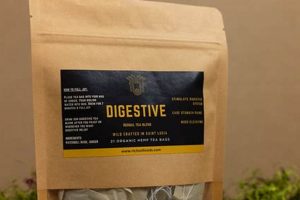
A preparation typically involves combining various dried or fresh plant materials, often selected for their perceived therapeutic properties. These components may include leaves, roots, flowers, and stems. The resulting mixture is then commonly enclosed in a porous material, such as muslin or cotton, creating a poultice-like application for external use.
The significance of this practice lies in its potential to provide localized relief or support well-being through the properties of the constituent herbs. Historically, such applications have been utilized across diverse cultures for soothing discomfort, promoting relaxation, and supporting the body’s natural healing processes. The perceived advantages stem from the potential absorption of beneficial compounds through the skin, allowing for targeted action.
The subsequent sections will delve into specific applications, preparation methods, and considerations regarding the safe and effective utilization of these plant-based applications. Further discussion will elaborate on the selection of suitable plant species, potential interactions, and appropriate storage protocols.
Guidance on the Effective Use of a Plant-Based Poultice
The following guidelines aim to provide practical information for individuals considering the utilization of a plant-based poultice as part of a wellness regimen. Careful attention to these points is recommended to maximize potential benefits and minimize any associated risks.
Tip 1: Selection of Appropriate Plant Material: Prioritize sourcing plant materials from reputable suppliers. Ensure the botanical identity and purity of each ingredient is verified to avoid potential adulteration or misidentification.
Tip 2: Formulation Considerations: Research the traditional uses and properties of each plant species included in the preparation. Consider potential synergistic or antagonistic interactions between different ingredients.
Tip 3: Preparation Techniques: Employ methods that preserve the integrity of the active compounds within the plant material. Gentle heating or steeping processes may be preferable to aggressive boiling or extraction methods.
Tip 4: Material Enclosure: Opt for natural, breathable fabrics such as unbleached cotton or muslin to contain the plant material. Synthetic materials may impede the release of beneficial compounds and potentially cause skin irritation.
Tip 5: Application Protocol: Conduct a patch test on a small area of skin before applying the poultice to a larger region. Monitor for any adverse reactions, such as redness, itching, or swelling.
Tip 6: Temperature Management: Ensure the poultice is at a comfortable temperature before application. Excessively hot applications can cause burns or discomfort. Lukewarm temperatures are generally recommended.
Tip 7: Duration of Application: Limit the application time to 15-20 minutes initially. Observe the skin for any signs of irritation and adjust the duration accordingly.
Tip 8: Post-Application Care: After removal of the poultice, gently cleanse the treated area with water. Avoid applying harsh soaps or lotions immediately following application.
These guidelines offer a framework for the informed and responsible utilization of a plant-based poultice. By adhering to these recommendations, individuals may optimize the potential benefits while mitigating potential adverse effects.
The subsequent discussion will explore the regulatory landscape surrounding herbal products and provide guidance on navigating potential legal considerations.
1. Composition

The composition of a plant-based application directly dictates its therapeutic potential and overall effectiveness. The specific selection and combination of plant materials determine the range and intensity of effects experienced upon application. A poorly formulated composition, lacking the appropriate herbs or containing adulterated ingredients, may yield negligible results or, in adverse cases, trigger unwanted reactions. For instance, a preparation intended to soothe irritated skin may inadvertently exacerbate the condition if it contains a plant species known to be allergenic or overly astringent. Conversely, a well-crafted composition, utilizing plants with complementary properties and established safety profiles, can provide targeted support for specific needs.
Real-world examples abound, illustrating the critical role of composition. Traditional applications designed to ease muscle tension often incorporate plants known for their warming and analgesic properties, such as ginger or cayenne pepper. In contrast, preparations intended to reduce inflammation may prioritize cooling and anti-inflammatory herbs, such as chamomile or calendula. The careful balance of these ingredients is essential to achieving the desired outcome. Moreover, the quality and preparation of each plant component are vital; improperly dried or stored herbs may lose their potency, diminishing the effectiveness of the overall composition. The specific ratio of each ingredient within the preparation also plays a significant role, influencing the overall therapeutic impact.
In summary, the composition of a plant-based application is not merely a list of ingredients, but rather a carefully considered formulation designed to elicit a specific therapeutic response. Challenges in this area include ensuring the authenticity and purity of plant materials, understanding the complex interactions between different herbs, and formulating preparations that are both effective and safe for the intended user. A thorough understanding of botanical properties and formulation principles is therefore paramount for maximizing the benefits and minimizing the risks associated with plant-based applications.
2. Application

The method of application directly influences the efficacy and user experience. Several factors must be considered to optimize the delivery of active compounds and ensure a safe and beneficial outcome. Different techniques cater to varying needs and desired effects.
- Topical Application
This involves direct placement onto the skin, facilitating localized absorption of beneficial compounds. Examples include poultices applied to sore muscles or compresses placed on inflamed areas. The effectiveness hinges on skin permeability and the concentration of active constituents within the formulation. Prolonged contact may enhance absorption, while occlusive dressings can further increase penetration. Skin sensitivity and potential allergic reactions must be considered.
- Inhalation
Certain volatile oils and aromatic compounds within herbal components can be inhaled for respiratory or mood-enhancing effects. This application method typically involves steaming or diffusion. The inhaled vapors interact with olfactory receptors, potentially affecting the nervous system. Examples include eucalyptus for decongestion or lavender for relaxation. Considerations include air quality and the concentration of inhaled substances.
- Compresses and Wraps
These methods involve saturating a cloth with an herbal infusion or decoction and applying it to the affected area. Compresses are typically applied for shorter durations, while wraps may remain in place for extended periods. Warm compresses can promote circulation, while cold compresses can reduce inflammation. The choice of herbal infusion and temperature depends on the specific condition being addressed. Skin integrity and the potential for maceration must be taken into account.
- Baths and Soaks
Incorporating plant material or its extracts into bathwater allows for systemic absorption through the skin. This method is particularly suited for relaxation and overall well-being. Examples include adding Epsom salts and lavender for muscle soreness or colloidal oatmeal for skin irritation. Water temperature, bath duration, and the concentration of added substances should be carefully considered to avoid adverse effects such as dehydration or skin sensitivity.
The selection of an appropriate application method should align with the intended therapeutic outcome and the specific properties of the herbal constituents. Consideration of individual factors, such as skin sensitivity and overall health status, is essential for ensuring a safe and effective experience.
3. Preparation

The preparation of a plant-based application significantly impacts its efficacy and safety. Proper preparation ensures the extraction and preservation of beneficial compounds while minimizing the risk of contamination or degradation. The following aspects outline critical considerations during the preparation process.
- Plant Material Processing
The initial processing of plant material, encompassing drying, grinding, and sifting, directly influences the extraction efficiency of active constituents. Consistent particle size facilitates uniform extraction. Proper drying techniques prevent mold growth and enzymatic degradation, preserving the integrity of the herbs. For example, air-drying herbs in a shaded, well-ventilated area is preferable to direct sunlight, which can damage sensitive compounds. The implications of improper processing include reduced potency and potential health hazards.
- Extraction Methods
The choice of extraction method determines the range of compounds extracted and the overall potency of the preparation. Infusion involves steeping plant material in hot water, suitable for water-soluble compounds. Decoction involves simmering plant material in water, often used for tougher plant parts like roots and bark. Maceration involves soaking plant material in a solvent (e.g., alcohol, vinegar) at room temperature. The selection of an appropriate extraction method should align with the chemical properties of the desired compounds and the intended application. Incorrect extraction can result in incomplete extraction or degradation of active components.
- Formulation and Blending
The formulation process involves combining extracted plant material or individual herbs in specific ratios to achieve a desired therapeutic effect. Synergistic combinations can enhance efficacy, while antagonistic combinations may diminish it. For example, combining chamomile and lavender in a poultice may promote relaxation due to their complementary properties. Careful consideration of potential interactions between different herbs is crucial. Inaccurate formulation can lead to unpredictable outcomes or adverse reactions.
- Quality Control and Storage
Quality control measures, such as visual inspection and microbial testing, are essential to ensure the safety and purity of the preparation. Proper storage conditions, including temperature, humidity, and light exposure, prevent degradation of active compounds and microbial growth. Airtight containers stored in a cool, dark place are generally recommended. Failure to implement adequate quality control and storage procedures can result in contaminated or ineffective applications.
These facets highlight the intricate relationship between preparation and the ultimate effectiveness of a plant-based poultice. A meticulous approach to each stage, from plant material processing to storage, is essential to unlock the full therapeutic potential and ensure a safe user experience.
4. Storage

The storage conditions directly and significantly affect the potency, efficacy, and safety of plant-based applications. Improper storage can lead to the degradation of active compounds, rendering the application ineffective or even harmful. Maintaining optimal storage environments is therefore paramount to preserving the intended therapeutic benefits.
- Temperature Control
Elevated temperatures accelerate the degradation of volatile oils and other heat-sensitive compounds within plant materials. Storing these preparations in cool environments slows down this process, preserving their potency. For example, tinctures containing delicate aromatic compounds should be stored away from direct sunlight and heat sources. Failure to control temperature can result in a significant reduction in therapeutic value.
- Humidity Management
Excessive humidity promotes the growth of mold and bacteria, contaminating plant materials and rendering them unsafe for use. Maintaining a dry environment prevents microbial proliferation and preserves the integrity of the preparation. Dried herbs, for instance, should be stored in airtight containers with desiccant packets in humid climates. Improper humidity control poses a significant risk of spoilage and potential health hazards.
- Light Exposure Mitigation
Exposure to light, particularly ultraviolet (UV) radiation, can degrade light-sensitive compounds within plant materials. Storing preparations in opaque or amber-colored containers minimizes light exposure and protects these vulnerable constituents. Essential oils, often packaged in dark glass bottles, exemplify this principle. Inadequate light protection diminishes the efficacy of light-sensitive preparations.
- Container Integrity
The type of container used for storage influences the stability and longevity of plant-based preparations. Airtight containers prevent oxidation and moisture absorption, preserving the integrity of the product. Glass or food-grade plastic containers are preferred over reactive materials that may leach into the preparation. Inadequate container integrity can compromise the quality and safety of the stored materials.
These interlinked factors underscore the criticality of proper storage for maintaining the quality and therapeutic efficacy of any plant-based application. Implementing appropriate storage protocols safeguards the potency and safety of these preparations, ensuring that they deliver their intended benefits when used.
5. Safety
Safety constitutes a paramount consideration in the context of any plant-based application. The inherent complexities of plant chemistry, coupled with individual variations in physiological response, necessitate a rigorous approach to risk mitigation. A thorough understanding of potential adverse effects, contraindications, and appropriate usage guidelines is essential to ensure safe and effective utilization.
- Botanical Identification and Purity
Accurate identification and verification of plant species are critical to prevent accidental use of toxic or adulterated materials. Misidentification can lead to severe adverse reactions, including allergic responses or organ damage. Reputable suppliers should provide certificates of analysis confirming the botanical identity and purity of each ingredient. For example, mistaking foxglove (Digitalis purpurea) for comfrey (Symphytum officinale) could have dire consequences due to foxglove’s potent cardiac glycosides. The implications of utilizing incorrectly identified or contaminated plants are potentially life-threatening.
- Allergenic Potential and Skin Sensitivity
Many plant species possess allergenic compounds capable of triggering hypersensitivity reactions in susceptible individuals. Conducting a patch test before widespread application is imperative to assess individual tolerance. Common allergens include ragweed, chamomile, and certain essential oils. Symptoms may range from mild skin irritation to severe anaphylaxis. Documenting potential allergic reactions and cross-reactivities is essential for informed decision-making. Failure to assess allergenic potential can result in significant discomfort and potential medical emergencies.
- Drug Interactions and Contraindications
Plant constituents can interact with prescription medications, altering their efficacy or increasing the risk of adverse effects. Certain herbs are contraindicated for individuals with specific medical conditions, such as pregnancy, breastfeeding, or liver disease. For example, St. John’s Wort (Hypericum perforatum) can interfere with the metabolism of various medications, including antidepressants and oral contraceptives. Thoroughly reviewing potential drug interactions and contraindications with a qualified healthcare professional is essential before using any plant-based application. Ignoring these considerations can lead to serious health complications.
- Dosage and Duration of Use
The concentration of active compounds and the duration of application significantly impact the safety profile of plant-based preparations. Excessive dosage or prolonged use can increase the risk of adverse effects. Adhering to recommended usage guidelines and monitoring for any signs of irritation or discomfort are crucial. For example, prolonged application of a potent poultice containing capsicum may cause skin burns. Careful control of dosage and duration is essential to minimize the potential for adverse reactions.
In conclusion, ensuring safety in the context of plant-based applications requires a comprehensive understanding of botanical properties, individual sensitivities, potential drug interactions, and appropriate usage guidelines. Implementing rigorous quality control measures, conducting thorough risk assessments, and consulting with qualified healthcare professionals are essential steps in mitigating potential harm. A proactive and informed approach to safety is paramount for maximizing the benefits and minimizing the risks associated with plant-derived preparations.
6. Purpose
The purpose underlying the formulation and application of a plant-based preparation is intrinsically linked to its efficacy and overall value. The intended outcome directly dictates the selection of specific plant materials, the method of preparation, and the mode of application. Without a clearly defined purpose, the entire process becomes arbitrary, potentially leading to suboptimal results or even adverse effects. The purpose serves as the guiding principle, ensuring that the chosen plant species and techniques align with the desired therapeutic outcome. For example, an individual seeking to alleviate muscle soreness after exercise might formulate a preparation containing arnica and Epsom salts, applied as a warm compress. The purpose, in this instance, is clear: to reduce inflammation and promote muscle relaxation, thus informing the selection of ingredients and the method of delivery. Conversely, an attempt to address the same condition with an assortment of randomly chosen herbs, without consideration for their specific properties or synergistic effects, is unlikely to yield the intended relief.
The practical significance of understanding the purpose extends beyond individual application. In traditional herbalism, the diagnostic process is often inseparable from the therapeutic intervention. Identifying the root cause of an ailment informs the selection of appropriate plant-based remedies. For instance, persistent skin irritation may stem from an underlying digestive imbalance, in which case the chosen preparation might incorporate herbs known to support liver function and detoxification, rather than solely focusing on topical treatments. This holistic approach underscores the importance of aligning the application with a broader understanding of the individual’s overall health and well-being. Furthermore, a clearly defined purpose facilitates effective communication between practitioners and individuals seeking plant-based therapies, ensuring that expectations are realistic and that potential risks are adequately addressed.
In summary, the purpose behind a plant-based preparation is not merely a superficial consideration, but rather a fundamental determinant of its success or failure. A clearly articulated purpose guides the selection of appropriate ingredients, methods, and applications, maximizing the potential benefits and minimizing the risks. While challenges remain in objectively measuring the efficacy of plant-based therapies, a purpose-driven approach provides a framework for informed decision-making, promoting responsible and effective utilization within the broader context of holistic health practices.
Frequently Asked Questions About Herbal Packs
The following questions address common inquiries and misconceptions regarding the use, composition, and safety considerations of applications involving plant-based preparations.
Question 1: What constitutes the core distinction between a commercially manufactured compress and a traditional preparation utilizing plant materials?
A fundamental difference lies in the composition and processing. Commercially produced compresses often incorporate synthetic ingredients and standardized extracts, whereas traditional approaches prioritize whole plant materials and minimally processed preparations, relying on time-tested formulations.
Question 2: Are there specific guidelines for identifying reputable sources of plant materials intended for use in plant-based applications?
Sourcing plant materials from suppliers who provide verifiable information regarding botanical identification, purity, and cultivation practices is paramount. Certification by recognized organizations and adherence to Good Agricultural and Collection Practices (GACP) are indicative of quality.
Question 3: What precautions are advisable for individuals with known allergies or sensitivities when considering the use of a plant-based poultice?
Prior to widespread application, conducting a patch test on a small area of skin is essential to assess potential allergic reactions. Individuals with known sensitivities to specific plant families or constituents should exercise extreme caution and consult with a healthcare professional.
Question 4: Is there a standardized protocol for the safe and effective application of a plant-based preparation?
While standardization is challenging due to variations in plant composition and individual responses, general guidelines include utilizing clean and appropriate materials, monitoring for adverse reactions, and adhering to recommended application times and frequencies.
Question 5: What factors influence the shelf life and proper storage of a preparation incorporating plant-derived ingredients?
Storage conditions significantly impact the stability and potency of plant-based preparations. Optimal storage involves protecting materials from light, heat, moisture, and air. Airtight containers stored in cool, dark locations are generally recommended.
Question 6: Are there regulatory considerations or legal restrictions governing the use or sale of plant-based preparations?
Regulatory frameworks vary by jurisdiction. Some plant species may be restricted or require specific labeling. Understanding and complying with local regulations is essential for both manufacturers and consumers.
Understanding these common queries can guide safer, more informed decisions regarding plant-based applications.
The subsequent section will delve into case studies illustrating the application of these methods in specific contexts.
Conclusion
This exploration has elucidated key aspects pertaining to the selection, preparation, application, and safety of a plant-based preparation. Detailed consideration of composition, application techniques, storage protocols, and potential adverse effects underscores the multifaceted nature of effectively utilizing such botanical remedies. Furthermore, an understanding of the purpose behind the preparation is paramount in achieving the desired therapeutic outcome and mitigating potential risks.
The responsible and informed utilization of a botanical preparation necessitates ongoing research, critical evaluation of available information, and adherence to established safety guidelines. Continued inquiry and a commitment to evidence-based practices will ensure that these time-honored methods are employed with both efficacy and prudence.