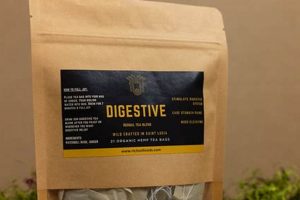
The selection of an appropriate herbal infusion to alleviate respiratory discomfort involves choosing a beverage crafted from plants known for their therapeutic properties. These teas are specifically prepared to soothe irritation, reduce inflammation, and ease the expulsion of mucus from the respiratory system, offering a natural approach to symptom management.
The significance of these remedies stems from their historical usage across various cultures. Plant-based treatments have long been recognized for their ability to provide relief from common ailments. Their value lies in the potential to address discomfort without the adverse effects associated with some pharmaceutical interventions. The appeal is further enhanced by their accessibility and relative affordability.
The subsequent sections will explore specific varieties of herbal infusions, outlining their respective properties, preparation methods, and potential benefits in relation to promoting respiratory health. Considerations regarding contraindications and potential interactions will also be addressed.
Guidance on Selecting and Using Herbal Infusions for Cough Relief
Employing herbal infusions to manage cough symptoms necessitates a thoughtful approach. The following guidelines are designed to assist in the safe and effective integration of these remedies into a holistic health regimen.
Tip 1: Identify the Cough Type: Determine whether the cough is productive (wet) or non-productive (dry). Different herbal teas are suited to each type. For instance, expectorant herbs like thyme are preferable for productive coughs, while demulcent herbs like marshmallow root are indicated for dry, irritated throats.
Tip 2: Prioritize Single-Ingredient Teas Initially: When first exploring herbal teas, begin with single-ingredient infusions. This simplifies the process of identifying potential allergens or adverse reactions. Start with well-known and commonly used herbs before experimenting with more complex blends.
Tip 3: Adhere to Recommended Dosage: Strictly follow preparation and dosage instructions provided by reputable sources. Excessive consumption of certain herbs can lead to undesirable side effects. Consult with a qualified herbalist or healthcare professional for personalized guidance.
Tip 4: Ensure Purity and Quality: Source herbs from reputable suppliers known for their commitment to quality control. Organic options are preferable to minimize exposure to pesticides and other contaminants. Check for third-party certifications to verify purity.
Tip 5: Steep Appropriately: Proper steeping is crucial for extracting beneficial compounds. Follow recommended steeping times and temperatures for each herb. Over-steeping can result in a bitter taste, while under-steeping may reduce potency.
Tip 6: Consider Potential Interactions: Be mindful of potential interactions between herbal teas and medications. Consult with a healthcare provider before using herbal remedies, particularly if already taking prescription drugs or managing underlying health conditions.
Tip 7: Monitor for Allergic Reactions: Discontinue use immediately and seek medical attention if any signs of an allergic reaction occur, such as skin rashes, itching, swelling, or difficulty breathing.
Consistent and informed use of herbal infusions can provide a valuable adjunct to conventional treatments for cough relief. However, it is imperative to prioritize safety and consult with qualified healthcare professionals when necessary.
The subsequent sections will present specific herbal options, providing more detailed information to assist in informed decision-making.
1. Herb Properties

The selection of an appropriate herbal tea to address cough symptoms is directly contingent upon the inherent properties of the herbs employed. Each herb possesses a unique biochemical profile, contributing to distinct pharmacological effects that influence respiratory function. Understanding these properties is paramount to selecting an effective remedy and mitigating potential adverse reactions.
For instance, expectorant herbs, characterized by compounds such as saponins found in licorice root, facilitate the expulsion of mucus from the respiratory tract, thus alleviating congestion associated with productive coughs. Conversely, demulcent herbs, like marshmallow root, contain mucilage that forms a protective layer over irritated mucous membranes, providing relief from dry, non-productive coughs. Anti-inflammatory herbs, such as ginger, can reduce inflammation in the airways, lessening the severity of coughs associated with bronchitis or upper respiratory infections. The efficacy of an herbal tea as a cough remedy is thus a direct consequence of the specific properties of the constituent herbs and their capacity to address the underlying mechanisms driving the cough.
In conclusion, a thorough comprehension of herbal properties is indispensable for determining the suitability of a particular herbal tea for cough relief. Careful consideration of the herb’s mechanism of action, potential contraindications, and interactions with other medications ensures both therapeutic benefit and patient safety. A nuanced approach, informed by scientific understanding of herbal pharmacology, is crucial for the effective utilization of these natural remedies.
2. Cough Type

The selection of the most suitable herbal tea for cough relief is inextricably linked to the etiology and characteristics of the cough itself. Coughs manifest in diverse forms, each arising from distinct underlying physiological processes. Accurately identifying the specific cough type is, therefore, paramount to ensuring the chosen herbal remedy addresses the root cause effectively. A misdiagnosis of the cough type can lead to the selection of an inappropriate herbal tea, potentially exacerbating symptoms or providing only marginal relief.
For example, a productive cough, characterized by the expulsion of mucus or phlegm, often indicates a respiratory infection. In such cases, herbal teas containing expectorant herbs, such as thyme or eucalyptus, are typically recommended. These herbs promote the loosening and expulsion of mucus, thereby clearing the airways and easing the cough. Conversely, a dry, non-productive cough, often associated with irritation or inflammation of the upper respiratory tract, necessitates a different approach. Demulcent herbs, such as marshmallow root or licorice root, are preferred for their soothing properties. These herbs form a protective layer over the irritated mucous membranes, reducing inflammation and alleviating the urge to cough. Similarly, coughs triggered by allergies may benefit from herbal teas containing anti-inflammatory or antihistamine properties, such as chamomile or nettle. The inappropriate use of expectorant herbs for a dry cough could further irritate the throat, while demulcent herbs would provide little benefit for a productive cough requiring mucus clearance.
In conclusion, the efficacy of any herbal tea as a cough remedy is directly proportional to the accuracy of the cough type diagnosis. Recognizing the specific characteristics of the cough, including its productive or non-productive nature, its association with infection or allergy, and any accompanying symptoms, is essential for selecting an herbal tea with properties aligned to address the underlying cause. This targeted approach maximizes the potential for therapeutic benefit and minimizes the risk of adverse effects, underscoring the practical significance of understanding the connection between cough type and herbal tea selection.
3. Preparation Method
The efficacy of herbal teas in alleviating cough symptoms is intrinsically linked to the specific preparation method employed. Improper preparation can diminish the extraction of therapeutic compounds, rendering the infusion less effective, while appropriate techniques optimize the release of beneficial constituents, maximizing potential relief.
- Water Temperature
Water temperature plays a critical role in the extraction of volatile oils and other therapeutic compounds from herbs. Overly hot water can degrade delicate compounds, particularly those found in aromatic herbs, while water that is too cool may not adequately extract beneficial constituents. For most herbal teas, a temperature just below boiling (approximately 200-212F or 93-100C) is recommended. Delicate herbs, such as chamomile, may benefit from slightly cooler water to preserve their aromatic qualities. The optimal temperature ensures both extraction and preservation of active compounds.
- Steeping Time
Steeping time directly influences the concentration of therapeutic compounds released into the infusion. Insufficient steeping results in a weak tea with reduced efficacy, while excessive steeping can lead to a bitter or unpleasant taste due to the extraction of tannins. Generally, a steeping time of 5-10 minutes is recommended for most herbal teas intended to address cough symptoms. However, certain herbs, such as roots or barks, may require longer steeping times (up to 15-20 minutes) to fully extract their active constituents. Consistent adherence to recommended steeping times is crucial for achieving desired therapeutic effects.
- Herb Quantity
The amount of herb used directly affects the potency of the resulting tea. Insufficient herb quantity yields a weak infusion, while excessive use can result in an overly concentrated tea that may cause adverse effects or an unpalatable taste. A general guideline is 1-2 teaspoons of dried herb per cup of water. However, specific recommendations may vary depending on the herb and the desired therapeutic effect. Precision in herb quantity ensures consistent and predictable results.
- Covering During Steeping
Covering the tea while steeping is essential for preventing the escape of volatile oils and other aromatic compounds. These compounds contribute significantly to the therapeutic benefits of certain herbs, particularly those with expectorant or decongestant properties. Covering the tea traps these volatile constituents, allowing them to condense back into the infusion and enhance its overall efficacy. Failure to cover the tea during steeping can result in a significant loss of these beneficial compounds, diminishing the tea’s potential to alleviate cough symptoms.
Ultimately, the selection of an “best herbal tea for cough” is only as effective as the method by which it is prepared. Attention to water temperature, steeping time, herb quantity, and covering practices are all essential components of a successful preparation, maximizing the potential for therapeutic benefit and contributing to effective symptom management.
4. Potential Interactions

The selection of herbal teas for cough relief necessitates a thorough understanding of potential interactions with pharmaceuticals and pre-existing health conditions. Adverse effects can arise from synergistic or antagonistic relationships between herbal constituents and conventional medications, altering drug metabolism or exacerbating underlying conditions. The absence of awareness regarding these interactions can compromise patient safety and diminish therapeutic efficacy. For example, individuals taking anticoagulants, such as warfarin, should exercise caution when consuming herbal teas containing high levels of coumarin, a compound found in herbs like chamomile and licorice root. Coumarin possesses anticoagulant properties, potentially augmenting the effects of warfarin and increasing the risk of bleeding complications. Similarly, patients with hypertension should avoid herbal teas containing glycyrrhizic acid, a compound present in licorice root, as it can elevate blood pressure.
Moreover, certain herbal teas can affect the cytochrome P450 enzyme system, a group of enzymes responsible for metabolizing numerous drugs in the liver. Inhibiting or inducing these enzymes can alter drug concentrations in the bloodstream, leading to either reduced therapeutic effects or increased toxicity. For instance, St. John’s Wort, although not typically used for cough relief, is a potent inducer of CYP3A4, an enzyme involved in the metabolism of many medications, including oral contraceptives and certain antidepressants. Concurrent use of St. John’s Wort with these medications can decrease their effectiveness. Furthermore, individuals with allergies or sensitivities should exercise caution when selecting herbal teas. Allergic reactions to certain herbs can manifest as skin rashes, itching, swelling, or difficulty breathing. Individuals with known allergies to plants in the Asteraceae family, such as ragweed, should avoid chamomile tea due to potential cross-reactivity. It is imperative to obtain a comprehensive medical history, including information on all medications, supplements, and allergies, prior to recommending or consuming any herbal tea for cough relief.
In conclusion, the consideration of potential interactions is a critical component of responsible herbal tea usage. Prioritizing patient safety necessitates a thorough assessment of individual medical history and concurrent medication use. Healthcare providers and individuals alike must recognize the potential for interactions between herbal constituents and conventional drugs or underlying health conditions. Informed decision-making, guided by evidence-based information and professional consultation, is essential to mitigate risks and optimize the therapeutic benefits of herbal teas in cough management.
5. Quality Sourcing

The efficacy and safety of any herbal tea intended for cough relief are inextricably linked to the quality of its source. The origin, cultivation, and processing of herbs profoundly impact their therapeutic properties and potential for contamination, making quality sourcing a paramount consideration in identifying the most effective herbal remedies.
- Geographic Origin and Growing Conditions
The geographic origin of herbs significantly influences their chemical composition. Soil composition, climate, and altitude affect the concentration of active compounds within the plant. Herbs grown in environments conducive to their optimal development exhibit higher levels of therapeutic constituents. Organic cultivation practices, which eschew synthetic pesticides and fertilizers, further enhance quality by minimizing the risk of contamination. For instance, chamomile cultivated in regions with low environmental pollution and using organic methods will likely yield a tea with superior anti-inflammatory properties and reduced potential for adverse reactions.
- Harvesting and Handling Procedures
The timing and method of harvesting herbs are critical to preserving their medicinal value. Harvesting at peak potency, when the concentration of active compounds is at its highest, ensures optimal therapeutic potential. Gentle handling during harvesting and subsequent processing minimizes damage to plant tissues, preventing degradation of valuable constituents. Proper drying and storage techniques, such as air-drying in a controlled environment and storing herbs in airtight containers away from light and moisture, further preserve quality and prevent spoilage.
- Authentication and Purity Testing
Authenticating the species of herb is crucial to prevent adulteration and ensure that the intended therapeutic properties are present. Misidentification of herbs can lead to ineffective treatment or, in some cases, adverse reactions. Purity testing, including analysis for heavy metals, pesticides, and microbial contaminants, is essential to guarantee the safety of the herbal tea. Reputable suppliers conduct rigorous testing using validated analytical methods to verify the identity and purity of their products, providing assurance of quality and safety.
- Supplier Transparency and Certifications
Transparency in sourcing practices and adherence to recognized quality standards are hallmarks of reputable suppliers. Traceability of herbs from the field to the final product allows consumers to make informed choices. Certifications such as USDA Organic, Good Agricultural and Collection Practices (GACP), and Good Manufacturing Practices (GMP) provide independent verification of quality and safety. Suppliers who openly share information about their sourcing and manufacturing processes demonstrate a commitment to quality and ethical practices.
In conclusion, quality sourcing is not merely a desirable attribute but a fundamental requirement for selecting the “best herbal tea for cough”. Prioritizing herbs from reputable suppliers who adhere to stringent quality control measures ensures that the resulting tea is both effective and safe, maximizing its potential to alleviate cough symptoms and promote respiratory health.
6. Dosage Control

Dosage control is a critical determinant in the efficacy and safety of herbal teas employed for cough relief. Precise regulation of the quantity of herb and frequency of consumption directly influences therapeutic outcomes, necessitating careful consideration of individual factors and potential adverse effects.
- Herb Concentration
The quantity of herb used in relation to the volume of water defines the concentration of active compounds in the resulting tea. Subtherapeutic concentrations may fail to elicit a beneficial response, while excessive concentrations can lead to adverse effects, such as gastrointestinal distress or central nervous system stimulation. For instance, licorice root, while effective as an expectorant, can elevate blood pressure if consumed in excessive concentrations. Adherence to recommended ratios of herb to water is, therefore, essential for achieving a balance between therapeutic efficacy and safety. Standardized herbal preparations offer a more predictable concentration of active compounds, mitigating the variability associated with homemade infusions.
- Frequency and Duration of Consumption
The frequency with which an herbal tea is consumed and the duration over which it is administered influence its cumulative effect on the body. Frequent consumption of certain herbal teas, even at appropriate concentrations, can lead to accumulation of active compounds, potentially resulting in toxicity. For example, prolonged use of senna tea, a potent laxative, can lead to electrolyte imbalances and dependence. Short-term, intermittent use is generally preferable for most herbal teas intended for cough relief, with careful monitoring for any adverse effects. Individuals with pre-existing health conditions or those taking medications require even greater vigilance, as interactions can be exacerbated by frequent or prolonged consumption.
- Individual Variability
Physiological factors such as age, weight, and metabolic rate significantly influence the appropriate dosage of herbal teas. Children, pregnant women, and the elderly are particularly susceptible to the effects of herbal constituents, requiring lower dosages than healthy adults. Genetic variations in drug-metabolizing enzymes can also impact the rate at which active compounds are processed, influencing both efficacy and the risk of adverse effects. Consideration of individual variability is, therefore, essential for personalizing dosage recommendations and ensuring safe and effective use of herbal teas.
- Monitoring and Adjustment
Regular monitoring of symptoms and any associated side effects is crucial for optimizing dosage control. An initial low dose, followed by gradual increases as needed, allows for assessment of individual response and identification of potential adverse reactions. If symptoms worsen or unexpected side effects occur, dosage should be reduced or discontinued. Consulting with a qualified healthcare professional or herbalist is advisable for guidance on dosage adjustments and monitoring for potential interactions.
In summary, effective dosage control is paramount to maximizing the therapeutic benefits and minimizing the risks associated with herbal teas for cough relief. Consideration of herb concentration, frequency and duration of consumption, individual variability, and regular monitoring are all essential components of responsible herbal tea usage. A personalized approach, guided by professional expertise, is essential for optimizing outcomes and ensuring patient safety.
Frequently Asked Questions
The following section addresses common inquiries regarding the use of herbal infusions for cough symptom management. Information presented aims to provide clarity and evidence-based guidance.
Question 1: Are herbal teas a substitute for conventional medical treatment for coughs?
Herbal teas should not be considered a replacement for conventional medical care. Individuals experiencing persistent or severe coughs should consult a healthcare professional for proper diagnosis and treatment. Herbal teas may serve as a complementary therapy to alleviate symptoms, but they do not address underlying medical conditions requiring specific intervention.
Question 2: How quickly can one expect to experience relief from cough symptoms after consuming herbal tea?
The onset of symptom relief varies depending on the individual, the type of cough, and the specific herbs utilized. Some individuals may experience noticeable relief within a few hours of consuming the tea, while others may require several days of consistent use. It is essential to adhere to recommended dosages and preparation methods for optimal results.
Question 3: Are there specific populations that should avoid consuming herbal teas for cough?
Certain populations, including pregnant and breastfeeding women, infants, and individuals with specific medical conditions, should exercise caution when consuming herbal teas. Some herbs may possess contraindications or interact with medications, posing potential risks to these vulnerable groups. Consultation with a healthcare professional is advisable before initiating herbal tea consumption.
Question 4: How can one differentiate between a beneficial effect and an adverse reaction to an herbal tea?
A beneficial effect typically manifests as a reduction in cough frequency or severity, improved mucus expectoration, or a soothing sensation in the throat. Adverse reactions may include skin rashes, itching, gastrointestinal upset, or difficulty breathing. Discontinuation of use is recommended if any adverse effects occur.
Question 5: Do all herbal teas require the addition of honey or lemon for cough relief?
The addition of honey or lemon is not a mandatory requirement for all herbal teas intended for cough relief. However, honey possesses demulcent properties that can soothe irritated throats, while lemon provides vitamin C and enhances the flavor of the tea. These additions are optional and depend on individual preferences.
Question 6: Can herbal teas be safely consumed alongside over-the-counter cough medications?
The concurrent use of herbal teas and over-the-counter cough medications may pose potential risks due to overlapping mechanisms of action or potential interactions. Consulting with a healthcare professional or pharmacist is essential to ensure the safety and efficacy of combining these therapies.
Key takeaways emphasize the importance of consulting healthcare professionals for persistent coughs, understanding individual responses to herbal teas, and being aware of potential contraindications and interactions.
The subsequent section will offer a concise summary of the key points discussed in this article.
Conclusion
The preceding discussion has explored diverse facets relevant to the selection of the best herbal tea for cough, encompassing herb properties, cough types, preparation methodologies, potential interactions, quality sourcing, and dosage control. Each factor contributes significantly to the efficacy and safety of herbal infusions as a means of alleviating cough symptoms. A comprehensive understanding of these elements is paramount for informed decision-making.
The informed and responsible utilization of herbal teas can offer valuable adjunctive support in managing cough symptoms. However, it is crucial to recognize the limitations of these remedies and to seek professional medical advice for persistent or severe conditions. Prioritizing evidence-based knowledge and individualized care ensures optimal outcomes and the safeguarding of patient well-being.