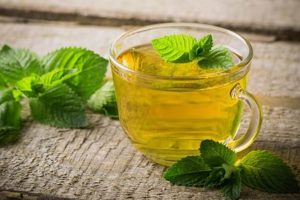
A beverage crafted from the infusion of various plants, often consumed warm, it is intended to support the body’s natural processes in breaking down food. Common ingredients include peppermint, ginger, chamomile, and fennel, each selected for their perceived effects on the gastrointestinal system. For example, a cup consumed after a meal might be used to alleviate bloating or discomfort.
The value of such infusions lies in their potential to promote healthy gut function. Historically, these blends have been employed across cultures to ease common digestive complaints. Certain herbs are believed to possess properties that can soothe the stomach, reduce gas, or stimulate bile production, thereby contributing to more efficient food processing and nutrient absorption.
Subsequent sections will delve into the specific botanical components frequently utilized in these blends, examining their purported mechanisms of action and exploring the available evidence supporting their use. Further discussion will address considerations for safe and effective consumption, as well as potential interactions with medications or pre-existing conditions.
Considerations for Optimal Use
This section outlines important recommendations for incorporating the beverage into a wellness regimen.
Tip 1: Select Ingredients Based on Need: Different botanicals address varying digestive concerns. Peppermint may soothe muscles, while ginger can aid motility. Choose a blend reflecting specific symptoms.
Tip 2: Ensure Ingredient Quality: Opt for reputable brands utilizing organic or sustainably sourced plants. This minimizes exposure to pesticides and ensures the potency of the herbs.
Tip 3: Prepare Properly: Follow steeping instructions carefully. Over-steeping can lead to a bitter taste, while under-steeping may result in insufficient extraction of beneficial compounds.
Tip 4: Consume at Optimal Times: Drinking after meals is often recommended to assist in the digestive process. However, individuals may experiment to determine the timing that best suits their needs.
Tip 5: Monitor for Adverse Reactions: While generally safe, some individuals may experience allergies or sensitivities to certain herbs. Discontinue use if any unwanted effects occur.
Tip 6: Consult a Healthcare Professional: Individuals with pre-existing digestive conditions or those taking medications should seek guidance before incorporating such beverages into their routine.
Tip 7: Integrate as Part of a Holistic Approach: This beverage is not a substitute for a balanced diet and healthy lifestyle. Maximize its benefits by combining it with other positive habits.
The mindful application of these suggestions can enhance the potential benefits of incorporating the beverage into a daily routine.
The following section provides a discussion of potential contraindications and safety precautions.
1. Herb Sourcing

The origin of herbs used in preparations significantly influences their overall quality and potential efficacy. Factors relating to cultivation, harvesting, and processing directly impact the presence and concentration of active compounds, which contribute to the intended digestive benefits.
- Geographic Location and Climate
The environment in which herbs are grown, including soil composition, temperature, and rainfall, affects their chemical makeup. For instance, chamomile grown in specific regions may exhibit higher concentrations of compounds known for their calming effects on the digestive system. Variations due to locale should be considered when assessing potential benefits.
- Cultivation Practices
Conventional agriculture often employs pesticides and herbicides, which can contaminate the final product. Organic farming, conversely, restricts these substances, leading to a purer end product. Sustainable cultivation practices also contribute to soil health and biodiversity, potentially enhancing the quality of the herbs. Examples include the presence of heavy metals or pesticide residue.
- Harvesting Methods
The timing and method of harvesting impact the concentration of active compounds. Herbs harvested at their peak potency, often determined by visual inspection or chemical analysis, will yield a more effective infusion. Proper drying and storage techniques are also critical to prevent degradation and preserve beneficial constituents, examples like manual harvesting versus mechanical harvesting which can affect the herb’s integrity.
- Processing and Handling
Post-harvest processing, including drying, cutting, and packaging, must be carefully managed to maintain quality. Improper handling can lead to contamination, degradation, or loss of active compounds. Certified processing facilities adhering to strict quality control standards are preferable to ensure a consistent and reliable product, for instance, grinding too finely can release essential oils prematurely.
Therefore, selecting products derived from transparent and reputable sources is crucial. This includes considering the geographical origin, cultivation methods, harvesting practices, and processing techniques. Careful attention to these aspects can enhance the likelihood of obtaining a product that delivers the intended digestive benefits and minimizes potential risks.
2. Specific Botanicals

The efficacy of blends is intrinsically linked to the specific botanicals incorporated into the formulation. Each plant possesses a unique profile of chemical compounds that interact with the human digestive system in distinct ways. Consequently, the careful selection of botanicals is paramount to achieving the desired therapeutic effect. For instance, peppermint, due to the presence of menthol, is known to relax smooth muscles in the gastrointestinal tract, alleviating symptoms of bloating and cramping. Conversely, ginger, containing gingerol, exhibits prokinetic properties, promoting gastric emptying and reducing nausea. Understanding the individual actions of each botanical enables the creation of targeted formulations designed to address specific digestive complaints.
Real-world examples demonstrate the practical significance of this understanding. A blend formulated with chamomile, known for its anti-inflammatory and antispasmodic properties, may be beneficial for individuals experiencing irritable bowel syndrome (IBS) characterized by abdominal pain and discomfort. Similarly, a formulation containing fennel, traditionally used to reduce gas and bloating, might be more suitable for individuals experiencing postprandial distension. The ability to differentiate between the effects of various botanicals allows for personalized recommendations based on individual symptoms and needs. Ignoring this specificity and relying on generic blends may result in suboptimal outcomes or even exacerbate certain digestive issues.
In conclusion, the choice of specific botanicals represents a critical determinant of the overall effectiveness. A targeted approach, informed by a thorough understanding of each plant’s unique properties, is essential for maximizing the therapeutic benefits and minimizing potential adverse effects. The key insight is that the quality of a “digestive herbal tea” is directly influenced by the quality of the specific botanicals and how those botanicals address a given digestive issue.
3. Preparation Methods

The method of preparation employed to create infusions directly impacts the extraction of bioactive compounds from the constituent herbs. Variables such as water temperature, steeping time, and the use of specific brewing vessels influence the final concentration and composition of the beverage. Improper preparation may lead to insufficient extraction of beneficial substances, thereby reducing the therapeutic potential. For instance, using water that is too hot may degrade volatile oils present in certain herbs, diminishing their aroma and potential digestive benefits. Conversely, insufficient steeping may result in incomplete extraction, leaving valuable compounds untapped within the plant material. The choice of brewing vessel can also play a role, with some materials potentially interacting with the herbal constituents and altering the final product.
Practical examples illustrate the importance of precise preparation. Chamomile, frequently used for its calming effects, requires a specific steeping time to release its active compounds without extracting excessive bitterness. Ginger, known for its prokinetic properties, benefits from a longer steeping period to maximize the extraction of gingerol. Variations in preparation can lead to inconsistent results, making it difficult to assess the true efficacy of the beverage. Furthermore, incorrect methods can sometimes introduce undesirable compounds or alter the flavor profile, affecting palatability and overall consumer satisfaction. Some individuals use cold brew methods with some herbs which extract different compounds and have different health benefits.
In summary, preparation methods constitute a critical factor in determining the quality and effectiveness of a “digestive herbal tea”. Adherence to recommended guidelines regarding water temperature, steeping time, and brewing techniques is essential for optimizing the extraction of beneficial compounds and ensuring a consistent and palatable final product. Standardized preparation protocols are crucial for both consumers and researchers seeking to accurately evaluate the therapeutic potential of these blends. Neglecting this aspect undermines the overall value and may negate the intended benefits.
4. Potential Benefits
Consumption of infusions prepared from specific herbs is frequently associated with a range of perceived digestive benefits. These purported advantages stem from the inherent properties of the constituent plants and their interactions with the gastrointestinal system. However, it is imperative to acknowledge that scientific evidence supporting these claims varies, and further rigorous research is often required to substantiate anecdotal reports.
- Reduction of Bloating and Gas
Certain botanicals, such as peppermint and fennel, are traditionally employed to alleviate symptoms of bloating and gas. These herbs are believed to possess carminative properties, which help to reduce the formation of gas in the digestive tract and promote its expulsion. For example, individuals experiencing postprandial distension may find relief through the consumption of a fennel infusion, which can aid in the breakdown of food and the reduction of trapped gas. The effectiveness of these herbs can vary depending on individual sensitivities and the underlying causes of gas and bloating.
- Soothing of Gastrointestinal Discomfort
Herbs like chamomile and ginger are often cited for their ability to soothe gastrointestinal discomfort, including symptoms such as nausea, cramping, and indigestion. Chamomile contains compounds with anti-inflammatory and antispasmodic properties, potentially reducing muscle spasms and inflammation in the digestive tract. Ginger, on the other hand, has been shown to have antiemetic effects, reducing nausea and promoting gastric motility. Individuals experiencing mild indigestion or nausea due to travel or dietary changes might find relief through the consumption of these infusions, providing a calming effect on the digestive system.
- Improved Digestion and Nutrient Absorption
Some infusions are suggested to promote improved digestion and nutrient absorption by stimulating the production of digestive enzymes and bile. For instance, dandelion root is thought to act as a mild bitter, stimulating the secretion of gastric juices and bile, which aids in the breakdown of fats and proteins. Similarly, artichoke leaf extract has been shown to support liver function and promote bile flow, potentially enhancing nutrient absorption. Regular consumption of these infusions, as part of a balanced diet, may contribute to more efficient digestion and nutrient uptake, supporting overall health.
- Regulation of Bowel Movements
Specific herbal blends are believed to contribute to the regulation of bowel movements, alleviating both constipation and diarrhea. For example, senna is a potent laxative that stimulates bowel movements, often used for short-term relief of constipation. In contrast, psyllium husk, a soluble fiber, can help to regulate bowel movements by adding bulk to the stool and promoting regularity. However, the use of senna should be approached with caution, as prolonged use can lead to dependency and electrolyte imbalances. A balanced approach, incorporating fiber-rich foods and adequate hydration, is generally recommended for long-term bowel health.
These potential benefits highlight the diverse applications of herbal infusions in supporting digestive health. While further research is warranted to fully elucidate the mechanisms of action and validate the efficacy of specific herbal blends, the traditional use of these beverages suggests a potential role in promoting overall well-being. The choice of specific herbs and their preparation should be tailored to individual needs and preferences, and consultation with a healthcare professional is advised, especially for individuals with pre-existing medical conditions or those taking medications.
5. Safety Profiles
The safety profile of infusions is paramount, directly impacting their suitability for consumption. Concerns regarding adverse reactions, interactions with medications, and contraindications for specific populations necessitate a thorough understanding of potential risks. The inherent complexity arises from the diverse chemical compositions of the constituent herbs, some possessing compounds that may elicit unintended consequences. Failure to adequately consider safety profiles can result in adverse health outcomes, thereby negating any potential benefits associated with the beverage.
Real-world examples underscore the significance of this understanding. Individuals taking anticoagulant medications must exercise caution with certain herbs, such as chamomile, due to its potential to enhance the effects of these drugs, increasing the risk of bleeding. Similarly, pregnant women should avoid specific herbs, like senna, due to their potential to stimulate uterine contractions. Individuals with allergies to plants in the Asteraceae family, such as ragweed, may also experience allergic reactions to chamomile. Knowledge of such interactions and contraindications is essential for mitigating potential harm. Products sourced from unreliable suppliers may contain contaminants, such as heavy metals or pesticides, further compromising safety and necessitating rigorous quality control measures.
In summary, evaluating the safety profiles of blends is a critical component of responsible consumption. Comprehension of potential adverse reactions, drug interactions, and contraindications is imperative for ensuring the well-being of consumers. Prior to incorporating these beverages into a routine, individuals, particularly those with pre-existing medical conditions or those taking medications, should seek professional medical advice. The absence of comprehensive safety data for certain herbs necessitates a cautious approach, emphasizing the importance of informed decision-making and prioritizing the health of the individual. Neglecting safety considerations undermines the potential therapeutic benefits and introduces unnecessary risk.
Frequently Asked Questions
This section addresses common inquiries regarding the consumption and application of herbal infusions intended to support digestive health.
Question 1: What specific digestive issues can be addressed through the consumption of “digestive herbal tea?”
Certain herbal blends are formulated to alleviate bloating, gas, indigestion, and mild constipation. The specific efficacy is dependent upon the included botanical ingredients and the individual’s physiological response.
Question 2: Are there potential side effects associated with consuming “digestive herbal tea?”
While generally considered safe, some individuals may experience allergic reactions or gastrointestinal discomfort. Certain herbs can interact with medications. Consultation with a healthcare professional is recommended prior to consumption, especially for individuals with pre-existing medical conditions.
Question 3: How frequently should “digestive herbal tea” be consumed to experience noticeable benefits?
Consumption frequency varies depending on the individual’s needs and the specific blend. A single serving after meals may provide relief for some, while others may require daily consumption for sustained benefits. It is advisable to start with a moderate intake and adjust as needed.
Question 4: Is the term “digestive herbal tea” regulated, ensuring consistent quality and ingredient standards?
The term is not universally regulated. Product quality and ingredient sourcing vary significantly among manufacturers. Selecting products from reputable brands that adhere to strict quality control measures is essential.
Question 5: Can “digestive herbal tea” replace conventional medical treatments for digestive disorders?
It should not be considered a replacement for conventional medical treatments. It can be a complementary therapy to support overall digestive health, but medical conditions require diagnosis and treatment by qualified healthcare professionals.
Question 6: What factors should be considered when selecting a “digestive herbal tea” blend?
Consider ingredient sourcing, the specific botanicals included, and any known allergies or sensitivities. Research the manufacturer’s reputation and quality control practices. Opt for blends that are formulated to address specific digestive concerns.
These FAQs provide a foundational understanding of key aspects concerning consumption. Always consult with a healthcare professional before making significant dietary changes.
The subsequent section provides concluding remarks summarizing the key points discussed in this article.
Concluding Remarks on Digestive Herbal Tea
This article has presented a comprehensive examination of “digestive herbal tea,” encompassing its definition, botanical components, preparation methods, potential benefits, and safety considerations. The analysis emphasizes the importance of informed decision-making when selecting and consuming such products. Factors such as herb sourcing, specific botanicals, and preparation techniques significantly influence the efficacy and safety of these beverages.
The potential of “digestive herbal tea” to support gastrointestinal well-being warrants further investigation through rigorous scientific research. While anecdotal evidence and traditional use suggest potential benefits, a thorough understanding of the mechanisms of action and the identification of optimal formulations remains a priority. Prudent use, coupled with consultation with qualified healthcare professionals, is essential to ensure both safety and efficacy in utilizing this resource.