This beverage is created through the infusion of peppermint leaves in hot water. It is caffeine-free and known for its refreshing taste and aromatic scent, deriving from the menthol compounds present in the peppermint plant. The resulting liquid offers a stimulating yet calming experience.
Its consumption has been associated with various advantages, including easing digestive discomfort, alleviating tension headaches, and potentially improving focus. Historically, peppermint has been used for medicinal purposes in cultures around the world, with records indicating its utilization dating back centuries. These uses contribute to its continuing popularity as a soothing and healthful drink.
The subsequent sections will explore the specific chemical composition, potential side effects, preparation methods, and diverse applications associated with this popular infusion, providing a deeper understanding of its properties and usage.
Preparation and Consumption Tips
Optimizing the experience of consuming this infusion involves attention to several factors that enhance its flavor and benefits. Careful preparation and mindful consumption can yield the most desirable outcomes.
Tip 1: Leaf Quality Matters: Employ high-quality, dried peppermint leaves for a more potent and flavorful infusion. The grade of the leaves significantly impacts the resulting taste and aroma.
Tip 2: Water Temperature is Key: Use water that is just below boiling point (around 200-212F or 93-100C). Overly hot water can scorch the leaves, leading to a bitter taste.
Tip 3: Steeping Time Adjustments: Steep the leaves for 5-7 minutes. Longer steeping times intensify the flavor but can also result in a stronger, potentially more astringent taste. Adjust the duration to personal preference.
Tip 4: Strain Thoroughly: Ensure complete removal of the leaves after steeping to prevent over-extraction and maintain a smooth texture.
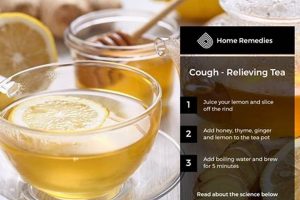
Tip 5: Consider Adjuvants: Enhance the flavor profile by incorporating a small amount of honey or lemon, if desired. These additions can complement the natural minty notes.
Tip 6: Storage Considerations: Store dried peppermint leaves in an airtight container, away from direct sunlight and moisture, to preserve their freshness and potency.
Tip 7: Moderation is Advised: While generally safe, excessive consumption may cause adverse effects in some individuals. Limit intake to a reasonable amount per day.
By adhering to these guidelines, individuals can maximize the enjoyment and potential advantages derived from drinking this healthful beverage. Attention to detail in preparation and mindful consumption are paramount.
The subsequent sections will delve into specific recipes and potential applications beyond simple consumption, further expanding understanding of this versatile herbal remedy.
1. Botanical Source

The botanical source of peppermint herbal tea is Mentha piperita, a hybrid mint resulting from a cross between watermint ( Mentha aquatica) and spearmint ( Mentha spicata). This specific genetic lineage is crucial because it dictates the plant’s unique chemical profile, which directly translates to the tea’s characteristic properties. For instance, the level of menthol and menthone, key components responsible for peppermint’s distinctive aroma and therapeutic effects, is determined by the Mentha piperita variety and its cultivation conditions. Without Mentha piperita as the base ingredient, a product labeled as peppermint herbal tea would lack the expected sensory qualities and potential benefits.
Different cultivars of Mentha piperita exist, each exhibiting slightly varying concentrations of essential oils. These variations can lead to subtle differences in the tea’s flavor profile and intensity. For instance, peppermint grown in specific geographic locations may possess a higher menthol content due to soil composition and climate, resulting in a more potent and cooling beverage. Understanding the botanical source allows consumers and producers to select and cultivate specific varieties tailored to desired characteristics. A real-life example of this is the selective breeding of Mentha piperita strains for higher oil yield in commercial peppermint production.
In summary, the precise botanical origin of peppermint herbal tea is not merely a matter of taxonomic classification but a fundamental determinant of its chemical composition, organoleptic properties, and potential therapeutic value. Understanding the importance of Mentha piperita allows for informed decision-making regarding sourcing, cultivation, and quality control, ensuring the production of a genuine and effective peppermint infusion.
2. Chemical Composition

The chemical composition of peppermint herbal tea dictates its observed properties and potential effects. Infusion of Mentha piperita releases a complex mixture of volatile and non-volatile compounds into the water, the most prominent of which are menthol and menthone. Menthol, typically constituting 30-55% of the essential oil, contributes significantly to the cooling sensation and characteristic aroma. Menthone, present in concentrations ranging from 10-30%, provides a secondary minty note that balances the intensity of menthol. The presence and ratio of these compounds directly influence the tea’s perceived freshness and its potential analgesic or antispasmodic activity. For example, peppermint oil with a higher menthol concentration may exhibit more pronounced muscle-relaxant effects, whereas oil with a balanced menthol-menthone ratio might be preferred for its overall aroma and flavor profile.
Beyond menthol and menthone, peppermint herbal tea contains other notable compounds such as menthyl acetate, 1,8-cineole, limonene, and various flavonoids and phenolic acids. Menthyl acetate contributes a subtle fruity note to the aroma, while 1,8-cineole (eucalyptol) adds a camphoraceous element. Limonene, commonly found in citrus fruits, provides a bright, uplifting nuance. The flavonoids and phenolic acids, although present in lower concentrations, contribute to the tea’s antioxidant properties and may play a role in reducing oxidative stress. The specific concentration of each compound is influenced by factors such as plant variety, growing conditions, and the drying and storage methods employed prior to infusion. An example is the use of controlled drying environments to minimize the loss of volatile oils, thus preserving the tea’s aromatic potency.
In conclusion, a detailed understanding of the chemical composition of peppermint herbal tea is essential for appreciating its nuanced flavor profile and potential health benefits. The interplay between menthol, menthone, and other constituents creates a unique sensory experience. Furthermore, the presence of flavonoids and phenolic acids confers antioxidant properties. The variability in chemical composition due to factors such as plant variety and processing techniques emphasizes the importance of quality control and standardization in the production of peppermint herbal tea to ensure consistent product characteristics and therapeutic efficacy.
3. Aromatic Profile

The aromatic profile is an indispensable component of peppermint herbal tea, significantly influencing its perceived quality and therapeutic efficacy. The distinctive scent, primarily attributed to the volatile organic compounds within the Mentha piperita leaves, serves as an initial indicator of the tea’s strength and character. The principal aromatic constituents, menthol and menthone, interact synergistically to create a cooling, refreshing, and slightly sweet fragrance. A well-defined aromatic profile signifies the presence of high-quality peppermint leaves and proper harvesting and drying techniques. For instance, a tea exhibiting a faint or musty odor may indicate degraded leaves or improper storage, diminishing its appeal and potentially reducing its beneficial properties. The volatile oils, responsible for the aroma, are also linked to specific physiological effects, such as nasal decongestion and relaxation, further emphasizing the connection between scent and therapeutic application.
The aromatic profile not only contributes to the sensory experience but also plays a crucial role in determining the tea’s application in aromatherapy. Steam inhalation of peppermint herbal tea can provide relief from congestion due to its decongestant qualities linked to the inhalation of menthol. The aroma stimulates receptors in the olfactory system, which in turn can influence mood and cognitive function. Examples of practical applications include its utilization in aromatherapy diffusers or as a component of steam treatments for respiratory ailments. The intensity and complexity of the aromatic profile serve as important parameters for these therapeutic purposes.
In summary, the aromatic profile of peppermint herbal tea is a critical indicator of its quality, therapeutic potential, and sensory appeal. The presence of key aromatic compounds, such as menthol and menthone, directly affects both the perceived experience and potential physiological benefits. Variations in the aromatic profile can reflect differences in leaf quality, processing techniques, and storage conditions. A thorough understanding of this connection is essential for both consumers seeking a high-quality product and practitioners utilizing peppermint tea for therapeutic purposes. The aromatic dimension represents an integral facet of the overall peppermint herbal tea experience, meriting careful consideration.
4. Therapeutic Properties

The therapeutic properties associated with peppermint herbal tea are directly linked to its chemical composition and subsequent physiological effects. The presence of menthol and menthone, among other compounds, confers specific attributes such as antispasmodic, analgesic, and anti-inflammatory effects. These properties translate into the potential for alleviating digestive discomfort, reducing tension headaches, and providing relief from nasal congestion. The antispasmodic action, for instance, can relax the muscles of the gastrointestinal tract, easing symptoms of bloating, gas, and irritable bowel syndrome (IBS). This specific effect is supported by clinical trials showing that peppermint oil, a concentrated form of the active constituents, can effectively reduce abdominal pain in IBS patients. The importance of these properties lies in their capacity to offer natural and relatively safe alternatives or complementary treatments for common ailments. The practical significance of understanding these connections enables individuals to make informed decisions regarding self-care and the potential benefits of incorporating peppermint herbal tea into their wellness routines.
Further analysis reveals that the anti-inflammatory properties may contribute to reducing inflammation in the respiratory tract, offering relief from symptoms of colds and allergies. This is often achieved through inhalation of the steam from the tea, allowing the volatile compounds to directly interact with the nasal passages and airways. Practical applications include using peppermint herbal tea as a home remedy for mild respiratory infections. In addition, the teas mild analgesic effects may help alleviate tension headaches by relaxing muscle contractions and promoting vasodilation. Individuals experiencing frequent tension headaches may find that regular consumption of peppermint tea helps to reduce the frequency and intensity of these episodes. These practical applications highlight the versatility of the tea as a natural remedy for a range of conditions.
In conclusion, the therapeutic properties of peppermint herbal tea are a direct consequence of its chemical constituents, resulting in a range of potential health benefits. While not a substitute for conventional medical treatment, the tea offers a readily accessible and relatively safe option for alleviating certain symptoms and promoting overall well-being. A key challenge lies in standardizing the concentration of active compounds within commercial tea products to ensure consistent therapeutic effects. Further research is needed to fully elucidate the mechanisms of action and optimize the utilization of peppermint herbal tea for various health conditions. Understanding these connections empowers individuals to make informed decisions about incorporating this herbal remedy into their lives, while acknowledging the need for professional medical advice when necessary.
5. Preparation Methods

The preparation methods employed directly influence the quality, potency, and overall character of peppermint herbal tea. Variation in water temperature, steeping time, and leaf-to-water ratio can significantly alter the resulting beverage. For instance, utilizing water that is too hot (above 212F or 100C) can scorch the delicate peppermint leaves, leading to a bitter or astringent taste, thus diminishing the tea’s intended refreshing flavor. Conversely, using water that is insufficiently heated may result in incomplete extraction of the beneficial compounds, reducing the tea’s therapeutic potential. The careful selection of preparation methods is, therefore, not merely a procedural step but a crucial determinant of the final product’s desirable attributes. In commercial tea production, controlled steeping environments and precise temperature regulation are implemented to ensure consistency and optimal extraction of volatile oils and other beneficial compounds. This deliberate approach underscores the tangible impact of preparation techniques on the end product.
Furthermore, steeping time plays a pivotal role in modulating the intensity and flavor profile of the tea. Prolonged steeping (beyond 7-10 minutes) can lead to the release of tannins, resulting in a bitter aftertaste that detracts from the intended refreshing quality. Shorter steeping times, on the other hand, may yield a weaker infusion with a less pronounced peppermint flavor. The ideal steeping time represents a balance between extracting the desired compounds and preventing the release of undesirable ones. Practical application involves adjusting steeping time based on personal preference and the quality of the peppermint leaves. For example, if using high-quality, freshly dried leaves, a shorter steeping time may suffice to achieve the desired flavor intensity. In contrast, using older or lower-grade leaves may necessitate a slightly longer steeping time to compensate for the reduced volatile oil content.
In conclusion, the preparation methods employed are intrinsically linked to the characteristics of peppermint herbal tea. Precise control over water temperature, steeping time, and leaf-to-water ratio is essential for optimizing flavor, aroma, and therapeutic properties. Variations in these parameters can significantly impact the final product, underscoring the importance of informed and meticulous preparation techniques. While individual preferences may influence the specific method used, an understanding of the underlying principles ensures the production of a high-quality, enjoyable, and potentially beneficial peppermint infusion. Challenges remain in standardizing preparation methods for commercial tea products to ensure consistent quality across different brands and batches. Further research into optimal preparation parameters could contribute to improved product consistency and enhanced consumer satisfaction.
6. Consumption Practices

Consumption practices related to peppermint herbal tea significantly influence its perceived benefits and potential drawbacks. Understanding these practices is crucial for maximizing desired effects while minimizing adverse reactions.
- Timing of Consumption
Consuming peppermint herbal tea at specific times can optimize its effects. For instance, drinking it after meals may aid digestion and reduce bloating due to its antispasmodic properties. Conversely, consuming it before bedtime might interfere with sleep for some individuals due to its stimulating effect. A real-life example involves individuals with Irritable Bowel Syndrome (IBS) who find relief by drinking peppermint tea post-meal to alleviate abdominal discomfort. This underscores the importance of aligning consumption with specific needs and responses.
- Frequency and Quantity
The frequency and quantity of peppermint herbal tea consumption are critical factors affecting its impact. Moderate consumption, typically 1-3 cups per day, is generally considered safe for most individuals. Excessive consumption may lead to adverse effects such as heartburn or allergic reactions in sensitive individuals. Monitoring intake and adjusting based on individual tolerance is essential. An example of this principle in action is the recommended limited intake for pregnant women due to potential uterine stimulant effects.
- Preparation Method Influence
Consumption practices are intertwined with preparation methods. The strength of the brew, determined by steeping time and the amount of peppermint leaves used, directly impacts the concentration of active compounds consumed. A weaker brew might offer a mild soothing effect, while a stronger brew could deliver more potent therapeutic benefits but also increase the risk of side effects. Adjusting the preparation based on desired intensity allows individuals to personalize their consumption experience and manage potential risks.
- Combined Consumption with Other Substances
The concurrent consumption of peppermint herbal tea with other substances, such as medications or other herbal supplements, can lead to interactions. Peppermint can affect the absorption or metabolism of certain drugs, potentially altering their efficacy or increasing the risk of side effects. An example includes caution advised when combining peppermint with medications for heartburn, as it may exacerbate symptoms in some cases. Awareness of potential interactions and consultation with a healthcare professional are essential for safe and informed consumption practices.
In summary, informed consumption practices are paramount to deriving the maximum benefit from peppermint herbal tea while minimizing potential risks. Timing, frequency, preparation, and concurrent substance use all contribute to the overall effect. By understanding these facets, individuals can customize their consumption patterns to align with their specific needs and ensure a safe and beneficial experience. Further research is needed to fully elucidate potential interactions and optimize consumption guidelines for various populations and health conditions.
Frequently Asked Questions
The following addresses common inquiries regarding peppermint herbal tea, providing objective and factual responses to enhance understanding.
Question 1: What are the primary active constituents of peppermint herbal tea?
The primary active constituents are menthol and menthone, contributing to its characteristic aroma, flavor, and therapeutic properties.
Question 2: Does peppermint herbal tea contain caffeine?
No, peppermint herbal tea is naturally caffeine-free.
Question 3: Can peppermint herbal tea interfere with medications?
Yes, peppermint may interact with certain medications by affecting their absorption or metabolism. Consultation with a healthcare professional is advised for those taking prescription drugs.
Question 4: Is peppermint herbal tea safe for pregnant or breastfeeding women?
Caution is advised. Limited evidence exists regarding its safety during pregnancy and breastfeeding. Consultation with a healthcare provider is recommended before consumption.
Question 5: What is the optimal steeping time for peppermint herbal tea?
A steeping time of 5-7 minutes is generally recommended to extract the beneficial compounds without causing excessive bitterness.
Question 6: Can peppermint herbal tea help with digestive issues?
Yes, peppermint has antispasmodic properties that may help to alleviate digestive discomfort, such as bloating and gas.
Peppermint herbal tea presents a range of potential benefits, however, prudent consumption and awareness of potential interactions are crucial.
The next section will explore diverse applications beyond traditional consumption methods.
Conclusion
This exploration has provided a comprehensive overview of peppermint herbal tea, encompassing its botanical origins, chemical composition, aromatic profile, therapeutic properties, appropriate preparation methods, and safe consumption practices. The presented information highlights the multifaceted nature of this herbal infusion and its potential impact on human health and well-being.
The continued use and study of peppermint herbal tea merit ongoing investigation, particularly concerning its standardization and efficacy across diverse populations. The understanding gained contributes to informed decision-making regarding its integration into wellness routines, underscoring the importance of responsible and evidence-based application.