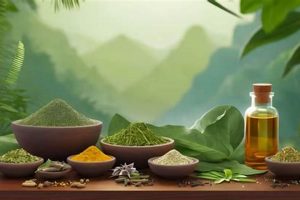
This practice encompasses a holistic approach to healthcare rooted in Traditional Chinese Medicine (TCM), centered around the stimulation of specific points on the body, commonly via the insertion of thin needles. It is frequently complemented by the use of plant-derived remedies, carefully selected based on individual needs and TCM diagnostic principles. The integration aims to address imbalances within the body’s energetic pathways to promote natural healing and overall well-being.
The significance of this integrated method lies in its potential to offer a drug-free alternative or complementary treatment option for a wide range of conditions, from chronic pain and infertility to digestive issues and stress management. Its historical context traces back thousands of years, emphasizing a tradition of personalized care and the understanding of the body as an interconnected system. This time-tested approach emphasizes stimulating the body’s inherent healing capabilities and restoring balance.
The following sections will delve into the specific modalities involved, the types of health concerns addressed, what to expect during a typical session, and considerations for choosing a qualified practitioner. This article aims to provide a comprehensive overview of this multifaceted approach to healthcare.
Essential Considerations
These points offer valuable insights to maximize the benefits and ensure the responsible utilization of care. Adhering to these guidelines can assist in achieving optimal health outcomes.
Tip 1: Research Practitioner Credentials: Verify the practitioner’s licensure, certifications, and experience in treating similar conditions. Confirm their good standing with relevant professional boards.
Tip 2: Provide a Complete Medical History: Transparency regarding pre-existing conditions, medications, and allergies is crucial for safe and effective treatment. Accurate information allows for a tailored approach.
Tip 3: Inquire About Treatment Protocols: Understand the proposed treatment plan, including the frequency and duration of sessions, and the expected outcomes. This fosters realistic expectations and informed consent.
Tip 4: Discuss Potential Herb-Drug Interactions: If herbal remedies are prescribed, ensure the practitioner is aware of all medications being taken to avoid adverse interactions. Proactive communication is vital.
Tip 5: Maintain Realistic Expectations: While many experience significant relief, results can vary. Understand that it may require multiple sessions to achieve desired outcomes, especially for chronic conditions.
Tip 6: Observe Post-Treatment Instructions: Adhere to any dietary or lifestyle recommendations provided by the practitioner to support the healing process. Consistency is key to achieving optimal results.
Tip 7: Communicate Any Adverse Reactions: Report any unusual symptoms or discomfort experienced after treatment to the practitioner promptly. Timely communication allows for appropriate adjustments to the treatment plan.
By prioritizing informed decision-making and diligent communication, individuals can optimize their experience and enhance the potential benefits of comprehensive healthcare practices. A commitment to responsible utilization empowers individuals to achieve significant improvements in their well-being.
The following sections will focus on frequently asked questions and the future trends to anticipate.
1. Holistic Assessment

Holistic assessment forms the cornerstone of comprehensive health practices, directly influencing the effectiveness of treatment. This evaluation involves a thorough investigation of a patient’s physical, emotional, and lifestyle factors, extending beyond isolated symptoms. A practitioner, for instance, would not only address a patient’s complaint of headaches but also inquire about sleep patterns, stress levels, dietary habits, and medical history. The interplay of these factors is considered crucial to understanding the root cause of the ailment. Without a comprehensive understanding of these elements, any treatment plan may address only the surface-level symptoms, potentially leading to recurrence or incomplete resolution.
Within this framework, a detailed understanding of the patient’s life enables the practitioner to tailor treatment in a highly individualized manner. For example, the choice of acupuncture points and herbal formulations would vary significantly based on whether the headache is linked to stress, dietary imbalances, or hormonal fluctuations. The assessment also guides the practitioner in identifying any underlying conditions or lifestyle factors that may be hindering the body’s natural healing processes. An example of this may be identifying chronic stress that is causing muscle tension, which in turn triggers headaches, where the treatment plan would then incorporate stress management techniques or herbs designed to calm the nervous system. Such an individualized approach maximizes the potential for positive outcomes and long-term health benefits.
In summary, holistic assessment is a crucial element to the success of an integrated treatment strategy. It provides the context necessary for practitioners to address the underlying causes of health issues, rather than merely treating symptoms. Challenges may include the time and resources required for such thorough evaluations, but the benefits of personalized and effective treatment often outweigh these considerations. Understanding the central role of assessment ultimately contributes to a more effective and sustainable approach to achieving optimal well-being.
2. Meridian Balance

Meridian balance, a core tenet of Traditional Chinese Medicine (TCM), serves as a central focus within the practice. TCM posits that vital energy, known as Qi, flows through specific pathways or meridians within the body. Disruptions or blockages within these pathways can manifest as various health concerns. Treatments aim to restore the harmonious flow of Qi, thereby promoting the body’s natural healing abilities. The strategic selection and stimulation of acupuncture points along these meridians are designed to address specific imbalances. For example, if a patient presents with digestive issues, a practitioner may target acupuncture points associated with the spleen and stomach meridians to improve digestive function. Similarly, herbal formulations are often chosen to complement acupuncture by tonifying or regulating specific meridians, further enhancing the re-establishment of equilibrium.
The effective restoration of meridian balance is integral to addressing a wide range of conditions. Chronic pain, often stemming from stagnant Qi in localized areas, can be alleviated through acupuncture and herbal therapies designed to promote circulation and reduce inflammation within the affected meridians. Emotional imbalances, such as anxiety and depression, may be linked to imbalances in the heart and liver meridians, and treatments may incorporate points and herbs known to calm the mind and regulate the flow of Qi in these pathways. Furthermore, preventative care emphasizes maintaining optimal meridian function through regular sessions and lifestyle recommendations, aiming to prevent the onset of illness by ensuring the uninhibited flow of Qi throughout the body.
In summary, meridian balance forms a critical aspect of the holistic framework. The integration of acupuncture and herbal medicine represents a comprehensive approach to restoring and maintaining the free flow of Qi within these vital pathways. Challenges can include the complexity of diagnosing meridian imbalances and the need for highly skilled practitioners to accurately identify and address the root causes of disharmony. However, the potential benefits of restoring meridian balance, including pain relief, emotional stabilization, and preventative care, underscore the significance of this approach in promoting long-term health and well-being.
3. Personalized Formulas
The creation of personalized herbal formulas constitutes a fundamental aspect. This customization stems from the belief that each individual presents a unique constitution and imbalance requiring a tailored therapeutic intervention. The selection of specific herbs and their respective dosages is determined through a comprehensive assessment, including pulse diagnosis, tongue observation, and detailed questioning about symptoms and lifestyle factors. For example, two individuals presenting with insomnia might receive drastically different herbal formulas; one formula might address insomnia caused by blood deficiency, while the other might target insomnia stemming from liver Qi stagnation. The efficacy of the herbal formula relies heavily on the practitioner’s ability to accurately differentiate these underlying imbalances and select herbs with precise therapeutic properties.
The herbal pharmacopoeia provides a vast array of individual herbs, each possessing distinct energetic properties and actions. Practitioners skillfully combine these herbs into complex formulas designed to address the patient’s specific needs. This synergistic effect of multiple herbs can enhance therapeutic outcomes beyond what could be achieved with a single herb alone. For instance, a formula designed to address chronic fatigue might include herbs that tonify Qi, nourish blood, and calm the spirit, targeting the multiple facets contributing to the fatigue. The ability to modify these formulas over time, based on the patient’s progress and evolving condition, allows for a dynamic and responsive approach to healthcare. This contrasts with a static, one-size-fits-all approach, where the formula remains fixed regardless of changes in the patient’s presentation.
The practical significance of personalized herbal formulas lies in their potential to address the root causes of illness while minimizing potential side effects. By targeting the specific imbalances unique to each individual, these formulas can restore the body’s natural capacity for self-healing. Challenges may arise in ensuring the quality and safety of herbal ingredients, as well as the potential for herb-drug interactions. However, by selecting reputable suppliers and carefully considering the patient’s medication history, practitioners strive to mitigate these risks and maximize the therapeutic benefits of personalized herbal medicine.
4. Natural Healing
The concept of natural healing forms the bedrock of integrated healthcare, driving the therapeutic intent behind treatment. The body’s inherent ability to restore equilibrium and mend itself is actively supported. Interventions are designed to facilitate and amplify these innate processes rather than override them with external forces. Acupuncture, for instance, stimulates the body’s own release of endorphins and other pain-relieving substances. Similarly, herbal formulations provide essential nutrients and biochemical compounds that assist in regulating physiological functions, enabling the body to regain its natural state of health. The prioritization of natural healing implies a commitment to minimizing the use of invasive procedures and synthetic medications whenever possible, favoring gentler, more sustainable approaches that resonate with the body’s own intelligence.
The integration of acupuncture and herbal medicine highlights the practical application of natural healing principles. Consider a patient experiencing chronic fatigue: rather than simply prescribing stimulants, the treatment plan would seek to identify the underlying causes of the fatigue, such as adrenal insufficiency or nutrient deficiencies. Acupuncture points might be selected to tonify the body’s Qi and blood, while herbal formulas could be prescribed to nourish depleted reserves and regulate hormonal imbalances. Dietary and lifestyle recommendations would further support the body’s ability to recover its natural energy levels. This multifaceted approach addresses not only the symptom of fatigue but also the root causes, promoting long-term vitality and resilience.
The emphasis on natural healing requires a deep understanding of the body’s physiology and its intricate connection to the environment. Challenges may include the variability in individual responses to treatment and the need for patient compliance with lifestyle modifications. However, the potential benefits of harnessing the body’s innate healing capacity, including reduced reliance on pharmaceuticals and a greater sense of empowerment, underscore the importance of this approach. Ultimately, integrated practices aim to activate the body’s own restorative powers, fostering a state of wellness that is both sustainable and deeply rooted in the natural order.
5. Symptom Relief
Symptom relief constitutes a primary objective for individuals seeking care. Acupuncture and herbal medicine, as practiced in Cupertino, offer a framework for addressing a wide spectrum of health concerns, aiming to alleviate discomfort and improve overall well-being. The following facets illustrate how this aim is achieved.
- Pain Management
Acupuncture’s stimulation of specific points has been observed to trigger the release of endorphins, natural pain relievers. Herbal remedies, such as those containing anti-inflammatory compounds, can further contribute to reducing pain associated with conditions like arthritis, sciatica, and migraines. This dual approach aims to provide a more comprehensive and sustained reduction in pain perception.
- Stress and Anxiety Reduction
Acupuncture is believed to modulate the nervous system, promoting relaxation and reducing the physiological responses to stress. Certain herbal formulations, often containing adaptogenic herbs, may help the body adapt to stress by regulating cortisol levels and improving overall resilience. This can translate into a decrease in anxiety symptoms and an enhanced sense of well-being.
- Digestive Support
Acupuncture points corresponding to the digestive organs can stimulate peristalsis and improve digestive function. Herbal remedies, such as those containing ginger or peppermint, may help alleviate bloating, gas, and other digestive discomforts. This holistic approach aims to restore digestive balance and improve nutrient absorption.
- Sleep Improvement
Specific acupuncture points are associated with calming the mind and promoting relaxation, potentially facilitating improved sleep quality. Herbal formulas containing ingredients like valerian root or jujube seed can further promote relaxation and reduce insomnia. This combination aims to address the underlying factors contributing to sleep disturbances.
The effectiveness of acupuncture and herbal medicine in providing symptom relief relies on accurate diagnosis and tailored treatment plans. While not a substitute for conventional medical care, these modalities can serve as valuable adjuncts, offering a holistic approach to managing a variety of health conditions and improving the quality of life for individuals in Cupertino.
6. Preventative Care

Preventative care, a core tenet of health maintenance, is intricately woven into the fabric of practices. Unlike reactive medicine that addresses ailments after onset, preventative methods aim to bolster the body’s resilience, forestalling potential health issues before they manifest. The underlying philosophy involves cultivating a state of equilibrium, enabling the body to withstand internal and external stressors more effectively. This proactive approach is central to health management and long-term well-being.
In practical terms, preventative interventions often involve regular acupuncture sessions designed to maintain the smooth flow of Qi, preventing stagnation or imbalances that could lead to illness. Customized herbal formulas, carefully selected based on individual constitutions and seasonal factors, can fortify the immune system, regulate physiological functions, and mitigate the effects of stress. For instance, during flu season, a practitioner might prescribe a formula to enhance immune function, bolstering the body’s ability to resist infection. Additionally, lifestyle recommendations regarding diet, exercise, and stress management are integral to comprehensive preventative strategies. These recommendations are tailored to complement treatments, promoting a holistic approach to health maintenance. Regular treatments can address subtle imbalances before they escalate into significant health concerns, offering an advantage over approaches that only address issues after symptoms appear.
In summary, preventative care exemplifies a proactive and holistic strategy to maintaining wellness. By leveraging acupuncture, herbal medicine, and lifestyle adjustments, individuals can enhance their resilience and minimize the risk of future health problems. While challenges may include the commitment required for regular sessions and the need for patient adherence to lifestyle recommendations, the long-term benefits of improved health and reduced healthcare costs underscore the importance of prioritizing preventative measures. The emphasis on prevention aligns with a broader understanding of health as a dynamic state requiring ongoing care and attention.
7. Qualified Practitioners
The efficacy and safety are intrinsically linked to the qualifications and expertise of the practitioners administering the treatment. Selecting a suitably qualified individual is paramount to experiencing the potential benefits and mitigating risks associated with these modalities. The following points outline critical facets that define a qualified practitioner in this specific context.
- Licensure and Certification
Possession of valid licensure from the state is a fundamental requirement. This signifies that the practitioner has met the minimum educational and competency standards mandated by regulatory bodies. Additionally, board certification from recognized acupuncture and herbal medicine organizations provides further assurance of specialized training and adherence to professional standards. The absence of appropriate licensure should immediately disqualify a potential practitioner.
- Educational Background
Graduation from an accredited acupuncture and herbal medicine program is essential. These programs typically involve several years of intensive study in Traditional Chinese Medicine theory, acupuncture techniques, herbal pharmacology, and clinical practice. Reviewing the practitioner’s educational background can provide insights into the depth and breadth of their training.
- Clinical Experience
Extensive clinical experience is invaluable in honing diagnostic and treatment skills. Inquiring about the number of years in practice and the types of conditions treated can offer an indication of the practitioner’s level of expertise. Practitioners with substantial clinical experience are often better equipped to handle complex cases and adapt treatment plans to individual needs.
- Continuing Education
The field of acupuncture and herbal medicine is constantly evolving, with new research and techniques emerging regularly. A qualified practitioner demonstrates a commitment to ongoing professional development through participation in continuing education courses and workshops. This ensures that they remain current with the latest advancements and maintain a high level of competence.
The selection of qualified practitioners is pivotal for realizing the potential benefits and minimizing the risks associated with healthcare. Diligent verification of licensure, educational background, clinical experience, and commitment to continuing education is essential for making informed decisions and ensuring access to safe and effective care. A well-qualified practitioner contributes significantly to the success of treatment and overall patient well-being.
Frequently Asked Questions
This section addresses common inquiries regarding comprehensive health practices, providing clarity on various aspects of this approach.
Question 1: Is “cupertino acupuncture and herbals” a substitute for conventional medical care?
No, this integrated approach is not intended to replace conventional medical care. It can serve as a complementary modality, working in conjunction with standard medical treatments to enhance overall well-being. Individuals should consult with their primary care physician regarding any health concerns.
Question 2: What conditions can be addressed?
The integrated method can potentially address a wide range of conditions, including chronic pain, stress, anxiety, digestive issues, sleep disturbances, and women’s health concerns. However, the suitability of treatment depends on individual circumstances and a thorough assessment by a qualified practitioner.
Question 3: How many sessions are typically required to see results?
The number of sessions required to achieve desired outcomes varies depending on the individual and the nature of their condition. Some individuals may experience noticeable improvements after a few sessions, while others may require a longer course of treatment. A practitioner can provide a more accurate estimate following an initial assessment.
Question 4: Are there any potential side effects associated with acupuncture and herbal medicine?
Acupuncture is generally considered safe when performed by a qualified practitioner. Potential side effects may include mild soreness or bruising at the needle insertion sites. Herbal medicine can also have side effects, particularly if taken in combination with other medications. It is crucial to inform the practitioner of all medications and supplements being taken to avoid potential interactions.
Question 5: How does “cupertino acupuncture and herbals” work?
Acupuncture involves the stimulation of specific points on the body to regulate the flow of Qi and promote the body’s natural healing abilities. Herbal medicine utilizes plant-derived remedies to address underlying imbalances and support physiological functions. The integration of these modalities aims to provide a holistic approach to healthcare.
Question 6: How does one find a qualified practitioner?
Verify the practitioner’s licensure, certifications, and educational background. Seek recommendations from trusted sources and inquire about their experience in treating similar conditions. A thorough consultation can help determine if the practitioner is a good fit for individual needs.
These FAQs offer a foundational understanding. Individual consultation with a trained practitioner is advised for personalized guidance.
The subsequent segment will explore prospective trends that may shape the future of “cupertino acupuncture and herbals.”
Conclusion
This exploration has illuminated key aspects of practices offered in Cupertino, ranging from holistic assessment and meridian balance to personalized herbal formulas and the qualifications of practitioners. The integrated approach aims to facilitate natural healing, provide symptom relief, and emphasize preventative care, highlighting a commitment to comprehensive well-being.
As interest in holistic healthcare continues to grow, the principles and practices outlined here may hold increasing significance. Continued research and rigorous standards within the field are essential to ensuring its responsible and effective application in promoting long-term health. Further dialogue and engagement with qualified practitioners are encouraged for those seeking personalized and comprehensive healthcare solutions.