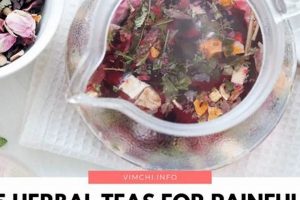
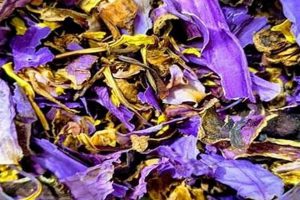
A beverage crafted from the infusion or decoction of herbs, spices, and other plant materials, often enjoyed for its flavor and potential health benefits, offers a caffeine-free alternative to traditional teas and coffee. As an example, a chamomile-based preparation is commonly consumed before sleep.
The significance of these infusions lies in their historical usage across various cultures for medicinal and therapeutic purposes. Certain varieties may promote relaxation, aid digestion, or provide antioxidant properties, contributing to overall wellness. Their longstanding presence in traditional medicine highlights the perceived value and diverse applications associated with these botanical blends.
The following sections will delve into specific types of plant-based infusions, exploring their unique characteristics, preparation methods, and potential health considerations.
Herbal Infusion Guidance
This section presents practical guidelines for maximizing the benefits and enjoyment derived from herbal infusions.
Tip 1: Selection of Quality Ingredients: Prioritize certified organic or sustainably sourced herbs to minimize exposure to pesticides and ensure optimal potency. Check expiration dates to guarantee freshness.
Tip 2: Appropriate Water Temperature: Use water that is just off the boil (approximately 200-212F or 93-100C) for most herbal infusions. Delicate herbs, such as chamomile, may benefit from slightly cooler water to prevent bitterness.
Tip 3: Proper Steeping Time: Allow the infusion to steep for the recommended duration, typically 5-10 minutes, to extract the desired compounds. Longer steeping times may be necessary for roots and barks.
Tip 4: Covered Infusion: Cover the steeping vessel to prevent the loss of volatile oils, which contribute to the aroma and therapeutic properties of the infusion.
Tip 5: Filtration Method: Strain the infusion thoroughly using a fine-mesh strainer or cheesecloth to remove any plant material and ensure a smooth texture.
Tip 6: Storage Considerations: Store dried herbs in airtight containers away from direct sunlight and moisture to maintain their quality and potency. Infusions should be consumed promptly.
Tip 7: Understanding Contraindications: Research potential interactions between herbs and medications or pre-existing health conditions. Consult with a healthcare professional if concerns arise.
By adhering to these guidelines, individuals can optimize the flavor, efficacy, and safety of herbal infusions.
The subsequent section will address common misconceptions and potential risks associated with the consumption of plant-based brews.
1. Ingredients

The selection of ingredients is paramount in defining the characteristics and purported benefits of these herbal infusions. The specific herbs, spices, flowers, roots, and other plant components used directly determine the flavor profile, aroma, and potential therapeutic effects of the final beverage.
- Herb Selection
The primary constituents are the herbs themselves. These can range from single herbs like chamomile or peppermint to complex blends of multiple herbs, each contributing unique properties. For instance, a blend intended for sleep support might include valerian root, lavender, and skullcap.
- Spice Integration
Spices often enhance both the flavor and potential health benefits. Cinnamon, ginger, and cardamom are common additions, contributing warming notes and antioxidant properties. The quantity and type of spice significantly impact the overall taste profile.
- Floral Components
Flowers such as rose petals, hibiscus, and lavender add subtle floral aromas and flavors. Hibiscus, for example, imparts a tart, cranberry-like flavor and is a good source of Vitamin C. Floral infusions may also contribute to visual appeal.
- Roots and Barks
Roots and barks, such as ginger root, licorice root, and cinnamon bark, require longer steeping times to extract their beneficial compounds. These ingredients often provide earthy, grounding flavors and are traditionally used for their medicinal properties.
The deliberate combination of these varied botanical elements allows for the creation of a wide spectrum of herbal infusions, each possessing a distinct set of attributes tailored to specific tastes and wellness objectives. It is important to note that the origin and quality of these ingredients have a significant bearing on the final product and its potential efficacy.
2. Preparation

The preparation method fundamentally dictates the extraction of bioactive compounds and aromatic substances from the constituent herbs, thereby shaping the final characteristics. Infusion, decoction, and maceration are common techniques, each suited to different plant parts and desired outcomes. Improper execution can result in a weak, flavorless beverage or, conversely, an excessively bitter or concentrated brew. For instance, over-steeping tannin-rich herbs can impart an astringent quality, detracting from the intended experience. The correlation between preparation and the resulting profile is therefore direct and consequential.
Specific examples further illustrate this connection. A delicate floral herbal blend, such as chamomile and lavender, typically benefits from a short infusion using water just below boiling point to preserve its volatile oils and prevent bitterness. Conversely, a preparation incorporating tough roots or barks, like ginger or cinnamon, necessitates a decoction simmering in water for an extended period to adequately release their therapeutic compounds. Precise measurement of ingredients and adherence to recommended steeping times are critical factors influencing the beverages potency and palatability. Temperature control, steeping duration, and filtration method are elements in which directly affect the quality.
In conclusion, the art of preparation is inextricably linked to realizing the full potential of the ingredients. A thorough understanding of extraction principles, coupled with attention to detail, is essential to consistently produce herbal beverages that are both enjoyable and beneficial. Challenges such as variability in herb potency and individual taste preferences can be mitigated through careful experimentation and documentation of preparation parameters, ultimately optimizing the experience.
3. Benefits
The potential health benefits associated with plant-based infusions are a primary driver of their popularity. These benefits stem from the unique chemical compositions of the individual herbs and spices used, offering a range of physiological effects. However, scientific substantiation varies, and responsible consumption necessitates understanding both potential advantages and limitations.
- Relaxation and Stress Reduction
Certain herbs, such as chamomile, lavender, and lemon balm, contain compounds that may promote relaxation and reduce anxiety. These infusions are often consumed before sleep to aid in restful slumber. The proposed mechanism involves modulation of neurotransmitter activity, leading to a calming effect. However, the magnitude of these effects can vary depending on the individual and the specific herb.
- Digestive Support
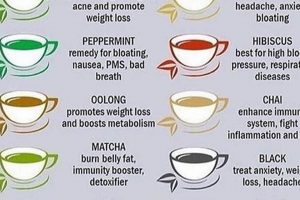
Ginger, peppermint, and fennel are commonly used to alleviate digestive discomfort. Ginger possesses anti-inflammatory properties and may aid in reducing nausea. Peppermint can relax smooth muscles in the digestive tract, potentially easing bloating and cramping. Fennel is traditionally used to reduce gas and bloating. The efficacy of these herbs for digestive issues warrants further investigation.
- Antioxidant Activity
Many herbs and spices contain antioxidants, which can help protect cells from damage caused by free radicals. Hibiscus, rooibos, and green herbs are rich in antioxidant compounds. The antioxidant activity of these infusions may contribute to overall health and well-being. Further research is required to fully elucidate the extent and significance of antioxidant benefits.
- Immune Support
Some herbs, such as echinacea and elderflower, are believed to support the immune system. Echinacea has been traditionally used to shorten the duration of colds, while elderflower possesses antiviral properties. The effectiveness of these herbs in bolstering the immune system requires rigorous scientific evaluation.
The observed benefits, while promising, are not universally applicable and should not be considered substitutes for medical advice. Responsible consumption involves considering individual health conditions, potential interactions with medications, and the quality of the herbal ingredients. The purported advantages serve as a rationale for continued exploration into the health-promoting potential of plant-based infusions, acknowledging the necessity for evidence-based validation.
4. Variations

The concept of ‘variations’ is intrinsically linked to the essence of plant-based infusions, influencing both consumer experience and potential health outcomes. The diversity in herbal combinations, preparation methods, and added ingredients directly impacts the beverage’s flavor profile, therapeutic properties, and overall appeal. Consequently, understanding variations is crucial for optimizing the experience and achieving desired benefits.
A significant aspect lies in the purposeful blending of different herbs. For example, a blend targeting relaxation might incorporate chamomile, lavender, and passionflower, each contributing unique calming compounds. Conversely, an energizing infusion may combine green tea, ginseng, and lemon. The ratio of these ingredients is critical; an imbalance can diminish the intended effects or introduce unwanted flavors. Preparation variations, such as steeping time and water temperature, further modify the final product. For instance, prolonged steeping of black tea can result in a bitter brew, while insufficient steeping might yield a weak infusion. The selection of sweeteners, such as honey, agave, or stevia, also contributes to the variability, altering the taste and glycemic index of the beverage.
In summary, appreciating variations is key to maximizing the benefits and enjoyment derived from these infusions. Experimentation with different blends, preparation techniques, and additions enables individuals to customize their beverage according to personal preferences and health goals. However, awareness of potential interactions and contraindications remains essential for safe and responsible consumption. The dynamic interplay between ‘variations’ and herbal concoctions underscores the importance of informed choices and a nuanced understanding of botanical properties.
5. Precautions
The realm of plant-based beverages, while often perceived as benign, necessitates careful consideration of potential adverse effects. Understanding precautionary measures is paramount to mitigate risks associated with individual sensitivities, herb-drug interactions, and improper preparation. These considerations are not merely cautionary, but integral to responsible enjoyment.
- Allergic Reactions
Individuals may exhibit allergic responses to specific herbs, ranging from mild skin irritation to severe anaphylaxis. Identifying known allergies is essential prior to consumption. Cross-reactivity between botanicals should also be considered; for example, individuals allergic to ragweed may also react to chamomile. Thorough review of ingredients is imperative.
- Herb-Drug Interactions
Certain herbs can interact with prescription and over-the-counter medications, potentially altering their efficacy or increasing the risk of side effects. For example, St. John’s Wort can interfere with the metabolism of numerous drugs, including antidepressants and blood thinners. Consultation with a healthcare professional is advised, particularly for individuals taking medication.
- Pregnancy and Lactation
Many herbs are contraindicated during pregnancy and lactation due to potential teratogenic or abortifacient effects. Examples include pennyroyal, which can induce uterine contractions. Limited research exists on the safety of many herbs during these periods; caution and professional guidance are warranted.
- Dosage and Preparation
Excessive consumption or improper preparation can lead to adverse effects. Over-steeping certain herbs can release high concentrations of tannins, causing gastrointestinal upset. Adhering to recommended dosages and preparation guidelines is crucial for minimizing risks. Potency can vary significantly depending on the source and quality of the herbs.
These facets underscore the importance of informed decision-making and mindful consumption within the domain of plant-based beverages. Awareness of potential contraindications, coupled with responsible sourcing and preparation practices, ensures a safer and more beneficial experience. The absence of stringent regulation in the herbal supplement industry further emphasizes the need for vigilance.
6. Sustainability

The concept of sustainability is intrinsically linked to the responsible production and consumption of plant-based infusions. The increasing demand for these beverages necessitates a critical examination of sourcing practices, cultivation methods, and environmental impacts associated with their constituent herbs and spices. Unsustainable practices can lead to habitat destruction, soil degradation, and depletion of natural resources, jeopardizing the long-term availability of these valuable botanicals. For example, overharvesting of wild ginseng has severely depleted its populations in certain regions, prompting conservation efforts and stricter regulations.
Sustainable sourcing involves prioritizing suppliers who adhere to ethical and environmentally sound practices. This includes supporting organic farming methods that minimize pesticide use and promote soil health, as well as ensuring fair labor practices for farmers and harvesters. Certification programs, such as Fair Trade and USDA Organic, provide a framework for verifying these practices. Furthermore, the packaging and distribution of herbal infusions should also be considered. Utilizing recyclable or biodegradable packaging materials and minimizing transportation distances can significantly reduce the carbon footprint of these products. Companies like Traditional Medicinals actively promote sustainable sourcing by working directly with farming communities and implementing environmentally responsible practices throughout their supply chain.
In conclusion, the long-term viability of plant-based infusions depends on the widespread adoption of sustainable practices. Consumers can play a crucial role by choosing products from companies committed to responsible sourcing and environmentally friendly operations. By prioritizing sustainability, the industry can ensure the continued availability of these beneficial botanicals while minimizing its environmental impact. The integration of sustainable principles is not merely an ethical imperative but a practical necessity for the future of plant-based beverages.
Frequently Asked Questions About Herbal Cup Tea
This section addresses common inquiries regarding plant-based infusions, providing concise and informative answers to promote a clearer understanding.
Question 1: What distinguishes herbal cup tea from traditional tea?
Herbal infusions, unlike traditional teas derived from the Camellia sinensis plant, are created from the infusion of herbs, spices, flowers, or other plant materials. Consequently, they are naturally caffeine-free.
Question 2: Are herbal blends inherently safe for consumption?
While often perceived as benign, herbal preparations can pose risks due to potential allergic reactions, herb-drug interactions, and individual sensitivities. Careful consideration of ingredients and consultation with healthcare professionals are recommended.
Question 3: How should one determine the appropriate steeping time for an herbal infusion?
Steeping time varies depending on the type of herb and desired strength. Delicate herbs, such as chamomile, require shorter steeping times (3-5 minutes), while roots and barks may benefit from longer infusions (7-10 minutes).
Question 4: Do herbal concoctions possess quantifiable health benefits?
Certain herbs have demonstrated therapeutic properties in scientific studies, but the efficacy and potency can vary significantly. It is essential to manage expectations and avoid relying on herbal infusions as sole treatments for medical conditions.
Question 5: How does one ensure the quality and purity of herbal ingredients?
Selecting certified organic or sustainably sourced herbs can minimize exposure to pesticides and ensure responsible harvesting practices. Verifying the supplier’s reputation and reading product labels are advisable.
Question 6: What considerations should be made regarding storage to maintain freshness and potency?
Herbs should be stored in airtight containers away from direct sunlight and moisture to prevent degradation and loss of volatile oils. Expired herbs may lose their flavor and therapeutic properties.
In essence, a cautious approach to selecting, preparing, and consuming herbal infusions is paramount. While potential benefits exist, informed decision-making is critical for minimizing risks and maximizing enjoyment.
The following section will delve into case studies that exemplify the potential benefits and risks associated with particular herbal ingredients, aiming to further illustrate the practical implications of the knowledge presented.
Conclusion
This article has explored diverse facets of plant-based infusions, detailing aspects from ingredient selection to sustainability considerations. Understanding preparation techniques, potential benefits, necessary precautions, and ingredient variations are all vital to informed and responsible consumption. These elements collectively define the experience, affecting both the perceived enjoyment and potential health outcomes associated with these beverages.
The continued exploration and rigorous scientific evaluation of these botanical preparations remain crucial. Future endeavors should focus on substantiating purported benefits, delineating safe usage parameters, and fostering sustainable sourcing practices. A commitment to informed decision-making will ensure the responsible utilization of plant-based infusions for generations to come.