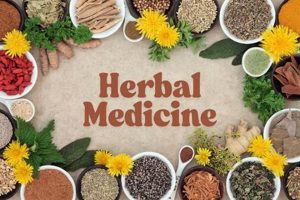
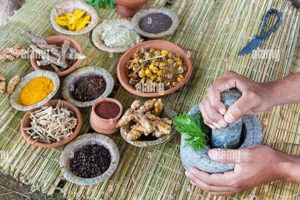
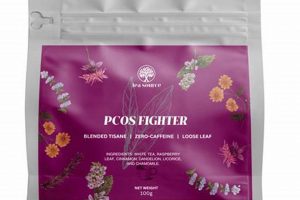
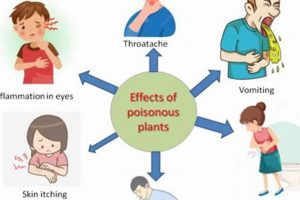
Substances derived from plants that promote increased urine production offer a natural alternative to synthetic pharmaceuticals. These botanical remedies are often employed to reduce fluid retention and alleviate related symptoms such as bloating and edema. Examples include dandelion, parsley, and juniper berries, each known for its potential to influence kidney function and electrolyte balance.
Historically, cultures worldwide have utilized plant-based remedies for their perceived water-expelling properties. This practice continues today, driven by the belief that these natural options are gentler and less likely to cause the adverse effects sometimes associated with conventional medications. Individuals may seek such solutions to manage mild fluid imbalances, support cardiovascular health, or complement other wellness strategies.
The subsequent sections will delve into specific botanical examples, examining their purported mechanisms of action and exploring the available evidence supporting their efficacy. Consideration will also be given to potential risks, interactions, and appropriate usage guidelines to facilitate informed decision-making regarding their incorporation into a health regimen.
Guidance on Incorporating Plant-Based Water-Expelling Agents
The following provides considerations for those exploring the use of plant-based substances to promote increased urine output. Adherence to these points can contribute to a safer and more effective experience.
Tip 1: Consult with a Healthcare Professional: Prior to initiating any regimen, it is essential to discuss the intent with a physician or qualified healthcare provider. This is particularly important for individuals with pre-existing medical conditions, such as kidney or heart disease, or those taking prescription medications, to identify potential contraindications or interactions.
Tip 2: Start with Low Doses: Begin with the lowest recommended dosage and gradually increase as tolerated. This approach allows for assessment of individual response and minimizes the risk of adverse effects. Careful observation for any signs of discomfort or allergic reaction is advised.
Tip 3: Monitor Fluid and Electrolyte Balance: Increased urine production can impact electrolyte levels. Pay attention to symptoms such as muscle cramps, fatigue, or dizziness, which may indicate an imbalance. Consideration should be given to monitoring potassium and sodium levels, especially during prolonged usage.
Tip 4: Choose Reputable Sources: Source herbal products from established and reputable manufacturers that adhere to quality control standards. Look for third-party certifications to ensure the product’s purity and potency. Avoid products with vague labeling or unsubstantiated claims.
Tip 5: Be Aware of Potential Interactions: Certain plants can interact with prescription medications, including blood thinners, diuretics, and medications for diabetes or high blood pressure. Thoroughly research potential interactions and inform the healthcare provider of all supplements being taken.
Tip 6: Maintain Adequate Hydration: While the goal is to reduce fluid retention, it is crucial to maintain adequate hydration. Dehydration can exacerbate electrolyte imbalances and negate the desired effects. Drink sufficient water throughout the day, especially when using water-expelling substances.
Tip 7: Understand the Intended Purpose: Plant-based water-expelling substances are typically intended for short-term use to address mild fluid retention. They are not a substitute for medical treatment for serious conditions. If symptoms persist or worsen, seek professional medical advice.
Effective use of plant-based water-expelling agents requires a cautious and informed approach. Prioritizing safety and consulting with healthcare professionals are paramount to achieving desired outcomes while minimizing potential risks.
The subsequent sections will provide a summary of specific botanical options, highlighting their potential benefits and risks, as well as considerations for incorporating them into a health and wellness plan.
1. Botanical Identity

Botanical identity serves as the foundation for understanding plant-based water-expelling agents. Accurate identification is crucial because the chemical composition, and therefore the effects, vary significantly between different species. This influences both efficacy and safety, necessitating a thorough understanding of the plant’s origin and characteristics.
- Species Specificity
The specific species within a genus dictates the active compounds present. For example, Taraxacum officinale (dandelion) is often cited for its water-expelling properties; however, other Taraxacum species may possess different or less pronounced effects. Misidentification or substitution can lead to unexpected or negligible outcomes.
- Geographic Variation
Environmental factors, such as soil composition and climate, influence the chemical profile of plants. The same species grown in different regions may exhibit variations in the concentration of active constituents. This variability can impact the potency and consistency of herbal products.
- Plant Part Used
Different plant parts (e.g., leaves, roots, seeds) contain varying concentrations of active compounds. Using the incorrect part can result in a product that is either ineffective or potentially harmful. For instance, dandelion leaves and roots possess distinct chemical profiles and purported benefits.
- Cultivation and Harvesting Practices
Cultivation and harvesting methods significantly influence the quality of plant material. Organic cultivation minimizes the risk of contamination with pesticides or herbicides. Proper harvesting techniques, such as timing and drying methods, preserve the integrity of the active compounds.
In summary, accurate botanical identification is paramount for effective and safe use of plant-based water-expelling agents. Factors such as species specificity, geographic variation, plant part used, and cultivation practices all contribute to the overall quality and efficacy of the final product. Without a clear understanding of these botanical nuances, achieving the desired outcome remains uncertain, and the potential for adverse effects increases.
2. Mechanism of Action

The effectiveness of a plant-based water-expelling agent hinges on its mechanism of action within the body. Understanding how a specific plant influences physiological processes to increase urine production is crucial for determining its suitability and predicting its potential effects. Without a clear understanding of this mechanism, selecting an appropriate option becomes speculative, potentially leading to suboptimal results or unforeseen consequences.
For example, dandelion ( Taraxacum officinale) is often cited for its perceived water-expelling properties. Research suggests its potassium content may contribute to its diuretic effect by modulating electrolyte balance. Similarly, juniper berries ( Juniperus communis) contain compounds believed to increase glomerular filtration rate, thereby enhancing urine output. Conversely, substances that act primarily as irritants to the urinary tract may produce a diuretic effect, but are generally not considered to be the safest or most desirable options due to the potential for inflammation and discomfort. Knowledge of such mechanistic differences is essential for discerning beneficial from potentially harmful approaches.
Therefore, evaluating plant-based water-expelling agents necessitates careful consideration of their established or proposed mechanisms of action. This information allows healthcare professionals and individuals to make more informed decisions, selecting options that align with specific needs and minimizing the risk of adverse effects. Further research to elucidate the precise mechanisms and confirm the efficacy of various plant-based options remains crucial for optimizing their clinical application.
3. Dosage Guidelines

Dosage guidelines represent a critical factor in the safe and effective utilization of any plant-based water-expelling agent. A standardized approach to dosing is often lacking within the herbal medicine field, leading to potential variability in product potency and a consequential need for caution and individualized assessment.
- Standardization of Extracts
Standardized herbal extracts provide a specified concentration of key active compounds. This standardization allows for more precise dosing, as the quantity of active constituents is known. In contrast, non-standardized extracts may exhibit significant variability, making consistent dosing challenging. Dandelion extracts, for example, may be standardized to a specific concentration of chicoric acid, allowing users to more accurately manage their intake.
- Individual Variation
Individual factors, such as age, weight, kidney function, and concurrent medications, influence the optimal dosage. What is considered a safe and effective dose for one individual may be excessive or insufficient for another. Elderly individuals, for instance, may require lower doses due to age-related changes in kidney function. A healthcare professional’s assessment is essential to account for such individual variations.
- Dosage Forms
Plant-based water-expelling agents are available in various forms, including capsules, tablets, teas, and tinctures. The bioavailability of active compounds can vary depending on the dosage form, affecting the overall efficacy. Teas, for example, may have a lower concentration of active compounds compared to standardized capsules. Dosage guidelines should specify the appropriate amount for each formulation.
- Duration of Use
The duration of use impacts the overall safety profile of plant-based water-expelling agents. Prolonged use may increase the risk of electrolyte imbalances or other adverse effects. Guidelines should specify the recommended duration of use and emphasize the importance of monitoring for any signs of complications. Intermittent use, with periods of abstinence, may be recommended to minimize the risk of adverse effects.
In summary, adherence to appropriate dosage guidelines is essential for maximizing the benefits and minimizing the risks associated with plant-based water-expelling agents. Standardized extracts, consideration of individual variation, attention to dosage forms, and monitoring the duration of use are all crucial aspects to ensure responsible implementation. Consulting with a healthcare professional provides the necessary guidance to navigate the complexities of herbal medicine and optimize the therapeutic outcomes.
4. Potential Risks

The assessment of potential risks is paramount when considering plant-based substances intended to increase urine production. While often perceived as natural and therefore inherently safe, botanical remedies are not without potential adverse effects, contraindications, and interactions. A comprehensive understanding of these risks is essential for informed decision-making and to mitigate potential harm.
- Electrolyte Imbalance
Increased urine output can lead to the depletion of essential electrolytes such as potassium, sodium, and magnesium. Potassium deficiency (hypokalemia), for instance, can result in muscle weakness, cardiac arrhythmias, and fatigue. Sodium depletion (hyponatremia) can cause confusion, seizures, and coma. Individuals with pre-existing electrolyte imbalances or those taking medications that affect electrolyte levels are at increased risk. Monitoring electrolyte levels during prolonged use is advisable.
- Drug Interactions
Plant-based substances can interact with prescription medications, potentially altering their efficacy or increasing the risk of side effects. For example, some plants may enhance the effects of anticoagulant drugs, increasing the risk of bleeding. Others may interfere with the absorption or metabolism of certain medications, reducing their effectiveness. Thoroughly researching potential drug interactions and informing healthcare providers of all supplements being taken is crucial to prevent adverse events.
- Kidney Dysfunction
In individuals with pre-existing kidney disease, the use of plant-based water-expelling agents can exacerbate kidney dysfunction. Increased urine production places additional stress on the kidneys, potentially leading to further decline in kidney function. Certain plants may contain compounds that are directly toxic to the kidneys. Close monitoring of kidney function is essential in individuals with renal impairment.
- Allergic Reactions
As with any substance, plant-based remedies can trigger allergic reactions in susceptible individuals. Allergic reactions can range from mild skin rashes to severe anaphylaxis. Individuals with a history of allergies to related plants are at increased risk. Starting with low doses and monitoring for any signs of allergic reaction is recommended.
The preceding facets underscore the importance of careful consideration and professional guidance when using plant-based substances to promote increased urine production. While some individuals may seek these agents believing them to be the “best herbal diuretic” option, a complete evaluation of individual health status, potential drug interactions, and the inherent risks associated with each plant is paramount. The perception of natural does not equate to safe, and a balanced approach that prioritizes patient well-being is crucial.
5. Efficacy Evidence

The assessment of whether a botanical substance qualifies as the “best herbal diuretic” is inextricably linked to the body of efficacy evidence supporting its use. A substance cannot be definitively labeled as such without rigorous scientific investigation demonstrating its ability to consistently and safely increase urine production beyond placebo levels. This necessitates a careful evaluation of clinical trials, preclinical studies, and systematic reviews, focusing on study design, sample size, and the quality of data collected. For example, while dandelion ( Taraxacum officinale) is often cited, the evidence supporting its diuretic effects remains limited. Many studies are small, lack robust controls, or rely on anecdotal evidence. In contrast, other substances may have stronger evidence but also possess a higher risk profile, precluding them from being considered the “best” overall option. The cause-and-effect relationship between a plant’s constituents and its diuretic action must be clearly established through scientific methodology.
The selection of a substance as the “best herbal diuretic” also requires a nuanced understanding of its effects on various populations. Factors such as age, sex, and pre-existing medical conditions can influence an individual’s response to a particular botanical agent. For example, a substance found to be effective in young, healthy adults may not be suitable or safe for elderly individuals with impaired kidney function. Furthermore, the context of use is critical. An agent that demonstrates efficacy in managing mild fluid retention may not be appropriate for treating severe edema associated with heart failure. Clinical studies must therefore stratify results based on relevant demographic and clinical variables to provide meaningful guidance for practitioners and patients alike. The absence of such stratified data limits the generalizability and practical application of research findings.
In conclusion, the designation of the “best herbal diuretic” is not a static label but rather a dynamic assessment that evolves as new evidence emerges. While anecdotal reports and traditional uses may provide initial insights, they must be validated by rigorous scientific investigation. The integration of efficacy data with considerations of safety, tolerability, and individual patient characteristics is essential for informed decision-making. The pursuit of high-quality efficacy evidence remains a critical priority to advance the understanding and responsible use of plant-based substances for promoting fluid balance.
Frequently Asked Questions Regarding Plant-Based Water-Expelling Agents
The following addresses common inquiries concerning the use of plant-derived substances to promote increased urine production. The responses provide factual information based on current scientific understanding and accepted practices.
Question 1: Are “herbal diuretics” inherently safer than conventional diuretic medications?
The perception that plant-based remedies are always safer is a misconception. While some botanicals may have milder side effects compared to certain pharmaceuticals, all substances possess the potential for adverse reactions and drug interactions. A thorough risk-benefit assessment is essential before initiating any treatment, regardless of its source.
Question 2: Can “herbal diuretics” be used to treat medical conditions such as congestive heart failure or kidney disease?
Plant-derived water-expelling agents are generally not appropriate as primary treatments for serious medical conditions. Such conditions require careful medical management by a qualified healthcare professional. “Herbal diuretics” may be considered as complementary therapies under strict medical supervision, but should never replace conventional medical care.
Question 3: How quickly do “herbal diuretics” take effect?
The onset of action varies depending on the specific plant, the dosage, and individual factors. Some individuals may experience noticeable effects within a few hours, while others may not see any significant change. It is important to note that anecdotal reports of rapid results should be interpreted with caution, as they may not be representative of typical outcomes.
Question 4: Are there specific “herbal diuretics” that are more effective than others?
The effectiveness of a particular plant-based agent depends on several factors, including the underlying cause of fluid retention, individual physiology, and potential interactions with other medications. A comprehensive evaluation by a healthcare professional is necessary to determine the most appropriate and effective option for a specific individual.
Question 5: Can “herbal diuretics” cause dehydration?
Yes, excessive use of plant-derived water-expelling agents can lead to dehydration, particularly if fluid intake is inadequate. Dehydration can result in electrolyte imbalances, dizziness, and other adverse effects. Maintaining adequate hydration is essential when using any substance that increases urine output.
Question 6: Is it safe to combine multiple “herbal diuretics” at the same time?
Combining multiple plant-based agents with water-expelling properties is generally not recommended without the guidance of a qualified healthcare professional. The combined effects may be unpredictable and could increase the risk of adverse reactions or drug interactions. A cautious and individualized approach is essential.
In summary, while plant-based substances may offer a natural approach to increasing urine production, their use requires careful consideration and professional guidance. Factors such as safety, efficacy, and potential interactions must be thoroughly evaluated to ensure optimal outcomes.
The subsequent sections will provide a list of resources for further research and information on responsible use of plant-based therapies.
Evaluating the “Best Herbal Diuretic”
The exploration of plant-based substances marketed as the “best herbal diuretic” necessitates a rigorous, evidence-based approach. Throughout this discussion, the importance of accurate botanical identification, understanding mechanisms of action, adhering to dosage guidelines, recognizing potential risks, and scrutinizing efficacy evidence has been emphasized. The pursuit of a single, universally superior option is often an oversimplification of a complex interplay of physiological factors and individual responses. The perception of safety and efficacy must be grounded in scientific data, not solely on traditional use or anecdotal evidence.
Moving forward, continued research and critical evaluation are crucial. Healthcare professionals and individuals alike must prioritize informed decision-making, consulting with qualified experts and diligently weighing the potential benefits against the inherent risks. The responsible use of plant-based agents for promoting fluid balance requires a commitment to ongoing learning and a cautious, patient-centered approach. A substance, regardless of its origin, should only be considered if it meets the rigorous scientific and safety standards.