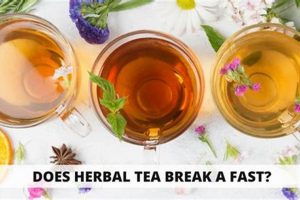
Polycystic ovary syndrome (PCOS) is a hormonal disorder common among women of reproductive age. Management strategies often include dietary adjustments and lifestyle modifications. Certain botanical infusions are sometimes employed as complementary therapies to support hormonal equilibrium. These preparations utilize the bioactive compounds present in herbs to potentially influence endocrine function. For instance, specific blends aim to address insulin resistance, a frequent characteristic of PCOS, while others focus on regulating menstrual cycles and alleviating associated symptoms.
The potential value of these herbal approaches lies in their long-standing traditional use and perceived gentler impact compared to pharmaceutical interventions. Throughout history, diverse cultures have incorporated medicinal plants into practices aimed at promoting female reproductive health. The theoretical benefits encompass a reduction in androgen levels, improvement in ovarian function, and mitigation of inflammatory processes. However, it’s crucial to acknowledge that scientific evidence supporting these claims is often limited and requires further rigorous investigation. Individual responses can vary significantly, and safety considerations, including potential interactions with medications, must be carefully evaluated.
The subsequent sections will delve into specific herbal ingredients commonly found in these infusions, examining their purported mechanisms of action and available research. The discussion will also address important considerations regarding dosage, sourcing, and potential side effects. Understanding the complexities surrounding the use of botanical remedies for PCOS is essential for making informed decisions about incorporating them into a comprehensive management plan.
Tips for Utilizing Botanical Infusions to Support Hormonal Balance in PCOS
The following guidelines provide important considerations when exploring the use of botanical infusions as a complementary approach to managing hormonal imbalances associated with Polycystic Ovary Syndrome (PCOS). Prior consultation with a qualified healthcare professional is paramount before implementing any new therapeutic strategy.
Tip 1: Prioritize Professional Consultation: Seek guidance from a physician, endocrinologist, or registered herbalist experienced in PCOS management. This ensures accurate diagnosis, personalized recommendations, and monitoring for potential drug interactions.
Tip 2: Focus on Research-Backed Ingredients: Prioritize infusions containing herbs with some scientific evidence supporting their efficacy in addressing PCOS-related symptoms, such as spearmint, licorice root, and cinnamon. Review available research and understand the limitations of current findings.
Tip 3: Opt for High-Quality Sourcing: Select herbal tea products from reputable suppliers who adhere to quality control standards. Look for certifications indicating purity and potency to minimize the risk of contaminants and ensure consistent ingredient concentrations.
Tip 4: Start with a Low Dosage: Begin with a low dose of the herbal infusion and gradually increase it as tolerated, while closely monitoring for any adverse reactions. This allows for individual sensitivity assessment and minimizes the potential for side effects.
Tip 5: Monitor and Track Symptoms: Maintain a detailed record of PCOS symptoms, including menstrual cycle regularity, acne, hirsutism, and mood fluctuations. This documentation aids in assessing the effectiveness of the herbal infusion and identifying any concerning changes.
Tip 6: Maintain a Holistic Approach: Recognize that herbal infusions are most effective when integrated into a comprehensive PCOS management plan that includes a balanced diet, regular exercise, stress management techniques, and, if necessary, conventional medical treatments.
Tip 7: Be Aware of Potential Interactions: Understand that certain herbs can interact with medications, including oral contraceptives, insulin sensitizers, and anticoagulants. Disclose all herbal supplement usage to healthcare providers to prevent adverse interactions.
Adherence to these guidelines can potentially optimize the safety and effectiveness of botanical infusions when used as part of a well-informed strategy to promote hormonal equilibrium in individuals with PCOS. However, consistent monitoring and ongoing communication with healthcare providers are essential.
The following sections will provide a conclusion, summarizing the role and considerations surrounding botanical infusions within PCOS management.
1. Hormonal Regulation Support

Hormonal regulation support is a central objective when considering botanical interventions for Polycystic Ovary Syndrome (PCOS). Infusions prepared from specific herbs are purported to influence various aspects of the endocrine system, thereby mitigating certain manifestations of the disorder. The potential benefits are contingent upon the phytochemistry of the herbs and their interactions with the body’s physiological processes.
- Androgen Level Modulation
Elevated androgen levels are a hallmark of PCOS, contributing to symptoms such as hirsutism, acne, and menstrual irregularities. Certain herbal constituents, such as those found in spearmint, may exhibit anti-androgenic properties, potentially reducing testosterone levels. A systematic review and meta-analysis of studies investigating the efficacy of spearmint in women with PCOS indicated that spearmint tea consumption significantly reduced free testosterone and increased luteinizing hormone (LH) and follicle-stimulating hormone (FSH). This action, while promising, requires further validation through large-scale clinical trials.
- Insulin Sensitivity Enhancement
Insulin resistance is prevalent in women with PCOS and exacerbates hormonal imbalances. Herbs such as cinnamon are believed to improve insulin sensitivity, thereby lowering insulin levels and indirectly influencing ovarian function. Research has shown that cinnamon may improve glycemic control and reduce insulin resistance, potentially aiding in hormonal balance. However, the optimal dosage and duration of cinnamon supplementation for PCOS management remains an area of ongoing research.
- Menstrual Cycle Regulation
Irregular or absent menstrual cycles are common features of PCOS. Certain herbal preparations are traditionally used to promote regular ovulation and menstruation. For instance, vitex agnus-castus (chasteberry) is thought to influence prolactin levels and improve menstrual cycle regularity. While some studies suggest potential benefits, others have yielded inconclusive results. Therefore, the effectiveness of chasteberry in PCOS requires more rigorous investigation.
- Inflammation Reduction
Chronic low-grade inflammation is implicated in the pathophysiology of PCOS. Herbs with anti-inflammatory properties, such as licorice root, may help reduce inflammation and improve overall metabolic health. Glycyrrhizin, a compound found in licorice, has shown anti-inflammatory effects in vitro. However, the use of licorice should be approached with caution due to potential side effects, including elevated blood pressure and electrolyte imbalances.
The potential of herbal infusions to provide hormonal regulation support in PCOS is multifaceted, encompassing androgen modulation, insulin sensitivity enhancement, menstrual cycle regulation, and inflammation reduction. While promising, the evidence base supporting these claims is still evolving. Prior consultation with a healthcare professional is essential to assess individual suitability and potential risks associated with botanical interventions for PCOS.
2. Ingredient Bioactivity Analysis

Ingredient bioactivity analysis constitutes a fundamental component of understanding the potential efficacy of botanical infusions aimed at managing Polycystic Ovary Syndrome (PCOS). This analysis involves identifying and quantifying the active compounds present in the herbs used within these teas and subsequently evaluating their pharmacological effects on the endocrine system. The presence of specific bioactive molecules dictates the herb’s potential to influence hormonal balance, insulin sensitivity, and inflammatory responses associated with PCOS.
For example, spearmint (Mentha spicata) contains rosmarinic acid, a compound demonstrated to possess anti-androgenic properties. Ingredient bioactivity analysis would quantify the concentration of rosmarinic acid in a particular spearmint tea blend. This concentration, alongside information derived from pharmacological studies, informs the potential of that tea to reduce free testosterone levels in women with PCOS. Similarly, cinnamon (Cinnamomum verum) contains cinnamaldehyde, which has been shown to enhance insulin sensitivity in vitro and in vivo. Analysis of cinnamon tea would quantify cinnamaldehyde levels, allowing for an estimation of its potential impact on glucose metabolism. Without rigorous ingredient bioactivity analysis, the purported benefits of herbal teas remain speculative, lacking the necessary scientific basis to support claims of hormonal regulation.
In conclusion, ingredient bioactivity analysis serves as a critical bridge between traditional herbal medicine and evidence-based practice. By identifying and quantifying the active compounds in botanical infusions, researchers and healthcare professionals can better understand their mechanisms of action and potential therapeutic value in the context of PCOS. While challenges exist in standardizing herbal preparations and accounting for individual variability, ingredient bioactivity analysis remains essential for ensuring the quality, consistency, and safety of these complementary therapies.
3. Individual Response Variability

Individual response variability is a crucial factor to acknowledge when considering botanical infusions for hormonal balance in the context of Polycystic Ovary Syndrome (PCOS). The effects of herbal teas are not uniform across all individuals, necessitating a personalized approach to their use.
- Genetic Predisposition
Genetic factors influence the metabolism and receptor sensitivity to various compounds. Cytochrome P450 enzymes, for example, play a significant role in metabolizing many herbal constituents. Genetic polymorphisms in these enzymes can result in differing rates of metabolism, leading to variations in the bioavailability and effectiveness of the active compounds within the herbal tea. Women with specific genetic profiles might experience a more pronounced effect from a given herb, while others may see minimal change. Furthermore, genetic variations in hormone receptors may influence the extent to which an individual responds to hormone-modulating herbs.
- Gut Microbiome Composition
The gut microbiome plays a pivotal role in metabolizing and transforming various dietary compounds, including those found in herbal teas. The composition of an individual’s gut microbiota can affect the bioavailability and biological activity of these compounds. For instance, certain gut bacteria can convert plant lignans into enterolignans, which have estrogenic and anti-estrogenic effects. Differences in gut microbiome composition can therefore lead to varying levels of enterolignan production and impact hormonal balance differently among individuals. Further research is needed to fully elucidate the relationship between gut microbiome composition, herbal metabolism, and clinical outcomes in women with PCOS.
- Severity of PCOS and Co-existing Conditions
The severity of PCOS and the presence of co-existing conditions, such as insulin resistance, obesity, and inflammation, significantly influence an individual’s response to herbal interventions. Women with severe insulin resistance may require higher doses of herbs known to improve insulin sensitivity, such as cinnamon, to achieve a noticeable effect. Similarly, individuals with significant inflammation may respond more favorably to herbs with anti-inflammatory properties, such as licorice root. Additionally, co-existing conditions can interact with herbal constituents, potentially altering their metabolism or pharmacological effects. The overall health status of an individual with PCOS, therefore, plays a critical role in determining the effectiveness of herbal therapies.
- Lifestyle and Dietary Factors
Lifestyle and dietary habits exert a substantial influence on hormonal balance and the response to herbal treatments. A diet high in processed foods and refined sugars can exacerbate insulin resistance and inflammation, potentially diminishing the effectiveness of herbs aimed at improving these parameters. Similarly, lack of physical activity can negatively impact hormonal balance and reduce the benefits of herbal interventions. Women who adopt a healthy lifestyle, including a balanced diet, regular exercise, and stress management techniques, are more likely to experience a positive response to herbal teas as a complementary therapy. Moreover, concurrent use of other medications or supplements can interact with herbal constituents, potentially altering their effects or increasing the risk of adverse reactions.
In conclusion, individual response variability is a significant consideration when utilizing botanical infusions to address hormonal imbalances in PCOS. Genetic predisposition, gut microbiome composition, the severity of PCOS and co-existing conditions, and lifestyle factors all contribute to the diverse responses observed among individuals. Therefore, a personalized approach, guided by healthcare professionals, is essential to optimize the safety and efficacy of herbal teas in PCOS management.
4. Consultation Necessity

The utilization of botanical infusions for hormonal balance in Polycystic Ovary Syndrome (PCOS) mandates consultation with qualified healthcare professionals. This requirement stems from the complexities inherent in PCOS diagnosis and management, combined with the potential for both beneficial and adverse effects from herbal constituents. A collaborative approach ensures that botanical interventions are implemented safely and appropriately, maximizing the likelihood of positive outcomes while minimizing risks.
- Diagnostic Accuracy and PCOS Subtypes
PCOS is a heterogeneous condition with varying phenotypes and underlying hormonal imbalances. Accurate diagnosis is paramount, and consultation with a physician or endocrinologist is necessary to differentiate PCOS from other conditions presenting with similar symptoms. Moreover, understanding the specific PCOS subtypecharacterized by different combinations of hyperandrogenism, ovulatory dysfunction, and polycystic ovariesis essential for tailoring treatment strategies, including the selection of appropriate herbal remedies. A blanket approach to herbal therapy without considering individual hormonal profiles can be ineffective or even counterproductive.
- Potential Herb-Drug Interactions
Botanical infusions contain various bioactive compounds that can interact with conventional medications commonly prescribed for PCOS management, such as oral contraceptives, metformin, and spironolactone. Consultation with a healthcare provider, including a pharmacist, is crucial to identify potential herb-drug interactions and prevent adverse effects. For example, licorice root can increase blood pressure and interfere with antihypertensive medications. Similarly, certain herbs can affect blood glucose levels, requiring careful monitoring in individuals taking insulin sensitizers. Open communication about all medications and supplements being used is essential for ensuring patient safety.
- Individual Variability and Contraindications
Individual responses to herbal therapies vary significantly based on genetic factors, gut microbiome composition, and overall health status. A healthcare professional can assess individual risk factors and identify potential contraindications to specific herbs. For instance, women with a history of hormone-sensitive cancers should avoid certain herbs with estrogenic effects. Similarly, individuals with liver or kidney disease may require dosage adjustments or avoidance of herbs that can strain these organs. Consultation allows for personalized recommendations that consider individual needs and limitations.
- Monitoring and Adjustments
The effects of herbal therapies can evolve over time, necessitating ongoing monitoring and adjustments to treatment plans. Consultation with a healthcare provider enables regular assessment of symptoms, hormone levels, and overall well-being. This allows for timely modifications to the herbal regimen, ensuring that it remains effective and safe. Furthermore, healthcare professionals can provide guidance on lifestyle modifications, such as dietary changes and exercise, which complement herbal interventions and enhance their impact on hormonal balance. Consistent monitoring and adjustments are crucial for optimizing long-term outcomes in PCOS management.
Consultation with qualified healthcare professionals is an indispensable component of utilizing botanical infusions for hormonal balance in PCOS. It ensures diagnostic accuracy, prevents herb-drug interactions, considers individual variability, and facilitates ongoing monitoring and adjustments. This collaborative approach maximizes the potential benefits of herbal therapies while minimizing risks, ultimately improving the health and well-being of women with PCOS.
5. Integrated Management Strategy
The application of botanical infusions within the management of Polycystic Ovary Syndrome (PCOS) is most effective when incorporated into a comprehensive, multifaceted treatment approach. An isolated reliance on herbal remedies often proves insufficient to address the complexities of PCOS, necessitating an integrated strategy that encompasses dietary modifications, lifestyle adjustments, and, where indicated, conventional medical interventions.
- Dietary Modification Synergy
Dietary adjustments play a critical role in managing insulin resistance, a common characteristic of PCOS. A low-glycemic index diet, rich in whole foods and lean protein, can improve insulin sensitivity and reduce androgen levels. The concurrent use of botanical infusions, such as cinnamon tea, may further enhance insulin sensitivity, creating a synergistic effect. The infusion alone, without dietary changes, may yield suboptimal results. Therefore, dietary modifications form an essential foundation upon which the potential benefits of herbal therapies can be realized.
- Lifestyle Adjustment Integration
Regular physical activity is integral to improving insulin sensitivity, reducing body weight, and promoting hormonal balance in women with PCOS. Exercise can lower androgen levels and improve ovulation. The adjunctive use of botanical infusions known to support hormonal regulation, such as spearmint tea, may complement the benefits of exercise. However, sedentary behavior can negate the positive effects of herbal interventions. Thus, incorporating regular physical activity into the management plan is crucial for optimizing the efficacy of botanical therapies.
- Conventional Medical Intervention Alignment
In many cases, conventional medical interventions, such as oral contraceptives or insulin-sensitizing medications, are necessary to manage PCOS symptoms effectively. Herbal infusions should not be viewed as a replacement for these treatments but rather as a potential adjunct. For instance, if oral contraceptives are prescribed to regulate menstrual cycles, botanical infusions may be used to address other aspects of PCOS, such as inflammation or mild insulin resistance. The combined approach allows for a more targeted and comprehensive management of the various manifestations of PCOS.
- Stress Management Implementation
Chronic stress can exacerbate hormonal imbalances in PCOS. Stress management techniques, such as mindfulness meditation, yoga, and cognitive behavioral therapy, can help reduce cortisol levels and improve overall well-being. Incorporating botanical infusions with calming properties, such as chamomile or lavender, may further support stress reduction efforts. However, relying solely on herbal teas to manage stress without addressing the underlying stressors is unlikely to be effective. Thus, stress management techniques are an essential component of an integrated PCOS management strategy.
The successful integration of botanical infusions into PCOS management relies on a holistic perspective that addresses the multifaceted nature of the condition. Dietary modifications, lifestyle adjustments, conventional medical interventions, and stress management techniques are all essential components of this integrated strategy. When combined thoughtfully, these elements create a synergistic effect that can enhance the efficacy of botanical therapies and improve outcomes for women with PCOS.
Frequently Asked Questions
The following section addresses common inquiries regarding the use of botanical infusions in managing hormonal imbalances associated with Polycystic Ovary Syndrome (PCOS). The information provided is intended for educational purposes and should not be construed as medical advice.
Question 1: Is botanical tea a standalone treatment for PCOS?
Botanical tea is not a standalone treatment for PCOS. It functions as a complementary therapy that, when integrated with appropriate medical care and lifestyle modifications, may support hormonal balance. A comprehensive management plan is essential.
Question 2: How long does it take to observe effects from herbal tea on PCOS symptoms?
The time frame for observing effects from herbal tea on PCOS symptoms varies among individuals. Factors such as the severity of PCOS, consistency of use, and individual physiology influence the duration. Some may experience initial benefits within weeks, while others require several months to notice discernible changes.
Question 3: Are there potential side effects from consuming herbal teas for PCOS?
Potential side effects exist when consuming herbal teas for PCOS. Certain herbs can interact with medications or exacerbate pre-existing conditions. Consultation with a healthcare provider is essential to assess individual risk and potential contraindications before initiating herbal therapy.
Question 4: What is the recommended frequency of consuming herbal tea for PCOS?
The recommended frequency of consuming herbal tea for PCOS varies depending on the specific herbs used and individual tolerance. Starting with a low dosage and gradually increasing it as tolerated is generally advised. Adherence to a healthcare provider’s recommendations is crucial.
Question 5: How is the quality of herbal tea assured for PCOS management?
Ensuring the quality of herbal tea for PCOS management requires selecting products from reputable suppliers with stringent quality control standards. Look for certifications verifying the purity, potency, and absence of contaminants. Prioritize organically sourced herbs whenever possible.
Question 6: Can herbal tea interfere with fertility treatments for PCOS?
Herbal tea can potentially interfere with fertility treatments for PCOS. Certain herbs may affect hormone levels or interact with fertility medications. Disclosure of all herbal supplement usage to the fertility specialist is imperative to prevent adverse interactions.
The information presented highlights critical considerations surrounding the use of botanical infusions in PCOS management. The integration of herbal teas into a comprehensive treatment plan should always be guided by a healthcare professional.
The subsequent section will provide concluding remarks, summarizing the overall role and value of herbal interventions in addressing hormonal imbalances associated with PCOS.
Conclusion
The preceding exploration has elucidated the multifaceted nature of “pcos herbal tea for hormonal balance” as a complementary approach within the broader context of Polycystic Ovary Syndrome (PCOS) management. The analysis has underscored the importance of discerning the bioactive compounds present in specific herbal ingredients, recognizing the variability in individual responses, and emphasizing the necessity of integrating botanical interventions within a holistic treatment strategy. A reliance solely on herbal remedies is inadequate; synergistic benefits are realized through the incorporation of dietary modifications, lifestyle adjustments, and, when medically indicated, conventional pharmaceutical interventions. This integrated approach optimizes the potential for achieving hormonal equilibrium and mitigating the diverse symptoms associated with PCOS.
Given the complexities inherent in PCOS and the potential for herb-drug interactions or adverse reactions, consultation with qualified healthcare professionals remains paramount. A cautious and informed approach, grounded in scientific evidence and individualized patient assessment, is essential for maximizing the safety and effectiveness of botanical infusions in promoting hormonal well-being. The pursuit of well-being, when grounded in informed choices, empowers individuals to navigate their unique PCOS journey with greater confidence and control.