Certain infusions, derived from various plants, are frequently consumed with the intention of aiding in the management of hypertension. These beverages, prepared by steeping specific herbs in hot water, are believed to possess properties that can influence cardiovascular health. For instance, hibiscus, hawthorn, and chamomile are commonly cited examples in discussions surrounding natural approaches to maintaining healthy circulatory function.
The appeal of incorporating these botanical preparations into a daily routine stems from a desire for complementary strategies alongside conventional medical treatments. Historically, diverse cultures have utilized plant-based remedies for a multitude of health concerns, including those related to the circulatory system. The perceived benefits encompass potential vasodilation, reduction of stress hormones, and promotion of overall well-being, all of which can contribute to the regulation of vascular tension. Further investigation into the efficacy and safety of these practices continues to be a subject of ongoing scientific inquiry.
The subsequent sections will explore the specific herbs most often associated with supporting healthy blood pressure levels, examining the available research, potential mechanisms of action, and considerations for safe consumption. This will include a review of relevant studies, an overview of potential interactions with pharmaceutical medications, and guidance on appropriate preparation and dosage.
Guidance on Incorporating Herbal Infusions for Blood Pressure Management
The following guidance provides considerations for individuals exploring the use of specific herbal infusions as part of a comprehensive approach to managing healthy blood pressure levels. It is essential to consult with a qualified healthcare professional before implementing any new regimen, especially if currently taking prescription medications.
Tip 1: Prioritize Consultation with Healthcare Professionals: Prior to initiating any herbal regimen, engage in a thorough discussion with a physician or qualified herbalist. This ensures the absence of contraindications and accounts for potential interactions with existing medical conditions or pharmaceutical interventions.
Tip 2: Select High-Quality Herbal Sources: Opt for reputable suppliers known for providing certified organic or wildcrafted herbs. This minimizes exposure to pesticides, herbicides, and other contaminants that could negatively impact overall health.
Tip 3: Adhere to Recommended Dosages: Follow established guidelines for proper dosage and brewing times. Overconsumption of certain herbs can lead to adverse effects. Start with lower doses and gradually increase as tolerated, while monitoring for any unwanted reactions.
Tip 4: Monitor Blood Pressure Regularly: Individuals should consistently monitor their blood pressure levels, using a reliable home blood pressure monitor, to assess the effectiveness of the herbal intervention and inform discussions with their healthcare provider.
Tip 5: Be Aware of Potential Interactions: Certain herbs may interact with blood thinners, diuretics, or other cardiovascular medications. A comprehensive review of all medications and supplements is critical before beginning an herbal regimen.
Tip 6: Consider Lifestyle Modifications: Remember that these herbal preparations should be considered as adjunctive therapies. A holistic approach, incorporating dietary modifications, regular exercise, and stress management techniques, remains fundamental to maintaining healthy blood pressure.
Tip 7: Understand the Timeframe for Results: Significant changes in blood pressure may not be immediately apparent. Consistent and long-term use, in conjunction with professional guidance, is typically required to assess the true potential benefits of incorporating these herbal infusions.
In summary, the responsible and informed use of these botanical preparations necessitates a commitment to research, professional guidance, and consistent monitoring. These guidelines are intended to promote safe and effective practices when considering herbal infusions as part of a blood pressure management strategy.
The subsequent section will address potential risks and side effects associated with the use of specific herbs.
1. Herb Selection

The strategic selection of herbs constitutes a fundamental aspect of utilizing herbal teas for blood pressure modulation. The efficacy of these infusions is intrinsically linked to the specific botanical components employed, with varying herbs exhibiting distinct bioactive properties potentially influencing cardiovascular function. A mismatch between herb selection and individual physiological needs may yield suboptimal results, or, in certain cases, adverse effects.
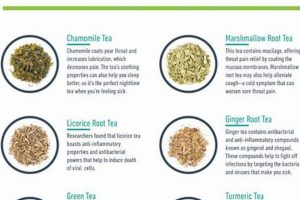
Hibiscus sabdariffa, for example, has been investigated for its potential to reduce systolic and diastolic blood pressure in individuals with mild to moderate hypertension. Conversely, licorice root, although used in some herbal tea blends, may elevate blood pressure in susceptible individuals due to its glycyrrhizic acid content. The inclusion of herbs known for their calming effects, such as chamomile or lavender, may contribute to blood pressure management indirectly through stress reduction. Furthermore, sourcing herbs from reputable suppliers is crucial to ensure authenticity and minimize the risk of contamination or adulteration.
In summary, prudent herb selection, based on scientific evidence and individual health considerations, represents a cornerstone of responsible utilization of herbal teas for blood pressure support. Understanding the pharmacological properties of different herbs, potential contraindications, and sourcing practices is essential for maximizing benefits and mitigating potential risks. This nuanced understanding allows for a tailored approach, optimizing the likelihood of positive outcomes within a comprehensive cardiovascular health strategy.
2. Preparation Methods

The methods employed in preparing herbal infusions significantly influence the extraction and bioavailability of bioactive compounds, thereby affecting their potential impact on blood pressure. Variations in water temperature, steeping time, and the ratio of herb to water can alter the concentration and composition of the resulting beverage. For instance, excessive heat or prolonged steeping may degrade certain delicate compounds, while insufficient extraction may yield a tea with reduced therapeutic potential. Consequently, standardized preparation protocols are essential to ensure consistency and predictability in the effects observed. For example, utilizing boiling water for delicate herbs like chamomile can denature active ingredients, reducing their efficacy; conversely, using water that is too cool for tougher herbs like ginger will result in incomplete extraction.
Furthermore, the form of the herbwhether fresh, dried, cut, or powderedalso impacts the extraction process. Dried herbs generally require longer steeping times compared to fresh herbs. Cut and sifted herbs provide a greater surface area for water contact, potentially leading to more efficient extraction. The use of filters or strainers during preparation can further refine the beverage by removing particulate matter that may affect taste or digestibility. Real-world examples demonstrate that individuals who meticulously adhere to recommended preparation guidelines often report more consistent and predictable effects compared to those who employ inconsistent methods. This adherence allows for a more reliable assessment of the tea’s impact on blood pressure and facilitates adjustments to the regimen as needed.
In summary, the choice of preparation methods constitutes a critical, yet often overlooked, determinant of the efficacy of herbal teas. Standardized protocols, including controlled water temperature, steeping time, and herb-to-water ratios, are paramount for maximizing the extraction of bioactive compounds and ensuring consistency in the resulting beverage. This understanding underscores the importance of informed decision-making and attention to detail in the preparation process, ultimately contributing to the responsible and effective utilization of herbal teas for blood pressure management. Further research may focus on optimizing preparation parameters for specific herbs to enhance their therapeutic potential.
3. Dosage Control

Dosage control represents a pivotal determinant in the safe and effective utilization of herbal teas for blood pressure management. The concentration of bioactive compounds within a given infusion directly influences its physiological effects, and deviations from established guidelines may lead to either therapeutic inefficacy or adverse reactions. A fundamental principle is that the blood pressure-modulating potential of herbal teas is contingent upon delivering a sufficient, yet not excessive, quantity of the relevant herbal constituents. For instance, an inadequate dose of hibiscus tea may fail to elicit a measurable hypotensive effect, while an excessive dose of certain herbs, such as licorice, could paradoxically elevate blood pressure in susceptible individuals.
The practical significance of dosage control is exemplified by individuals who self-prescribe herbal teas without appropriate guidance. Real-world scenarios demonstrate that inconsistent brewing practices, variations in herb quality, and a lack of awareness regarding safe upper limits can lead to unpredictable and potentially harmful outcomes. The absence of standardized dosage recommendations for all herbal teas further exacerbates this challenge. For example, while some research suggests that consuming 2-3 cups of hibiscus tea daily may have beneficial effects, the optimal dosage for other herbs, such as hawthorn, remains less clearly defined. Consequently, individuals are strongly advised to consult with a qualified healthcare professional or herbalist to determine a personalized dosage regimen based on their specific health status, medical history, and concurrent medications.
In conclusion, dosage control stands as an indispensable element in the responsible and informed use of herbal teas for blood pressure. A failure to adhere to established guidelines or seek professional advice can negate potential benefits and increase the risk of adverse effects. The inherent variability in herbal composition and individual physiological responses underscores the importance of a cautious and individualized approach. Addressing the challenge of inconsistent dosage recommendations through further research and standardized guidelines remains a crucial step in promoting the safe and effective utilization of herbal teas as part of a comprehensive blood pressure management strategy.
4. Potential Interactions

The concurrent use of herbal teas intended to modulate blood pressure and conventional pharmaceutical agents presents a complex scenario characterized by the potential for pharmacological interactions. These interactions can manifest as either synergistic or antagonistic effects, altering the intended therapeutic outcomes of both the herbal preparation and the prescribed medication. Understanding the mechanisms underlying these potential interactions is paramount for ensuring patient safety and optimizing treatment efficacy. For instance, the consumption of herbal teas containing ingredients with diuretic properties, such as dandelion, alongside prescription diuretics like hydrochlorothiazide, can lead to excessive fluid loss and electrolyte imbalances, increasing the risk of dehydration and cardiac arrhythmias. Similarly, herbal teas containing compounds with vasodilatory effects may potentiate the hypotensive effects of antihypertensive medications, leading to symptomatic hypotension or orthostatic hypotension. The absence of comprehensive research on the interactions between specific herbal teas and conventional medications necessitates a cautious and individualized approach, emphasizing the importance of thorough medical history review and open communication between patients and healthcare providers.
The cytochrome P450 enzyme system, a major determinant of drug metabolism, represents a critical pathway through which herbal-drug interactions may occur. Certain herbal constituents can act as either inhibitors or inducers of these enzymes, thereby affecting the rate at which medications are metabolized and eliminated from the body. For example, St. John’s Wort, although not typically consumed as a tea for blood pressure management, is a known inducer of CYP3A4, an enzyme responsible for the metabolism of many cardiovascular drugs, including calcium channel blockers and statins. The induction of CYP3A4 can lead to a reduction in the plasma concentrations of these medications, potentially compromising their effectiveness. Conversely, certain flavonoids found in herbal teas may inhibit CYP enzymes, increasing the risk of drug toxicity. Practical application of this understanding involves meticulous review of a patients medication list, followed by targeted research on the potential interactions between specific herbs and those medications. Dose adjustments of conventional medications may be necessary when used concurrently with herbal preparations.
In conclusion, potential interactions between herbal teas for blood pressure and conventional medications constitute a significant consideration in holistic cardiovascular care. The complex interplay between herbal constituents and pharmaceutical agents necessitates a cautious and individualized approach, prioritizing thorough medical history review, open communication, and a comprehensive understanding of pharmacokinetic and pharmacodynamic principles. Addressing the existing knowledge gaps through rigorous scientific research is crucial for developing evidence-based guidelines and minimizing the risk of adverse outcomes. The ongoing investigation of herbal-drug interactions will contribute to the safe and effective integration of herbal therapies into conventional medical practice, ultimately benefiting patient outcomes.
5. Monitoring Efficacy
The systematic monitoring of efficacy is an indispensable component of utilizing herbal teas for blood pressure management. This process entails the regular assessment of physiological parameters and subjective experiences to determine whether the herbal intervention is achieving its intended therapeutic objectives, and to identify any potential adverse effects. The absence of diligent monitoring can render the use of herbal teas ineffective or, in some cases, potentially harmful.
- Regular Blood Pressure Measurements
Consistent and accurate blood pressure monitoring, utilizing a validated home blood pressure monitor or professional readings, provides quantifiable data on the impact of herbal teas. These measurements should be taken at consistent times of day and under standardized conditions to minimize variability. Trends in systolic and diastolic blood pressure readings can indicate the effectiveness of the herbal intervention. For example, a sustained reduction in blood pressure following the initiation of a hibiscus tea regimen may suggest a positive response, while a lack of change or an increase in blood pressure necessitates further evaluation and potential adjustments.
- Symptom Tracking and Assessment
Beyond objective measurements, monitoring subjective symptoms is crucial for assessing the overall impact of herbal teas. Individuals should track any changes in symptoms associated with hypertension, such as headaches, dizziness, or shortness of breath. The emergence of new or worsening symptoms should prompt immediate consultation with a healthcare professional. Moreover, individuals should be attentive to any potential side effects associated with the herbal teas, such as gastrointestinal upset, allergic reactions, or changes in sleep patterns. Accurate symptom tracking enables a comprehensive assessment of the risks and benefits of the herbal intervention.
- Laboratory Testing and Biomarker Analysis
In certain cases, laboratory testing may be warranted to assess the broader impact of herbal teas on cardiovascular health. Lipid panels, renal function tests, and electrolyte levels can provide valuable insights into the effects of herbal interventions on metabolic parameters and organ function. For example, monitoring potassium levels is particularly important for individuals taking diuretics or consuming herbal teas with diuretic properties. Furthermore, emerging research suggests that certain biomarkers, such as endothelial function markers, may provide early indicators of cardiovascular health and may be used to assess the long-term impact of herbal teas.
- Medication Review and Interaction Monitoring
Concurrent use of herbal teas and conventional medications necessitates careful monitoring for potential interactions. Healthcare professionals should regularly review the patient’s medication list and assess the potential for synergistic or antagonistic effects. Adjustments to medication dosages may be necessary to maintain therapeutic efficacy and minimize the risk of adverse events. For example, the concurrent use of herbal teas with vasodilatory properties and antihypertensive medications may require a reduction in medication dosage to prevent hypotension. Open communication between patients and healthcare providers is essential for effective medication review and interaction monitoring.
The integration of these facets into a comprehensive monitoring strategy facilitates a more nuanced and informed approach to utilizing herbal teas for blood pressure management. Regular blood pressure measurements provide quantitative data on efficacy, symptom tracking captures subjective experiences, laboratory testing assesses broader health impacts, and medication review mitigates potential interactions. This holistic monitoring approach enhances patient safety, optimizes therapeutic outcomes, and promotes the responsible integration of herbal therapies into conventional cardiovascular care.
6. Safety Considerations

The domain of safety considerations within the context of herbal teas for blood pressure is paramount. It encompasses a spectrum of potential risks and mitigation strategies critical to ensuring responsible consumption and preventing adverse health outcomes. The inherent variability in herbal composition, coupled with individual physiological differences, necessitates a cautious and informed approach.
- Allergic Reactions and Sensitivities
Certain individuals may exhibit allergic reactions or sensitivities to specific herbs commonly used in blood pressure-lowering teas. These reactions can range from mild skin irritation to severe anaphylaxis. Careful attention to ingredient lists and the gradual introduction of new herbal teas are essential. Individuals with known allergies to plants in the Asteraceae (e.g., chamomile), Lamiaceae (e.g., lavender), or Rosaceae (e.g., hawthorn) families should exercise particular caution. Real-world examples include reports of urticaria following chamomile consumption and respiratory distress after exposure to hawthorn pollen. Therefore, prior history of allergic reactions is a critical element in safety assessment.
- Contraindications with Existing Medical Conditions
The consumption of certain herbal teas may be contraindicated in individuals with specific pre-existing medical conditions. For example, licorice root, often found in herbal tea blends, can exacerbate hypertension and should be avoided by individuals with pre-existing high blood pressure. Individuals with kidney disease, liver disease, or heart failure should consult with a healthcare professional before consuming herbal teas that may affect fluid balance or electrolyte levels. Furthermore, individuals undergoing surgery should discontinue herbal tea consumption at least one week prior to the procedure due to potential interactions with anesthesia and increased risk of bleeding. Failure to recognize these contraindications can lead to significant adverse health consequences.
- Potential for Contamination and Adulteration
The sourcing and processing of herbs can introduce the risk of contamination with heavy metals, pesticides, or other harmful substances. Adulteration, the intentional substitution of genuine herbs with inferior or less expensive ingredients, can also compromise the safety and efficacy of herbal teas. Selecting products from reputable suppliers who adhere to stringent quality control standards is essential to mitigate these risks. Certifications from organizations such as the United States Pharmacopeia (USP) or the National Sanitation Foundation (NSF) can provide assurance regarding product quality and purity. Real-world examples have demonstrated the presence of lead and arsenic in herbal products sourced from unregulated markets. Therefore, prioritizing quality control and third-party testing is paramount for safety.
- Impact on Pregnancy and Breastfeeding
The safety of many herbal teas during pregnancy and breastfeeding remains uncertain due to limited scientific data. Some herbs, such as hibiscus, have demonstrated potential uterotonic effects and should be avoided during pregnancy. Other herbs may be excreted in breast milk and could potentially affect the infant. Pregnant and breastfeeding women should consult with a healthcare professional before consuming any herbal teas, particularly those marketed for blood pressure management. Erring on the side of caution and avoiding the consumption of herbal teas with unknown safety profiles is generally recommended. This precaution aligns with the broader principle of minimizing potential risks to both the mother and the developing child.
These facets underscore the critical importance of a proactive and informed approach to safety considerations when incorporating herbal teas into a blood pressure management strategy. Awareness of potential allergic reactions, contraindications, contamination risks, and the unique needs of pregnant and breastfeeding women is essential for minimizing harm and maximizing the potential benefits of these botanical infusions. The integration of these safety principles into both consumer practices and healthcare provider recommendations is crucial for promoting the responsible and effective utilization of herbal teas within the context of cardiovascular health.
7. Underlying Mechanisms

A comprehensive understanding of the potential benefits of herbal teas concerning blood pressure necessitates delving into the underlying mechanisms of action. This involves examining the specific biochemical pathways and physiological processes influenced by the bioactive compounds present within these herbal infusions. Elucidating these mechanisms provides a scientific basis for evaluating efficacy and safety.
- Vasodilation via Nitric Oxide Modulation
Many herbal teas are purported to induce vasodilation, thereby reducing peripheral resistance and lowering blood pressure. This effect may be mediated through the modulation of nitric oxide (NO) production and bioavailability. NO is a potent vasodilator that relaxes smooth muscle cells in blood vessel walls. Certain compounds present in herbal teas, such as flavonoids and polyphenols, may enhance endothelial NO synthase (eNOS) activity, leading to increased NO synthesis. Additionally, some herbs may protect NO from degradation by scavenging free radicals. For instance, hibiscus tea has been shown in some studies to increase NO levels, contributing to its hypotensive effects. However, the specific compounds responsible and the precise mechanisms involved require further investigation. Incomplete understanding of the exact pathways can lead to variability in observed effects.
- Angiotensin-Converting Enzyme (ACE) Inhibition
Angiotensin-converting enzyme (ACE) plays a crucial role in the renin-angiotensin-aldosterone system (RAAS), a hormonal pathway that regulates blood pressure and fluid balance. ACE converts angiotensin I to angiotensin II, a potent vasoconstrictor. Certain herbal teas are theorized to exert hypotensive effects by inhibiting ACE activity, thereby reducing angiotensin II levels and promoting vasodilation. For example, some studies have suggested that specific peptides or phenolic compounds found in certain herbal infusions may act as ACE inhibitors. However, the ACE inhibitory activity of herbal teas is generally weaker than that of synthetic ACE inhibitor drugs. Furthermore, the bioavailability of these ACE inhibitory compounds may be limited, reducing their overall effectiveness. More research is needed to identify specific herbs with significant ACE inhibitory activity and to optimize their delivery to target tissues.
- Diuretic Effects and Sodium Excretion
Some herbal teas exhibit diuretic properties, promoting increased urine production and sodium excretion. This can lead to a reduction in blood volume and a corresponding decrease in blood pressure. The diuretic effects of herbal teas may be mediated by various mechanisms, including the inhibition of sodium reabsorption in the kidneys and the stimulation of renal blood flow. For example, dandelion tea is often used as a natural diuretic. However, excessive diuretic activity can lead to dehydration, electrolyte imbalances, and other adverse effects. The diuretic potency of herbal teas is generally mild compared to that of prescription diuretics, and their use should be monitored carefully, especially in individuals with pre-existing kidney disease or those taking other diuretic medications. Precise measurement of sodium excretion following consumption of specific herbal teas would strengthen the evidence base.
- Influence on the Nervous System and Stress Reduction
The autonomic nervous system plays a significant role in regulating blood pressure. The sympathetic nervous system, in particular, activates the “fight-or-flight” response, leading to increased heart rate, vasoconstriction, and elevated blood pressure. Certain herbal teas, such as chamomile and lavender, are known for their calming and anxiolytic effects. These teas may help to lower blood pressure indirectly by reducing stress and anxiety, thereby modulating sympathetic nervous system activity. The precise mechanisms by which these herbs exert their calming effects are complex and may involve interactions with neurotransmitter systems, such as the GABAergic system. While stress reduction is a well-established component of blood pressure management, the specific contribution of herbal teas to this process requires further quantification and validation. Measuring stress hormones before and after consumption could provide valuable insights.
In summary, the underlying mechanisms by which herbal teas may influence blood pressure are multifaceted and involve a complex interplay of biochemical and physiological processes. Vasodilation, ACE inhibition, diuretic effects, and nervous system modulation are among the key mechanisms proposed. However, the scientific evidence supporting these mechanisms is often limited and requires further investigation. Rigorous clinical trials, coupled with detailed mechanistic studies, are needed to fully elucidate the potential benefits and risks of using herbal teas as part of a comprehensive blood pressure management strategy. Precise quantification of active compounds and their bioavailability is essential for establishing a solid scientific foundation.
Frequently Asked Questions Regarding Herbal Teas for Blood Pressure
This section addresses common inquiries and misconceptions surrounding the use of herbal teas as a complementary approach to blood pressure management. The information presented is intended for educational purposes and should not be interpreted as medical advice.
Question 1: Are herbal teas a substitute for prescribed blood pressure medication?
Herbal teas are not a substitute for prescribed antihypertensive medications. Individuals diagnosed with hypertension should adhere to their healthcare provider’s recommendations regarding pharmaceutical interventions. Herbal teas may be considered as an adjunct therapy, but only under the guidance and supervision of a qualified medical professional.
Question 2: How quickly can herbal teas lower blood pressure?
The timeframe for observing a reduction in blood pressure following the consumption of herbal teas varies depending on individual factors, the specific herbs used, and the dosage. Some individuals may experience a noticeable effect within a few weeks, while others may require a longer period of consistent consumption. It is crucial to monitor blood pressure regularly and consult with a healthcare provider to assess the effectiveness of the herbal intervention.
Question 3: Are there any herbal teas that should be avoided by individuals with hypertension?
Certain herbal teas, such as those containing licorice root, may elevate blood pressure and should be avoided by individuals with hypertension. Additionally, individuals with specific medical conditions or those taking certain medications should consult with a healthcare provider to identify any potential contraindications or interactions.
Question 4: Can herbal teas interact with prescription medications?
Yes, herbal teas can interact with prescription medications. Certain herbal constituents may affect the metabolism or efficacy of pharmaceutical agents. Individuals taking prescription medications should inform their healthcare provider about their intention to consume herbal teas to assess the potential for interactions and make any necessary adjustments to their treatment plan.
Question 5: What is the recommended dosage of herbal tea for blood pressure management?
The recommended dosage of herbal tea varies depending on the specific herbs used and individual factors. General guidelines suggest consuming 2-3 cups of herbal tea per day, but it is essential to consult with a qualified herbalist or healthcare provider for personalized dosage recommendations.
Question 6: Are there any side effects associated with the consumption of herbal teas for blood pressure?
The consumption of herbal teas can be associated with side effects, such as allergic reactions, gastrointestinal upset, and electrolyte imbalances. Individuals should be attentive to any adverse symptoms and discontinue use if necessary. Consulting with a healthcare provider can help identify potential risks and mitigate side effects.
The responsible and informed use of herbal teas necessitates a comprehensive understanding of potential benefits, risks, and interactions. Consulting with qualified healthcare professionals and adhering to established guidelines are crucial for ensuring safety and optimizing therapeutic outcomes.
The subsequent section will present a summary of the key findings and recommendations regarding the use of herbal teas for blood pressure.
Conclusion
The preceding exploration of “herbal teas for blood pressure” has elucidated a complex landscape of potential benefits, limitations, and risks. The reviewed evidence suggests that certain herbal infusions, when judiciously selected and prepared, may offer adjunctive support for blood pressure management. However, these botanical preparations are not substitutes for conventional medical treatments and should be integrated into a comprehensive care plan under the guidance of qualified healthcare professionals. The existing body of research underscores the importance of rigorous scientific investigation to fully characterize the efficacy and safety profiles of specific herbs.
Continued research is essential to establish standardized dosage guidelines, identify potential interactions with pharmaceutical agents, and elucidate the underlying mechanisms of action. A commitment to evidence-based practice and informed decision-making remains paramount. Individuals considering the use of herbal teas as part of a blood pressure management strategy must prioritize patient safety through open communication with healthcare providers, diligent monitoring of physiological parameters, and a comprehensive understanding of potential contraindications and adverse effects. The future of herbal tea integration in cardiovascular care hinges on responsible application and ongoing scientific scrutiny.