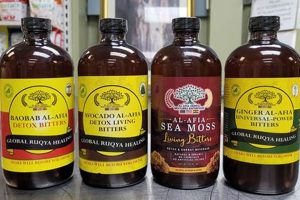
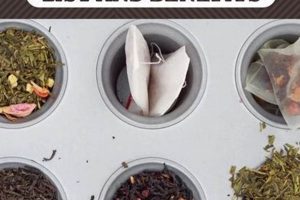
A dedicated storage space for medicinal plants, dried herbs, and herbal preparations functions as a centralized resource for natural remedies. This area, often a cupboard, cabinet, or designated shelving unit, provides organized access to ingredients used in teas, tinctures, salves, and other therapeutic applications. For example, a properly maintained location of this type ensures that chamomile flowers, lavender buds, and dried peppermint leaves are readily available for infusions to promote relaxation or alleviate digestive discomfort.
The practice of maintaining such a collection offers several advantages. It allows for convenient self-care, empowering individuals to address minor ailments with natural alternatives. Furthermore, this organized repository facilitates the preservation of herbal traditions and knowledge, connecting users to time-honored practices. Historically, apothecaries and traditional healers relied on similarly organized systems to manage and dispense herbal medicines, highlighting the enduring value of this approach.
The effective management of this resource necessitates careful consideration of factors such as proper drying and storage techniques to prevent degradation of plant materials. Understanding the specific properties and potential interactions of each herb is also crucial for safe and effective utilization. The subsequent sections will delve into detailed guidelines for establishing and maintaining such a collection, focusing on optimal storage conditions, common herbal remedies, and safe usage practices.
Herbal Closet Management
The efficient organization and maintenance of a dedicated space for herbal remedies ensures the longevity and efficacy of stored botanicals. Implementing the following strategies will optimize this resource for therapeutic use.
Tip 1: Light Exclusion: Direct sunlight degrades the potency of many herbs. Opt for opaque containers or store herbs in a dark location to preserve their medicinal properties.
Tip 2: Moisture Control: Excess moisture fosters mold growth and reduces the shelf life of dried herbs. Utilize airtight containers with desiccants to maintain a dry environment.
Tip 3: Temperature Regulation: High temperatures accelerate the breakdown of volatile oils in herbs. Keep storage areas cool, ideally below 70F (21C), to maximize potency.
Tip 4: Proper Labeling: Clearly label each container with the herb’s name, date of purchase or harvest, and any relevant notes, such as source or preparation method. This prevents misidentification and ensures accurate record-keeping.
Tip 5: Routine Inspection: Regularly inspect stored herbs for signs of spoilage, such as discoloration, unusual odors, or insect infestation. Discard any compromised materials promptly.
Tip 6: Strategic Organization: Arrange herbs by category, such as by ailment addressed (e.g., digestive, respiratory) or by plant part (e.g., leaf, root, flower), to facilitate quick and easy access.
Tip 7: Container Selection: Glass jars or metal tins are preferable to plastic containers, as plastic can leach chemicals into the herbs over time. Ensure containers are food-grade and airtight.
Implementing these tips optimizes the longevity and therapeutic value of herbal provisions. Careful attention to these details allows for consistent access to quality botanical remedies.
Subsequent sections of this discussion will explore specific herbal preparations and their applications, building upon the foundation of effective storage practices outlined above.
1. Organization

Effective organization within the space dedicated to herbal remedies is paramount to ensure efficiency, safety, and accessibility. A structured system allows for swift retrieval of necessary ingredients, minimizes the risk of error, and contributes to the overall longevity and usability of the resource.
- Categorization by Ailment or Use
Grouping herbs according to their intended application, such as digestive aids, sleep support, or skin remedies, streamlines the selection process. This categorical approach allows for rapid identification of appropriate herbs when addressing specific health concerns. For example, grouping peppermint, ginger, and chamomile together under a “digestive support” category facilitates quick access to these herbs when experiencing gastrointestinal discomfort.
- Alphabetical Arrangement
An alphabetical system provides a straightforward method for locating individual herbs, particularly when familiarity with specific plant properties is limited. This approach eliminates the need to recall the purported benefits of each herb, enabling a quick search based solely on name recognition. This method would be especially valuable when someone unfamiliar with the specific collection of herbs needs to locate a specific ingredient.
- Separation of Plant Parts
Organizing herbs by the specific part of the plant used such as roots, leaves, flowers, or seeds can be beneficial, especially when multiple parts of the same plant are utilized for different purposes. This distinction can prevent accidental substitution and ensures that the correct plant part is selected for a particular preparation. For example, differentiating between chamomile flowers (for tea) and chamomile root (historically used, though less common, for other applications) avoids potential confusion.
- Dating and Rotation of Stock
Implementing a system for dating each herb upon acquisition and regularly rotating the stock ensures freshness and potency. Placing older herbs at the front and newer herbs at the back promotes the use of the oldest materials first, preventing them from expiring before use. This reduces waste and guarantees that the herbal collection remains effective over time.
The aforementioned organizational strategies, when applied to an herb storage space, collectively contribute to its usability and effectiveness. These facets, working in concert, transform a collection of botanicals into a reliable resource for natural health support, increasing the utility and value.
2. Potency Preservation

The sustained efficacy of herbal remedies is contingent upon meticulous preservation techniques applied within the confines of the designated storage area. Without proper attention to environmental factors and storage methods, the therapeutic value of even the most carefully sourced botanicals diminishes over time. Maximizing the longevity and potency of stored herbs is therefore an integral aspect of managing a resource of this type.
- Light Exposure Mitigation
Ultraviolet radiation from sunlight degrades the chemical compounds responsible for the therapeutic properties of many herbs. Storing herbs in opaque containers or in dark, enclosed spaces shields them from light-induced deterioration. For instance, essential oils within lavender flowers or St. John’s Wort are particularly susceptible to photodegradation. Effective light exclusion is crucial to maintain their medicinal integrity.
- Humidity Regulation
Excessive moisture promotes mold and bacterial growth, rendering herbs unusable and potentially harmful. Maintaining a low-humidity environment within the storage space, through the use of desiccants or proper ventilation, prevents spoilage. Dried herbs, such as those used in teas or tinctures, are especially vulnerable to moisture absorption. Consistent humidity control is necessary to ensure their safety and efficacy.
- Temperature Stability
Elevated temperatures accelerate the decomposition of volatile oils and other active constituents in herbs. Storing herbs in a cool, stable environment minimizes the rate of degradation. For example, the aromatic compounds in peppermint leaves dissipate more rapidly at higher temperatures, diminishing their therapeutic value. Temperature regulation is thus a critical factor in preserving the potency of heat-sensitive herbs.
- Airtight Sealing
Exposure to air can oxidize and degrade the active compounds in herbs, reducing their therapeutic effectiveness. Utilizing airtight containers minimizes oxygen exposure and helps to preserve the integrity of herbal preparations. Finely ground herbs, such as turmeric or ginger powder, have a larger surface area exposed to air and are therefore particularly susceptible to oxidation. Proper sealing extends their shelf life and maintains their medicinal qualities.
Collectively, these preservation strategies contribute to the long-term viability and therapeutic value of herbal remedies stored in a dedicated space. Implementing these practices is vital for ensuring consistent access to potent and effective natural medicines. Inconsistent application of these methods can undermine the entire purpose, resulting in a repository of herbs with limited or nonexistent therapeutic benefit.
3. Accurate Identification

The efficacy and safety of herbal remedies hinge critically on accurate identification of plant materials stored within a dedicated herbal repository. Misidentification poses a significant risk of adverse reactions, ineffectiveness, or even toxicity. A properly managed collection necessitates a system to ensure that each stored herb is correctly labeled and distinguishable from others, preventing potential harm arising from unintentional substitution.
The consequences of inaccurate identification can range from mild to severe. For example, mistakenly using foxglove (Digitalis purpurea), a potent cardiac glycoside, instead of comfrey (Symphytum officinale), a plant traditionally used for wound healing, could lead to serious cardiac complications. Similarly, confusing chamomile (Matricaria chamomilla), known for its calming properties, with dog fennel (Anthemis cotula), which can cause skin irritation, would negate the intended therapeutic effect and potentially cause discomfort. Clear labeling, verified sourcing, and consistent cross-referencing with reliable botanical resources are essential to mitigate these risks.
Therefore, integrating robust identification protocols into the management practices of an herb storage space is not merely a matter of organizational convenience; it is a fundamental imperative for responsible and safe use of herbal medicines. These systems include not only clear and unambiguous labeling but also regular verification of plant identities through visual inspection, comparison with reference samples, and, when necessary, consultation with experienced herbalists or botanists. This commitment to precision ensures that the potential benefits of herbal remedies are realized without compromising patient safety.
4. Safe Usage
Safe utilization of herbal remedies sourced from a dedicated storage area necessitates a comprehensive understanding of each plant’s properties, potential interactions, and appropriate dosages. A centralized location for herbs, while convenient, also centralizes the potential for harm if safe usage protocols are not meticulously observed. Consequently, adherence to evidence-based guidelines and avoidance of unsubstantiated claims are essential to mitigate risks associated with self-treatment using botanicals. Factors contributing to safe usage include accurate plant identification, awareness of contraindications, proper preparation methods, and monitoring for adverse reactions. For instance, incorrect preparation of a concentrated herbal tea could lead to unintended toxicity, while overlooking potential interactions with prescription medications could compromise patient safety.
The organizational structure of a designated herbal storage space directly impacts the capacity for safe usage. Clearly labeled containers, accompanied by detailed information regarding appropriate applications, dosages, and potential risks, facilitate informed decision-making. Conversely, a disorganized or poorly documented collection increases the likelihood of errors in selection and preparation. Moreover, awareness of individual sensitivities and allergies is paramount. Individuals with known allergies to plants within the Asteraceae family, for example, must exercise caution when using herbs such as chamomile or echinacea. Additionally, specific populations, including pregnant or breastfeeding women and individuals with pre-existing medical conditions, require specialized guidance from qualified healthcare professionals prior to using herbal remedies.
In conclusion, integrating principles of safe usage into the management of a herbal storage space is not merely an advisory measure but an ethical imperative. The accessible nature of such a resource necessitates a proactive approach to risk mitigation, emphasizing education, documentation, and responsible sourcing. By prioritizing safety at every stage, from plant identification to preparation and administration, the potential benefits of herbal remedies can be realized while minimizing the risk of adverse events. Challenges remain in ensuring consistent adherence to these principles, particularly in the absence of standardized regulations and comprehensive education. However, continued emphasis on evidence-based practices and responsible self-care will contribute to a safer and more effective integration of herbal medicine into personal wellness practices.
5. Accessibility
Accessibility, within the context of a home-based herbal repository, directly influences its utility as a resource for self-care and natural remedies. Ease of access dictates the promptness with which individuals can address minor ailments or integrate herbal preparations into daily routines. A poorly organized or remotely located storage area diminishes the likelihood of consistent usage, effectively negating the potential benefits of maintaining such a collection. Therefore, strategic placement and organizational methods play a critical role in determining the practical value of a system like this one.
Consider, for example, an individual experiencing the onset of a cold. If the necessary herbs for a decongestant tea (such as peppermint, eucalyptus, or ginger) are readily available in a central, well-organized location, the individual can promptly prepare the remedy and potentially alleviate symptoms. Conversely, if the herbs are stored in a distant, cluttered area, the effort required to locate and prepare the tea may deter the individual, leading to reliance on alternative solutions. Similarly, consider an individual needing a calming infusion before bedtime. A readily accessible collection of lavender and chamomile facilitates relaxation, while a poorly maintained resource hinders the establishment of this beneficial practice. This illustrates the importance of accessibility as a critical component of an organized resource.
In summary, the relationship between accessibility and a home-based herbal repository is a symbiotic one. Without convenient access, the potential benefits of the collection are significantly reduced. Conversely, a well-organized resource, readily accessible, empowers individuals to proactively manage their health and integrate natural remedies into their daily lives. Challenges remain in maintaining consistent organization and accessibility, particularly in households with limited space or time. However, prioritizing these aspects maximizes the practical value and contributes to the overall effectiveness of the dedicated herbal remedy resource.
Frequently Asked Questions
This section addresses common inquiries regarding the establishment, maintenance, and responsible utilization of a dedicated space for storing herbal remedies.
Question 1: What constitutes an appropriate location for an herbal closet?
Ideal locations include cool, dark, and dry environments, such as pantries, cupboards away from direct sunlight, or designated shelving units in temperature-controlled rooms. Proximity to heat sources and areas with high humidity should be avoided to prevent degradation of plant materials.
Question 2: How can insect infestation within an herbal closet be prevented?
Regular inspection of stored herbs for signs of infestation is crucial. Airtight containers, bay leaves placed among the herbs, and thorough cleaning of the storage area can deter pests. Infested herbs should be discarded immediately to prevent further contamination.
Question 3: What is the recommended shelf life for dried herbs stored in an herbal closet?
While shelf life varies depending on the herb and storage conditions, most dried herbs retain their potency for approximately one year. Regularly assessing the aroma and color of herbs can indicate their freshness. Herbs exhibiting a diminished scent or faded color should be replaced.
Question 4: How should herbal preparations, such as tinctures and salves, be stored within the herbal closet?
Tinctures should be stored in airtight, dark-colored glass bottles away from direct sunlight. Salves should be kept in airtight containers in a cool, dark place. Proper labeling with the date of preparation and ingredients is essential.
Question 5: Are there specific herbs that should not be stored together in an herbal closet?
While not a strict requirement, storing potent or potentially allergenic herbs separately from milder, commonly used herbs can prevent accidental misidentification or cross-contamination. This is particularly important for herbs with strong aromas that might permeate other materials.
Question 6: How can the safety of herbs sourced from a home herbal closet be ensured?
Prioritizing reputable sources for herbs, verifying plant identification using reliable botanical resources, and adhering to recommended dosages are essential for safe utilization. Consulting with a qualified healthcare professional or experienced herbalist is recommended before using herbs for medicinal purposes, especially for individuals with pre-existing medical conditions or those taking prescription medications.
Proper management of a dedicated herb storage space is crucial for ensuring both the efficacy and safety of stored remedies. Careful attention to storage conditions, organization, and plant identification are vital for maximizing the benefits of natural medicine.
The following section will explore advanced topics in herbalism and expand on the foundational knowledge presented thus far.
Herbal Closet
This exploration has addressed the multifaceted aspects of a dedicated herbal storage area, encompassing organizational strategies, preservation techniques, accurate identification protocols, safe usage guidelines, and accessibility considerations. The intent has been to provide a framework for establishing and maintaining a resource that is both efficacious and safe, thereby maximizing the potential benefits of herbal remedies while minimizing associated risks.
Effective management of this type of resource demands a commitment to diligence and informed practice. Continued emphasis on accurate botanical knowledge, responsible sourcing, and adherence to evidence-based guidelines is essential for ensuring the long-term viability and safety of herbal medicine as a component of personal wellness. The responsible management of this resources serves as an important facet of health self-sufficiency.