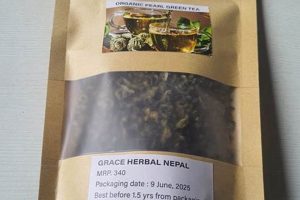
The question of whether a particular beverage qualifies as a herbal infusion centers on its composition. True teas, such as black, green, and oolong, are derived from the Camellia sinensis plant. Herbal infusions, conversely, originate from other plants, utilizing their leaves, stems, flowers, roots, or seeds. If a drink is not made from Camellia sinensis, it is generally considered a herbal beverage.
The distinction is significant due to varying chemical compositions and potential health effects. Herbal infusions, sometimes called tisanes, often boast a rich array of vitamins, minerals, and antioxidants, contributing to overall wellness. Their consumption is prevalent in many cultures, spanning centuries, for both enjoyment and medicinal purposes, addressing a diverse range of ailments and promoting general health.
This understanding establishes a foundation for further exploration into the specific characteristics, brewing methods, and potential therapeutic applications of plant-derived beverages.
Considerations Regarding Rooibos as a Herbal Infusion
The following points offer insight into understanding the classification of rooibos as a herbal beverage.
Tip 1: Understand the Botanical Origin: Rooibos originates from the Aspalathus linearis plant, indigenous to South Africa. Its distinct botanical source, separate from Camellia sinensis, is a key factor.
Tip 2: Recognize the Absence of Tea Compounds: Unlike true teas, rooibos does not contain caffeine or tannins in significant amounts. This absence contributes to its categorization as a herbal infusion.
Tip 3: Appreciate the Unique Flavor Profile: The distinctive flavor of rooibos, often described as earthy, sweet, and slightly nutty, derives from its specific plant composition and curing process. This contrasts significantly with the flavor profiles of true teas.
Tip 4: Consider the Health Implications: Rooibos is often consumed for its potential health benefits, attributed to its antioxidant properties and mineral content. These properties align with those typically associated with herbal remedies.
Tip 5: Distinguish from Flavored Teas: While true teas can be flavored with herbs and spices, rooibos stands alone as a naturally herbal beverage, requiring no additives for its characteristic taste and properties.
Tip 6: Research the Processing Methods: The processing of rooibos, involving oxidation and drying, influences its final color and flavor. Understanding these processes can clarify its distinction from the minimal processing required for certain green teas.
These considerations emphasize the fundamental aspects of rooibos, supporting its consistent classification as a herbal infusion rather than a true tea.
This understanding provides a solid foundation for appreciating the diverse world of plant-based beverages and their unique characteristics.
1. Botanical Origin

The botanical origin of a beverage is the foundational element in determining its classification, particularly when considering whether it qualifies as a herbal infusion. This factor directly influences its chemical composition, flavor profile, and overall categorization. In the specific case of rooibos, its unique botanical source definitively positions it within the realm of herbal beverages.
- Species Identification
Rooibos originates exclusively from the Aspalathus linearis plant, a broom-like shrub endemic to the Cederberg region of South Africa. Accurate species identification is crucial, as this plant is the sole source of genuine rooibos. Misidentification can lead to the inclusion of other plants, which would then disqualify the product from being considered pure rooibos. For example, if a beverage labeled as rooibos contains leaves from a different Aspalathus species, its properties and potential benefits may differ significantly.
- Geographical Significance
The Cederberg region’s unique climate and soil conditions contribute to the distinct characteristics of Aspalathus linearis. Rooibos grown outside this region may exhibit subtle variations in flavor and chemical composition. This geographical link underscores the importance of origin in determining the authenticity and quality of the final product. For instance, attempts to cultivate rooibos in other parts of the world have not fully replicated the specific attributes of Cederberg-grown rooibos.
- Phytochemical Composition
The specific phytochemicals present in Aspalathus linearis are responsible for rooibos’s distinctive flavor, color, and potential health benefits. These compounds, including aspalathin and nothofagin, are not typically found in true teas (derived from Camellia sinensis). The presence and concentration of these unique phytochemicals directly influence rooibos’s classification as a herbal infusion. For example, the antioxidant properties attributed to rooibos are largely due to the presence of these specific compounds.
- Distinction from Camellia sinensis
A fundamental aspect of botanical origin is the clear distinction between Aspalathus linearis and Camellia sinensis. True teas are derived exclusively from the latter, and the presence of Camellia sinensis automatically classifies a beverage as a tea, not a herbal infusion. The absence of Camellia sinensis in rooibos is the primary reason for its categorization as herbal. Blending rooibos with Camellia sinensis would create a tea blend, not pure rooibos.
The multifaceted connection between botanical origin and rooibos highlights the plant’s unique properties. Because rooibos derives solely from Aspalathus linearis grown primarily in a limited region and contains phytochemicals distinct from those found in Camellia sinensis, it solidifies its place as a herbal beverage. The origin story ensures that each sip provides a unique brew with qualities tied directly to its source.
2. Absence of Camellia sinensis
The absence of Camellia sinensis is the definitive criterion for classifying rooibos as a herbal infusion rather than a true tea. The Camellia sinensis plant serves as the exclusive source for all varieties of true tea, including black, green, white, and oolong. Therefore, any beverage not derived from this plant categorically cannot be considered a tea in the traditional sense. Rooibos, being sourced from Aspalathus linearis, inherently lacks any components originating from Camellia sinensis. This fundamental difference dictates its classification as a herbal infusion.
The practical significance of this distinction extends beyond mere nomenclature. The absence of Camellia sinensis directly affects the chemical composition of the beverage. True teas contain caffeine and tannins, compounds absent or present in significantly lower concentrations in rooibos. This difference impacts the physiological effects of the beverage on the consumer. Individuals sensitive to caffeine can consume rooibos as a caffeine-free alternative to tea. Furthermore, the lower tannin content in rooibos may enhance mineral absorption compared to true teas, where tannins can inhibit mineral uptake. A restaurant menu listing rooibos under “Teas” might mislead customers seeking a caffeine-free alternative. Proper labeling is crucial for accurate consumer understanding.
In summary, the lack of Camellia sinensis is not merely a technical detail but the essential factor determining rooibos’s classification as a herbal infusion. This absence dictates its unique chemical composition, resulting in distinct physiological effects and contributing to its value as a caffeine-free alternative. This fundamental botanical difference influences consumer choices and should be clearly communicated to avoid misleading expectations.
3. Caffeine-Free Composition

The caffeine-free nature of rooibos is a pivotal attribute that solidifies its classification as a herbal infusion rather than a true tea. This characteristic distinguishes it from beverages derived from Camellia sinensis and contributes significantly to its appeal and perceived health benefits.
- Absence of Methylxanthines
Rooibos, by its very nature, lacks methylxanthines, the class of compounds to which caffeine belongs. This absence results from its botanical origin, Aspalathus linearis, a plant that does not produce these stimulating compounds. The absence of caffeine is not merely a trace absence but a complete lack of the substance, verified through chemical analysis. This is unlike decaffeinated teas, which undergo processing to remove caffeine but may still retain trace amounts. For individuals with caffeine sensitivity or those seeking to avoid stimulants, this complete absence is a key differentiator.
- Impact on Physiological Effects
The lack of caffeine in rooibos directly influences its physiological effects. Unlike caffeinated beverages, rooibos does not stimulate the central nervous system, elevate heart rate, or induce anxiety. This absence of stimulant effects makes it a suitable beverage for consumption at any time of day, including before sleep. Studies comparing rooibos to caffeinated beverages consistently demonstrate these contrasting physiological responses. Parents seeking a warm drink for their children often choose rooibos for this very reason.
- Consumer Appeal and Market Positioning
The caffeine-free status of rooibos significantly impacts its consumer appeal and market positioning. It caters to a specific segment of the population seeking beverages devoid of stimulants. This market includes pregnant women, individuals with anxiety disorders, and those sensitive to the effects of caffeine. Rooibos is often marketed as a natural and healthy alternative to caffeinated beverages, highlighting its lack of stimulants as a primary selling point. Its prominence in health food stores and specialty tea shops is a testament to its appeal within this niche.
- Comparison to Other Herbal Infusions
While many herbal infusions are naturally caffeine-free, the reliability and consistency of rooibos in this regard are noteworthy. Unlike some herbal blends that may be inadvertently contaminated with tea leaves, pure rooibos consistently tests negative for caffeine. This reliability enhances its credibility as a caffeine-free beverage and reinforces its classification as a true herbal infusion. Routine testing of rooibos products for caffeine confirms this consistently low to nonexistent level of caffeine.
The caffeine-free composition of rooibos is therefore not just a passive characteristic but an active determinant in shaping its identity as a herbal infusion. The absence of this stimulant distinguishes it from traditional teas, impacts its physiological effects, broadens its consumer appeal, and reinforces its position as a reliable and healthy alternative. The consistent absence of caffeine makes it a predictable, and thus, trustworthy choice for a growing consumer base.
4. Distinctive Flavor Profile

The distinctive flavor profile of rooibos serves as a key indicator in its classification as a herbal infusion, distinguishing it from true teas derived from Camellia sinensis. This unique sensory experience stems from the plant’s inherent chemical composition and the specific processing methods employed, ultimately contributing to its herbal identity.
- Absence of Tannin Bitterness
Unlike traditional teas, rooibos possesses a significantly lower tannin content. Tannins contribute to the astringent or bitter taste often associated with black and green teas. The reduced presence of these compounds in rooibos results in a smoother, less astringent flavor, contributing to its categorization as a milder, more palatable alternative to true teas. This characteristic makes rooibos a favorable choice for those sensitive to bitter tastes or seeking a less intense beverage.
- Presence of Unique Phenolic Compounds
Rooibos contains a range of phenolic compounds not typically found in Camellia sinensis. These include aspalathin and nothofagin, antioxidants that contribute to the characteristic sweet, slightly nutty flavor. The presence of these compounds is a direct result of rooiboss distinct botanical origin, further reinforcing its herbal distinction. The specific ratio and concentration of these compounds influence the overall flavor complexity, providing a sensory profile that sets it apart from true teas.
- Influence of Fermentation and Oxidation
The fermentation process applied to rooibos leaves affects its color and flavor intensity. Green rooibos, which is unfermented, retains a grassy, slightly vegetal taste. Traditional red rooibos, fermented and oxidized, develops a deeper, sweeter, and more robust flavor profile. These varying processing methods offer a range of flavor experiences within the rooibos category, but all remain distinct from the flavors achieved through the processing of Camellia sinensis leaves.
- Aromatic Volatiles Composition
The specific volatile compounds present in rooibos contribute to its aroma, further differentiating it from traditional teas. These volatile compounds, released during brewing, create a complex aromatic profile that can include notes of vanilla, caramel, and honey. While true teas also possess unique aromas, the specific compounds and their resulting sensory perceptions differ significantly, solidifying rooibos’s classification based on its unique aromatic signature.
The distinctive flavor profile of rooibos, shaped by its low tannin content, presence of unique phenolic compounds, fermentation processes, and volatile aroma composition, is a key determinant in its classification as a herbal infusion. These sensory characteristics, readily distinguishable from the flavor profiles of true teas, underscore its unique botanical origin and solidify its position within the realm of herbal beverages. These components are a direct outcome from the rooibos plant itself and cannot be achieved through methods used to brew traditional teas.
5. Traditional Herbal Use

The historical application of a plant provides significant insight into its classification as a herbal remedy or infusion. In the context of determining whether a beverage aligns with herbal categories, examining its traditional uses unveils valuable information regarding its perceived properties and applications within cultural and medicinal contexts. This is particularly relevant to the question of rooibos and its place in the spectrum of herbal beverages.
- Indigenous Medicinal Applications
Prior to widespread commercialization, the indigenous Khoisan people of South Africa utilized rooibos for various medicinal purposes. These applications included alleviating digestive issues, reducing skin irritations, and promoting relaxation. This traditional knowledge, passed down through generations, suggests that rooibos was perceived as possessing therapeutic properties beyond simple hydration. The specific preparations and applications employed by the Khoisan provide evidence of its perceived medicinal value, differing from the purely recreational use of certain beverages. For instance, rooibos extracts were often applied topically to soothe eczema and other skin conditions, demonstrating a distinct application outside the realm of common teas.
- Absence of Culinary Use as a Staple
While rooibos was undoubtedly consumed as a beverage, its historical usage did not align with the culinary role of true teas in many cultures. It was not typically employed as a daily staple or accompaniment to meals in the same manner as black or green tea. Instead, its consumption was often associated with specific health needs or as a relaxing beverage consumed in the evening. This difference in usage patterns underscores its herbal classification, indicating a focus on its perceived health benefits rather than its purely culinary attributes. The limited historical presence of rooibos in formal culinary practices, compared to the widespread integration of true teas, strengthens this distinction.
- Traditional Preparations and Remedies
Traditional rooibos preparations often involved specific methods intended to maximize its perceived medicinal properties. These methods included decoction (boiling to extract compounds) and infusion (steeping in hot water), suggesting a deliberate attempt to harness its potential benefits. Furthermore, rooibos was sometimes combined with other herbs to create synergistic remedies, highlighting its role as an active ingredient in traditional healing practices. These preparations differed significantly from the simple brewing methods typically applied to true teas, emphasizing the intent to extract specific therapeutic compounds. For example, rooibos was frequently combined with honey and lemon to soothe coughs and sore throats, resembling a traditional herbal remedy more than a standard tea preparation.
- Ethnobotanical Documentation and Knowledge
Ethnobotanical studies documenting the traditional knowledge and uses of rooibos provide further evidence of its herbal classification. These studies record the specific ailments for which rooibos was traditionally used, the methods of preparation, and the perceived benefits. This body of knowledge, preserved through oral tradition and documented in academic research, solidifies rooibos’s position as a plant with historical medicinal applications. The consistent documentation of rooibos’s use in treating specific conditions, such as infant colic and skin inflammation, distinguishes it from beverages consumed solely for their flavor or stimulant effects.
Examining the traditional herbal applications of rooibos reveals a consistent pattern of medicinal and therapeutic uses, aligning with the characteristics of a herbal infusion. The specific preparations, documented ethnobotanical knowledge, and historical applications all point towards its recognition as a plant with health-promoting properties, further solidifying its distinction from true teas primarily consumed for their flavor and stimulant effects. Thus, these uses affirm that rooibos should be considered an herbal beverage.
Frequently Asked Questions
The following questions address common inquiries and clarify the classification of rooibos.
Question 1: What criteria determine whether a beverage qualifies as a herbal infusion?
A beverage’s categorization as a herbal infusion hinges on its botanical origin. If it originates from a plant other than Camellia sinensis, the source of true teas, it is typically considered a herbal infusion.
Question 2: Does the absence of caffeine automatically classify a beverage as herbal?
While many herbal infusions are naturally caffeine-free, this is not the sole determinant. The absence of Camellia sinensis, regardless of caffeine content, is the primary factor. Some herbal blends may contain added tea leaves, thereby disqualifying them as purely herbal.
Question 3: How does the flavor of rooibos differ from traditional teas?
Rooibos lacks the astringency commonly associated with black or green tea due to lower tannin levels. It possesses a distinctive sweet and slightly nutty flavor profile resulting from unique phenolic compounds not typically found in Camellia sinensis.
Question 4: Can rooibos be accurately described as a red tea?
While often referred to as “red tea” due to its color after fermentation, this term is a misnomer. True teas originate from Camellia sinensis, regardless of their color. “Red tea” is a colloquial term and not a botanically accurate descriptor for rooibos.
Question 5: Are there any potential drawbacks to consuming rooibos?
Rooibos is generally considered safe for consumption. However, individuals with specific allergies should exercise caution, as with any plant-based product. While rare, allergic reactions to rooibos have been documented. Consult a healthcare professional if concerns arise.
Question 6: Does processing affect rooibos’s herbal classification?
Processing methods, such as fermentation, influence the flavor and color of rooibos but do not alter its fundamental herbal classification. Whether green (unfermented) or red (fermented), it remains derived from Aspalathus linearis and therefore is herbal.
In summary, the determination of whether rooibos fits within the herbal category hinges on its botanical origin, chemical composition, and traditional uses. These factors collectively confirm its position as a herbal infusion, distinct from true teas.
Consider this information as the exploration of herbal beverages continues.
Is Rooibos Tea Herbal
This exploration has systematically addressed the question of whether rooibos qualifies as a herbal infusion. Examining the botanical origin, the absence of Camellia sinensis, the caffeine-free composition, the distinctive flavor profile, and traditional herbal uses provides a comprehensive framework for understanding its classification. Each attribute independently supports the determination that rooibos is, in fact, a herbal beverage. Its derivation from Aspalathus linearis, coupled with its unique chemical properties, definitively places it outside the realm of true teas.
The accurate categorization of rooibos remains crucial for informed consumer choices and clear product labeling. Understanding the distinctions between true teas and herbal infusions enables individuals to select beverages that align with their preferences and health requirements. Continued research and transparent communication will further enhance consumer awareness and appreciation of the diverse world of plant-based beverages and their respective characteristics.