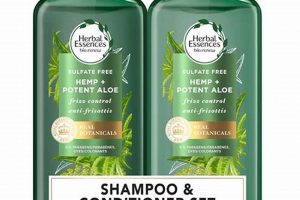
A cleansing product for hair that incorporates Melaleuca alternifolia, commonly known as tea tree oil, and other botanical ingredients. This formulation aims to cleanse the scalp and hair while potentially providing therapeutic benefits associated with tea tree oil and herbal extracts. Such products are generally available in liquid form and applied to wet hair before rinsing.
The significance of such a product lies in the potential synergistic effects of the tea tree oil and the herbal components. Tea tree oil is known for its antiseptic, antifungal, and anti-inflammatory properties, which may help address scalp conditions such as dandruff and seborrheic dermatitis. The inclusion of herbal extracts may offer additional benefits, such as moisturizing, soothing irritation, or promoting hair growth. Historically, the use of botanical ingredients in personal care products dates back centuries, with various cultures utilizing herbs for their perceived medicinal and cosmetic qualities.
The following sections will delve into the specific properties of tea tree oil, explore common herbal ingredients found in these formulations, and examine the potential advantages and disadvantages of incorporating such a product into a hair care regimen. Further discussion will address considerations for different hair types and potential allergic reactions.
Application Strategies
Effective use optimizes the potential benefits while minimizing potential drawbacks. Careful consideration of individual hair and scalp conditions is paramount.
Tip 1: Conduct a Patch Test: Before widespread application, test a small amount on an inconspicuous area of skin, such as the inner arm. Observe for 24-48 hours for any adverse reactions, including redness, itching, or irritation. Discontinue use if such reactions occur.
Tip 2: Dilute Concentrated Formulas: Some formulations may contain a high concentration of tea tree oil, which could cause irritation. Dilute with water or a gentle, unscented base, especially for individuals with sensitive skin.
Tip 3: Focus on the Scalp: The primary target for application should be the scalp, where the product can address concerns like dandruff or oiliness. Massage gently to stimulate circulation and ensure even distribution.
Tip 4: Allow Sufficient Contact Time: After application, allow the product to remain on the scalp for 2-3 minutes to allow the active ingredients to penetrate. Avoid prolonged contact, which may lead to irritation.
Tip 5: Rinse Thoroughly: Ensure all product is completely rinsed from the hair and scalp with lukewarm water. Residual product can lead to buildup or irritation.
Tip 6: Monitor Hair and Scalp Condition: Observe the hair and scalp for any changes, such as dryness, oiliness, or irritation. Adjust frequency of use based on individual needs and tolerance.
Tip 7: Combine with a Complementary Conditioner: Due to the potential drying effects of tea tree oil, consider using a moisturizing conditioner after application to maintain hydration and prevent dryness.
Adherence to these guidelines promotes safe and effective utilization. Individual experiences may vary, requiring adjustments to usage based on personal observation.
The subsequent sections will address specific hair types and the suitability of this product, along with a review of potential contraindications and alternative treatments.
1. Antimicrobial Properties

The antimicrobial properties of Melaleuca alternifolia, commonly known as tea tree oil, form a cornerstone of its inclusion in shampoos. The cause-and-effect relationship is straightforward: tea tree oil contains compounds, primarily terpinen-4-ol, that exhibit activity against a range of microorganisms, including bacteria and fungi that can contribute to scalp conditions. The presence of these properties within a shampoo formulation targets the underlying causes of issues such as dandruff (often linked to Malassezia species) and folliculitis. The ability to inhibit the growth of these microorganisms is what makes the ingredient valuable in formulations.
The incorporation of an antimicrobial agent like tea tree oil addresses the proliferation of problematic microorganisms on the scalp, rather than simply masking symptoms. For example, regular use can reduce the population of Malassezia on the scalp, thus alleviating the inflammation and flaking associated with dandruff. The practical significance lies in offering a potential alternative or adjunct to conventional antifungal or antibacterial treatments, particularly for individuals seeking natural or plant-based solutions. Furthermore, understanding this connection enables informed selection of products with a higher likelihood of addressing the root cause of certain scalp ailments.
In summary, the presence of antimicrobial properties derived from Melaleuca alternifolia is not merely an added feature but a central attribute contributing to the therapeutic potential of such a shampoo. While challenges exist, such as variability in tea tree oil quality and potential skin sensitivity, recognizing this fundamental connection guides product selection and expectations. This understanding aligns with the broader goal of informed decision-making regarding hair and scalp health, enabling individuals to choose formulations based on their underlying mechanisms of action, not just superficial claims.
2. Scalp Irritation
Scalp irritation represents a significant consideration when utilizing formulations containing Melaleuca alternifolia (tea tree oil) and herbal extracts. While these products aim to offer therapeutic benefits, the potential for adverse reactions, particularly irritation, must be carefully evaluated. This arises from the inherent properties of tea tree oil and the potential for other ingredients to exacerbate sensitivities in susceptible individuals.
- Concentration of Tea Tree Oil
The concentration of tea tree oil directly influences the likelihood of scalp irritation. Higher concentrations increase the risk, particularly in individuals with sensitive skin or pre-existing conditions like eczema. Even in formulations labeled “natural,” concentrations exceeding recommended levels can trigger reactions such as redness, itching, burning sensations, and dryness. Examples include instances where individuals, after prolonged use of undiluted tea tree oil products, experience contact dermatitis, necessitating medical intervention.
- Presence of Irritant Herbal Extracts
Certain herbal extracts, while potentially beneficial, may contain compounds that irritate the scalp. For example, some essential oils used for fragrance or perceived therapeutic effects can cause allergic reactions or exacerbate existing skin sensitivities. Individuals with a history of allergic reactions to plants should exercise caution and carefully review ingredient lists. The interaction between different herbal extracts can also contribute to irritation, even if each extract individually is considered relatively safe.
- Vehicle and Surfactant Interactions
The vehicle, or base, of the shampoo and the surfactants used for cleansing can interact with tea tree oil and herbal extracts to either mitigate or exacerbate irritation. Harsh surfactants can strip the scalp of its natural oils, increasing vulnerability to irritation from the active ingredients. Conversely, a gentle, hydrating base can provide a protective barrier and minimize the likelihood of adverse reactions. The choice of surfactants and the overall formulation play a critical role in determining the product’s irritancy potential.
- Individual Sensitivity and Allergic Predisposition
Individual sensitivity and allergic predisposition are primary determinants of whether a shampoo containing tea tree oil and herbal extracts will cause irritation. Genetic factors, pre-existing skin conditions, and previous exposure to allergens can all influence the likelihood of a reaction. Some individuals may develop a delayed hypersensitivity reaction to tea tree oil or specific herbal components, even after prolonged use without incident. A patch test is recommended to assess individual tolerance before widespread application.
These facets underscore the importance of careful product selection and usage. Understanding the concentration of tea tree oil, the potential irritancy of herbal extracts, the influence of the formulation’s base, and individual sensitivities is paramount. Failure to consider these factors can lead to adverse reactions, negating the intended benefits of the product and potentially exacerbating existing scalp conditions. Therefore, vigilance, informed decision-making, and proactive monitoring for signs of irritation are essential for safe and effective use.
3. Herbal Synergy

The concept of herbal synergy is particularly relevant when examining formulations containing Melaleuca alternifolia (tea tree oil) in conjunction with other herbal extracts. This synergy posits that the combined effect of multiple botanical ingredients exceeds the sum of their individual effects. Within such formulations, this interaction can influence efficacy, tolerability, and overall therapeutic potential.
- Enhancement of Antimicrobial Activity
Certain herbal extracts can enhance the antimicrobial activity of tea tree oil. For example, rosemary extract contains compounds that, when combined with terpinen-4-ol (the primary active component in tea tree oil), exhibit increased inhibitory effects against bacteria and fungi. This synergistic action can result in a more potent antimicrobial effect at lower concentrations of individual ingredients, potentially reducing the risk of irritation associated with high concentrations of tea tree oil.
- Modulation of Anti-Inflammatory Effects
Inflammation often accompanies scalp conditions, such as dandruff and seborrheic dermatitis. Herbal extracts with anti-inflammatory properties, such as chamomile or calendula, can modulate the inflammatory response, complementing the anti-inflammatory effects of tea tree oil. This synergistic effect can lead to a more comprehensive reduction in scalp irritation and discomfort, improving overall user experience.
- Improvement of Scalp Hydration and Barrier Function
Tea tree oil, while possessing antimicrobial properties, can sometimes exhibit drying effects on the scalp. The inclusion of herbal extracts with moisturizing and emollient properties, such as aloe vera or shea butter, can counteract this effect. These extracts can improve scalp hydration, strengthen the skin barrier, and reduce the likelihood of dryness and irritation. The combined effect promotes a healthier scalp environment, fostering hair growth and reducing susceptibility to external irritants.
- Influence on Product Stability and Preservation
Certain herbal extracts possess antioxidant and preservative properties that can contribute to the stability and shelf life of the formulation. Extracts like green tea or grape seed extract can help prevent oxidation of tea tree oil and other ingredients, maintaining their efficacy over time. Additionally, some herbal extracts exhibit mild antimicrobial activity that can supplement the preservative effects of traditional preservatives, potentially reducing the reliance on synthetic preservatives that may cause irritation in sensitive individuals.
The interplay between Melaleuca alternifolia and other herbal extracts in shampoos is complex, underscoring the importance of considering the holistic composition of the formulation. Understanding the principles of herbal synergy allows for a more informed selection of products with a higher likelihood of delivering desired therapeutic outcomes while minimizing potential adverse effects. This synergistic approach represents a departure from relying solely on individual active ingredients, embracing a more nuanced perspective on the potential benefits of botanical combinations.
4. Hair Type

Hair type significantly influences the suitability and effectiveness of shampoo formulations containing Melaleuca alternifolia (tea tree oil) and herbal extracts. Different hair types possess distinct characteristics that affect how they respond to these ingredients, impacting factors such as moisture balance, scalp health, and overall appearance. Understanding these interactions is crucial for selecting a product that aligns with individual hair needs.
- Oily Hair
Oily hair, characterized by excessive sebum production, may benefit from the antimicrobial and oil-regulating properties of tea tree oil. The astringent nature of tea tree oil can help to reduce excess oil on the scalp, preventing the build-up that leads to a greasy appearance. Formulations designed for oily hair often incorporate tea tree oil to balance sebum production without overdrying the hair shaft. However, careful formulation is essential to prevent stripping the hair of all its natural oils, which can lead to a rebound effect of increased oil production. Real-life examples include individuals with seborrheic dermatitis who experience reduced scalp inflammation and oiliness with regular use.
- Dry Hair
Dry hair, characterized by a lack of moisture and often prone to frizz and breakage, requires a different approach. While tea tree oil possesses beneficial properties, its potential drying effects must be counteracted with moisturizing herbal extracts. Formulations for dry hair should include ingredients like shea butter, aloe vera, or argan oil to replenish moisture and improve hair elasticity. Using formulations designed for oily hair on dry hair may exacerbate dryness and lead to increased damage. For instance, individuals with naturally dry or chemically treated hair should prioritize formulations specifically designed for dry hair or use tea tree oil-based shampoos sparingly, followed by a moisturizing conditioner.
- Fine Hair
Fine hair, characterized by its small diameter and tendency to become limp, requires a lightweight formulation to avoid weighing it down. Shampoos with heavy oils or excessive conditioning agents can make fine hair appear flat and greasy. Tea tree oil can be beneficial for fine hair by providing a clarifying effect, removing build-up and adding volume. However, the herbal extracts included should be carefully selected to avoid heavy oils or ingredients that can coat the hair shaft. An example is the use of a diluted tea tree oil shampoo combined with lightweight herbal extracts like nettle or horsetail, known for their strengthening properties without adding weight.
- Coarse Hair
Coarse hair, characterized by its large diameter and often dryness, requires a formulation that provides both moisture and manageability. Tea tree oil can help to cleanse the scalp and remove build-up, allowing moisturizing herbal extracts to penetrate the hair shaft more effectively. Formulations for coarse hair should include ingredients like coconut oil, avocado oil, or marshmallow root to provide deep hydration and improve hair texture. Ignoring the specific needs of coarse hair can lead to dryness, breakage, and difficulty in styling. For example, individuals with coarse, curly hair can benefit from using a tea tree oil shampoo to clarify the scalp, followed by a deep conditioning treatment containing herbal extracts known for their moisturizing properties.
In conclusion, the selection of a shampoo containing Melaleuca alternifolia and herbal extracts should be guided by a comprehensive understanding of one’s specific hair type. The appropriate formulation can leverage the beneficial properties of tea tree oil while addressing the unique needs of the hair, resulting in improved scalp health, moisture balance, and overall hair appearance. Conversely, selecting the wrong formulation can exacerbate existing issues and lead to undesirable outcomes.
5. Formulation Stability

Formulation stability is a crucial determinant of the efficacy and longevity of shampoo products incorporating Melaleuca alternifolia (tea tree oil) and herbal extracts. The inherent chemical properties of these components, particularly tea tree oil, render such formulations susceptible to degradation over time, potentially diminishing their intended therapeutic benefits and altering their physical characteristics. Instability manifests through changes in viscosity, color, scent, and separation of ingredients, ultimately impacting consumer perception and product performance.
The presence of tea tree oil, a complex mixture of volatile terpenes, introduces specific challenges to formulation stability. Terpenes are prone to oxidation, polymerization, and isomerization reactions, particularly when exposed to light, heat, or oxygen. These reactions can lead to the formation of undesirable byproducts that may alter the scent, color, and potentially the irritancy profile of the shampoo. Furthermore, the volatile nature of terpenes can result in their gradual loss from the formulation, reducing the concentration of active components and diminishing the intended antimicrobial or anti-inflammatory effects. Real-world examples include instances where tea tree oil-containing shampoos, stored under improper conditions, exhibit a noticeable change in odor, a darkening of color, or a separation of the oil phase, rendering them less effective and aesthetically unappealing.
The inclusion of herbal extracts further complicates formulation stability due to the diverse range of chemical compounds they contribute. Herbal extracts contain a mixture of flavonoids, alkaloids, tannins, and other phenolic compounds that are susceptible to degradation through oxidation, hydrolysis, and enzymatic reactions. These reactions can alter the color, scent, and activity of the herbal extracts, potentially reducing their intended therapeutic benefits or even generating undesirable byproducts. Stabilizing strategies include the incorporation of antioxidants, such as tocopherol (vitamin E) or rosemary extract, to scavenge free radicals and prevent oxidation. Additionally, pH control, the use of chelating agents to bind metal ions that can catalyze degradation reactions, and appropriate packaging materials to minimize exposure to light and oxygen are crucial. Understanding the principles of formulation stability allows manufacturers to develop products that maintain their integrity over their intended shelf life, ensuring that consumers receive a product that is both effective and aesthetically pleasing. The success of a “shampoo melaleuca herbal” is thus intrinsically linked to the careful management of formulation stability challenges.
6. Scent Profile
The scent profile of a shampoo integrating Melaleuca alternifolia (tea tree oil) and herbal elements exerts a considerable influence on consumer perception and product acceptance. This is because the olfactory experience during and after usage significantly shapes the overall impression of cleanliness, efficacy, and naturalness. Tea tree oil possesses a distinctive, somewhat medicinal aroma characterized by camphoraceous and slightly woody notes. The inclusion of herbal extracts can either complement or contrast this existing scent, creating a nuanced olfactory landscape. Unfavorable scent combinations or overpowering tea tree oil aromas can deter consumers, even if the product delivers tangible benefits. For instance, a formulation with an overly strong, medicinal scent might be perceived as harsh or artificial, despite containing natural ingredients. Conversely, a well-balanced scent profile can enhance the perception of therapeutic value and encourage continued use.
The practical significance of a carefully curated scent profile extends beyond mere consumer preference. Certain herbal extracts, incorporated for their therapeutic properties, also contribute to the aroma. Lavender, rosemary, and peppermint are commonly added to tea tree oil-based shampoos, not only for their purported benefits but also for their scent characteristics. Lavender provides a calming, floral note, rosemary offers an herbaceous and invigorating aroma, and peppermint delivers a cooling and refreshing sensation. The interplay of these scents can create a holistic sensory experience that aligns with the intended benefits of the product. A balanced blend can mask the intensity of tea tree oil, making the product more appealing to a wider audience. This is particularly important in formulations targeting sensitive individuals who may be averse to strong, medicinal scents. Real-world product development processes often involve iterative scent testing to optimize the olfactory profile and ensure consumer satisfaction.
In conclusion, the scent profile is an integral component of shampoos containing Melaleuca alternifolia and herbal extracts. It serves as a critical factor in shaping consumer perception, influencing product acceptance, and enhancing the overall user experience. The successful integration of tea tree oil and herbal aromas requires careful consideration of scent compatibility, balance, and intended therapeutic benefits. Challenges in creating a universally appealing scent profile necessitate meticulous formulation and continuous refinement to meet evolving consumer preferences and market demands.
7. Sourcing Ethics

The ethical procurement of ingredients for shampoo formulations containing Melaleuca alternifolia (tea tree oil) and herbal extracts carries significant implications for environmental sustainability, social responsibility, and product integrity. Scrutiny of sourcing practices is increasingly important, reflecting growing consumer awareness and demand for transparency in supply chains.
- Sustainable Harvesting of Tea Tree Oil
Tea tree oil, primarily sourced from Melaleuca alternifolia plantations, requires sustainable harvesting practices to prevent deforestation and soil degradation. Unregulated harvesting can lead to habitat loss, soil erosion, and reduced biodiversity in tea tree growing regions. Ethical sourcing involves employing methods that minimize environmental impact, such as selective harvesting, reforestation efforts, and responsible land management practices. Third-party certifications, such as those from organic or sustainable agriculture organizations, provide assurance that tea tree oil is sourced in an environmentally responsible manner. Absence of such practices results in long-term environmental harm and unsustainable supply chains.
- Fair Labor Practices
The production of tea tree oil and herbal extracts often involves labor-intensive processes, including planting, harvesting, and processing. Ethical sourcing necessitates fair labor practices that ensure safe working conditions, fair wages, and the absence of forced or child labor. Independent audits and certifications, such as Fair Trade, can verify that suppliers adhere to ethical labor standards. Failure to uphold fair labor practices results in exploitation of workers and perpetuates social injustice within the supply chain. Examples include ensuring fair wages, safe working conditions, and prohibiting child labor in tea tree plantations.
- Traceability and Transparency
Ethical sourcing requires traceability throughout the supply chain, enabling consumers to trace the origin of ingredients and verify that they were produced in a responsible manner. Transparency involves providing clear information about sourcing practices, including the location of farms, harvesting methods, and labor conditions. Blockchain technology and other traceability systems are increasingly utilized to enhance transparency and accountability in supply chains. Lack of traceability allows for unethical practices to go undetected, undermining consumer trust and perpetuating unsustainable practices. For example, knowing the specific farm from which the tea tree oil originates allows for verification of ethical labor practices and environmental standards.
- Biodiversity Conservation
The sourcing of herbal extracts must consider the impact on biodiversity and the conservation of plant species. Over-harvesting of wild plants can lead to population declines and habitat degradation. Ethical sourcing involves utilizing cultivated plants whenever possible, implementing sustainable harvesting practices for wild-harvested plants, and supporting biodiversity conservation efforts in sourcing regions. Partnerships with local communities and conservation organizations can promote sustainable harvesting practices and protect endangered plant species. Disregard for biodiversity conservation can result in the extinction of plant species and disruption of ecosystems. Sourcing herbal extracts from certified organic farms that prioritize biodiversity conservation is an example of ethical practice.
These facets illustrate that sourcing ethics are integral to the responsible production and marketing of shampoo formulations containing Melaleuca alternifolia and herbal extracts. Upholding ethical sourcing practices safeguards the environment, protects worker rights, and ensures the integrity of the product. Consumers are increasingly prioritizing ethically sourced products, underscoring the importance of transparency and accountability throughout the supply chain. The long-term sustainability of the industry depends on embracing sourcing ethics as a fundamental principle.
Frequently Asked Questions about Shampoo Melaleuca Herbal
This section addresses common inquiries regarding shampoos incorporating Melaleuca alternifolia (tea tree oil) and herbal extracts. It aims to provide clarity and evidence-based information to guide informed decision-making.
Question 1: Is frequent use of shampoo Melaleuca herbal advisable for all hair types?
Frequent utilization is not universally suitable. Individuals with dry or chemically treated hair may experience increased dryness and potential damage from daily use. Those with oily scalps might benefit from more frequent application, though moderation remains crucial to avoid stripping the scalp of essential oils.
Question 2: What are the potential side effects associated with shampoo Melaleuca herbal?
Possible adverse reactions encompass scalp irritation, redness, itching, and allergic contact dermatitis. Individuals with sensitive skin or known allergies to tea tree oil or other herbal components should exercise caution and perform a patch test prior to widespread application.
Question 3: Can shampoo Melaleuca herbal effectively treat severe dandruff?
Shampoos containing tea tree oil can alleviate mild to moderate dandruff symptoms due to the antimicrobial properties of Melaleuca alternifolia. However, severe or persistent dandruff may necessitate consultation with a dermatologist and the use of prescription-strength treatments.
Question 4: How should shampoo Melaleuca herbal be stored to maintain its efficacy?
Optimal storage entails keeping the product in a cool, dark place, away from direct sunlight and extreme temperatures. Proper storage minimizes degradation of the active ingredients and extends the shelf life of the formulation. Adherence to the manufacturer’s storage recommendations is advised.
Question 5: Are all shampoo Melaleuca herbal products created equal?
Formulations vary significantly in terms of tea tree oil concentration, herbal extract composition, surfactant type, and overall quality. Products from reputable manufacturers, with transparent ingredient lists and sustainable sourcing practices, are generally preferred.
Question 6: Can shampoo Melaleuca herbal be used on color-treated hair?
Some formulations may strip color from treated hair, especially those with harsh surfactants. Opting for sulfate-free and color-safe versions is recommended to minimize color fading. A strand test is advisable prior to full application to assess the impact on hair color.
In summary, effective and safe utilization necessitates careful consideration of individual hair type, potential side effects, and product quality. Seeking professional advice from a dermatologist or trichologist is prudent for individuals with pre-existing scalp conditions or concerns about product suitability.
The subsequent sections will explore alternative hair care options and provide additional resources for further research and informed decision-making.
Concluding Remarks
This exploration of shampoo melaleuca herbal has illuminated several key aspects: the antimicrobial properties of tea tree oil, the potential for scalp irritation, the significance of herbal synergy, the influence of hair type, the importance of formulation stability, the impact of the scent profile, and the necessity of ethical sourcing. These elements collectively determine the effectiveness, safety, and sustainability of such products. A comprehensive understanding of these factors enables informed decision-making for both consumers and manufacturers.
The integration of Melaleuca alternifolia and herbal extracts into hair care represents a nuanced approach, demanding careful consideration of various parameters. Moving forward, continued research and rigorous testing are essential to optimize formulations, minimize potential risks, and maximize the benefits. As consumer awareness grows, the demand for transparent and ethical practices will further shape the evolution and responsible development of shampoo melaleuca herbal and related products.