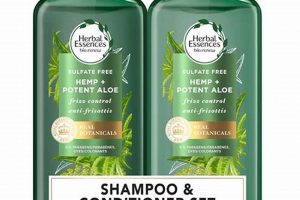
Products combining botanical extracts with cleansing agents to address scalp flaking are available. These formulations often target the root cause of irritation while promoting overall hair health. A common objective is to alleviate visible flakes and itching sensations.
The utilization of plant-derived ingredients in hair care has a long history. Modern iterations build upon this tradition, seeking to offer consumers solutions that are perceived as both effective and gentle. Benefits may extend beyond simple flake removal, including scalp moisturization and a pleasant sensory experience during use.
The subsequent sections will delve into the specific components and mechanisms by which anti-dandruff shampoos operate, explore the role of botanical additives, and examine factors to consider when selecting a product designed to improve scalp condition and hair vitality.
Recommendations for Managing Scalp Flaking
Employing a tailored hair care regimen can prove beneficial in alleviating the symptoms of dandruff and promoting a healthier scalp environment.
Tip 1: Select an appropriate formulation. Opt for a shampoo specifically designed to address dandruff. Ingredients such as pyrithione zinc or selenium sulfide are frequently incorporated for their anti-fungal properties.
Tip 2: Adhere to the recommended usage frequency. Overuse of anti-dandruff shampoos can lead to dryness, while infrequent use may not provide sufficient relief. Follow the instructions provided on the product packaging.
Tip 3: Ensure thorough rinsing. Residue from shampoo can contribute to scalp irritation. Rinse hair thoroughly with lukewarm water until all product is removed.
Tip 4: Consider a targeted application. Apply shampoo directly to the scalp, massaging gently to ensure even distribution. Allow the product to remain on the scalp for the recommended duration before rinsing.
Tip 5: Rotate shampoos as needed. If one shampoo loses its effectiveness over time, consider alternating with a different formulation containing a different active ingredient.
Tip 6: Address underlying skin conditions. Dandruff can sometimes be exacerbated by underlying skin conditions such as seborrheic dermatitis. Consult a dermatologist if symptoms persist or worsen.
Tip 7: Maintain a balanced diet. Nutritional deficiencies can impact overall skin and scalp health. A diet rich in vitamins and minerals can support a healthy scalp environment.
Adhering to these recommendations may contribute to a reduction in visible flakes, relief from itching, and an overall improvement in scalp health. However, individual results may vary, and consulting a healthcare professional is advised for persistent or severe cases.
The subsequent section will offer a comparison of popular anti-dandruff shampoos and their associated ingredients.
1. Botanical Extracts
The incorporation of botanical extracts in anti-dandruff formulations aims to augment the efficacy and consumer appeal of these products. These extracts are selected for their potential contributions to scalp health, sensory properties, and overall product positioning.
- Soothing and Anti-Inflammatory Properties
Certain botanical extracts, such as aloe vera, chamomile, and calendula, are recognized for their soothing and anti-inflammatory effects. In the context of an anti-dandruff shampoo, these properties can help alleviate scalp irritation and reduce the discomfort associated with flaking and itching. These extracts may provide relief from the symptoms of dandruff without directly addressing the underlying cause. For example, aloe vera has been shown to reduce redness and inflammation in some individuals.
- Antimicrobial Activity
Some botanical extracts exhibit antimicrobial properties, which can be beneficial in managing dandruff caused by fungal overgrowth. Tea tree oil, for instance, contains compounds that have been shown to inhibit the growth of Malassezia globosa, a fungus commonly associated with dandruff. While not always as potent as synthetic antifungal agents, these extracts can contribute to a reduction in the fungal population on the scalp. The concentration of the extract and its specific composition determine its effectiveness.
- Antioxidant Effects
The presence of antioxidants in botanical extracts, such as green tea extract, can help protect the scalp from oxidative stress. Oxidative stress, caused by free radicals, can contribute to inflammation and damage to scalp cells. Antioxidants neutralize these free radicals, potentially promoting a healthier scalp environment. This can be especially important if inflammation and oxidative damage contribute to the individual’s dandruff condition. This could create a scalp environment less conducive to Malassezia globosa.
- Sensory Enhancement
Botanical extracts often contribute to the sensory experience of using a shampoo, providing pleasant aromas and textures. The scent of lavender, the cooling sensation of peppermint, or the moisturizing feel of shea butter can enhance the perceived value of a product. While not directly related to the anti-dandruff efficacy, these sensory attributes can improve consumer satisfaction and adherence to a regular hair care routine, ultimately supporting better scalp health.
In summary, the inclusion of botanical extracts in anti-dandruff shampoos serves multiple purposes, ranging from providing soothing relief and antimicrobial activity to enhancing the sensory experience for the consumer. The specific choice of extracts and their concentrations will determine the overall contribution to the product’s effectiveness and appeal.
2. Scalp Health
The state of the scalp directly influences the manifestation and severity of dandruff. A healthy scalp maintains a balanced microbiome, adequate hydration, and minimal inflammation. Conversely, an unhealthy scalp may exhibit increased sebum production, fungal overgrowth, and compromised barrier function, creating an environment conducive to Malassezia globosa proliferation, a primary factor in dandruff development. Anti-dandruff shampoos target these imbalances.
Formulations such as Herbal Essences shampoo for dandruff are engineered to address specific scalp conditions. These products often contain antifungal agents to reduce Malassezia globosa populations and anti-inflammatory components to soothe irritation. For example, zinc pyrithione, a common ingredient, disrupts fungal cell growth, while botanical extracts may provide calming effects. Maintaining a healthy scalp requires regular cleansing to remove excess oil and debris, coupled with adequate hydration to prevent dryness and irritation. A compromised scalp barrier can lead to increased sensitivity and susceptibility to irritants, exacerbating dandruff symptoms.
Therefore, understanding the link between scalp health and dandruff is critical for effective management. The selection of appropriate shampoos, including those incorporating botanical elements alongside established anti-dandruff agents, should be guided by an assessment of individual scalp conditions and sensitivities. A proactive approach to scalp care, incorporating regular cleansing, hydration, and targeted treatments, can significantly mitigate dandruff and promote a healthier scalp environment.
3. Antifungal Agents

The presence of antifungal agents constitutes a critical aspect of a dandruff shampoo’s efficacy. Malassezia globosa, a lipophilic yeast naturally present on the human scalp, is a primary causative factor in dandruff. Overgrowth of this fungus triggers an inflammatory response in susceptible individuals, leading to the characteristic scaling, itching, and irritation associated with the condition. Consequently, shampoos designed to manage dandruff often incorporate substances specifically formulated to inhibit Malassezia proliferation.
Examples of common antifungal agents found in such shampoos include zinc pyrithione, selenium sulfide, ketoconazole, and climbazole. These compounds exert their effect through various mechanisms, disrupting fungal cell membrane integrity or interfering with metabolic processes essential for fungal survival. The concentration and specific formulation of these agents influence their effectiveness. The inclusion of botanical extracts may complement the action of these antifungal agents by providing anti-inflammatory or soothing properties, but the primary therapeutic action stems from the antifungal component. Without such agents, the shampoo may provide temporary relief from symptoms but will not address the underlying cause of the dandruff.
In summary, the effective management of dandruff hinges on the inclusion of antifungal agents within a shampoo formulation. These agents directly target Malassezia globosa, reducing its population on the scalp and mitigating the inflammatory response. While other ingredients may contribute to overall scalp health and symptom relief, the antifungal component is paramount in addressing the root cause of dandruff. The careful selection and appropriate concentration of these agents are therefore essential for achieving sustained control of the condition.
4. Hydration Balance

Maintaining appropriate moisture levels within the scalp and hair is crucial when addressing dandruff. Anti-dandruff shampoos, while targeting the underlying causes of flaking, can potentially disrupt the natural hydration balance, leading to dryness and exacerbation of symptoms. Formulations must, therefore, incorporate ingredients and strategies to counteract this potential drying effect.
- Humectants and Emollients
Humectants, such as glycerin and hyaluronic acid, draw moisture from the environment and bind it to the hair and scalp. Emollients, including oils and butters, create a protective barrier that seals in moisture and prevents excessive water loss. The presence of these ingredients in an anti-dandruff shampoo helps to mitigate the drying effects of the active antifungal agents and cleansing surfactants. Without adequate humectants and emollients, the shampoo may effectively reduce dandruff but leave the hair and scalp feeling dry, itchy, and uncomfortable.
- Balancing Cleansing Agents
The surfactants used in shampoos to remove dirt and oil can also strip away natural oils, disrupting the scalp’s moisture barrier. Formulations designed to maintain hydration balance often incorporate milder surfactants, such as cocamidopropyl betaine or sodium lauroyl sarcosinate, which are less harsh than traditional sulfates. Careful selection of cleansing agents minimizes the risk of over-drying the scalp while still effectively removing impurities and excess sebum. This careful balancing act is essential for mitigating the drying effect.
- pH-Balanced Formulas
The pH level of a shampoo can significantly impact scalp health and hydration. A pH level that is too alkaline can disrupt the scalp’s natural acid mantle, leading to dryness, irritation, and increased susceptibility to Malassezia globosa overgrowth. pH-balanced shampoos, typically with a pH between 4.5 and 5.5, help maintain the integrity of the scalp’s acid mantle, promoting a healthy moisture balance and preventing excessive dryness. Maintaining the skin’s natural pH helps maintain the scalps barrier function, preventing transepidermal water loss.
- Post-Wash Conditioning
Following shampooing, the application of a conditioner helps to replenish moisture and detangle the hair. Conditioners contain ingredients that smooth the hair cuticle, reduce friction, and prevent breakage. Using a conditioner specifically formulated for dry or sensitive scalps can further enhance hydration and alleviate any lingering dryness caused by the shampoo. This is the secondary line of defense against the potential dehydrating effects of anti-dandruff ingredients.
Hydration balance is not merely a superficial concern but an integral component of effective dandruff management. The interplay between cleansing agents, antifungal ingredients, and moisturizing components dictates the overall efficacy and tolerability of anti-dandruff shampoos. Attention to these factors promotes a healthy scalp environment and minimizes the risk of exacerbating dryness or irritation. Without careful consideration, even the most effective shampoos at battling flaking may lead to dryness or sensitivity.
5. Irritation Relief
Dandruff, characterized by scalp flaking, frequently presents with associated irritation, encompassing itching, redness, and a sensation of discomfort. Anti-dandruff shampoos, including those marketed under the Herbal Essences brand, often prioritize the alleviation of these irritative symptoms. The cause-and-effect relationship is direct: dandruff triggers inflammation, and shampoos aim to mitigate that inflammation. The inclusion of soothing agents is paramount in enhancing user compliance and overall product satisfaction. For instance, a shampoo might contain aloe vera or chamomile extracts, known for their calming properties, to counteract the potential irritant effects of antifungal agents like zinc pyrithione. Without effective irritation relief, individuals may discontinue use, negating the benefits of the anti-dandruff component.
The practical significance of irritation relief extends beyond mere comfort. Chronic scalp irritation can compromise the skin barrier, increasing susceptibility to secondary infections and exacerbating the dandruff condition. Shampoos formulated to reduce irritation contribute to a healthier scalp environment, fostering optimal conditions for hair growth and minimizing the likelihood of complications. Real-world examples illustrate this point: users reporting reduced itching are more likely to maintain a consistent shampooing routine, resulting in better long-term control of dandruff. Furthermore, the perception of a gentle, non-irritating product enhances consumer confidence and brand loyalty. The effect is magnified with long-term use, reducing skin barrier damage.
In summary, irritation relief constitutes a crucial component of effective dandruff management. It directly addresses a primary symptom experienced by individuals with dandruff, enhancing compliance and promoting a healthier scalp environment. While antifungal agents target the underlying cause, soothing ingredients provide immediate relief and prevent further complications. The strategic inclusion of these components reflects a holistic approach to dandruff control, acknowledging the interplay between scalp health, symptom management, and user experience.
6. Ingredient Synergy

The effectiveness of an anti-dandruff shampoo extends beyond the mere presence of individual active ingredients; rather, it hinges on the synergistic interaction of these components. This principle is particularly relevant when evaluating formulations that incorporate both synthetic antifungal agents and botanical extracts. The interplay between these ingredients determines the shampoo’s capacity to alleviate dandruff symptoms and foster a healthy scalp environment. An anti-dandruff shampoo that include active ingredient for instance Selenium sulfide, when combined with soothing agents such as aloe vera, aims to simultaneously target the causative fungal agent while mitigating potential irritation associated with the antifungal treatment. Without such synergy, the shampoo may prove either ineffective or unpleasantly harsh.
Ingredient synergy manifests in various ways. For example, certain botanical extracts may enhance the bioavailability of antifungal agents, increasing their penetration into the scalp and improving their efficacy. Similarly, anti-inflammatory compounds present in some extracts can work in conjunction with antifungal agents to reduce scalp redness and itching more effectively than either ingredient could achieve alone. The absence of such synergistic effects can lead to suboptimal results. Consider a shampoo containing a potent antifungal agent but lacking sufficient moisturizing or soothing ingredients. While the antifungal agent may reduce fungal load, the resulting dryness and irritation could prompt users to discontinue use, negating the intended benefit. The inclusion of carefully selected oils or humectants alongside cleansing agents is to ensure a balanced cleansing action, removing excess sebum without stripping the scalp of essential moisture, thus helping prevent an overly dry scalp.
In conclusion, ingredient synergy represents a crucial determinant of an anti-dandruff shampoo’s overall performance. The deliberate combination of antifungal agents, botanical extracts, and moisturizing compounds, designed to work in concert, is essential for achieving optimal therapeutic outcomes and ensuring user satisfaction. Understanding these complex interactions is critical for consumers seeking effective dandruff control and for manufacturers aiming to develop superior shampoo formulations. The careful balancing of ingredients leads to better scalp health.
Frequently Asked Questions
The following section addresses common inquiries regarding the use of specialized shampoos for managing scalp conditions.
Question 1: Is frequent use of medicated shampoos advisable?
Frequent use depends on the specific formulation and individual scalp condition. Overuse can lead to dryness and irritation, while infrequent use may not provide adequate control. Adherence to the product label’s instructions or consultation with a dermatologist is recommended.
Question 2: Can medicated shampoos interact with hair coloring or perming treatments?
Some ingredients in medicated shampoos may affect the longevity or color of treated hair. A patch test on a small, inconspicuous area of hair is advised before widespread use.
Question 3: Are there potential side effects associated with medicated shampoos?
Possible side effects include scalp irritation, dryness, changes in hair texture, or allergic reactions. Discontinue use if adverse effects occur and consult a healthcare professional.
Question 4: How long should a medicated shampoo be used before expecting noticeable results?
Visible improvement varies depending on the severity of the condition and the individual’s response to the treatment. Consistent use for several weeks, following product instructions, is typically necessary to assess effectiveness.
Question 5: Can medicated shampoos cure dandruff permanently?
Medicated shampoos can effectively manage dandruff symptoms, but they may not provide a permanent cure. Dandruff is often a chronic condition requiring ongoing management.
Question 6: Are medicated shampoos safe for use during pregnancy or breastfeeding?
The safety of specific ingredients during pregnancy or breastfeeding should be discussed with a healthcare provider. Some compounds may be absorbed through the skin.
These answers provide general guidance. Seeking personalized advice from a medical professional is recommended for specific scalp conditions or concerns.
The subsequent section will delve into specific product categories and their applications in managing scalp flaking.
Concluding Remarks on Scalp Health Management
The preceding analysis has explored the multifaceted nature of scalp health management, with specific attention to formulations marketed as herbal essences shampoo for dandruff. Key considerations include the role of antifungal agents, the potential benefits of botanical extracts, the importance of maintaining hydration balance, and the need for irritation relief. Successful management of dandruff necessitates a comprehensive approach, addressing both the underlying cause and the associated symptoms.
Ultimately, the selection and utilization of a shampoo designed for dandruff relief should be informed by an understanding of individual scalp conditions and ingredient properties. Continued research and development in this area hold the potential for more effective and targeted solutions, promoting improved scalp health and overall well-being.