Botanical remedies utilized to alleviate unease and apprehension constitute a category of treatments that have been employed across various cultures for centuries. These natural approaches often involve the use of plant-derived substances believed to possess calming and anxiolytic properties. Examples include chamomile, lavender, and valerian root, each traditionally prepared and administered to address symptoms associated with heightened stress and worry.
The appeal of these remedies stems from a perceived gentler approach to managing emotional well-being compared to conventional pharmaceuticals. Throughout history, many societies have incorporated such practices into their healthcare systems, recognizing the potential benefits in promoting relaxation and mitigating the physiological manifestations of fear and nervousness. This history contributes to the continued interest in exploring and understanding the efficacy of such treatments today.
The subsequent discussion will delve into specific types of botanical options, examining their purported mechanisms of action, available research, and potential considerations for individuals seeking alternative strategies for managing conditions characterized by excessive worry and related symptoms.
Guidance on Botanical Approaches to Apprehension
The following points offer insights into the utilization of plant-derived solutions aimed at mitigating the manifestations of nervousness and unease. These recommendations are intended to provide a foundation for informed decision-making, but are not a substitute for professional medical advice.
Tip 1: Conduct Thorough Research. Investigate the specific herb or combination of herbs being considered. Examine reputable sources, including scientific studies and herbal monographs, to ascertain potential benefits, risks, and interactions.
Tip 2: Source Reputable Products. Ensure the herbs are sourced from reputable suppliers that adhere to quality control standards. Look for certifications or third-party testing to verify purity and potency.
Tip 3: Start with Low Dosages. Initiate use with lower-than-recommended dosages to assess individual tolerance and minimize the risk of adverse reactions. Gradually increase the dosage, if necessary, while closely monitoring effects.
Tip 4: Monitor for Interactions. Be mindful of potential interactions with prescription medications, over-the-counter drugs, and other herbal supplements. Consult with a healthcare professional or pharmacist to identify potential contraindications.
Tip 5: Prioritize Lifestyle Modifications. Recognize that botanical interventions are most effective when combined with healthy lifestyle practices, such as regular exercise, a balanced diet, adequate sleep, and stress management techniques.
Tip 6: Maintain Realistic Expectations. Understand that plant-based solutions may not provide immediate or dramatic relief. Consistent and sustained use may be required to observe noticeable improvements.
Tip 7: Consider Professional Guidance. Seek advice from a qualified healthcare provider, such as a physician, naturopathic doctor, or herbalist, to develop a personalized treatment plan tailored to individual needs and circumstances.
Tip 8: Document Progress and Side Effects. Maintain a record of the herbs used, dosages, and any observed effects, both positive and negative. This information can be valuable in tracking progress and identifying potential issues.
The thoughtful and informed application of these strategies, coupled with professional guidance, can help optimize the potential benefits and minimize the risks associated with botanical interventions for managing feelings of apprehension.
The information presented serves as a preface to more in-depth exploration of the individual botanical options, focusing on scientific findings and best practices for their responsible use.
1. Safety profiles

The safety profile of any proposed therapeutic intervention is paramount, and herbal interventions for anxiety are no exception. A thorough understanding of potential adverse effects, contraindications, and interactions with other substances is essential prior to initiating use. The cause-and-effect relationship is straightforward: ingestion of a substance, whether pharmaceutical or botanical, can lead to a cascade of physiological responses, some of which may be detrimental. The importance of safety profiles, therefore, cannot be overstated; it forms the ethical and practical cornerstone of responsible usage.
Consider, for example, the herb Kava ( Piper methysticum), historically used for its anxiolytic properties. While effective for some individuals, Kava has been associated with liver toxicity in certain cases. This association necessitated regulatory actions in some countries, highlighting the practical significance of diligently studying safety profiles. Similarly, St. John’s Wort ( Hypericum perforatum), another commonly used botanical, possesses known interactions with various prescription medications, including antidepressants and oral contraceptives. Lack of awareness regarding these interactions can lead to decreased efficacy of the pharmaceutical agents or increased risk of side effects, demonstrating the potential for negative consequences.
In conclusion, evaluating the safety profile constitutes an indispensable step in the assessment of any herbal approach to addressing unease. This evaluation requires careful consideration of potential risks, interactions, and individual factors. The challenges lie in the variability of herbal preparations and the limited availability of comprehensive safety data for many botanical options. However, prioritizing this assessment ensures that the potential benefits of such interventions are pursued responsibly and cautiously.
2. Efficacy evidence

The evaluation of efficacy evidence forms a critical component in the responsible consideration of botanical approaches to managing conditions of heightened nervousness. Determining whether a given plant-derived substance demonstrates a tangible, measurable benefit requires the examination of available research, ranging from preclinical studies to randomized controlled trials. This evidence is essential to differentiate traditional use from scientifically validated therapeutic value.
- Study Design and Methodology
The robustness of efficacy evidence is directly linked to the rigor of the study design employed. Randomized, double-blind, placebo-controlled trials (RCTs) are considered the gold standard for assessing efficacy. These designs minimize bias and allow for the isolation of the specific effect of the botanical intervention. Conversely, studies with methodological limitations, such as small sample sizes, lack of control groups, or inadequate blinding, provide weaker evidence and require cautious interpretation. For example, a study examining chamomile for generalized condition of nervousness that lacks a placebo group cannot definitively attribute any observed benefits to the herb itself.
- Consistency of Findings
Efficacy is reinforced when multiple independent studies yield consistent results. Meta-analyses, which systematically combine the data from multiple studies, can provide a comprehensive overview of the available evidence. In contrast, conflicting results across studies may indicate limitations in the interventions, methodological flaws, or variations in the populations studied. For instance, the efficacy of lavender oil for alleviating apprehension has been investigated in numerous trials, with varying degrees of positive outcomes. Meta-analyses help synthesize these findings to arrive at a more robust conclusion.
- Clinical Relevance
Even when statistically significant effects are observed in clinical trials, it is crucial to assess their clinical relevance. The magnitude of the observed benefit must be meaningful in terms of improving patient outcomes and quality of life. A statistically significant reduction in a anxiety scale score may not be clinically relevant if the improvement is minimal and does not translate into a perceptible improvement in a person’s daily functioning. The clinical relevance depends on the size of the effect and whether this effect affects patients’ real-world functional outcomes.
- Specificity of Action
Determining the specificity of a plant-derived substance’s action is essential. Ideally, the intervention should target specific pathways or mechanisms known to be involved in modulating apprehension. Evidence supporting the intervention’s mechanism of action, such as preclinical studies demonstrating effects on neurotransmitter systems or neuroendocrine function, strengthens the rationale for its use. For example, if valerian root is proposed to alleviate anxiety, understanding how it interacts with GABA receptors in the brain reinforces its plausibility as a treatment.
The evaluation of efficacy evidence for herbal solutions requires careful consideration of these elements. A well-designed study, consistent findings across studies, clinically relevant outcomes, and a specified mechanism of action contributes to higher efficacy. These data can help one assess if they want to utilize the potential treatments. Careful, informed assessment is essential to responsible decision-making in such cases.
3. Dosage considerations
Dosage considerations are integral to the safe and effective utilization of botanical interventions for managing conditions characterized by heightened nervousness. The relationship between dosage and therapeutic outcome follows a dose-response curve; insufficient dosages may yield negligible benefits, while excessive amounts can provoke adverse effects. The inherent variability in plant-derived compounds underscores the critical need for careful dosage adjustments.
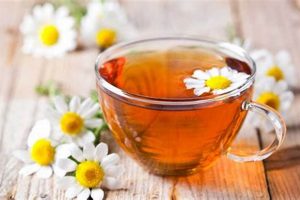
For example, chamomile, often consumed as a tea for its calming properties, typically requires a relatively high dosage of dried flowers to elicit a noticeable effect. A cup of weak chamomile tea may not provide sufficient anxiolytic benefit for individuals experiencing significant uneasiness. Conversely, St. John’s Wort, when taken at excessive dosages, can increase the risk of photosensitivity and interactions with other medications. Understanding the appropriate dosage range for each herb is therefore a fundamental prerequisite for responsible use. The consequences of improper dosages can extend beyond therapeutic failure to include unexpected and potentially harmful physiological responses.
The selection of an appropriate dosage regime necessitates accounting for individual factors, such as body weight, age, metabolic rate, and overall health status. A geriatric patient with impaired liver function may require a lower dosage than a younger, healthier individual. In summary, dosage considerations represent a crucial element in the application of plant-derived remedies for managing unease. Neglecting this factor can undermine the potential benefits and increase the likelihood of adverse events.
4. Herb-drug interactions
The concurrent use of botanical treatments and conventional pharmaceuticals presents the potential for interactions that can significantly alter the therapeutic outcomes of either substance. An understanding of these interactions is crucial for individuals considering botanical interventions for apprehension, as adverse effects or diminished efficacy of prescribed medications may result.
- Pharmacokinetic Interactions
Pharmacokinetic interactions involve alterations in the absorption, distribution, metabolism, or excretion of a drug due to the presence of an herb. For example, St. John’s Wort is known to induce cytochrome P450 enzymes, which metabolize numerous pharmaceuticals. This induction can lead to decreased plasma concentrations of drugs like warfarin, oral contraceptives, and certain antidepressants, potentially reducing their therapeutic efficacy. Conversely, some herbs may inhibit drug-metabolizing enzymes, increasing the risk of drug toxicity.
- Pharmacodynamic Interactions
Pharmacodynamic interactions occur when an herb and a drug have additive, synergistic, or antagonistic effects on the same physiological system. For instance, combining valerian root, which possesses sedative properties, with benzodiazepines may potentiate the sedative effects, leading to excessive drowsiness and impaired cognitive function. In contrast, an herb may antagonize the effects of a drug, rendering it less effective. The cumulative effect of multiple substances impacting a shared pathway can amplify both therapeutic and adverse outcomes, necessitating cautious co-administration.
- Impact on Specific Drug Classes
Certain drug classes are more prone to interactions with botanical treatments. Antidepressants, anticoagulants, cardiovascular medications, and immunosuppressants are particularly sensitive due to their narrow therapeutic indices and the potential for significant consequences if their plasma concentrations are altered. For example, the use of ginger or ginkgo biloba in patients taking anticoagulants like warfarin can increase the risk of bleeding due to their antiplatelet effects. Similarly, interactions with antidepressants can lead to serotonin syndrome, a potentially life-threatening condition.
- Variability and Individual Factors
The occurrence and severity of herb-drug interactions can vary significantly depending on individual factors such as age, genetics, liver and kidney function, and the specific formulation and dosage of both the herb and the drug. Genetic polymorphisms in drug-metabolizing enzymes can influence the extent to which an herb alters drug metabolism. Patients with impaired liver or kidney function may be more susceptible to drug toxicity if an herb inhibits drug elimination. Therefore, a comprehensive assessment of individual risk factors is crucial prior to combining botanical and pharmaceutical treatments.
The potential for herb-drug interactions underscores the importance of open communication between patients and healthcare providers regarding the use of all substances, including botanical options. Failure to disclose the use of herbs can lead to inappropriate prescribing decisions and avoidable adverse events. Healthcare professionals should proactively inquire about herb use and consult reliable resources to assess the potential for interactions before initiating or modifying drug therapy. This collaborative approach promotes safe and effective patient care when considering botanical strategies.
5. Quality control

Quality control represents a foundational element in the safe and effective utilization of botanical interventions. The inherent complexity of plant-based materials, coupled with the variability in growing conditions, harvesting practices, and manufacturing processes, necessitates rigorous quality control measures to ensure product consistency, purity, and potency. Without stringent quality control, the efficacy and safety of herbal products intended to alleviate conditions of apprehension can be compromised.
The lack of quality control can have tangible consequences. For example, herbal products contaminated with heavy metals, pesticides, or adulterants pose a direct risk to consumer health. In 2015, the New York Attorney General’s office investigated several major retailers selling herbal supplements and found that many products did not contain the herbs listed on the label and instead contained undisclosed fillers. This case highlights the potential for mislabeling and contamination when quality control measures are inadequate. Furthermore, variations in the concentration of active compounds across different batches of the same herb can lead to inconsistent therapeutic effects, making it difficult for individuals to achieve desired outcomes. For instance, if two batches of chamomile tea contain significantly different concentrations of apigenin, a compound believed to contribute to its calming effects, the consumer may experience inconsistent results.
In conclusion, quality control is not merely a procedural formality but a critical safeguard that protects consumers from potential harm and ensures the reliability of botanical products. The practical significance of this understanding lies in its ability to inform consumer choices and encourage the selection of products from manufacturers that adhere to recognized quality standards, such as Good Manufacturing Practices (GMP) certification. This commitment to quality helps ensure that botanical interventions utilized for apprehension deliver the intended benefits without compromising safety.
6. Traditional Use

Traditional use serves as a foundational element in understanding the application of botanical remedies for conditions characterized by heightened nervousness. The accumulated knowledge of indigenous cultures and traditional healing systems provides a historical context and a practical basis for contemporary research and utilization. The causal relationship is evident: centuries of observation and experimentation have identified specific plants with purported anxiolytic properties, forming the basis for their continued use today. The importance of traditional use lies in its capacity to inform the selection and application of herbal interventions, offering a wealth of empirical data that can guide modern scientific inquiry. For example, Ashwagandha ( Withania somnifera) has been employed in Ayurvedic medicine for centuries to promote resilience to stress and alleviate worry. This historical use has prompted scientific investigation into its mechanisms of action and clinical efficacy, supporting its contemporary application.
The practical significance of understanding traditional uses extends to guiding dosage and preparation methods. Traditional practices often involve specific methods of extracting and administering herbal remedies, such as decoctions, tinctures, or poultices, that are believed to optimize their therapeutic effects. For instance, the traditional preparation of chamomile tea involves infusing dried chamomile flowers in hot water, a method that is thought to extract the plant’s active compounds effectively. By understanding these traditional methods, contemporary practitioners can better appreciate the nuances of herbal preparation and administration, potentially maximizing their therapeutic benefits. However, It is important to note that the effects of plant remedies can vary based on growing conditions, climate, and preparation methods. This variability poses a challenge to standardization and highlights the importance of rigorous quality control measures to ensure consistency and potency.
In conclusion, traditional use represents a valuable source of information and a historical foundation for understanding the application of botanical solutions to manage feelings of unease. While not a substitute for rigorous scientific investigation, the accumulated knowledge of traditional healing systems provides a practical framework for identifying promising herbal interventions and guiding their responsible use. Recognizing the relationship between traditional use and contemporary practice enhances the potential benefits of botanical solutions, promoting their application in a manner that is both informed and culturally sensitive.
7. Regulatory landscape

The regulatory landscape surrounding botanical interventions for managing apprehension significantly impacts their accessibility, quality, and the information available to consumers and healthcare providers. The absence of uniform global regulations creates inconsistencies in the standards governing the production, labeling, and marketing of these treatments.
- Variability in Classification
Botanical interventions are classified differently across jurisdictions, ranging from dietary supplements to medicinal products. In some regions, they are subject to minimal regulatory oversight, while in others, they undergo more rigorous evaluation processes. This variability affects the extent to which manufacturers are required to demonstrate safety and efficacy before marketing their products. For example, in the United States, botanical products are generally regulated as dietary supplements under the Dietary Supplement Health and Education Act (DSHEA), which places the burden of proof on regulatory agencies to demonstrate that a product is unsafe before it can be removed from the market. In contrast, in the European Union, some botanical products are regulated as traditional herbal medicinal products, requiring manufacturers to provide evidence of traditional use and safety.
- Standards for Manufacturing and Quality Control
Regulations pertaining to manufacturing practices and quality control vary widely, influencing the consistency and purity of botanical products. Some countries mandate adherence to Good Manufacturing Practices (GMP) to ensure that products are manufactured under controlled conditions and meet established quality standards. However, enforcement of GMP regulations can be inconsistent, leading to variations in product quality across different manufacturers and regions. The absence of robust quality control measures can result in products contaminated with heavy metals, pesticides, or adulterants, posing risks to consumer safety. The FDA has proposed new rules for GMP to improve the quality of botanical products and reduce the risk of contamination and adulteration.
- Labeling Requirements and Health Claims
Labeling requirements and the permissibility of health claims for botanical interventions differ across regulatory frameworks. Some jurisdictions allow manufacturers to make structure-function claims, which describe the role of a nutrient or dietary ingredient in affecting the structure or function of the body, without requiring pre-market approval. However, the extent to which these claims can be substantiated varies. Other jurisdictions have stricter regulations regarding health claims, requiring manufacturers to provide evidence of safety and efficacy before making claims about the treatment or prevention of specific diseases. The lack of uniform labeling requirements can lead to consumer confusion and misinterpretation of product information. The FTC has enforced truth in advertising laws to prevent false or misleading health claims.
- Restrictions on Marketing and Advertising
Regulations governing the marketing and advertising of botanical interventions influence the information disseminated to consumers. Some jurisdictions impose restrictions on the types of claims that can be made in advertising, prohibiting manufacturers from promoting their products as cures for specific diseases without adequate scientific evidence. However, enforcement of these restrictions can be challenging, particularly with the rise of online marketing and social media. The dissemination of unsubstantiated claims can mislead consumers and undermine informed decision-making. The NAD monitors and challenges advertising claims that are deceptive or misleading.
The regulatory landscape has a direct correlation with the use of herbal medicines for anxiety. The interplay among the varied regulation, standards, health claims and marketing can significantly affect the safety and transparency of herbal medicine, which can then affect public health.
Frequently Asked Questions
This section addresses common inquiries and clarifies prevalent misunderstandings concerning the use of plant-derived substances to manage feelings of excessive worry.
Question 1: Are herbal remedies a safe substitute for prescription medications for managing apprehension?
Herbal remedies are not invariably a safe substitute for prescription medications. While certain botanical interventions may offer mild anxiolytic effects, their efficacy is not always comparable to pharmaceutical agents. Moreover, interactions with other medications and potential adverse effects necessitate careful consideration and consultation with a healthcare professional.
Question 2: Is a “natural” label an indication of safety and efficacy?
The term “natural” does not guarantee safety or efficacy. Many substances derived from natural sources can be harmful or possess limited therapeutic value. Rigorous scientific evaluation is necessary to determine the safety and effectiveness of any botanical intervention.
Question 3: Can herbal remedies be used during pregnancy or breastfeeding?
The use of herbal remedies during pregnancy or breastfeeding requires extreme caution. Many botanicals lack sufficient safety data for these populations, and some may pose risks to the developing fetus or infant. Consulting with a qualified healthcare provider is essential before using any herbal remedy during these periods.
Question 4: How can one ensure the quality and purity of herbal products?
Ensuring the quality and purity of herbal products requires careful selection of reputable manufacturers that adhere to Good Manufacturing Practices (GMP). Look for products that have undergone third-party testing and certification to verify their contents and potency.
Question 5: Are there specific herbal remedies proven to be effective for managing all anxiety disorders?
There is no single herbal remedy proven to be effective for managing all anxiety disorders. Different anxiety disorders may respond to different botanical interventions, and individual responses can vary. A personalized approach, guided by a healthcare professional, is crucial.
Question 6: Where can reliable information about the safety and efficacy of botanical solutions be found?
Reliable information about the safety and efficacy of botanical solutions can be found in peer-reviewed scientific journals, herbal monographs, and reputable databases maintained by government agencies and academic institutions. Consult with a qualified healthcare provider or herbalist for personalized guidance.
The prudent and well-informed application of plant-derived treatments hinges on obtaining a complete understanding of their safety profiles, potential interactions, and efficacy evidence. This knowledge base fosters more responsible choices regarding these treatments.
The subsequent discussion will delve into strategies for integrating botanical solutions into comprehensive management plans, emphasizing the importance of a holistic, multidisciplinary approach.
Concluding Remarks on Herbal Med for Anxiety
The preceding exploration of herbal med for anxiety reveals a complex landscape of potential benefits, risks, and considerations. Efficacy evidence varies across different botanical options, underscoring the need for discerning evaluation of available research. Quality control, dosage considerations, and potential herb-drug interactions demand careful attention to ensure responsible use. While traditional use provides a historical context, contemporary application requires a nuanced understanding of safety profiles and regulatory frameworks.
The responsible consideration of herbal med for anxiety necessitates a commitment to evidence-based decision-making and a collaborative approach involving healthcare professionals. The judicious integration of botanical solutions within comprehensive management plans may offer adjunctive support for individuals experiencing apprehension, but should not replace conventional treatments without informed consent and professional guidance. Continued research is essential to further elucidate the mechanisms of action and optimize the therapeutic application of plant-derived remedies.