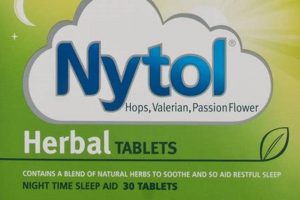
Products derived from plants, intended to promote relaxation and improve sleep quality, are frequently sought as alternatives to conventional pharmaceuticals. These preparations often contain ingredients believed to possess sedative or calming properties, aiming to facilitate the onset and maintenance of sleep without the potential adverse effects associated with prescription medications. The effectiveness of such remedies can vary significantly depending on the specific botanicals used and the individual’s physiological response.
The appeal of plant-based solutions stems from a perceived naturalness and a desire to avoid synthetic compounds. Historically, many cultures have utilized indigenous plants to address sleep disturbances. The potential advantages include milder side effects and the accessibility of certain preparations. The utilization of these supplements is often intertwined with holistic health practices that emphasize lifestyle modifications and stress reduction techniques to improve overall well-being and sleep hygiene.
The subsequent sections will delve into specific botanical components commonly found in sleep-promoting formulations, examining their purported mechanisms of action and the available scientific evidence supporting their use. Further exploration will also address potential risks, interactions with other medications, and best practices for responsible consumption.
Guidance on Optimizing Plant-Based Sleep Solutions
The following recommendations are designed to maximize the potential benefits while minimizing risks associated with utilizing plant-derived remedies for sleep enhancement.
Tip 1: Ingredient Awareness: Prior to initiating usage, meticulously examine the product’s ingredient list. Research each component individually to understand its purported effects and potential interactions with existing medications or pre-existing health conditions.
Tip 2: Dosage Adherence: Strictly adhere to the manufacturer’s recommended dosage guidelines. Exceeding the suggested amount may increase the likelihood of adverse effects without necessarily improving efficacy.
Tip 3: Timing Considerations: Administer the solution approximately 30-60 minutes prior to the desired bedtime. This allows sufficient time for the active compounds to be absorbed and exert their intended effects.
Tip 4: Consistent Routine: Integrate the plant-based sleep aid into a consistent nightly routine. This predictability signals to the body that it is time to prepare for sleep, enhancing the overall effectiveness.
Tip 5: Environmental Optimization: Ensure that the sleep environment is conducive to rest. Maintain a dark, quiet, and cool room to promote optimal sleep quality.
Tip 6: Lifestyle Integration: Complement the usage with healthy lifestyle practices, including regular exercise, a balanced diet, and stress management techniques. These factors can synergistically improve sleep.
Tip 7: Professional Consultation: If sleep disturbances persist or worsen despite utilizing plant-based remedies, consult a healthcare professional. Underlying medical conditions may necessitate alternative or adjunctive treatments.
By implementing these strategies, individuals can better leverage the potential benefits of plant-based sleep aids while prioritizing safety and well-being.
The concluding section will synthesize the information presented, providing a balanced perspective on the role of plant-derived solutions in sleep management.
1. Botanical Source

The botanical origin of a substance fundamentally determines its suitability as a component in sleep-promoting formulations. The specific plant species, its cultivation methods, and the part of the plant utilized (root, leaf, flower, etc.) directly influence the phytochemical composition and, consequently, the therapeutic potential and safety profile.
- Species Identification and Authentication
Accurate identification and authentication of the plant species are paramount. Misidentification or adulteration with other species can lead to ineffective or even harmful products. Reputable manufacturers employ analytical techniques such as DNA barcoding and microscopy to verify the botanical source. For instance, true Valeriana officinalis must be distinguished from other Valerian species.
- Geographic Origin and Cultivation Practices
The geographic location and cultivation practices impact the concentration of active compounds. Environmental factors like soil composition, climate, and harvesting time can affect the levels of key constituents within the plant. Organically grown botanicals, free from synthetic pesticides and herbicides, are often preferred due to concerns about potential contaminants in sleep aids.
- Part of the Plant Utilized
Different parts of the same plant can contain varying concentrations and types of phytochemicals. The root of Valeriana officinalis, for example, is typically used for its sedative properties, while the leaves may contain different compounds with potentially distinct or weaker effects. Understanding which part of the plant is used and why is essential for evaluating efficacy.
- Extraction Methods and Processing
The method used to extract and process the plant material significantly affects the final product. Different extraction techniques (e.g., solvent extraction, steam distillation) can selectively isolate specific compounds, influencing the overall therapeutic profile. Standardized extracts, which guarantee a consistent concentration of key active constituents, are often preferred for their predictable effects. For example, valerian extracts are often standardized to valerenic acid content.
In conclusion, the selection of a sleep-supporting product should begin with a critical evaluation of its botanical source. Ensuring accurate species identification, understanding the impact of cultivation practices, specifying the plant part utilized, and assessing the extraction method are vital steps in determining the quality and potential effectiveness of herbal solutions designed to promote rest.
2. Mechanism of Action

Understanding the mechanism by which plant-derived sleep aids exert their effects is crucial for evaluating their efficacy and safety. The biochemical interactions and physiological pathways influenced by these botanical compounds determine their ability to promote relaxation, reduce anxiety, and induce or maintain sleep. A clear understanding of these mechanisms allows for a more rational approach to their use.
- Neurotransmitter Modulation
Many herbal sleep aids influence neurotransmitter activity in the brain. For example, valerian root is believed to enhance gamma-aminobutyric acid (GABA) activity, an inhibitory neurotransmitter that reduces neuronal excitability and promotes relaxation. Similarly, chamomile contains apigenin, which may bind to GABA receptors. Understanding these interactions helps explain the sedative effects of these herbs.
- Melatonin Regulation
Some plant-derived compounds influence the body’s melatonin system, which plays a key role in regulating the sleep-wake cycle. While few herbal remedies directly contain significant amounts of melatonin, some may indirectly support melatonin production or receptor sensitivity. This can help synchronize the circadian rhythm and improve sleep onset. Lemon balm, for example, has been studied for its potential to indirectly influence melatonin pathways.
- Anxiolytic Effects
Anxiety and stress are frequent contributors to sleep disturbances. Certain herbal sleep aids possess anxiolytic properties, reducing anxiety levels and promoting a state of calmness conducive to sleep. Lavender, for instance, has demonstrated anxiolytic effects in various studies, potentially through its influence on the limbic system, a brain region involved in emotional processing.
- Inflammatory Pathways
Emerging research suggests that chronic inflammation can disrupt sleep patterns. Some herbal compounds possess anti-inflammatory properties that may indirectly improve sleep quality by reducing inflammation-related sleep disturbances. Compounds like those found in passionflower may exert mild anti-inflammatory effects, although more research is needed to confirm this mechanism in the context of sleep.
By targeting these diverse mechanisms, herbal sleep aids offer a variety of approaches to address sleep disturbances. While the precise mechanisms of action for some botanicals remain under investigation, the existing evidence provides a framework for understanding their potential benefits and for guiding responsible use.
3. Clinical Evidence

The evaluation of plant-derived sleep aids necessitates a rigorous examination of available clinical evidence. The purported benefits of these substances, without substantiation from well-designed clinical trials, remain speculative. The connection between clinical evidence and the efficacy of these aids is causal: robust clinical trials can demonstrate a direct effect on sleep parameters such as sleep latency, sleep duration, and sleep quality. The absence of such evidence indicates a lack of scientific validation, irrespective of anecdotal reports or traditional usage.
Consider, for example, valerian root. While widely used, its effectiveness has been subject to varying results in clinical trials. Some studies demonstrate statistically significant improvements in sleep quality compared to placebo, while others show no significant difference. A meta-analysis of multiple trials is often necessary to draw a more definitive conclusion regarding its efficacy. In contrast, certain other herbal remedies might have limited clinical data available, rendering it challenging to assess their true potential or safety profile. The practical significance lies in empowering consumers to make informed choices, differentiating between solutions with documented benefits and those lacking scientific backing.
Therefore, a critical assessment of clinical evidence is paramount. Evaluating sample sizes, study designs, control groups, and the statistical significance of findings is essential. Moreover, attention must be paid to potential biases, funding sources, and conflicts of interest that may influence study outcomes. The ongoing pursuit of rigorous clinical research is vital for establishing the validity and responsible use of plant-derived approaches to sleep improvement.
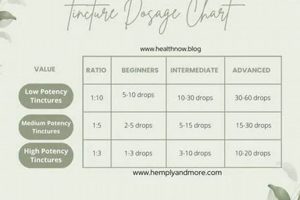
4. Dosage Guidelines

Dosage guidelines represent a critical component of the safe and effective use of plant-derived sleep aids. Unlike synthetic pharmaceuticals, the potency and composition of botanical preparations can exhibit considerable variability, influenced by factors such as plant species, growing conditions, and extraction methods. Consequently, adhering to established dosage recommendations becomes paramount to mitigating potential adverse effects and optimizing therapeutic benefits. Exceeding the recommended dosage does not necessarily enhance efficacy but can substantially increase the risk of side effects. Inadequate dosage, conversely, may render the aid ineffective, leading to frustration and potentially prompting the individual to abandon a potentially beneficial therapeutic approach.
Specific examples underscore this importance. For instance, valerian root, a frequently used sleep aid, typically has a recommended dosage ranging from 400 to 900 mg of a standardized extract taken 30-60 minutes before bedtime. This range has been established through clinical trials, balancing efficacy with tolerability. Deviation from this range, either higher or lower, can compromise its benefits. Similarly, chamomile tea, while generally considered safe, possesses varying concentrations of active compounds depending on the brewing time and the amount of flower used. Therefore, consistent preparation methods and adherence to established serving sizes are advisable. Dosage adherence is not merely a suggestion; it forms an integral part of the therapeutic framework and promotes responsible self-care.
In summary, the inherent variability in botanical preparations necessitates a strict adherence to dosage guidelines. These guidelines are not arbitrary; they are often derived from clinical trials and empirical evidence. Understanding and respecting these recommendations are essential for maximizing the potential benefits while minimizing the risks associated with their use. Ignoring or exceeding these boundaries introduces unnecessary uncertainty and jeopardizes the intended therapeutic outcome. Further exploration is needed to integrate individual factors into dosage strategies to optimize efficacy while maximizing safety.
5. Potential Interactions

The concurrent use of plant-derived sleep solutions with other medications or substances necessitates careful consideration due to the potential for interactions that may alter their efficacy or increase the risk of adverse effects. These interactions can manifest through various mechanisms, including pharmacokinetic and pharmacodynamic pathways. It is, therefore, paramount to meticulously evaluate the potential for these interactions prior to initiating or modifying a regimen incorporating such solutions.
- Pharmaceutical Interactions
Certain herbal constituents can interfere with the absorption, metabolism, or excretion of prescription or over-the-counter medications. For instance, St. John’s Wort, while not primarily used as a sleep aid, is known to induce cytochrome P450 enzymes, potentially reducing the effectiveness of various drugs, including certain antidepressants and oral contraceptives. Conversely, some compounds may inhibit these enzymes, increasing the concentration and risk of side effects of other medications. This necessitates a thorough review of all concurrent medications by a qualified healthcare professional.
- Alcohol and Sedative Interactions
The concomitant consumption of alcohol or other central nervous system depressants, such as benzodiazepines, with sedative herbs can potentiate their effects, leading to excessive drowsiness, impaired coordination, and increased risk of accidents. The synergistic effects of these substances can amplify their individual sedative properties, posing a significant safety hazard. This risk is particularly relevant for individuals operating machinery or driving.
- Anticoagulant and Antiplatelet Interactions
Certain herbal constituents possess anticoagulant or antiplatelet properties, which, when combined with medications such as warfarin or aspirin, can increase the risk of bleeding. Examples include garlic, ginger, and ginkgo biloba. Monitoring for signs of excessive bleeding, such as easy bruising or prolonged bleeding from cuts, is crucial when these combinations are used. Adjustments to medication dosages may be necessary under the guidance of a healthcare provider.
- Interactions with Anesthesia
It is imperative to inform anesthesiologists about the use of any herbal sleep aids prior to undergoing surgical procedures. Some herbs can interact with anesthetic agents, potentially affecting the depth of anesthesia or prolonging its effects. Discontinuation of certain herbs may be recommended several days or weeks before surgery to minimize the risk of such interactions.
In conclusion, the potential for interactions between plant-based sleep aids and other substances warrants careful assessment. A comprehensive review of all medications and supplements, coupled with consultation with a healthcare professional, is essential to ensure safe and effective usage. The avoidance of self-treating without professional guidance is strongly advised to mitigate the risks associated with these interactions.
6. Quality Control

The efficacy and safety of plant-derived sleep aids are inextricably linked to rigorous quality control measures implemented throughout the production process. The inherent variability in botanical materials, encompassing species, growing conditions, and extraction techniques, necessitates stringent quality assurance protocols to ensure consistency and minimize the risk of adulteration or contamination. Without robust quality control, the therapeutic potential of such products can be severely compromised, and consumers may be exposed to potentially harmful substances. The presence of heavy metals, pesticides, or even incorrect plant species can render a sleep aid not only ineffective but also detrimental to health. For instance, the German Commission E, a scientific advisory board, emphasizes that quality control testing is important for validating that the plant contain effective value that promotes human health with sleep aid. The practical significance is clear: consumers rely on the assurance that the product they are ingesting contains the intended ingredients at the specified potency and is free from harmful contaminants.
Effective quality control encompasses multiple stages, commencing with the authentication of the botanical raw materials. This involves verifying the species through macroscopic and microscopic examination, as well as employing advanced analytical techniques such as DNA barcoding. Subsequent stages include monitoring growing conditions to minimize pesticide exposure and implementing standardized extraction procedures to ensure consistent concentrations of active compounds. Finished product testing is essential to verify the potency of key constituents and to screen for contaminants, including heavy metals, pesticides, microbial pathogens, and adulterants. The United States Pharmacopeia (USP) and other pharmacopeias provide standards for the identity, purity, and potency of herbal ingredients and products. Manufacturers who adhere to these standards demonstrate a commitment to quality. For example, a study by the National Center for Complementary and Integrative Health (NCCIH) emphasizes on quality control and suggests that manufactures that provide test reports are more trusted to customers and doctors alike.
In summary, quality control is not merely a desirable attribute but a fundamental prerequisite for plant-derived sleep aids. It directly affects product efficacy, safety, and consumer trust. The challenges lie in the complexity of botanical materials and the need for sophisticated analytical techniques to ensure accurate identification and purity assessment. Ultimately, the integration of rigorous quality control protocols is essential for fostering the responsible development and utilization of plant-derived solutions for sleep enhancement. The effectiveness of this quality control is defined by the safety of this product.
Frequently Asked Questions About Herbal Sleep Aids
The following questions address common concerns and misconceptions regarding plant-derived solutions intended to promote sleep. The information presented is for general knowledge and does not constitute medical advice. Consultation with a healthcare professional is recommended before initiating any new sleep aid regimen.
Question 1: Are products derived from plants inherently safer than synthetic sleep medications?
The designation “natural” does not automatically equate to safety. While some botanicals may exhibit fewer side effects than prescription medications, others can pose significant risks, especially when combined with other drugs or used by individuals with pre-existing medical conditions. Careful evaluation of potential interactions and contraindications is essential.
Question 2: How should effectiveness be assessed with herbal sleep solutions?
Effectiveness should be based on a combination of factors, including the presence of clinical evidence supporting the use of specific ingredients, adherence to recommended dosages, and individual response. Objective measures of sleep quality, such as sleep diaries or polysomnography, can provide valuable data.
Question 3: Can tolerance develop when using herbal sleep aids consistently?
Tolerance, a decreased response to a substance over time, can occur with some botanical sleep remedies, although it is generally less pronounced than with certain prescription medications. Cycling the use of different remedies or incorporating lifestyle modifications may help to mitigate tolerance development.
Question 4: How do you assess the quality and purity of such products?
Quality and purity should be verified by examining the manufacturer’s quality control procedures and seeking products that have been independently tested by reputable third-party organizations. Look for certifications from organizations such as the U.S. Pharmacopeia (USP) or NSF International.
Question 5: Are herbal sleep aids appropriate for all individuals experiencing sleep difficulties?
Herbal sleep aids may not be suitable for all individuals. Certain populations, such as pregnant or breastfeeding women, children, and those with specific medical conditions, may need to avoid certain botanicals. Consultation with a healthcare professional is essential to determine suitability.
Question 6: How long does it typically take to experience the effects of botanical sleep solutions?
The onset of effects can vary depending on the specific botanical used, the dosage, and individual factors. Some individuals may experience noticeable improvements in sleep within a few days, while others may require several weeks of consistent use to observe significant changes. Patience and adherence to recommended guidelines are important.
In summary, herbal sleep aids represent a potential alternative to conventional sleep medications. However, responsible use requires careful consideration of potential risks, interactions, and quality control measures.
The next section addresses lifestyle modifications that can complement or serve as alternatives to botanical sleep solutions.
Conclusion
The preceding sections have explored the multifaceted landscape surrounding herbal sleep aids, encompassing botanical sources, mechanisms of action, clinical evidence, dosage guidelines, potential interactions, and quality control. A central tenet is that while these solutions offer a seemingly natural alternative to conventional pharmaceuticals, their efficacy and safety are contingent upon judicious selection, informed usage, and a comprehensive understanding of their potential limitations.
The informed consumer must exercise diligence in evaluating product claims, scrutinizing ingredient lists, and consulting with qualified healthcare professionals. The pursuit of restful sleep should not eclipse the imperative of ensuring personal safety and well-being. The future of herbal sleep aids hinges on continued rigorous scientific inquiry, stringent quality control standards, and responsible marketing practices that prioritize consumer education and transparency. The responsible use of herbal sleep aid, like the products themselves, should be cultivated and cared for.