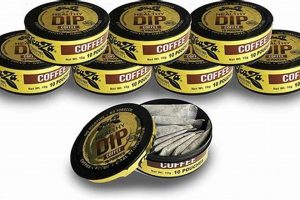
Products that resemble traditional cigarettes but contain no tobacco, instead incorporating a blend of various herbs and plant materials, are an alternative to conventional smoking. These items often aim to mimic the sensory experience of smoking without the addictive properties associated with nicotine found in tobacco. Common ingredients include herbs like lavender, mint, and chamomile, often combined to create a specific flavor profile and smoking experience.
The rise in popularity of these products stems from a growing awareness of the health risks associated with tobacco use, as well as a desire to reduce nicotine dependency. Historically, herbal smoking blends have been used in various cultures for ceremonial or medicinal purposes. Modern versions offer a potential cessation aid for individuals seeking to quit smoking, or a recreational alternative for those who wish to avoid nicotine and tobacco altogether. They may also provide a substitute for social smokers in environments where tobacco use is restricted.
The subsequent sections will delve into the composition of these alternatives, examine potential health implications, explore their legal and regulatory landscape, and compare them with other smoking cessation methods and nicotine-containing products. Furthermore, market trends and consumer perceptions surrounding these items will be examined.
Guidance Regarding Tobacco-Free Herbal Cigarettes
The following information provides essential guidance concerning the use and considerations surrounding tobacco-free herbal cigarettes. Adherence to these points can promote informed decision-making.
Tip 1: Understand the Ingredients: Scrutinize the product’s ingredient list. Different brands utilize varying herbal blends, and potential allergens or unwanted substances may be present. Research the potential effects of each herb used in the product.
Tip 2: Manage Expectations: These items do not replicate the exact physiological effects of nicotine. Individuals expecting a comparable experience to tobacco cigarettes may be disappointed. Approach them as a distinct product with its own unique characteristics.
Tip 3: Consider Potential Health Effects: While tobacco-free, the act of smoking, regardless of the substance, carries potential respiratory risks. Consult a healthcare professional regarding potential health implications, particularly for individuals with pre-existing respiratory conditions.
Tip 4: Be Aware of Regulations: Regulations governing the sale and use of these products vary by jurisdiction. Research local laws to ensure compliance. Age restrictions or limitations on where they can be used may apply.
Tip 5: Use as a Potential Cessation Aid (With Caution): Some individuals utilize these as a stepping stone to quit smoking. However, reliance on the habit of smoking, even without nicotine, can hinder the process. A comprehensive cessation plan, often involving professional guidance, is typically more effective.
Tip 6: Monitor for Adverse Reactions: Pay attention to any adverse reactions, such as coughing, wheezing, or allergic responses. Discontinue use and seek medical attention if any concerning symptoms arise.
Tip 7: Avoid Dependence: While lacking nicotine, psychological dependence on the ritual of smoking can still develop. Practice moderation and avoid associating the product with stressful situations or triggers.
Key takeaway: Informed consumers understand the composition, potential risks, and regulatory environment surrounding these alternatives. Responsible usage and realistic expectations are paramount.
The subsequent conclusion will provide a summary of the information presented and offer a final perspective on the role of tobacco-free herbal cigarettes in the context of smoking alternatives and cessation efforts.
1. Herbal Composition

The herbal composition of tobacco-free herbal cigarettes forms the fundamental basis of these products, dictating their flavor, aroma, and potential effects. The selection and combination of herbs directly influences the smoking experience and differentiates one brand or product from another. Understanding this composition is crucial for both consumers and manufacturers.
- Base Herbs and their Role
Base herbs constitute the primary ingredient, providing bulk and structure to the cigarette. Common examples include mullein, marshmallow leaf, and raspberry leaf. These herbs typically possess a mild flavor and burn evenly, creating a foundation upon which other flavors are layered. The quality and preparation of the base herbs significantly impact the overall smoking quality.
- Flavoring Agents and Sensory Experience
Flavoring agents enhance the sensory experience, mimicking or deviating from traditional tobacco flavors. These may include herbs like mint, lavender, chamomile, or even spices such as cinnamon and cloves. The concentration and combination of these agents determine the aroma, taste, and overall appeal of the cigarette. Natural extracts and essential oils are often used to create more complex flavor profiles.
- Additives and Burning Properties
Certain additives may be incorporated to control burning rate, moisture content, and overall product consistency. These additives, while ideally natural, can sometimes include artificial components. Understanding the function and potential impact of these additives is essential for assessing the overall quality and safety of the product.
- Potential Allergens and Sensitivities
Given the diverse range of herbs used, potential allergens and sensitivities are a significant concern. Individuals with known allergies to plants like ragweed, chamomile, or lavender should carefully review the ingredient list before use. Cross-reactivity between different plant families is also possible, requiring caution even for individuals without known allergies.
The varied herbal compositions underscore the complexity of these products. While offering a tobacco-free alternative, the diverse ingredients introduce a new set of considerations regarding potential effects and sensitivities. A thorough understanding of the composition is essential for informed consumer choices and responsible product development.
2. Respiratory Impact

Although marketed as a tobacco-free alternative, the use of herbal cigarettes is not without potential impact on respiratory health. The act of burning and inhaling any particulate matter, regardless of its origin, introduces irritants and potential carcinogens into the respiratory system. The combustion process generates fine particles that can penetrate deep into the lungs, triggering inflammation and potentially exacerbating pre-existing respiratory conditions such as asthma or chronic obstructive pulmonary disease (COPD). Furthermore, the specific herbs used may release unique volatile organic compounds (VOCs) during combustion, some of which could be respiratory irritants. A study published in the Journal of Alternative and Complementary Medicine examined the effects of herbal cigarette smoke on airway inflammation and found a statistically significant increase in inflammatory markers in participants exposed to the smoke, compared to a control group.
The long-term effects of chronic herbal cigarette smoking on respiratory health remain largely unstudied, and data extrapolated from tobacco smoking research may not be directly applicable due to the differing chemical compositions of the smoke. However, parallels can be drawn regarding the physical act of inhaling smoke and its potential to damage lung tissue over time. The absence of nicotine does not negate the potential for harm caused by particulate matter and other combustion byproducts. Moreover, some herbal blends may contain ingredients that are intrinsically irritating to the respiratory tract, independent of the combustion process. For example, certain herbs contain essential oils that, when inhaled, can cause bronchospasm in sensitive individuals.
In conclusion, while herbal cigarettes may offer an alternative to tobacco, consumers should be aware that they are not risk-free, especially in terms of respiratory health. The act of inhaling combusted material, regardless of its origin, poses potential risks. Further research is needed to fully elucidate the long-term respiratory effects of herbal cigarette smoking, but current evidence suggests that caution is warranted, particularly for individuals with pre-existing respiratory conditions. The marketing of these products should accurately reflect potential respiratory risks.
3. Legal Framework
The legal framework governing tobacco-free herbal cigarettes represents a complex and evolving landscape, characterized by inconsistencies across jurisdictions and a lack of specific regulations tailored to these products. This ambiguity creates challenges for manufacturers, distributors, and consumers alike, requiring careful navigation of existing laws.
- Classification and Taxation
The classification of herbal cigarettes varies widely. Some regions categorize them as tobacco products (despite the absence of tobacco), subjecting them to similar taxation and restrictions. Others treat them as novel herbal products, leading to lower taxes and fewer regulations. This inconsistency impacts pricing, market accessibility, and consumer demand. For instance, a state classifying them as tobacco products might impose high excise taxes, significantly increasing their retail price compared to states with less stringent classifications.
- Marketing and Advertising Restrictions
Marketing regulations often target smoking products generally, which may encompass herbal cigarettes. Restrictions can include bans on advertising to minors, requirements for health warnings, and limitations on promotional activities. However, the specific wording of these regulations often determines whether herbal cigarettes fall under their purview. Some jurisdictions might permit advertising herbal cigarettes as “tobacco-free alternatives,” while others prohibit any promotion that normalizes smoking behavior, regardless of the product’s composition.
- Age Restrictions and Point-of-Sale Regulations
Age restrictions on purchasing herbal cigarettes mirror those for tobacco products in many areas. Point-of-sale regulations can include restrictions on product placement, requirements for identification verification, and prohibitions on self-service displays. These regulations aim to limit youth access and reduce impulse purchases. The effectiveness of these measures depends on strict enforcement and consistent application across all retail outlets.
- Health Claims and Labeling Requirements
The ability to make health claims about herbal cigarettes is heavily regulated. Manufacturers generally cannot claim that their products are safe or beneficial for health without substantiating evidence and regulatory approval. Labeling requirements often mandate the inclusion of ingredient lists and warnings about potential health risks associated with smoking, even if the product lacks tobacco. Enforcement of these regulations aims to prevent misleading advertising and ensure that consumers are aware of potential risks.
The diverse legal treatment of tobacco-free herbal cigarettes underscores the need for clearer and more consistent regulations. As the market for these products continues to evolve, policymakers face the challenge of balancing consumer protection with the promotion of potentially less harmful alternatives to traditional tobacco. A well-defined legal framework is essential for fostering a responsible market and ensuring that consumers are adequately informed about the potential risks and benefits associated with these products.
4. Market Acceptance
Market acceptance of tobacco-free herbal cigarettes hinges on a complex interplay of factors including consumer perception, regulatory frameworks, and perceived health benefits. Understanding these dynamics is crucial for gauging the potential of these products as viable alternatives to traditional tobacco.
- Consumer Perception of Harm Reduction
A primary driver of market acceptance is the perception that herbal cigarettes represent a less harmful alternative to tobacco products. Consumers motivated by health concerns may view these products as a means of reducing exposure to nicotine and other harmful chemicals found in traditional cigarettes. However, this perception must be balanced against the potential respiratory risks associated with inhaling any combusted material.
- Influence of Regulatory Approval and Endorsement
The stance taken by regulatory bodies significantly impacts market acceptance. If health organizations or government agencies endorse herbal cigarettes as a harm reduction tool or approve their use as smoking cessation aids, consumer confidence and adoption rates are likely to increase. Conversely, negative regulatory actions can severely limit market penetration.
- Role of Marketing and Product Positioning
Marketing strategies play a crucial role in shaping consumer perception and driving market acceptance. Emphasizing the tobacco-free nature of the product, highlighting natural ingredients, and promoting a smoke-free lifestyle are common tactics. However, misleading or unsubstantiated health claims can erode consumer trust and invite regulatory scrutiny.
- Competition from Alternative Nicotine Delivery Systems
Market acceptance of herbal cigarettes is also influenced by the availability and popularity of alternative nicotine delivery systems such as e-cigarettes, nicotine patches, and gums. These products offer different approaches to nicotine replacement and smoking cessation, and their relative effectiveness and consumer appeal can impact the demand for herbal cigarettes.
In essence, market acceptance of tobacco-free herbal cigarettes is contingent upon establishing a clear value proposition for consumers, navigating the regulatory landscape effectively, and differentiating the product from competing alternatives. This necessitates responsible marketing practices, rigorous scientific evaluation of health impacts, and a transparent approach to communicating with consumers.
5. Smoking Mimicry
Smoking mimicry, in the context of tobacco-free herbal cigarettes, refers to the attempt to replicate the sensory and behavioral aspects of smoking a traditional tobacco cigarette. This mimicry is a key factor driving the appeal and usage of these products, aiming to satisfy the habitual and psychological components of smoking without the presence of nicotine.
- Hand-to-Mouth Action and Ritualistic Behavior
A significant component of smoking mimicry lies in replicating the hand-to-mouth action and the associated ritualistic behaviors. The act of holding a cigarette, lighting it, inhaling, and exhaling becomes ingrained for many smokers. Tobacco-free herbal cigarettes allow individuals to continue these actions, potentially addressing the psychological dependence associated with the habit. For example, someone who habitually smokes after meals may find satisfaction in the act of smoking an herbal cigarette, even if the physiological effects are different.
- Sensory Stimulation: Taste, Smell, and Visual Cues
The sensory experience of smoking, including the taste, smell, and visual cues of burning and exhaling smoke, contributes significantly to the overall habit. Tobacco-free herbal cigarettes attempt to replicate these sensory elements, often through the use of specific herbal blends and additives that produce smoke with a similar appearance and aroma to tobacco. Some products may even include flavors designed to mimic popular cigarette brands. However, the absence of nicotine fundamentally alters the physiological experience, and complete sensory replication is often difficult to achieve.
- Social Facilitation and Group Identification
Smoking often serves as a social facilitator, providing a shared activity and a means of identifying with a group. Tobacco-free herbal cigarettes can allow individuals to participate in social smoking situations without consuming nicotine or tobacco. This can be particularly appealing in environments where tobacco use is restricted, or for individuals who are trying to quit smoking but still desire the social interaction associated with the habit.
- Psychological Dependence and Habit Reinforcement
The psychological dependence on smoking is often intertwined with sensory and behavioral cues. Smoking mimicry can inadvertently reinforce these psychological associations, potentially hindering efforts to break the smoking habit entirely. While the absence of nicotine eliminates the physiological addiction, the continued association of smoking with specific situations or emotions can perpetuate the psychological craving. This highlights the importance of addressing both the physical and psychological components of smoking when attempting to quit, even when using tobacco-free alternatives.
The various facets of smoking mimicry underscore the complexity of the smoking habit. While tobacco-free herbal cigarettes may offer a reduced-harm alternative for some, the potential for reinforcing psychological dependence warrants careful consideration. The effectiveness of these products as a smoking cessation tool hinges on addressing both the nicotine addiction and the deeply ingrained behavioral patterns associated with the act of smoking.
6. Cessation adjunct

The utility of tobacco-free herbal cigarettes as a cessation adjunct rests on their ability to address the behavioral and psychological components of nicotine addiction. Former smokers often grapple with the ingrained habit of smoking, finding it challenging to break the routine of hand-to-mouth motion, the sensory stimulation of inhaling, and the social aspects associated with smoking rituals. Herbal cigarettes, by mimicking these elements, can theoretically provide a transitional tool, allowing individuals to gradually wean themselves off the physical act of smoking while simultaneously addressing their nicotine dependence through other means, such as nicotine replacement therapy.
However, the effectiveness of this approach hinges on several critical factors. Firstly, the individual must be fully committed to quitting nicotine and actively engage in evidence-based cessation strategies, such as counseling or pharmacological interventions. If the herbal cigarettes are used merely as a replacement for tobacco without addressing the underlying nicotine addiction, they are unlikely to contribute to long-term cessation and may even perpetuate the smoking habit. Secondly, it’s crucial to acknowledge that smoking herbal cigarettes still involves inhaling combusted material, potentially exposing individuals to harmful chemicals and respiratory irritants. Therefore, their use should be viewed as a temporary measure and discontinued as soon as possible. Thirdly, the availability of diverse herbal cigarette products means the consumer needs to carefully analyze the list of ingredients to avoid allergens or undesired substances. For instance, a person trying to quit using other nicotine-containing products might get accustomed to the smoke again if they choose herbal cigarettes instead of completely quitting the habit.
In conclusion, tobacco-free herbal cigarettes may serve as a cessation adjunct for some individuals, primarily by addressing the behavioral and psychological aspects of smoking. However, their use should be carefully considered within the framework of a comprehensive cessation plan, alongside evidence-based treatments for nicotine addiction. Individuals must remain mindful of the potential respiratory risks associated with inhaling combusted material and discontinue their use as soon as feasible. Ultimately, herbal cigarettes cannot be considered a standalone solution for smoking cessation and are most effective when integrated into a broader strategy that addresses both the physical and psychological dimensions of addiction.
Frequently Asked Questions Regarding Tobacco-Free Herbal Cigarettes
The following section addresses common inquiries and misconceptions surrounding tobacco-free herbal cigarettes, providing factual information to promote informed decision-making.
Question 1: What constitutes a tobacco-free herbal cigarette?
A tobacco-free herbal cigarette is a product designed to resemble and function like a traditional cigarette but contains no tobacco. Instead, it is composed of a blend of dried herbs, often including base herbs for bulk and flavoring agents for sensory experience.
Question 2: Are tobacco-free herbal cigarettes safe?
While free of tobacco and nicotine, these products are not risk-free. The act of burning and inhaling any substance generates particulate matter and potential carcinogens that can negatively impact respiratory health. Long-term safety data is currently limited.
Question 3: Can tobacco-free herbal cigarettes be used as a smoking cessation aid?
They may assist some individuals by addressing the habitual and psychological aspects of smoking. However, they should be integrated into a comprehensive cessation plan that also addresses nicotine addiction, ideally under the guidance of a healthcare professional.
Question 4: Are tobacco-free herbal cigarettes regulated?
Regulations vary significantly by jurisdiction. Some regions classify them as tobacco products, while others treat them as novel herbal products. This impacts taxation, marketing restrictions, and age limits. Compliance with local laws is crucial.
Question 5: What are the common ingredients in tobacco-free herbal cigarettes?
Common ingredients include base herbs like mullein or marshmallow leaf, and flavoring agents such as mint, lavender, or chamomile. Additives may be included to control burning properties. Potential allergens should be carefully considered.
Question 6: Do tobacco-free herbal cigarettes contain nicotine?
By definition, tobacco-free herbal cigarettes do not contain nicotine. This distinguishes them from traditional cigarettes and e-cigarettes that utilize nicotine-containing e-liquids.
In summary, while offering a tobacco-free alternative, these products present unique considerations regarding respiratory health, regulatory compliance, and their role in smoking cessation. Consumers should carefully weigh the potential risks and benefits before use.
The concluding section will summarize the key takeaways discussed throughout this article and offer a final perspective on tobacco-free herbal cigarettes within the context of smoking alternatives.
Conclusion
This exploration of tobacco-free herbal cigarettes has illuminated their multifaceted nature. While these products offer a seemingly appealing alternative to traditional tobacco, devoid of nicotine and potentially satisfying the habitual aspects of smoking, the analysis reveals complexities that warrant careful consideration. The respiratory risks associated with inhaling combusted material, the inconsistencies in regulatory frameworks, and the potential for reinforcing psychological dependence are critical factors that consumers and policymakers must address.
Ultimately, the responsible use and regulation of tobacco-free herbal cigarettes require a nuanced understanding of their composition, potential health impacts, and role in smoking cessation efforts. Future research should focus on long-term health outcomes and the development of standardized regulations to ensure consumer protection. A cautious and informed approach is essential to harness any potential benefits while minimizing the risks associated with these products.