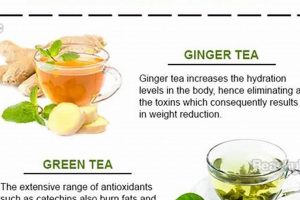
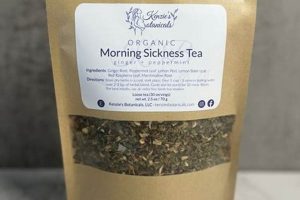
This approach to wellness centers around traditional plant-based remedies, often passed down through generations within families and communities. It typically involves using readily available local plants for their therapeutic properties, focusing on simple preparations like teas, tinctures, and salves. A common example is the use of elderberry syrup for immune support or chamomile tea for relaxation.
The value of this practice lies in its connection to nature, its emphasis on self-sufficiency, and its potential accessibility. Historically, it served as a primary form of healthcare, particularly in rural areas where access to conventional medicine was limited. Modern interest in this approach stems from a desire for more natural and holistic health options, and a recognition of the potential efficacy of time-tested remedies.
Understanding the principles of plant identification, safe preparation methods, and appropriate usage is crucial. Further discussions will explore the selection of specific plants, ethical harvesting practices, and potential interactions with other medications.
Practical Applications and Considerations
The following are actionable guidelines for engaging with traditional plant-based wellness practices. Prioritize safety and responsible sourcing.
Tip 1: Plant Identification is Paramount: Before using any wild plant, ensure positive identification using multiple reliable sources. Misidentification can lead to adverse reactions. Consult field guides and, when possible, experienced herbalists.
Tip 2: Sustainable Harvesting Practices: When gathering plants, harvest responsibly. Take only what is needed and avoid depleting local populations. Leave the roots intact when possible and consider propagating plants to ensure future availability.
Tip 3: Preparation Methods Matter: Different plants require specific preparation techniques to extract their beneficial compounds and mitigate potential toxins. Research appropriate methods such as infusions, decoctions, or tinctures for each plant used.
Tip 4: Start with Small Doses: Introduce new herbal remedies gradually to assess individual tolerance and identify any potential allergic reactions. Begin with small doses and increase gradually as needed.
Tip 5: Be Mindful of Interactions: Herbal remedies can interact with prescription medications. Consult with a qualified healthcare professional or herbalist before combining herbs with pharmaceuticals.
Tip 6: Prioritize Quality and Freshness: When purchasing dried herbs, select reputable sources known for quality control. Store herbs in airtight containers away from light and moisture to maintain potency.
Tip 7: Know Your Limitations: Recognize when self-treatment is insufficient and seek professional medical care. Herbal remedies are not a substitute for conventional medical treatment in serious conditions.
Adhering to these guidelines promotes the safe and effective use of plant-based wellness practices, while respecting the natural environment.
Further exploration will cover specific plant profiles and more advanced preparation techniques.
1. Traditional Knowledge Preservation

Traditional knowledge preservation forms the bedrock upon which the effective and sustainable practice of plant-based remedies rests. Without the active transmission and conservation of this knowledge, the nuanced understanding of plant properties, preparation methods, and safe usage erodes, jeopardizing both the efficacy and safety of practices.
- Erosion of Empirical Data
Traditional knowledge encapsulates generations of empirical observation regarding the effects of plants on health. The loss of this knowledge means the potential loss of valuable, time-tested remedies and an increased reliance on potentially less effective or understood approaches. Without this historical context, modern applications lack a crucial foundation.
- Loss of Nuanced Understanding of Plant Properties
Beyond simple identification, traditional knowledge includes deep understanding of plant habitats, optimal harvesting times, and specific preparation techniques to maximize therapeutic benefits. This level of detail often goes beyond what is found in written resources and is critical for effective use. For example, knowing that a plant’s potency varies depending on the season.
- Increased Risk of Misuse and Safety Concerns
Traditional practices often include safeguards to mitigate risks associated with potent plants. This may involve specific preparation methods to detoxify plants or understanding appropriate dosages for different populations. Without this transmitted knowledge, the risk of adverse reactions or improper usage increases significantly.
- Diminished Cultural Connection and Sustainability
The transmission of herbal knowledge is often deeply intertwined with cultural identity and practices. Losing this connection can lead to a disconnect from the natural world and a decline in sustainable harvesting practices. The respect and understanding fostered through traditional knowledge are essential for long-term ecological balance.
The preservation of traditional knowledge is not merely an academic exercise; it is a critical component of ensuring the safe, effective, and sustainable use of plant-based remedies. The erosion of this knowledge weakens the foundation of practice and increases the risk of harm to individuals and the environment. Therefore, efforts to document, preserve, and transmit this invaluable resource are of paramount importance.
2. Sustainable Harvest Practices

Sustainable harvest practices are not merely an ethical consideration, but a foundational requirement for the continued viability of any endeavor rooted in the use of wild plants. Within the context of traditional herbalism, including approaches such as “down home roots herbal,” these practices ensure the long-term availability of resources, preserving the delicate balance of local ecosystems, and upholding the integrity of the craft itself.
- Preservation of Plant Populations
Unsustainable harvesting, whether intentional or unintentional, can lead to the decline or even extinction of local plant populations. This directly undermines the ability to continue utilizing those plants for medicinal or other purposes. Sustainable practices, such as taking only a small percentage of available plants and allowing for ample regeneration, mitigate this risk. An example is selectively harvesting aerial parts of a plant while leaving the root system intact to enable regrowth.
- Maintenance of Ecosystem Health
Removing plants from their environment can disrupt the intricate web of relationships within an ecosystem. Certain plants may serve as critical food sources or habitat for wildlife. Over-harvesting can have cascading effects, impacting the entire ecosystem. Sustainable harvesting considers the role of plants within the larger ecosystem and seeks to minimize any negative impact on other species. For instance, avoiding harvest in areas crucial for wildlife breeding or migration.
- Prevention of Habitat Degradation
Careless harvesting practices can damage plant habitats, leading to soil erosion, water contamination, and other forms of environmental degradation. Sustainable practices minimize this risk by employing techniques that avoid disturbing the soil and surrounding vegetation. Using hand tools carefully to collect only the necessary parts of the plant, rather than uprooting entire specimens, is a good example.
- Safeguarding of Future Generations
The principles of sustainable harvest ensure that these remedies continue to be accessible to people in the future. Respectful interaction is important to our planet. It ensures continuous plant availability and minimizes the destruction of nature.
The adoption of sustainable harvest practices is not merely a matter of ecological responsibility; it is an act of self-preservation for those who rely on plant-based remedies. The continued availability of these resources depends entirely on our ability to harvest them in a responsible and mindful manner, ensuring the health and vitality of both the plants and the ecosystems they inhabit.
3. Localized Plant Diversity
Localized plant diversity is a cornerstone of traditional herbalism, intimately connecting practices like “down home roots herbal” to the unique ecological contexts from which they arise. This emphasis on regional flora shapes the specific plants used, the ailments addressed, and the overall character of the approach.
- Tailored Remedies to Local Health Needs
Regional plant diversity often mirrors the specific health challenges faced by a population. Plants with properties to address common local ailments naturally become central to traditional remedies. For example, coastal communities may rely on seaweed species for iodine supplementation, reflecting a historical dietary need. This alignment creates highly effective and locally relevant healthcare solutions.
- Adaptation and Resilience in Plant Use
Utilizing indigenous plants promotes resilience in healthcare. Reliance on globally sourced herbs can be vulnerable to supply chain disruptions or environmental changes affecting distant ecosystems. Locally adapted plants are more readily available and better suited to withstand local environmental fluctuations. This ensures a more stable and reliable source of medicinal resources.
- Preservation of Traditional Ecological Knowledge
Local plant diversity is intrinsically linked to traditional ecological knowledge, encompassing the understanding of plant habitats, optimal harvesting times, and specific preparation techniques. The continued use of indigenous flora helps preserve this cultural heritage, ensuring the transmission of vital information from one generation to the next. The knowledge of which plants thrive best in specific areas also allows for localized farming opportunities.
- Promotion of Biodiversity Conservation
The emphasis on local plant diversity can contribute to the conservation of regional ecosystems. By valuing and utilizing native plants, communities are incentivized to protect their habitats, preventing habitat destruction and promoting overall biodiversity. This creates a mutually beneficial relationship between human health and environmental stewardship.
The reliance on localized plant diversity within “down home roots herbal” not only shapes the specific remedies used but also fosters a deeper connection to the surrounding environment, promoting both human and ecological well-being. This regional approach underscores the value of place-based knowledge and the importance of preserving both plant diversity and the traditional wisdom associated with it.
4. Simple Preparation Methods

The principle of simple preparation methods is integral to traditional plant-based wellness practices. It underscores accessibility, resourcefulness, and the direct application of natural remedies, reflecting a philosophy where the means to promote well-being are readily available and easily implemented.
- Accessibility and Resource Availability
Simple methods like infusions (teas) and decoctions (simmered extracts) require minimal equipment and readily available ingredients. This ensures that plant-based remedies are accessible to individuals regardless of their financial means or proximity to specialized facilities. The focus is on utilizing commonplace items such as pots, water, and locally gathered plants.
- Preservation of Plant Potency
Less complex preparation techniques often minimize the risk of damaging delicate plant compounds through excessive heat or chemical processing. Methods like maceration (soaking) or poultices (applied directly to the skin) allow for the extraction of therapeutic properties while preserving their natural integrity. This ensures that the final remedy retains its full medicinal value.
- Empowerment and Self-Sufficiency
The ease of preparation fosters a sense of empowerment and self-sufficiency. Individuals can actively participate in their own healthcare, learning to identify, prepare, and utilize plants for various ailments. This hands-on approach encourages a deeper understanding of the connection between humans and the natural world, promoting a more proactive and informed approach to wellness.
- Minimized Environmental Impact
Simple methods often involve less energy consumption and generate less waste compared to more complex extraction processes. By relying on natural solvents like water or vinegar, the environmental impact is minimized. This aligns with the overall ethos of sustainability and respect for the environment that characterizes traditional herbalism.
The emphasis on straightforward techniques within traditional approaches makes plant-based wellness accessible, effective, and sustainable. It reflects a philosophy that values resourcefulness, self-sufficiency, and a direct connection to the natural world, empowering individuals to take an active role in their own health and well-being.
5. Preventative wellness emphasis

Preventative wellness emphasis forms a crucial element within the philosophy of “down home roots herbal.” Rather than solely addressing ailments after they manifest, the focus centers on maintaining health and resilience through proactive and consistent practices. This approach seeks to strengthen the body’s natural defenses and promote overall well-being to minimize the occurrence of illness.
- Daily Tonics and Infusions
The regular consumption of herbal tonics and infusions serves as a primary method of preventative wellness. Plants like elderberry, ginger, and turmeric, known for their immune-boosting and anti-inflammatory properties, are commonly used to create daily beverages that support overall health. For example, a daily cup of elderberry tea during cold and flu season may help to ward off illness. This practice encourages a proactive approach to health maintenance, integrating natural remedies into daily routines.
- Seasonal Adaptations in Herbal Regimens
Traditional herbalism recognizes the importance of adapting wellness practices to the changing seasons. As the body’s needs shift with the environment, so too does the selection of herbs and remedies. For example, warming herbs like cinnamon and cloves may be favored during colder months to support circulation and maintain body temperature. This seasonal adaptation reflects a deep understanding of the interconnectedness between human health and the natural world.
- Emphasis on Gut Health and Digestion
Recognizing the gut as the foundation of overall health, “down home roots herbal” often emphasizes digestive support as a key preventative measure. Bitter herbs, like dandelion and gentian, are used to stimulate digestive enzymes and improve nutrient absorption. Proper digestion is seen as essential for maintaining a strong immune system and preventing a wide range of health problems. This holistic view of health connects digestive function to overall well-being.
- Stress Management Through Herbal Adaptogens
Chronic stress can significantly compromise the immune system and contribute to various health issues. Adaptogenic herbs, such as ashwagandha and holy basil, are used to help the body adapt to stress and maintain balance. Regular consumption of these herbs can help to regulate cortisol levels, improve sleep quality, and enhance overall resilience to stressors. This practice acknowledges the impact of mental and emotional well-being on physical health.
These facets of preventative wellness within “down home roots herbal” demonstrate a commitment to proactive health maintenance rather than reactive treatment. By integrating natural remedies into daily routines, adapting to seasonal changes, supporting gut health, and managing stress, individuals can empower themselves to maintain optimal health and minimize the risk of illness, reflecting the core values of traditional herbalism.
Frequently Asked Questions About Plant-Based Practices
The following questions address common inquiries and misconceptions regarding the use of traditional plant-based remedies. This information is provided for educational purposes and does not constitute medical advice.
Question 1: What constitutes a traditional plant-based approach to wellness?
This refers to practices rooted in the long-standing use of plants for maintaining health and addressing ailments, often passed down through generations within specific communities or cultures. It emphasizes utilizing whole plants or minimally processed extracts, prioritizing localized resources when possible.
Question 2: Is traditional plant-based care a substitute for conventional medicine?
Plant-based practices are not a replacement for professional medical care. Serious medical conditions require diagnosis and treatment by qualified healthcare providers. Plant-based approaches can complement conventional medicine but should not be used as a sole treatment for severe illnesses.
Question 3: How can one ensure the safety of using plant-based remedies?
Safety is paramount. Accurate plant identification is crucial, as misidentification can lead to harmful consequences. Knowledge of proper preparation methods and appropriate dosages is also essential. Consulting with a qualified herbalist or healthcare professional is recommended, especially when combining herbs with prescription medications.
Question 4: What are the key considerations for sourcing plants ethically and sustainably?
Harvesting practices should prioritize the long-term health of plant populations and ecosystems. Gathering plants from the wild should be done responsibly, taking only what is needed and avoiding over-harvesting. Supporting reputable suppliers who prioritize sustainable sourcing practices is also important.
Question 5: How can one effectively preserve traditional plant-based knowledge?
Preservation involves actively documenting and transmitting knowledge through educational programs, apprenticeships, and community-based initiatives. Supporting the work of traditional healers and herbalists is crucial. Creating resources that make this knowledge accessible to a wider audience is also important.
Question 6: What is the role of plant-based remedies in preventative healthcare?
Plant-based approaches often emphasize preventative wellness through the regular use of tonics, adaptogens, and other herbs that support overall health and resilience. Integrating these practices into daily routines can help strengthen the body’s natural defenses and minimize the risk of illness. This includes focusing on gut health through specific herbs and paying attention to seasonal needs through dietary habits.
The effective and responsible integration of traditional plant-based wellness practices relies on education, careful consideration of individual health needs, and respect for both the plants themselves and the ecosystems they inhabit.
Further resources are available regarding specific plant profiles and advanced preparation techniques.
Down Home Roots Herbal
This examination of down home roots herbal has highlighted its multifaceted nature, encompassing traditional knowledge preservation, sustainable harvest practices, localized plant diversity, simple preparation methods, and a preventative wellness emphasis. These core components define a system deeply intertwined with both ecological awareness and community heritage. The responsible application of these principles necessitates a commitment to safety, ethical sourcing, and a recognition of both the potential benefits and limitations.
Continued exploration and adherence to these foundational concepts are essential for maintaining the integrity and efficacy of this traditional approach. A future where down home roots herbal continues to thrive relies on informed practitioners, respectful stewardship of natural resources, and the active preservation of ancestral wisdom for generations to come. Vigilance and the pursuit of knowledge are paramount.