A comforting and natural remedy, certain botanical infusions have been employed for centuries to alleviate discomfort in the abdominal region. These beverages, crafted from various plants, offer a gentle approach to soothing digestive upset. Examples include infusions prepared from chamomile flowers, peppermint leaves, or ginger root.
The significance of utilizing plant-based remedies for minor ailments lies in their accessibility and often minimal side effects compared to pharmaceutical interventions. Historically, many cultures have relied on these traditional preparations for digestive health, demonstrating their long-standing recognition and use. Benefits may include reduced inflammation, eased muscle spasms in the digestive tract, and a calming effect on the nervous system, potentially mitigating stress-related stomach issues.
The following sections will delve into specific types of these botanical infusions, their mechanisms of action, preparation methods, and important considerations for safe and effective use in addressing common digestive complaints. Further discussion will explore the research supporting the efficacy of these remedies and potential interactions with other medications or health conditions.
Tips for Selecting and Using Botanical Infusions for Digestive Discomfort
Employing botanical infusions to manage abdominal distress requires careful selection and preparation. Adhering to the following guidelines can maximize benefits and minimize potential adverse effects.
Tip 1: Identify the Specific Discomfort: Differentiate between general indigestion, bloating, gas, or nausea. Certain herbs are more effective for specific conditions. For instance, ginger is commonly used for nausea, while chamomile may be more suitable for relieving gas and bloating.
Tip 2: Source High-Quality Ingredients: Opt for organic or responsibly sourced dried herbs or tea bags. This reduces the risk of exposure to pesticides and ensures the potency of the active compounds.
Tip 3: Follow Proper Brewing Instructions: Adhere to recommended steeping times and water temperatures. Over-steeping can result in a bitter taste, while under-steeping may not extract sufficient beneficial compounds. Typically, 5-10 minutes of steeping in hot (not boiling) water is appropriate.
Tip 4: Monitor Dosage: Start with a small serving (e.g., one cup) and assess tolerance before increasing the amount. Excessive consumption can lead to unwanted side effects, such as diarrhea or stomach upset.
Tip 5: Consider Potential Interactions: Individuals taking prescription medications should consult with a healthcare professional before incorporating these botanical infusions into their routine. Certain herbs can interact with medications, affecting their efficacy or increasing the risk of adverse reactions.
Tip 6: Be Mindful of Allergies: Individuals with known allergies to plants in the Asteraceae family (e.g., chamomile, echinacea) or other botanical families should exercise caution and monitor for allergic reactions.
Tip 7: Use as Part of a Holistic Approach: Recognize that these botanical infusions are often most effective when combined with other lifestyle modifications, such as dietary changes, stress management techniques, and regular exercise.
Consistent application of these guidelines enables informed and safe utilization of botanical infusions, optimizing their potential for alleviating digestive discomfort. These strategies support a balanced approach to digestive well-being.
The subsequent section will offer further considerations for chronic digestive issues and when seeking professional medical advice is crucial.
1. Selection

The selection process is paramount when considering botanical infusions for abdominal discomfort. The efficacy of these remedies is directly linked to the type and quality of herbs chosen, as well as their appropriateness for the specific digestive issue being addressed.
- Herb Identification and Properties
Accurate identification of the herb is crucial. For example, true chamomile ( Matricaria chamomilla) possesses different properties than Roman chamomile ( Chamaemelum nobile). Similarly, peppermint ( Mentha piperita) and spearmint ( Mentha spicata) have distinct effects; peppermint is often preferred for irritable bowel syndrome due to its higher menthol content, which can relax intestinal muscles. Selection requires a firm understanding of each herb’s known properties and applications.
- Quality and Purity of Source
The origin and processing methods significantly impact the quality of the final product. Herbs sourced from reputable suppliers who adhere to Good Agricultural and Collection Practices (GACP) are less likely to contain contaminants such as heavy metals, pesticides, or adulterants. Organic certification can further ensure purity. Inferior quality herbs may lack the necessary therapeutic compounds or even pose health risks.
- Specific Digestive Ailment Targeted
The selection process should be tailored to the specific symptoms experienced. Ginger, for instance, is often recommended for nausea and vomiting due to its antiemetic properties. In contrast, licorice root can soothe heartburn and acid reflux by coating the esophageal lining. Understanding the underlying cause of abdominal discomfort is vital in choosing the most appropriate herbal infusion.
- Individual Sensitivities and Allergies
Prior to selecting a specific infusion, individual sensitivities and allergies must be carefully considered. Some individuals may be allergic to plants in the Asteraceae family, which includes chamomile. Others may experience adverse reactions to peppermint. A thorough review of personal medical history is essential to mitigate the risk of allergic reactions or other adverse effects.
The careful selection of botanical infusions, considering herb identification, quality, targeted ailment, and individual sensitivities, directly impacts the effectiveness and safety of addressing abdominal discomfort. Informed selection significantly improves the likelihood of achieving therapeutic benefits while minimizing potential risks associated with herbal remedies.
2. Preparation
The method of preparing botanical infusions significantly impacts their therapeutic effectiveness in alleviating abdominal discomfort. Proper preparation techniques ensure optimal extraction of active compounds, influencing both the potency and palatability of the resulting beverage.
- Water Temperature
Water temperature is a critical factor in preparation. Boiling water can degrade heat-sensitive compounds found in certain herbs, reducing their efficacy. Generally, water heated to between 200-212F (93-100C) is suitable for more robust herbs like ginger, while lower temperatures (170-185F or 77-85C) are preferable for delicate flowers like chamomile. For instance, steeping chamomile at a higher temperature can lead to a bitter taste and potentially destroy some of its calming constituents. Precise temperature control preserves the desired chemical components.
- Steeping Time
The duration of steeping, or infusion, directly affects the concentration of active compounds extracted from the herb. Insufficient steeping results in a weak infusion with limited therapeutic benefit. Conversely, over-steeping can release undesirable compounds, such as tannins, leading to a bitter or astringent taste. Recommended steeping times vary depending on the herb; delicate flowers typically require 5-10 minutes, while roots and barks may benefit from 10-20 minutes. Proper timing ensures the optimal balance between therapeutic potency and palatable flavor.
- Herb-to-Water Ratio
The proportion of herbs to water directly influences the strength of the infusion. Using an insufficient amount of herbs results in a diluted beverage with minimal therapeutic effect. Conversely, an excessive quantity can lead to an overly concentrated infusion, potentially causing adverse reactions or an unpalatable taste. A typical ratio is 1-2 teaspoons of dried herb per cup (8 ounces) of water. Adjustments may be necessary depending on the herb and individual preferences.
- Infusion Method
Different methods of infusion can also influence the outcome. Covered steeping helps to retain volatile oils, enhancing the aroma and therapeutic properties of the beverage. Using a tea infuser or muslin bag allows for easy removal of the herbs after steeping, preventing over-extraction. Decoction, a method involving simmering roots, barks, and seeds in water for an extended period, is often used to extract compounds that are not readily released through simple infusion. Choosing the appropriate method ensures maximum extraction of the desired chemical components.
These elements collectively dictate the quality and efficacy of herbal preparations intended for alleviating abdominal discomfort. Attention to water temperature, steeping time, herb-to-water ratio, and infusion method optimizes the extraction of beneficial compounds, thereby maximizing the therapeutic potential of these botanical infusions.
3. Dosage

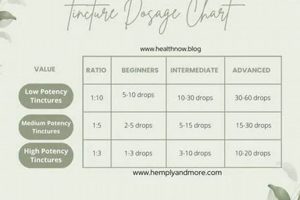
Dosage is a critical determinant of both the safety and effectiveness of botanical infusions intended to alleviate abdominal discomfort. The quantity of herbal tea consumed directly influences the concentration of active compounds interacting with the body. An insufficient dose may fail to provide therapeutic relief, while an excessive dose can trigger adverse reactions, ranging from mild gastrointestinal upset to more serious systemic effects. Therefore, a precise understanding of appropriate dosage is paramount.
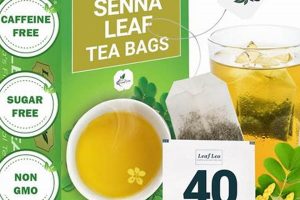
The optimal dosage of herbal tea varies depending on several factors, including the specific herb used, the individual’s body weight, age, overall health status, and the severity of the digestive symptoms. For example, a smaller individual or someone with pre-existing liver or kidney conditions may require a lower dose than a larger, healthy adult. Similarly, the concentration of active compounds can vary between different batches of the same herb, necessitating adjustments in dosage. Chamomile, for instance, generally has a wider safety margin compared to herbs like senna, which possesses potent laxative properties and requires careful dosage control. As a result, determining the adequate amount of an infusion is crucial.
In summary, appropriate dosage represents a fundamental element in the responsible use of botanical infusions for abdominal discomfort. Overconsumption can result in serious health issues, while insufficient intake will not solve the problem. Consideration of various contributing factors facilitates personalized dosage adjustments. Understanding the effect of dosage can improve the therapeutic outcome. The importance of proper dosage is vital for maximizing the benefits and minimizing the risks associated with this type of health approach.
4. Safety
The safety profile of botanical infusions employed to alleviate abdominal discomfort warrants thorough consideration. While often perceived as gentle remedies, these preparations are not without potential risks, demanding a cautious approach to their use.
- Herb-Drug Interactions
Certain herbs can interact with pharmaceutical medications, altering their efficacy or increasing the risk of adverse effects. For instance, St. John’s Wort, though not typically used for tummy aches, can significantly reduce the effectiveness of many prescription drugs, including some antidepressants and birth control pills. Similarly, even seemingly benign herbs can interact with blood thinners or anti-inflammatory medications. Awareness of potential interactions is crucial, necessitating consultation with a healthcare professional before combining herbal remedies with conventional medications.
- Allergic Reactions
Individuals may exhibit allergic reactions to specific herbs, ranging from mild skin irritation to severe anaphylaxis. The Asteraceae family, which includes chamomile, is a common allergen. Symptoms can include skin rashes, itching, swelling, difficulty breathing, and gastrointestinal distress. Individuals with known allergies to plants should exercise caution and introduce new herbal teas gradually, monitoring for any adverse reactions. Immediate medical attention is warranted in cases of severe allergic response.
- Contamination and Adulteration
The quality and purity of herbal products are not always guaranteed. Herbs can be contaminated with heavy metals, pesticides, bacteria, or mold during cultivation, harvesting, or processing. Adulteration, the intentional or unintentional substitution of one herb for another, also poses a risk. Selecting herbs from reputable suppliers who adhere to quality control standards is essential to minimize exposure to contaminants and ensure accurate identification of the plant material.
- Contraindications and Pre-existing Conditions
Certain medical conditions may contraindicate the use of specific herbs. For example, pregnant or breastfeeding women should avoid certain herbs due to potential risks to the fetus or infant. Individuals with liver or kidney disease may need to exercise caution when consuming herbs that are metabolized by these organs. Consulting with a healthcare provider is necessary to determine the appropriateness of specific herbal teas for individuals with pre-existing health conditions.
The outlined safety considerations underscore the importance of informed decision-making when using botanical infusions for digestive ailments. Understanding potential herb-drug interactions, allergic risks, contamination concerns, and contraindications is essential for maximizing benefits while minimizing harm. Such awareness enhances the safety profile of these popular remedies.
5. Specific herbs
The efficacy of herbal tea in addressing abdominal discomfort hinges significantly on the selection of specific herbs, each possessing unique properties that target different aspects of digestive distress. A generalized approach to herbal tea preparation may yield limited results; therefore, a focused understanding of individual herb characteristics is essential for optimal therapeutic outcomes.
- Chamomile (Matricaria chamomilla)
Chamomile is widely recognized for its calming and anti-inflammatory properties. It functions as a mild antispasmodic, reducing muscle contractions in the digestive tract, thereby alleviating cramping and bloating. Clinical studies suggest chamomile can reduce symptoms of irritable bowel syndrome (IBS) and general indigestion. Its gentle nature makes it suitable for children and adults experiencing mild to moderate abdominal upset.
- Peppermint (Mentha piperita)
Peppermint contains menthol, a compound known to relax the smooth muscles of the gastrointestinal tract, facilitating the passage of gas and relieving bloating. Peppermint tea can be particularly effective for individuals experiencing gas-related discomfort and spasms. However, it is not recommended for individuals with gastroesophageal reflux disease (GERD), as it may relax the lower esophageal sphincter, exacerbating reflux symptoms.
- Ginger (Zingiber officinale)
Ginger is renowned for its antiemetic and anti-inflammatory properties. It aids in reducing nausea and vomiting, making it beneficial for motion sickness, pregnancy-related nausea, or general digestive upset. Ginger promotes gastric emptying and reduces intestinal spasms. Clinical evidence supports its efficacy in alleviating chemotherapy-induced nausea.
- Fennel (Foeniculum vulgare)
Fennel seeds contain compounds that can reduce gas and bloating. It is often used to alleviate colic in infants and digestive discomfort in adults. Fennel’s carminative properties help to break down gas bubbles in the digestive tract, providing relief from abdominal distension. Its mild licorice-like flavor makes it a palatable option for many individuals.
The selection of specific herbs for addressing abdominal discomfort should be tailored to the individual’s specific symptoms and underlying health conditions. While these examples represent commonly used and generally safe options, consulting with a qualified healthcare professional or herbalist is advisable to determine the most appropriate and effective herbal tea formulation for individualized needs. This will ensure its proper use and benefit.
6. Interactions
The potential for interactions between herbal teas consumed for abdominal discomfort and various substances, including medications, supplements, and even certain foods, represents a critical consideration for safety and efficacy. Neglecting these interactions can lead to diminished therapeutic effects or, more seriously, adverse health outcomes.
- Herb-Drug Interactions
Certain compounds within herbal teas can alter the absorption, metabolism, or excretion of pharmaceutical drugs. For example, constituents in chamomile may potentiate the effects of sedative medications, leading to excessive drowsiness. Similarly, some herbs can interfere with the efficacy of anticoagulants, increasing the risk of bleeding or clotting. Awareness of such potential interactions is crucial, particularly for individuals taking prescription medications.
- Herb-Supplement Interactions
Combining different herbal remedies or supplements can also result in adverse interactions. The additive or synergistic effects of multiple active compounds can lead to unexpected or intensified physiological responses. For instance, combining peppermint tea with other carminative supplements may excessively reduce lower esophageal sphincter pressure, exacerbating acid reflux symptoms. Careful consideration of the cumulative effects of multiple supplements is necessary.
- Herb-Food Interactions
Although less frequently discussed, interactions between herbal teas and dietary components can also occur. Certain foods can either enhance or inhibit the absorption of active compounds in herbal teas. For example, consuming ginger tea alongside a high-fat meal may increase the bioavailability of gingerols, the active compounds responsible for its anti-nausea effects. Conversely, consuming herbal teas with foods that affect stomach acidity can alter their absorption rate. Consideration of dietary context is important for optimizing the therapeutic benefits of these beverages.
- Individual Physiological Factors
Individual physiological variations, such as age, body weight, genetics, and pre-existing health conditions, can significantly influence the likelihood and severity of interactions. Individuals with impaired liver or kidney function may be more susceptible to adverse effects due to reduced ability to metabolize or excrete herbal compounds. Genetic polymorphisms can also affect the activity of drug-metabolizing enzymes, altering the pharmacokinetic profile of both drugs and herbal constituents. Tailoring the use of herbal teas to individual patient characteristics is essential for minimizing the risk of interactions.
These interactive facets emphasize the necessity of a holistic and individualized approach to utilizing herbal teas for digestive relief. Thorough research, healthcare provider consultation, and awareness of personal health factors contribute to safe and effective integration of these remedies into a comprehensive healthcare strategy.
Frequently Asked Questions
This section addresses common inquiries regarding the use of botanical infusions in the management of abdominal discomfort, providing evidence-based information to promote safe and effective practices.
Question 1: Are botanical infusions a substitute for medical care in cases of severe abdominal pain?
Botanical infusions are generally suitable for mild to moderate abdominal discomfort. Severe or persistent abdominal pain, especially when accompanied by fever, vomiting, bloody stools, or significant changes in bowel habits, requires prompt medical evaluation. These symptoms may indicate serious underlying conditions necessitating immediate intervention. Botanical infusions should not be considered a replacement for professional medical advice or treatment.
Question 2: How can one ensure the safety and quality of the herbal ingredients used in these preparations?
Selecting high-quality herbal ingredients from reputable sources is critical. Look for products that have undergone third-party testing to verify purity and potency. Organic certification can minimize exposure to pesticides and herbicides. Avoid purchasing herbs from unknown or unreliable sources, as they may be contaminated or adulterated. Always inspect the product for signs of damage or discoloration before use.
Question 3: Are there specific populations who should avoid herbal teas for abdominal discomfort?
Certain populations should exercise caution or avoid using herbal teas for abdominal discomfort altogether. Pregnant and breastfeeding women should consult with a healthcare provider before using any herbal remedies, as some herbs can pose risks to the fetus or infant. Individuals with pre-existing medical conditions, such as liver or kidney disease, should also seek medical advice, as these conditions can affect the metabolism and excretion of herbal compounds. Furthermore, individuals with known allergies to specific plants should avoid teas containing those ingredients.
Question 4: Can herbal infusions be safely combined with over-the-counter medications for abdominal distress?
Combining herbal infusions with over-the-counter (OTC) medications requires careful consideration. Certain herbs can interact with common OTC drugs, altering their effectiveness or increasing the risk of side effects. For instance, combining chamomile with antihistamines may potentiate drowsiness. Consulting a pharmacist or healthcare provider is advisable to ensure the safe use of both herbal remedies and OTC medications.
Question 5: How quickly should one expect to experience relief from abdominal discomfort after consuming an herbal infusion?
The time to onset of relief varies depending on the individual, the specific herb used, and the severity of the symptoms. Some individuals may experience noticeable relief within 30 minutes to an hour, while others may require several hours or even days of consistent use to achieve significant improvement. It is essential to manage expectations and allow sufficient time for the herbal remedy to exert its effects. If symptoms persist or worsen despite continued use, seeking medical advice is recommended.
Question 6: Is it possible to develop a tolerance to herbal infusions over time, requiring higher doses to achieve the same effect?
While tolerance to some herbal remedies can develop over prolonged use, it is less common with infusions used for occasional abdominal discomfort. However, it is prudent to avoid excessive or chronic consumption of any single herb. Cycling between different herbal teas or taking breaks from use can help prevent the development of tolerance and minimize the risk of adverse effects. If the effectiveness of an herbal tea diminishes over time, reassessing the underlying cause of the abdominal discomfort and seeking professional medical guidance may be necessary.
In summary, botanical infusions offer a potentially beneficial approach to managing mild abdominal discomfort; however, safe and effective use requires careful consideration of individual circumstances, potential interactions, and product quality. Always prioritize professional medical advice for severe or persistent symptoms.
The subsequent section will provide resources for further research and reliable sources of information regarding botanical infusions and digestive health.
Conclusion
This exploration of “herbal tea for tummy ache” has illuminated key aspects of its application, including herb selection, preparation techniques, dosage considerations, safety precautions, and potential interactions. The information presented underscores the importance of informed decision-making when utilizing botanical infusions for digestive relief. The selection of specific herbs is crucial, with chamomile, peppermint, ginger, and fennel offering distinct therapeutic benefits tailored to various symptoms. Proper preparation methods optimize the extraction of active compounds, while appropriate dosage minimizes the risk of adverse effects. Safety remains paramount, necessitating awareness of potential herb-drug interactions, allergic reactions, and the sourcing of high-quality ingredients.
The judicious employment of “herbal tea for tummy ache,” guided by evidence-based knowledge and professional consultation when necessary, may provide a valuable adjunct to conventional approaches for managing mild abdominal discomfort. Further research into the efficacy and safety of specific herbal formulations remains essential to solidify their role in promoting digestive health. Individuals are encouraged to prioritize comprehensive wellness strategies, incorporating botanical remedies as part of a balanced approach that includes dietary modifications, stress management, and appropriate medical care.