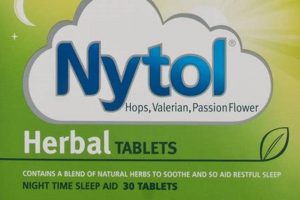
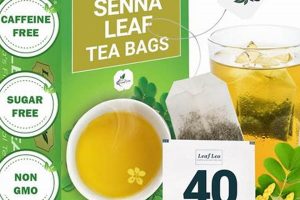
The selection of calming infusions crafted from botanicals provides a natural approach to promoting relaxation and improving sleep quality. These beverages leverage the inherent properties of various plants to gently encourage a state conducive to rest. For example, brews derived from chamomile or lavender are often sought for their soothing effects.
The significance of these botanical preparations lies in their potential to address sleep disturbances without the harsh side effects sometimes associated with pharmaceutical interventions. Throughout history, different cultures have recognized and utilized specific herbs for their sleep-inducing qualities, incorporating them into nightly rituals to foster tranquility. The growing interest in these traditional remedies reflects a broader shift towards holistic wellness practices.
This article will explore the specific characteristics of several well-regarded herbal options, outlining their potential benefits, preparation methods, and any considerations for responsible consumption. It will delve into the science supporting their efficacy as sleep aids, examining relevant research and expert opinions to provide a balanced and informed perspective.
Optimizing the selection and utilization of botanicals for sleep enhancement requires careful consideration. The following guidelines are designed to aid in maximizing benefits while minimizing potential drawbacks.
Tip 1: Source Quality Ingredients: Opt for certified organic herbs from reputable suppliers. This minimizes exposure to pesticides and ensures a higher concentration of active compounds.
Tip 2: Adhere to Recommended Dosage: Follow preparation instructions closely. Over-steeping or consuming excessive amounts can, in some cases, lead to unintended side effects.
Tip 3: Establish a Consistent Routine: Incorporate herbal infusions into a nightly ritual, consuming them approximately 30-60 minutes before bedtime. This allows ample time for the compounds to exert their calming influence.
Tip 4: Consider Potential Allergies: Exercise caution when introducing new herbs, particularly if susceptible to allergies. Start with small quantities and monitor for any adverse reactions.
Tip 5: Evaluate Individual Sensitivities: Recognize that individual responses to specific herbs can vary. Experiment to determine which botanicals best promote relaxation and sleep quality without causing daytime drowsiness.
Tip 6: Be Mindful of Interactions: If currently taking medications, consult with a healthcare professional to rule out any potential interactions between herbal remedies and prescribed drugs.
Tip 7: Store Herbs Properly: Preserve potency by storing dried herbs in airtight containers, away from direct sunlight and moisture. This helps maintain their therapeutic qualities over time.
By adhering to these guidelines, individuals can harness the potential benefits of herbal infusions for improving sleep quality, promoting relaxation, and supporting overall well-being. Diligence in sourcing, preparation, and mindful consumption is paramount.
This now leads us to a deeper discussion of specific herbal varieties known for their sleep-promoting properties, delving into their individual characteristics and scientific basis for their effects.
1. Calming Properties

The inherent calming properties of specific botanicals form the cornerstone of their utility as sleep aids. These properties, often attributed to particular compounds within the plants, exert a tangible effect on the nervous system, creating a physiological state conducive to rest. The efficacy of a “best herbal tea for sleep” is directly linked to the potency and mechanism of action of its calming constituents.
- Neurotransmitter Modulation
Certain herbal teas contain compounds that influence neurotransmitter activity within the brain. For instance, chamomile possesses apigenin, an antioxidant that may bind to certain brain receptors to decrease anxiety and initiate sleep. Similarly, valerian root can increase levels of gamma-aminobutyric acid (GABA), a neurotransmitter that reduces nervous system activity, promoting relaxation and sleep onset. The impact on these neurochemical pathways is a primary mechanism through which herbal teas exert their calming influence.
- Reduction of Physiological Stress Responses
Sleep disturbances are frequently linked to heightened physiological stress responses, characterized by elevated heart rate, muscle tension, and increased cortisol levels. Some herbal teas demonstrate the capacity to mitigate these responses. Lemon balm, for example, has been shown to reduce cortisol levels, thereby alleviating stress and promoting a more relaxed state. The ability to dampen physiological arousal is a critical attribute of herbal teas recognized for sleep enhancement.
- Antispasmodic Effects
Muscle tension and spasms can disrupt sleep patterns and contribute to discomfort. Certain herbs, such as peppermint, possess antispasmodic properties that can help alleviate these issues. While typically associated with digestive relief, the relaxing effect on muscles can indirectly contribute to improved sleep quality by reducing physical discomfort that may interfere with rest. However, peppermint is typically consumed after a meal so it does not interfere with sleep.
- Aromatic Influence
The olfactory component of herbal teas also plays a significant role in their calming effect. The aroma of lavender, for instance, has been demonstrated to have an anxiolytic effect, reducing anxiety and promoting relaxation through its interaction with the limbic system. The act of inhaling the steam from a warm cup of herbal tea can thus contribute to a sense of calmness and prepare the individual for sleep.
The multifaceted calming properties inherent in different herbal teas work synergistically to promote relaxation and improve sleep quality. By influencing neurotransmitter activity, reducing physiological stress responses, alleviating muscle tension, and engaging the olfactory senses, these botanical preparations offer a natural and holistic approach to addressing sleep disturbances. The selection of a “best herbal tea for sleep” should be guided by an understanding of these properties and their potential impact on individual sleep patterns.
2. Ingredient Sourcing

Ingredient sourcing constitutes a critical determinant of the quality and efficacy of herbal teas intended for sleep enhancement. The origin and cultivation methods employed directly influence the concentration of active compounds within the herbs, as well as their potential exposure to contaminants. Therefore, selecting herbal teas derived from reputable sources utilizing sustainable and ethical practices is paramount for achieving optimal therapeutic benefits.
The impact of sourcing can be illustrated through examples. Chamomile cultivated in organic, pesticide-free environments exhibits a higher concentration of apigenin, the flavonoid responsible for its calming effects, compared to conventionally grown chamomile. Similarly, valerian root sourced from regions with optimal soil conditions and harvesting practices yields a more potent sleep-inducing effect due to elevated levels of valerenic acid. Conversely, herbs sourced from regions with lax regulatory oversight may contain heavy metals, pesticides, or other harmful substances that negate their therapeutic value and potentially pose health risks. The practical significance lies in understanding that the perceived “best herbal tea for sleep” is inherently dependent on the quality and integrity of its constituent ingredients, which are, in turn, a direct reflection of sourcing practices.
The selection process should prioritize certifications such as “organic” or “Fair Trade,” which provide assurance of adherence to stringent standards regarding pesticide use, sustainable farming methods, and ethical labor practices. Consumers should also consider researching the reputation and transparency of the tea manufacturer, seeking out companies that openly disclose their sourcing practices and prioritize quality control measures. While challenges exist in verifying the authenticity of sourcing claims, a diligent and informed approach can significantly enhance the likelihood of selecting herbal teas that are both effective and safe for promoting sleep. Ultimately, awareness of ingredient sourcing elevates the consumer’s role in ensuring the integrity of herbal remedies and contributes to the broader pursuit of natural and sustainable wellness solutions.
3. Preparation Method

The preparation method is a crucial determinant of the therapeutic efficacy of herbal teas designed to promote sleep. The process of extracting active compounds from the dried herbs into the aqueous solution significantly influences the concentration and bioavailability of these substances. Inadequate preparation can result in a weak infusion lacking the potency required to induce relaxation and facilitate sleep onset. Conversely, improper preparation may lead to the release of undesirable compounds or result in an overly concentrated brew, potentially causing adverse effects. The method used is intrinsically linked to whether a given blend can truly be considered a “best herbal tea for sleep”.
Specific preparation factors, such as water temperature, steeping time, and the use of covered versus uncovered containers, directly impact the chemical profile of the final infusion. For instance, utilizing boiling water for delicate herbs like chamomile can degrade sensitive volatile oils responsible for its calming aroma and properties. A lower temperature, around 170-180F (77-82C), is recommended to preserve these compounds. Similarly, extending the steeping time beyond the recommended duration, typically 5-10 minutes, can lead to the extraction of tannins, contributing to a bitter flavor and potentially counteracting the intended relaxing effects. Covering the tea during steeping helps to prevent the escape of volatile aromatic compounds, preserving their therapeutic benefits. A real-world example would be the comparison of two chamomile teas, one prepared with boiling water and steeped for 15 minutes uncovered, and another prepared with appropriately heated water, steeped for 5 minutes covered. The latter would likely exhibit superior calming properties and a more palatable flavor. Further, a high-quality herbal tea blend can have all of its therapeutic potential squandered by poor preparation.
In summary, the preparation method is not merely a procedural step but an integral component in harnessing the therapeutic potential of herbal teas for sleep. Optimizing water temperature, steeping time, and container usage ensures the efficient extraction of beneficial compounds while minimizing the release of undesirable substances. A thorough understanding of the ideal preparation parameters for each specific herb is essential for maximizing the effectiveness and safety of herbal teas as sleep aids. The challenge lies in disseminating accurate preparation guidelines and encouraging adherence to these practices to realize the full benefits of these natural remedies. Therefore, attention to detail in the preparation process is critical to transform a simple blend of herbs into a truly effective and safe “best herbal tea for sleep.”
4. Consumption Timing

The temporal aspect of herbal tea consumption significantly influences its efficacy as a sleep aid. The timing of ingestion, relative to the intended sleep period, governs the absorption and impact of active compounds on the body’s physiological processes. Therefore, strategic planning of when to consume is of paramount importance in realizing a given blend’s potential as a “best herbal tea for sleep.”
- Optimal Window for Consumption
The ideal timeframe for consuming herbal teas intended for sleep enhancement typically falls within the 30-60 minute window preceding the planned bedtime. This interval allows sufficient time for the digestive system to process the tea and for the active compounds to be absorbed into the bloodstream. This delayed, measured approach permits these constituents to exert their calming influence on the nervous system as the individual prepares for sleep, rather than experiencing an immediate, potentially disruptive effect.
- Influence on Circadian Rhythm
Consistent consumption of herbal teas within a defined pre-sleep window can contribute to the entrainment of the circadian rhythm. The body’s internal clock is sensitive to environmental cues, including regular patterns of food and beverage intake. By establishing a consistent routine of drinking herbal tea before bed, individuals can reinforce the sleep-wake cycle, making it easier to fall asleep and wake up at desired times. A disruption to that routine can negatively impact the efficacy of even the most potent herbal tea blend.
- Impact on Nocturnal Physiological Processes
Consuming herbal teas too close to bedtime can disrupt nocturnal physiological processes due to the diuretic effects of fluid intake. Frequent nighttime urination can interrupt sleep cycles and diminish overall sleep quality. Therefore, allowing sufficient time for the body to process the liquid and eliminate excess fluids before sleep onset is crucial for preventing these disruptions. The timing of ingestion can determine whether the impact is relaxing or disruptive, and that outcome can shift the tea’s rating from beneficial to detrimental in terms of sleep promotion.
- Variations Based on Individual Metabolism
Individual metabolic rates influence the absorption and clearance of active compounds from herbal teas. Individuals with faster metabolisms may experience a shorter duration of effects, requiring consumption closer to bedtime to maintain a consistent level of sedation. Conversely, those with slower metabolisms may benefit from consuming herbal tea earlier in the evening to avoid residual drowsiness upon waking. The importance of experimentation in finding the timing sweet spot cannot be overstated.
The strategic consideration of consumption timing is essential for maximizing the sleep-enhancing potential of herbal teas. By adhering to the recommended timeframe, aligning with the circadian rhythm, mitigating potential nocturnal disruptions, and accounting for individual metabolic variations, consumers can optimize the efficacy of these natural remedies and more reliably realize their goal of better, more restful sleep. The relationship between consumption timing and perceived effectiveness underscores the critical role of informed and mindful utilization in realizing the benefits of any “best herbal tea for sleep.”
5. Potential Interactions

The consideration of potential interactions between herbal teas and pharmaceutical medications or pre-existing health conditions is paramount when assessing the safety and suitability of any sleep-promoting beverage. The designation of a product as a “best herbal tea for sleep” is contingent upon its capacity to induce relaxation without causing adverse effects or compromising the efficacy of prescribed treatments.
- Herb-Drug Interactions
Herbal teas contain bioactive compounds that can interact with prescription and over-the-counter medications. For example, valerian root, often used for its sedative properties, may potentiate the effects of central nervous system depressants such as benzodiazepines and opioids, leading to excessive drowsiness and respiratory depression. Similarly, St. John’s Wort, while not typically consumed as a tea, is a potent inducer of cytochrome P450 enzymes, which can accelerate the metabolism and reduce the effectiveness of many medications, including antidepressants and oral contraceptives. Awareness of these potential interactions is crucial to avoid unintended consequences.
- Impact on Pre-existing Conditions
Certain herbal teas can exacerbate or contraindicate pre-existing health conditions. For example, individuals with bleeding disorders should exercise caution when consuming teas containing ingredients such as ginger or ginkgo biloba, as these may possess antiplatelet properties and increase the risk of bleeding. Similarly, individuals with hormone-sensitive conditions, such as breast cancer or endometriosis, should avoid teas containing phytoestrogens, such as those derived from soy or red clover, as these compounds may stimulate estrogen receptors and potentially promote tumor growth. Knowledge of individual health conditions is therefore vital in selecting appropriate herbal teas.
- Allergic Reactions
Allergic reactions to herbal teas, while relatively uncommon, can occur. Individuals with known allergies to plants within the Asteraceae family (e.g., chamomile, ragweed) are at increased risk of experiencing allergic reactions to chamomile tea, ranging from mild skin irritation to severe anaphylaxis. Similarly, individuals with sensitivities to specific herbs should carefully review the ingredient list and exercise caution when introducing new herbal teas into their routine. It is advised to start with small quantities of any new herbal tea to evaluate tolerance and monitor for any adverse reactions.
- Influence on Blood Pressure and Heart Rate
Some herbal teas can influence blood pressure and heart rate, potentially posing risks for individuals with cardiovascular conditions. For instance, licorice root, found in some herbal tea blends, contains glycyrrhizin, which can elevate blood pressure and cause fluid retention. Similarly, guarana, sometimes included in energy-boosting teas, contains caffeine, which can increase heart rate and blood pressure. Individuals with hypertension or heart disease should consult with a healthcare professional before consuming herbal teas containing these ingredients to assess potential risks.
In conclusion, the determination of a “best herbal tea for sleep” necessitates a thorough assessment of potential interactions with medications, pre-existing conditions, and individual sensitivities. Consulting with a healthcare professional or qualified herbalist is advisable, particularly for individuals with complex medical histories or those taking multiple medications, to ensure the safe and effective utilization of herbal teas as sleep aids. The perceived benefits of improved sleep must be carefully weighed against the potential risks associated with these interactions, highlighting the importance of informed decision-making.
Frequently Asked Questions
This section addresses common inquiries and clarifies misconceptions regarding the use of specific botanical infusions to promote relaxation and improve sleep quality.
Question 1: Are herbal teas a substitute for prescription sleep medications?
No. Herbal teas are generally considered mild sleep aids and are not intended to replace prescription medications for individuals with diagnosed sleep disorders. Consultation with a healthcare professional is recommended before discontinuing or altering any prescribed treatment regimen.
Question 2: Can a person consume “best herbal teas for sleep” every night?
For most individuals, regular consumption of herbal teas is considered safe when used in moderation. However, it is prudent to monitor for any adverse effects and consider rotating different herbal varieties to minimize the risk of developing sensitivities.
Question 3: How quickly do herbal teas take effect?
The onset of effects can vary based on individual metabolism, the specific herb used, and the concentration of the infusion. Typically, a noticeable calming effect may be experienced within 30-60 minutes of consumption.
Question 4: Is “best herbal tea for sleep” safe for pregnant or breastfeeding women?
Certain herbs are contraindicated during pregnancy or breastfeeding. Consultation with a healthcare provider or qualified herbalist is essential to determine the safety and appropriateness of specific herbal teas for pregnant or breastfeeding women.
Question 5: Can children consume sleep-promoting herbal teas?
While some herbal teas are considered safe for children in small amounts, it is crucial to exercise caution and consult with a pediatrician before administering any herbal remedy to a child. Dosage adjustments and careful monitoring for adverse reactions are necessary.
Question 6: Do all “best herbal teas for sleep” taste the same?
No. The flavor profiles of herbal teas vary widely depending on the specific herbs used. Some teas have a floral or sweet taste, while others may be earthy or slightly bitter. Individual preferences should be considered when selecting a tea for sleep enhancement.
In summary, while herbal teas offer a natural approach to promoting sleep, it is crucial to exercise caution, consider individual circumstances, and consult with healthcare professionals when necessary to ensure safe and effective use.
This leads to a discussion about safety concerns and potential side effects associated with their use.
Concluding Remarks on Herbal Teas for Promoting Sleep
This exploration has illuminated key aspects pertaining to herbal teas utilized for sleep enhancement. Factors encompassing ingredient sourcing, preparation methodologies, consumption timing, and potential interactions have been meticulously examined. The inherent calming properties of various botanicals, coupled with responsible and informed utilization, underpin the potential benefits of these natural remedies. Careful consideration of these variables remains paramount to maximizing therapeutic outcomes while mitigating potential adverse effects.
The integration of herbal teas into a holistic sleep hygiene regimen represents a proactive approach to wellness. While these infusions offer a non-pharmaceutical alternative for addressing mild sleep disturbances, individuals are encouraged to consult healthcare professionals to determine their suitability within the context of overall health and any existing medical conditions. Continued research into the efficacy and safety of specific herbal formulations is warranted to further refine our understanding of their potential in promoting restful sleep.