The concept refers to the utilization of plant-derived remedies intended to alleviate symptoms associated with the cessation of menstruation. These natural treatments encompass various plant parts, extracts, or formulations designed to address hormonal imbalances and subsequent physiological changes. An example includes the use of phytoestrogens, plant-based compounds mimicking estrogen, to potentially reduce hot flashes.
The significance of exploring natural remedies lies in their potential to offer alternative options for managing the discomfort and disruptions experienced during this transitional phase of life. Historically, different cultures have employed botanical solutions for women’s health issues, often relying on traditional knowledge passed down through generations. The appeal stems from a desire for gentler approaches or for those seeking alternatives to conventional hormone therapies.
The subsequent sections will delve into specific botanical options, examine the available scientific evidence regarding their efficacy and safety, and discuss potential considerations for individuals contemplating this approach. Understanding the nuances of using botanical substances is essential for informed decision-making in managing menopausal experiences.
Guidance on Botanical Interventions for Menopause
The following recommendations offer considerations for those exploring plant-based approaches to alleviate menopausal symptoms. It is imperative to consult with a qualified healthcare provider before initiating any new treatment regimen.
Tip 1: Conduct Thorough Research: Investigate the specific botanical under consideration. Examine its traditional uses, potential benefits, and possible side effects. Peer-reviewed scientific publications offer valuable insights.
Tip 2: Prioritize Product Quality: Select reputable brands with transparent sourcing and manufacturing processes. Look for certifications indicating third-party testing for purity and potency.
Tip 3: Start with Low Dosages: Initiate use with a lower dose than recommended and gradually increase as tolerated. Monitor for any adverse reactions. Individual responses to botanicals can vary significantly.
Tip 4: Be Aware of Potential Interactions: Many botanicals can interact with prescription medications or other supplements. Disclose all substances being consumed to a healthcare professional to assess potential risks.
Tip 5: Maintain Realistic Expectations: Botanical remedies may provide symptom relief, but they are not guaranteed to eliminate all menopausal discomforts. The effectiveness can vary based on individual factors.
Tip 6: Monitor Symptoms Closely: Keep a record of symptoms and any changes observed after initiating botanical interventions. This information can aid in evaluating effectiveness and identifying potential issues.
Tip 7: Consider Lifestyle Adjustments: Complement botanical approaches with healthy lifestyle choices, including a balanced diet, regular exercise, and stress management techniques. These factors can significantly impact overall well-being during menopause.
The information presented aims to guide individuals toward a more informed approach to managing menopausal symptoms with plant-derived substances. Prudent application of these guidelines, in conjunction with expert medical advice, is crucial for safety and efficacy.
Subsequent sections will address the long-term implications and future directions in the realm of botanical approaches to menopause management.
1. Phytoestrogen Sources
The selection of phytoestrogen sources constitutes a fundamental aspect in the formulation of botanical interventions aimed at alleviating menopausal symptoms. The efficacy and safety of such interventions are directly influenced by the specific plant compounds utilized and their inherent properties.
- Isoflavones from Soybeans
Soybeans are a prominent source of isoflavones, a class of phytoestrogens with demonstrated estrogenic activity. These compounds can bind to estrogen receptors, potentially mitigating symptoms associated with estrogen decline during menopause. However, the bioavailability and effectiveness of soy-based interventions can vary significantly among individuals due to differences in gut microbiota composition, which affects isoflavone metabolism. Furthermore, concerns exist regarding the potential effects of high isoflavone consumption on hormone-sensitive tissues.
- Lignans from Flaxseed
Flaxseed contains lignans, another type of phytoestrogen, which can be converted into enterolignans by intestinal bacteria. These enterolignans possess weak estrogenic and antioxidant properties. Flaxseed may offer modest relief from hot flashes and vaginal dryness, but more research is needed to fully elucidate its mechanisms of action and long-term safety profile. The variability in conversion rates and the relatively weak estrogenic effects compared to other phytoestrogen sources require careful consideration.
- Coumestans from Alfalfa Sprouts
Alfalfa sprouts are a source of coumestans, which exhibit higher estrogenic activity compared to isoflavones and lignans. However, the consumption of alfalfa sprouts also carries a risk of contamination with harmful bacteria, such as E. coli, which can lead to foodborne illnesses. Additionally, the long-term safety of consuming coumestans in high quantities is not well-established. This necessitates a cautious approach to alfalfa sprout-based remedies, prioritizing food safety measures.
- Black Cohosh Root Extracts
While not strictly a phytoestrogen source in the traditional sense (as it does not directly bind to estrogen receptors in a predictable manner), black cohosh root extracts are widely used for managing menopausal symptoms, particularly hot flashes. The mechanism of action is still debated, but it is theorized to involve effects on neurotransmitter systems. Black cohosh carries a risk of liver toxicity in rare cases, highlighting the importance of monitoring liver function and consulting with a healthcare professional before and during use.
The diverse range of phytoestrogen sources presents both opportunities and challenges in the context of botanical interventions for managing menopause. The variability in estrogenic activity, bioavailability, potential side effects, and contamination risks underscores the need for careful selection, appropriate dosing, and comprehensive monitoring when utilizing these plant-derived compounds.
2. Safety considerations
The realm of botanical interventions for menopause necessitates a rigorous focus on safety considerations, as these factors fundamentally determine the potential risks and benefits associated with such treatments. The allure of natural remedies must be tempered with an understanding of their pharmacological properties and the potential for adverse effects or interactions. A crucial aspect of this focus involves discerning the quality and purity of botanical products, ensuring they are free from contaminants, adulterants, or heavy metals, which can exacerbate existing health conditions or introduce new risks. Manufacturing processes, sourcing practices, and third-party certifications become paramount in evaluating the reliability of botanical preparations. For instance, an unregulated herbal product might contain undisclosed ingredients that interact negatively with prescription medications, leading to unforeseen health complications.
Furthermore, individual variability in response to botanical substances underscores the importance of personalized risk assessment. Factors such as pre-existing medical conditions, age, liver and kidney function, and concurrent medication use can significantly influence the safety profile of botanical interventions. For example, black cohosh, a widely used herbal remedy for hot flashes, has been associated with liver toxicity in rare instances. Individuals with pre-existing liver conditions must exercise extreme caution and seek expert medical guidance prior to its use. Likewise, botanicals with anticoagulant properties may pose a bleeding risk for individuals taking blood-thinning medications. These examples highlight the complex interplay between individual health status and the potential for adverse reactions to botanical substances.
In summation, the application of botanical approaches for managing menopause requires a comprehensive understanding of potential safety considerations. Rigorous evaluation of product quality, individual risk factors, and potential drug interactions is essential to minimize adverse effects and maximize the therapeutic benefits. A collaborative approach involving healthcare professionals, pharmacists, and informed consumers is vital for ensuring the safe and effective integration of botanical remedies into the management of menopausal symptoms.
3. Symptom Targeting

The selection and application of botanical interventions for menopausal symptom management are fundamentally dependent on precise symptom targeting. The heterogeneous nature of menopausal experiences necessitates a tailored approach, aligning specific herbal properties with the alleviation of distinct discomforts. A generalized application of botanicals, without considering the nuanced symptom profile, is unlikely to yield optimal outcomes and may even lead to adverse effects.
The efficacy of “herbal cure for menopause” hinges on the careful matching of botanical properties to specific symptoms. For instance, individuals primarily experiencing vasomotor symptoms, such as hot flashes and night sweats, might benefit from botanicals with purported thermoregulatory effects, like black cohosh or sage. Conversely, those primarily affected by mood disturbances, such as anxiety or mild depression, might explore St. John’s Wort or valerian root, known for their potential mood-stabilizing properties. Real-world examples underscore this point: A woman experiencing primarily vaginal dryness might find relief with sea buckthorn oil, while another predominantly battling insomnia might find greater benefit in a valerian root extract. The practical significance lies in the ability to optimize treatment outcomes by addressing the individual’s unique symptom presentation, thereby maximizing the potential benefits and minimizing unnecessary exposure to botanical substances.
In conclusion, symptom targeting represents a critical component of the “herbal cure for menopause” paradigm. Precise symptom assessment, coupled with a thorough understanding of botanical properties, guides the selection of appropriate interventions. Challenges remain in standardizing botanical preparations and validating their efficacy through rigorous clinical trials. However, the principle of symptom-specific treatment remains a cornerstone for rational and effective application of botanical remedies in managing menopausal symptoms. Continued research is essential to further refine our understanding and enhance the precision of symptom targeting in this context.
4. Formulation diversity

Formulation diversity constitutes a critical factor in the effective application of botanical interventions for menopause. The manner in which a botanical substance is prepared and administered directly influences its bioavailability, efficacy, and safety profile. Consideration of these diverse formulations is essential for optimizing therapeutic outcomes and minimizing potential adverse effects.
- Teas and Infusions
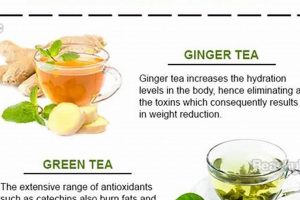
Aqueous extracts, commonly prepared as teas or infusions, represent a traditional method of delivering botanical compounds. The process typically involves steeping dried or fresh plant material in hot water, allowing for the extraction of water-soluble constituents. However, the concentration of active ingredients in teas can be highly variable depending on factors such as plant quality, preparation time, and water temperature. Furthermore, the bioavailability of certain compounds may be limited due to incomplete extraction or degradation during the infusion process. For example, a ginger tea, while potentially beneficial for mild nausea associated with menopause, may not provide a consistent or potent dose of gingerols compared to a standardized extract.
- Capsules and Tablets
Capsules and tablets offer a more standardized and convenient method of delivering botanical substances. These formulations typically contain dried and powdered plant material or concentrated extracts, encapsulated or compressed into solid dosage forms. The advantage lies in the ability to control the dose more precisely and to protect certain compounds from degradation in the digestive tract through enteric coatings. However, the bioavailability of active ingredients can still vary depending on factors such as particle size, excipients used, and individual digestive physiology. For example, a black cohosh capsule may provide a more consistent dose of triterpene glycosides compared to a tea, but its absorption may be affected by the presence of food or other medications.
- Tinctures and Liquid Extracts
Tinctures and liquid extracts involve extracting botanical compounds using a solvent, typically alcohol or a mixture of alcohol and water. This method allows for the extraction of a wider range of constituents, including both water-soluble and fat-soluble compounds. Tinctures offer a relatively long shelf life and can be easily administered in small doses. However, the alcohol content may be a concern for some individuals, and the taste can be unpalatable. Furthermore, the concentration of active ingredients can vary depending on the extraction method and solvent used. A valerian root tincture, for example, may offer a concentrated dose of valerenic acid, but its effectiveness may be influenced by the alcohol content and the individual’s sensitivity to the taste.
- Topical Applications
Botanical substances can also be formulated for topical application, such as creams, lotions, and suppositories. This route of administration is particularly useful for addressing localized symptoms, such as vaginal dryness or skin irritation. Topical formulations allow for direct delivery of active ingredients to the affected area, minimizing systemic exposure. However, the absorption of botanical compounds through the skin can be limited by factors such as skin permeability, vehicle composition, and the molecular weight of the active ingredients. Sea buckthorn oil, applied topically, can mitigate vaginal dryness by providing local moisture.
The diversity of available formulations necessitates a careful consideration of the intended use, individual preferences, and potential benefits and drawbacks of each delivery method. While teas offer a traditional and accessible approach, capsules and tinctures may provide a more standardized and potent dose. The optimal formulation depends on the specific botanical substance, the targeted symptoms, and the individual’s overall health status. Consulting with a qualified healthcare professional is essential for selecting the most appropriate and safe formulation.
5. Scientific validation

The systematic evaluation of efficacy and safety through rigorous scientific methodology constitutes a critical cornerstone in assessing the potential role of botanical interventions for managing menopausal symptoms. The degree to which a particular “herbal cure for menopause” has undergone and withstood scientific scrutiny directly impacts its credibility and clinical applicability.
- Randomized Controlled Trials (RCTs)
RCTs, considered the gold standard in clinical research, are essential for determining the true effect of a botanical intervention compared to a placebo or conventional treatment. Well-designed RCTs minimize bias and allow for causal inferences to be drawn. In the context of “herbal cure for menopause”, RCTs are crucial for objectively assessing whether a specific herb demonstrably reduces hot flashes, improves sleep quality, or alleviates other menopausal symptoms. Lack of robust RCT evidence often leads to uncertainty regarding the true efficacy of a particular botanical remedy.
- Standardized Extracts and Dosing
Scientific validation necessitates the use of standardized extracts, ensuring consistent concentrations of active compounds across different batches and studies. Variable concentrations of active ingredients in botanical preparations can lead to inconsistent results and make it difficult to draw meaningful conclusions from clinical trials. For example, black cohosh extracts used in research must be standardized to a specific concentration of triterpene glycosides to allow for reliable comparisons between studies. Without standardization, the results of clinical trials are difficult to interpret and may not be generalizable.
- Mechanism of Action Studies
Understanding the underlying mechanisms by which a botanical intervention exerts its effects is an important aspect of scientific validation. Identifying the specific molecular targets and pathways involved can provide insights into the potential benefits and risks associated with its use. For example, research exploring the estrogenic or non-estrogenic mechanisms of action of various phytoestrogens can inform our understanding of their effects on hormone-sensitive tissues. Mechanistic studies enhance the scientific rigor of botanical interventions and provide a rationale for their use in specific clinical contexts.
- Long-Term Safety Data
Scientific validation extends beyond short-term efficacy studies to encompass long-term safety assessments. Chronic use of botanical interventions can potentially lead to adverse effects that may not be apparent in short-term trials. Therefore, long-term observational studies and post-marketing surveillance are essential for identifying potential risks associated with prolonged use. For instance, concerns regarding the potential for liver toxicity with long-term black cohosh use have prompted further investigation and monitoring. Comprehensive safety data are crucial for informing evidence-based recommendations regarding the appropriate use of botanical remedies for menopause.
These facets underscore the critical role of scientific validation in determining the potential of “herbal cure for menopause.” While anecdotal evidence and traditional use may suggest potential benefits, rigorous scientific evaluation is essential for establishing efficacy, ensuring safety, and providing evidence-based guidance for both healthcare professionals and individuals seeking alternative approaches to managing menopausal symptoms.
Frequently Asked Questions
This section addresses common inquiries regarding the use of botanical interventions for managing menopausal symptoms. The information presented is intended to provide clarity and promote informed decision-making.
Question 1: Is there scientific evidence to support the use of herbal remedies for menopause?
Scientific evidence for the efficacy of herbal remedies for menopause varies. Some botanicals, such as black cohosh for hot flashes, have been investigated in randomized controlled trials. However, the results are often mixed, and methodological limitations may exist. Other botanicals have limited or no rigorous scientific evidence to support their use. Consultation with a healthcare professional is advised.
Question 2: Are herbal remedies for menopause safe?
The safety of herbal remedies for menopause depends on various factors, including the specific herb, dosage, individual health status, and potential interactions with medications. Some botanicals may cause adverse effects, such as liver toxicity or allergic reactions. It is crucial to select reputable brands with third-party testing and to disclose all herbal supplements to a healthcare provider.
Question 3: Can herbal remedies completely eliminate menopausal symptoms?
Herbal remedies are unlikely to completely eliminate all menopausal symptoms. While some individuals may experience significant relief, others may find them less effective. The response to herbal interventions can vary depending on individual factors. A comprehensive approach that includes lifestyle modifications and, if necessary, conventional medical treatments, may be required.
Question 4: How do herbal remedies for menopause compare to hormone therapy?
Herbal remedies and hormone therapy (HT) represent distinct approaches to managing menopausal symptoms. HT is a more potent treatment that directly addresses hormonal imbalances. Herbal remedies, on the other hand, may have milder effects and may not be suitable for all individuals. The choice between herbal remedies and HT should be made in consultation with a healthcare professional, considering individual risk factors and preferences.
Question 5: Where can one find reliable information about herbal remedies for menopause?
Reliable information about herbal remedies for menopause can be found from reputable sources such as the National Institutes of Health (NIH), the National Center for Complementary and Integrative Health (NCCIH), and peer-reviewed scientific publications. It is important to critically evaluate the information and to avoid relying solely on anecdotal evidence or marketing claims.
Question 6: What are the potential risks of using unregulated herbal products for menopause?
Unregulated herbal products may pose significant risks due to potential contamination, adulteration, and inaccurate labeling. These products may contain undisclosed ingredients that interact with medications or cause adverse effects. It is advisable to purchase herbal products from reputable sources and to ensure they have undergone third-party testing for quality and purity.
The prudent utilization of botanical interventions for menopause management necessitates a comprehensive understanding of the associated risks and benefits, and should ideally occur under the guidance of a qualified healthcare provider.
The subsequent section will delve into the regulatory landscape surrounding botanical substances and its implications for consumer safety.
Conclusion
The exploration of “herbal cure for menopause” reveals a complex landscape characterized by both potential benefits and significant challenges. Evidence supporting the efficacy of botanical interventions remains variable, with some substances showing promise in alleviating specific symptoms, while others lack rigorous scientific validation. Safety considerations, including potential side effects and interactions with medications, necessitate careful evaluation and informed decision-making. The diversity of formulations and the variability in product quality further underscore the importance of prudent selection and sourcing.
Ultimately, the responsible integration of botanical approaches into menopause management requires a collaborative effort between healthcare professionals and individuals seeking alternative options. Continued research, standardized product development, and transparent regulatory oversight are essential for ensuring the safety and effectiveness of these interventions. The pursuit of improved well-being during this transitional phase should be guided by evidence-based practices and a commitment to informed self-care.