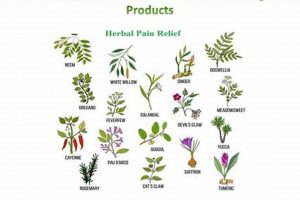
Botanical remedies aimed at easing the symptoms associated with the cessation of menstruation represent a growing area of interest for individuals seeking alternatives to traditional hormone replacement therapy. These remedies encompass a variety of plants and their extracts, which are purported to alleviate hot flashes, night sweats, mood swings, and sleep disturbances that commonly accompany this transitional phase of life. Examples include black cohosh, soy isoflavones, red clover, and evening primrose oil, each believed to exert its effects through different mechanisms within the body.
The appeal of plant-based approaches stems from several factors. Some individuals are wary of the potential side effects linked to conventional hormonal treatments. Furthermore, the long history of herbal medicine in various cultures suggests a potential for efficacy, although rigorous scientific validation remains a key consideration. The increasing availability and accessibility of these products, coupled with growing consumer awareness, contribute to their perceived importance as tools for managing menopausal discomfort. Their perceived benefits often include a holistic approach to wellness, aligning with a desire for natural and preventative healthcare strategies.
The subsequent discussion will delve into specific botanical options, examining the scientific evidence supporting their use, exploring potential risks and side effects, and providing guidance on selecting appropriate and safe remedies. Furthermore, it will address the importance of consulting with healthcare professionals to ensure that such therapies are integrated responsibly within an individual’s overall health management plan.
Guidance on Botanical Approaches to Menopausal Symptom Management
The following recommendations are intended to provide informational guidance for individuals considering plant-derived options to alleviate challenges associated with the menopausal transition. It is imperative to consult with a qualified healthcare provider before initiating any new therapeutic regimen.
Tip 1: Prioritize Informed Selection: Thoroughly research individual botanical options, focusing on their potential mechanisms of action, documented efficacy, and known side effect profiles. Reputable sources of information include peer-reviewed scientific publications and organizations specializing in evidence-based herbal medicine.
Tip 2: Seek Standardized Extracts: Opt for products that specify standardized concentrations of active compounds. Standardization ensures greater consistency in dosage and potency, potentially leading to more predictable therapeutic outcomes. For example, if considering black cohosh, look for products standardized to a specific triterpene glycoside content.
Tip 3: Initiate with Low Doses: Begin with the lowest recommended dosage and gradually increase as tolerated, monitoring for both beneficial effects and any adverse reactions. This approach allows for individual sensitivity to be assessed and minimizes the risk of potential side effects.
Tip 4: Be Vigilant for Interactions: Recognize that botanical substances can interact with conventional medications and other supplements. Provide a comprehensive list of all current medications and supplements to a healthcare professional to assess for potential drug interactions before commencing any botanical therapy.
Tip 5: Source Reputable Brands: Choose products from established and trusted manufacturers that adhere to good manufacturing practices (GMP). GMP certification indicates adherence to quality control standards, minimizing the risk of contamination or adulteration.
Tip 6: Monitor and Document Effects: Maintain a detailed record of symptoms, dosages, and any observed effects both positive and negative. This documentation will facilitate communication with healthcare providers and assist in tailoring the therapeutic approach.
Tip 7: Consider Lifestyle Modifications: Recognize that plant-based interventions are often most effective when combined with other lifestyle modifications, such as regular exercise, a balanced diet, stress management techniques, and adequate sleep.
The judicious integration of botanical approaches into menopausal symptom management requires careful consideration and a commitment to informed decision-making. While these remedies may offer relief for some individuals, they are not a substitute for professional medical care.
The subsequent discussion will focus on outlining contraindications and identifying scenarios in which botanical interventions may not be advisable.
1. Efficacy Varies

The variability in the effectiveness of botanical interventions for menopausal symptom relief constitutes a critical consideration. Observed differences in outcomes stem from multiple sources, including variations in individual physiology, the specific formulation of the herbal product, and the severity of symptoms experienced. For example, black cohosh, commonly employed to mitigate hot flashes, demonstrates inconsistent results across clinical trials. Some studies report significant reductions in vasomotor symptoms, while others show effects comparable to placebo. This discrepancy necessitates cautious interpretation and individualized application.
The impact of product formulation cannot be understated. Standardized extracts, which contain consistent concentrations of active compounds, may yield more predictable results compared to products of undefined composition. Furthermore, the presence of other ingredients, whether intentionally added or incidentally present, can influence the overall effect. A woman taking St. John’s Wort for mood swings related to menopause may not experience the intended benefit if the product lacks sufficient hypericin or if she is concurrently taking medications that interact with its metabolism. Recognizing these influences allows for a more nuanced approach to selecting and utilizing botanical options.
In conclusion, the understanding that efficacy varies represents a cornerstone of responsible integration of botanical remedies for menopausal symptoms. It underscores the importance of realistic expectations, personalized treatment strategies, and continuous monitoring of outcomes. While herbal approaches may offer valuable support for some individuals, a lack of guaranteed efficacy emphasizes the need for comprehensive medical evaluation and a willingness to explore alternative or adjunctive therapies if initial attempts prove inadequate. The goal remains achieving optimal symptom control through evidence-based strategies tailored to the individual’s unique needs and circumstances.
2. Potential Interactions

Botanical remedies used to alleviate menopausal symptoms possess the capacity to interact with prescription medications, over-the-counter drugs, and other dietary supplements. This aspect represents a critical safety concern demanding careful consideration. The consumption of herbal substances can alter the absorption, distribution, metabolism, or excretion of co-administered drugs, leading to either a reduction in therapeutic efficacy or an increased risk of adverse effects. For example, St. John’s Wort, sometimes used for mood stabilization during menopause, is a known inducer of cytochrome P450 enzymes, which are responsible for metabolizing a wide array of medications, including certain antidepressants, oral contraceptives, and anticoagulants. Concurrent use may diminish the effectiveness of these pharmaceuticals, potentially leading to adverse clinical outcomes.
Black cohosh, often considered for the management of hot flashes, has been linked to potential hepatotoxicity in rare cases. Individuals with pre-existing liver conditions, or those taking other hepatotoxic medications, may face an elevated risk of liver damage when combining black cohosh with their existing regimen. Similarly, soy isoflavones, consumed for their estrogen-like effects, might interact with hormone-sensitive medications or conditions. Because of the range of potential interactions, comprehensive knowledge of a patients medication list, including all herbal and supplemental products, is critical to informing appropriate recommendations, managing potential risks, and monitoring patient outcomes during menopause.
The potential for interactions underscores the necessity of a collaborative approach to botanical remedy use during menopause. Open communication between the individual, their healthcare provider, and a qualified herbalist is essential. A thorough review of all medications and supplements, coupled with an understanding of the potential mechanisms of interaction, enables informed decision-making and minimization of risks. Failing to acknowledge and address potential interactions can compromise the effectiveness of conventional therapies and jeopardize patient safety. Prioritizing this aspect reinforces the responsible and informed use of herbal options during the menopausal transition.
3. Dosage Matters

The efficacy and safety of botanical remedies utilized for the alleviation of menopausal symptoms are critically dependent on appropriate dosage. Insufficient dosage may result in a failure to achieve therapeutic benefits, while excessive dosage can lead to adverse side effects or toxicity. The determination of an optimal dosage requires consideration of several factors, including the specific herbal product, the individual’s physiology, the severity of symptoms, and any concurrent medications. For example, while a low dose of black cohosh might have no impact on hot flash frequency, a higher-than-recommended dose could potentially induce liver enzyme abnormalities, even if rarely. Therefore, dosage guidelines act as a safeguard against both ineffectiveness and harm.
The concentration of active compounds within herbal preparations varies considerably. Products derived from the same plant species can exhibit substantial differences in potency due to variations in cultivation practices, harvesting methods, and manufacturing processes. Standardized herbal extracts, which contain a specified amount of a particular active constituent, offer greater consistency and predictability in dosage compared to non-standardized products. A patient using an unstandardized red clover supplement may struggle to identify an appropriate dose to alleviate night sweats due to the significant variability in isoflavone content. Careful dosage selection, ideally guided by a qualified healthcare professional, maximizes therapeutic benefit while minimizing risks related to potency fluctuations.
In summary, the understanding of dosage as a critical determinant of both efficacy and safety constitutes a cornerstone of the responsible use of botanical remedies for menopausal symptoms. Neglecting this aspect can undermine therapeutic goals and potentially compromise patient well-being. The interaction between dosage and individual response highlights the necessity for personalized approaches, close monitoring, and continuous assessment. While herbal approaches may provide valuable support for some, proper dosage management remains paramount to responsible and informed herbal practice during the menopausal transition.
4. Source quality

The quality of the source material directly impacts the safety and efficacy of botanical remedies intended for menopausal symptom management. Inferior sourcing practices can lead to products contaminated with heavy metals, pesticides, or adulterants, thereby posing significant health risks. Conversely, high-quality sourcing, encompassing careful cultivation, harvesting, and processing methods, ensures a consistent and potent product, more likely to deliver the intended therapeutic benefits. For example, black cohosh harvested from polluted soils may contain elevated levels of lead, negating any potential symptom relief and presenting a toxicological hazard. Therefore, understanding source quality constitutes a fundamental aspect of responsible decision-making regarding botanical interventions during menopause.
Verifying source quality involves examining several key factors. Reputable manufacturers often adhere to Good Manufacturing Practices (GMP) and provide third-party certifications, indicating independent testing for purity and potency. These certifications offer a degree of assurance regarding the product’s composition and freedom from contaminants. Furthermore, transparency in sourcing practices, including the geographic origin of the plant material and details regarding cultivation methods, reflects a commitment to quality and accountability. For example, a company providing detailed information about their organic farming practices and laboratory testing protocols demonstrates a higher level of quality control compared to one lacking such transparency. This in turn leads to a better assessment of “herbal menopause help.”
In conclusion, source quality represents a non-negotiable element in the context of “herbal menopause help.” Prioritizing products from reputable sources, verifying certifications, and demanding transparency in sourcing practices mitigates the risks associated with contamination and adulteration. Recognizing this connection empowers individuals to make informed choices, safeguarding their health and optimizing the potential benefits of botanical remedies during the menopausal transition. While plant-based therapies can offer support, their safety and effectiveness are inextricably linked to the quality of the source from which they originate, this connection can improve and effective in “herbal menopause help”.
5. Symptom targeting

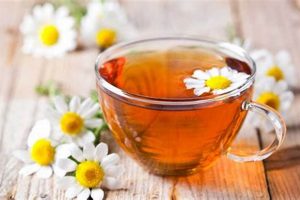
The selective application of botanical remedies based on specific menopausal symptoms constitutes a crucial element of effective and responsible herbal therapy. Employing a broad-spectrum approach without considering the unique symptom profile of an individual is unlikely to yield optimal results and may potentially expose the individual to unnecessary risks. Targeting specific symptoms demands a thorough understanding of the purported mechanisms of action of various herbs and a careful assessment of the individual’s presenting complaints. For example, an individual primarily experiencing insomnia as a result of menopause would likely benefit more from herbs with sedative properties, such as valerian root or chamomile, than from remedies aimed primarily at reducing hot flashes. Conversely, employing valerian for hot flash management may prove ineffective and could delay the implementation of more appropriate interventions.
Precise symptom targeting necessitates a comprehensive evaluation of the individual’s medical history, current medications, and any underlying health conditions. Furthermore, it requires realistic expectations regarding the potential benefits and limitations of herbal interventions. If a woman experiencing mood swings, hot flashes, and vaginal dryness chooses to focus solely on red clover for all three symptoms, she may be disappointed, as red clover’s primary action is related to estrogenic effects potentially benefiting hot flashes but not effectively addressing the other issues. Moreover, appropriate symptom targeting necessitates ongoing monitoring and assessment. If the initial herbal intervention proves ineffective in alleviating the targeted symptom, adjustments to the dosage, herbal selection, or therapeutic approach may be warranted. This adaptability is essential for maximizing the likelihood of positive outcomes.
In conclusion, the strategic alignment of botanical remedies with specific menopausal symptoms represents a fundamental principle of responsible “herbal menopause help”. Failing to address the unique symptom profile of an individual through targeted interventions may compromise the effectiveness of herbal therapy and potentially expose the individual to unnecessary risks. The practical significance of this understanding lies in its ability to guide healthcare practitioners and individuals toward more informed and effective treatment strategies. Continuous monitoring and assessment further enhance this targeted approach, improving chances of success in alleviating the diverse challenges presented by menopause.
6. Professional guidance

The integration of botanical remedies into the management of menopausal symptoms necessitates professional guidance to ensure safety, efficacy, and appropriateness. Navigating the complexities of herbal interactions, dosage considerations, and individual health profiles requires the expertise of qualified healthcare professionals.
- Comprehensive Assessment
A healthcare provider can conduct a thorough evaluation of an individual’s medical history, current medications, and symptom presentation to determine if botanical remedies are suitable. This assessment helps identify potential contraindications or interactions that might compromise the effectiveness of other treatments or pose a risk to the individual’s health. For instance, women with hormone-sensitive conditions may need to avoid phytoestrogen-containing herbs like soy isoflavones. This level of personalized evaluation is critical to safe and effective care.
- Dosage and Formulation Guidance
Healthcare providers can provide guidance on appropriate dosages and formulations based on the specific herbal product and the individual’s unique needs. Standardized extracts, which contain consistent concentrations of active compounds, are generally preferred to ensure predictable therapeutic outcomes. Consulting with a professional helps avoid under-dosing, which can result in treatment failure, and over-dosing, which can lead to adverse effects. Dosage recommendations should also align with current scientific evidence.
- Monitoring and Adjustment
Professional guidance includes ongoing monitoring of the individual’s response to herbal therapy and adjustments to the treatment plan as needed. Regular follow-up appointments allow healthcare providers to assess the effectiveness of the chosen remedy, identify any potential side effects, and make necessary modifications to the dosage or herbal selection. For example, if an individual experiences gastrointestinal upset after starting black cohosh, a healthcare provider can recommend a lower dose or suggest an alternative remedy.
- Integration with Conventional Medicine
Healthcare professionals can help integrate botanical remedies into an individual’s overall healthcare plan, ensuring compatibility with conventional medical treatments. Open communication between the individual, their healthcare provider, and other specialists involved in their care is essential for avoiding potentially harmful interactions. In cases where conventional hormone therapy is prescribed, healthcare providers can assist in determining whether herbal remedies can be used as adjuncts or alternatives, and guide patients through that process carefully.
Professional guidance is paramount for maximizing the benefits and minimizing the risks associated with “herbal menopause help.” A collaborative approach, involving open communication between the individual and their healthcare providers, ensures that botanical remedies are used safely and effectively within the context of an individualized treatment plan. This personalized approach ultimately optimizes therapeutic outcomes and promotes the well-being of individuals navigating the menopausal transition.
7. Long-term safety

The protracted use of botanical remedies for menopausal symptom management necessitates a rigorous evaluation of their long-term safety profiles. While many herbs exhibit short-term efficacy and tolerability, the potential consequences of sustained exposure require thorough investigation to ensure that purported benefits are not outweighed by latent adverse effects. The extended duration of the menopausal transition, often spanning several years, amplifies the importance of understanding these long-term considerations.
- Hepatic Effects
Prolonged use of certain herbs, such as black cohosh, has been associated with potential hepatotoxicity in rare cases. Long-term studies are needed to definitively assess the cumulative impact of these botanicals on liver function. For example, a postmenopausal woman using black cohosh continuously for five years should undergo regular liver function tests to monitor for any signs of hepatic compromise. The lack of comprehensive long-term data necessitates caution and vigilant monitoring.
- Endometrial Effects
Phytoestrogens, such as those found in soy isoflavones and red clover, possess estrogen-like properties that could theoretically influence endometrial proliferation. While short-term studies have not demonstrated significant adverse effects on the endometrium, the long-term consequences of sustained exposure remain uncertain. Postmenopausal women with a history of estrogen-sensitive conditions should exercise caution and undergo regular endometrial monitoring when using these herbs for extended periods. This includes routine ultrasounds to assess endometrial thickness and, if necessary, biopsies to rule out any abnormalities.
- Cardiovascular Effects
The long-term impact of certain herbal remedies on cardiovascular health remains an area of ongoing research. While some studies suggest potential benefits, others raise concerns about possible adverse effects on blood pressure, lipid profiles, or coagulation. Further investigation is needed to elucidate the complex relationship between herbal use and cardiovascular outcomes during the postmenopausal period. Long term monitoring of cardiovascular effects is a must for women using herbal menopause help for long-term periods.
- Drug interactions
Certain long-term interactions between herbal menopause help and conventional medications can increase the risk of adverse events or reduce the effectiveness of medication. For example, St. John’s Wort, sometimes used for mood stabilization during menopause, is a known inducer of cytochrome P450 enzymes, which are responsible for metabolizing a wide array of medications, including certain antidepressants, oral contraceptives, and anticoagulants. So that monitoring of medicine for long-term is a must to avoid any potential harm to body.
The assessment of long-term safety represents a critical component of responsible “herbal menopause help.” Addressing this aspect requires robust scientific data, continuous monitoring, and a collaborative approach involving healthcare professionals and individuals seeking relief from menopausal symptoms. While botanical remedies may offer short-term benefits, a thorough understanding of their potential long-term consequences is essential for ensuring that these interventions contribute to sustained well-being.
Frequently Asked Questions Regarding Herbal Menopause Help
This section addresses common inquiries and misconceptions surrounding botanical remedies for menopausal symptom management. The information presented aims to provide clarity and guidance based on current scientific understanding.
Question 1: Are herbal remedies a complete substitute for hormone replacement therapy (HRT)?
Herbal remedies are generally not considered a direct substitute for HRT. While some botanical options may alleviate specific symptoms, they do not replicate the broad range of hormonal effects provided by HRT. The decision to use herbal remedies in lieu of HRT should be made in consultation with a healthcare professional, considering individual health status and treatment goals.
Question 2: How long does it take for herbal remedies to exhibit noticeable effects on menopausal symptoms?
The time required for herbal remedies to exert noticeable effects varies depending on the individual, the specific herb, and the severity of symptoms. Some individuals may experience improvements within a few weeks, while others may require several months of consistent use. Patience and consistent adherence to the recommended dosage are essential.
Question 3: Are herbal remedies regulated for quality and safety?
Herbal remedies are subject to less stringent regulation than prescription medications in many jurisdictions. It is crucial to select products from reputable manufacturers that adhere to Good Manufacturing Practices (GMP) and provide third-party certifications to ensure quality and safety.
Question 4: Can herbal remedies interact with prescription medications?
Yes, herbal remedies possess the potential to interact with prescription medications, either reducing their effectiveness or increasing the risk of adverse effects. Open communication with a healthcare provider regarding all medications and supplements is essential to identify and manage potential interactions.
Question 5: What are the most common side effects associated with herbal remedies for menopause?
Common side effects vary depending on the specific herb but may include gastrointestinal upset, skin rash, headache, and, in rare cases, more serious adverse events such as liver damage. Promptly report any unusual or concerning symptoms to a healthcare professional.
Question 6: Is long-term use of herbal remedies for menopause safe?
The long-term safety of many herbal remedies remains an area of ongoing research. While some herbs have demonstrated favorable safety profiles in short-term studies, the potential consequences of sustained exposure require further investigation. Consult with a healthcare provider to assess the suitability of long-term herbal use.
The responsible integration of herbal remedies into menopausal symptom management requires careful consideration of individual health status, potential interactions, and long-term safety. Professional guidance is essential for ensuring optimal outcomes.
The subsequent section will delve into resources and references that offer further information regarding “herbal menopause help.”
Conclusion
The exploration of “herbal menopause help” reveals a complex landscape of potential benefits and inherent risks. While botanical remedies may offer symptomatic relief for some individuals navigating the menopausal transition, factors such as variable efficacy, potential interactions, dosage considerations, and source quality demand meticulous attention. The strategic targeting of specific symptoms, coupled with professional guidance, constitutes a cornerstone of responsible utilization.
The ongoing pursuit of evidence-based knowledge and a commitment to informed decision-making are essential for ensuring that “herbal menopause help” contributes positively to individual well-being. Vigilance in monitoring for both positive and adverse effects, and open communication with healthcare providers, are crucial for maximizing therapeutic outcomes and minimizing potential harm. Ultimately, a personalized approach, grounded in scientific understanding, holds the key to harnessing the potential of botanical interventions while safeguarding individual health.